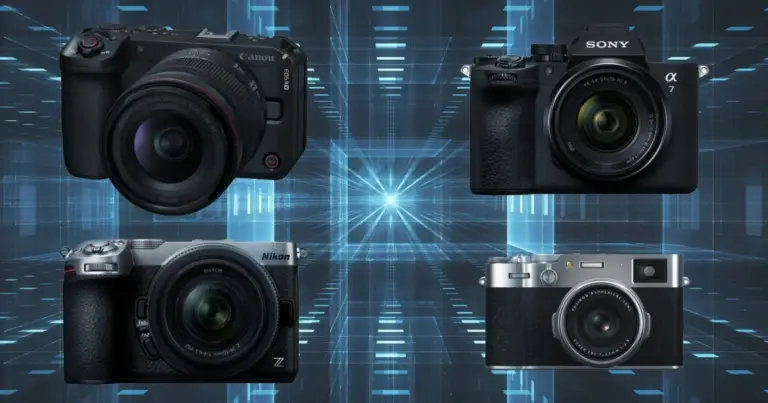
The landscape of the mirrorless camera market is facing a potential tectonic shift following a landmark legal ruling in China. Earlier this year, a high-profile intellectual property battle between a major camera manufacturer and a prominent third-party lens producer concluded with a surprising verdict that could dismantle the legal defenses protecting proprietary lens mounts across the entire photographic industry.
Back in January, Nikon initiated a lawsuit against lens maker Viltrox within China, asserting that the manufacturer had infringed upon its intellectual property rights tied to the Nikon Z-mount. Nikon sought both financial damages and royalties, aiming to curb the unauthorized production of autofocus-enabled lenses built for its modern mirrorless system. However, the legal battle took a sharp turn this past summer when the court officially ruled in favor of Viltrox, delivering a decisive blow to Nikon’s strategy and setting a powerful legal precedent that could soon ripple outward to impact other industry giants—most notably Canon, the architect of the industry’s last remaining fully closed mirrorless lens mount.
The central question now facing the photographic industry is simple yet profound: if Nikon’s Z-mount patent can be successfully challenged and invalidated, what protects Canon’s RF-mount from suffering the exact same fate? To fully understand the magnitude of this shift, one must examine the legal mechanisms behind Nikon’s courtroom defeat and evaluate how it reshapes the global power dynamic between legacy camera brands and independent manufacturers.
Nikon’s Loss and the Invalidation of the Z-Mount
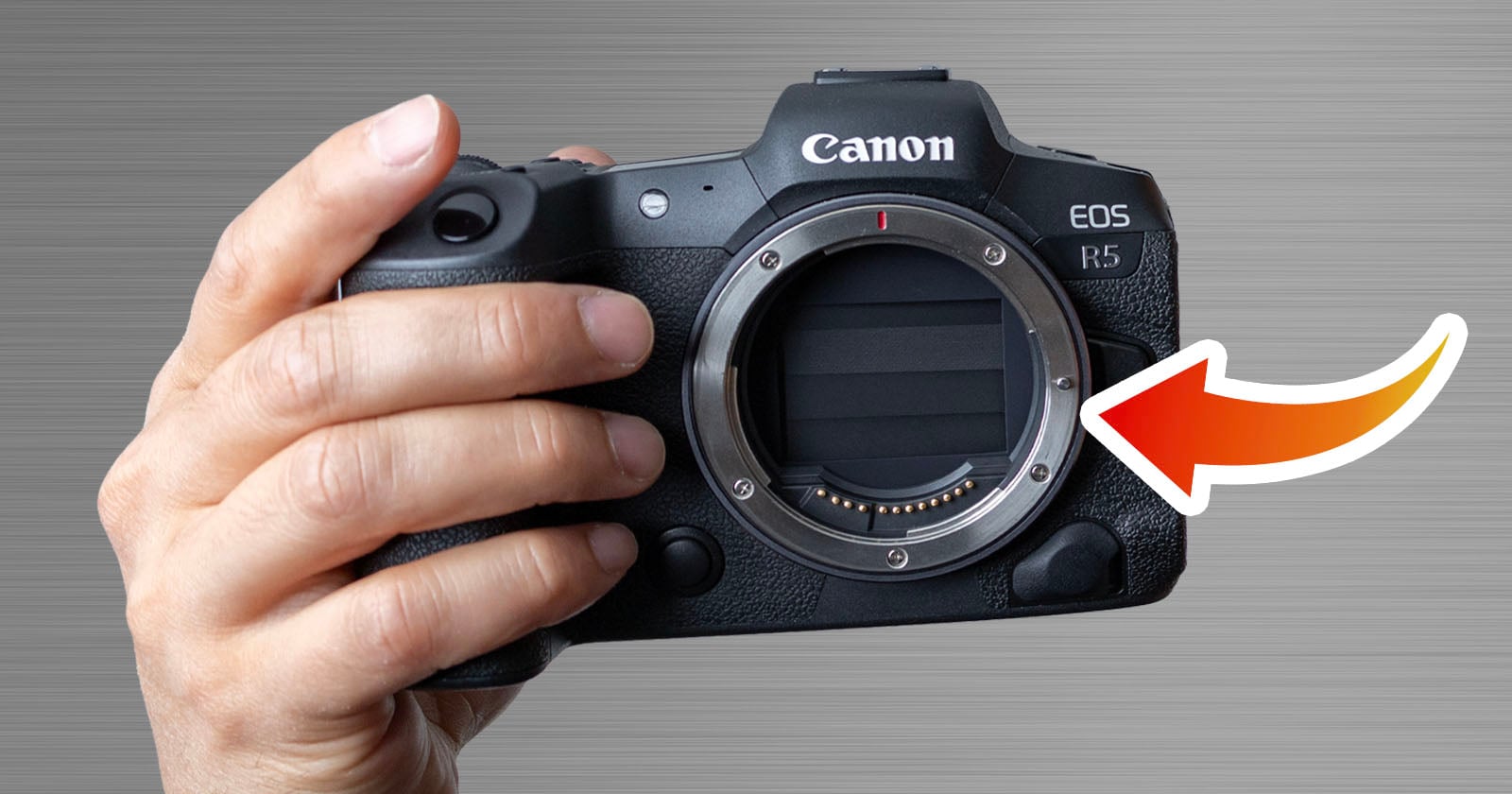
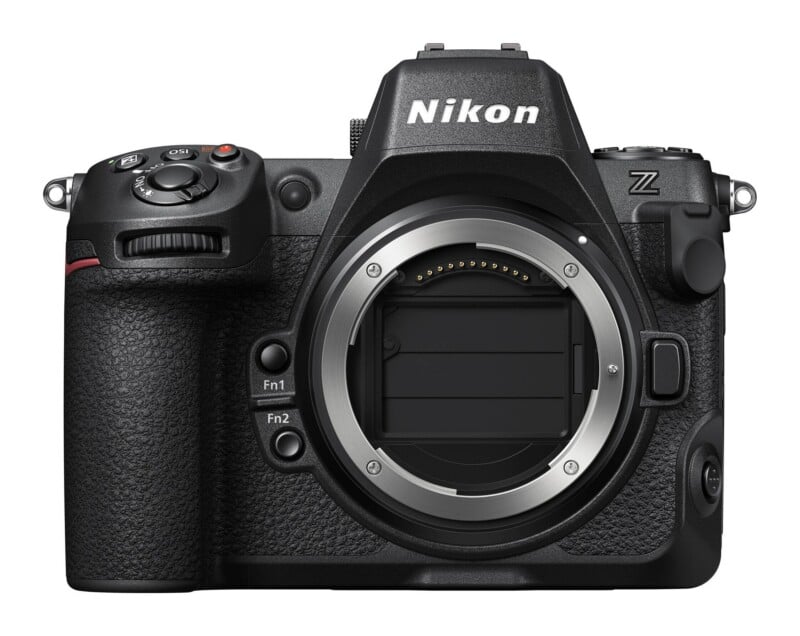
The legal defeat played out before the China National Intellectual Property Administration (CNIPA), which evaluated Nikon’s infringement claims and ultimately rejected them. The regulatory body went a step further than merely dismissing Nikon’s demands for damages; it officially invalidated one of Nikon’s core Z-mount design patents. This specific patent had been granted to cover physical attributes of the Z-mount bayonet system, including the exact configuration of its physical bayonet tabs, terminal pins, and overall electronic layout.
According to the CNIPA, Nikon’s patent lacked an "inventive step"—the Chinese legal equivalent to the concept of "non-obviousness" in United States patent law. The administration determined that making minor, iterative adjustments to the length, physical angles, and spatial arrangement of bayonet lugs or terminal pins over pre-existing legacy mounts constituted a routine engineering choice rather than a genuine, patentable technological breakthrough.
Even though the physical dimensions, flange distances, and electronic pin locations of the Z-mount differ from Nikon’s older F-mount, the court ruled that these alterations are neither unique nor inventive enough to warrant intellectual property protection. Because Nikon’s entire lawsuit hinged on the legal validity of that specific patent, Viltrox’s victory effectively stripped Nikon of the legal foundation required to pursue damages or legally block Viltrox and other China-based third-party manufacturers from producing and selling autofocus lenses for the Z-mount.
When contacted for comment regarding the outcome, Nikon maintained a measured stance, stating through a representative that out of respect for the judicial system, the company would refrain from providing further details at this time. Viltrox, meanwhile, has chosen a similarly restrained approach, declining to publicly celebrate or offer sweeping commentary on the broader implications of its courtroom victory. In an official statement, Viltrox expressed appreciation for ongoing consumer support while noting that it currently has no further information or official updates to share regarding potential future implications for other camera mounts.
International Implications and Global Risks
While the initial ruling was handed down exclusively within China, it naturally raises questions regarding how Nikon might approach enforcement in other major global markets, such as the United States or Europe, where the company also holds registered Z-mount patents. Theoretically, Nikon retains the legal capability to file lawsuits in these foreign jurisdictions to block the distribution and retail sale of offending Viltrox lenses.
However, industry observers suggest that Nikon is unlikely to take that gamble. Having suffered a definitive loss before the CNIPA, the company faces significant strategic risks by initiating international litigation. If Nikon were to challenge Viltrox in Western courts and subsequently lose, the negative legal precedent would compound exponentially, potentially invalidating its Z-mount protections on a global scale.
Legal experts point out that the underlying challenge lies in the nature of modern camera design. Camera mechanics and lens mounting systems have evolved incrementally over the past sixty years. Simply expanding the diameter of a mount or shifting electronic contact pins by a few millimeters is increasingly viewed by modern patent examiners as routine engineering rather than revolutionary innovation. Consequently, any international courtroom battle carries a high probability of exposing the structural fragility of legacy patent portfolios, a risk that camera manufacturers may be entirely unwilling to shoulder.
Furthermore, even a theoretical victory in the U.S. or European courts would not necessarily stop the global flow of third-party products. Because Chinese manufacturing hubs remain legally open to Viltrox under the domestic ruling, restricting official import channels in Western markets would merely push distribution toward alternative acquisition pathways. Modern global supply chains and online retail networks make it relatively easy for consumers to obtain hardware regardless of official regional distribution bans, a phenomenon already observed with other restricted consumer technology imports. With China representing the second-largest camera market in the world, the inability to control sales within its borders presents an untenable scenario for legacy manufacturers.
Canon’s Conundrum and the Changing Power Dynamic
This unfolding situation brings the focus squarely onto Canon, the industry titan that has historically maintained the tightest grip on its proprietary ecosystem. Nikon is not the first camera brand to confront a China-based lens manufacturer over intellectual property concerns, but it is the first to actually test those claims in a court of law. Prior to this, Canon relied primarily on aggressive legal intimidation, using its substantial market presence to issue direct warnings to independent developers.

Back in 2022, Viltrox publicly announced that it had halted the production and distribution of autofocus lenses designed for the Canon RF-mount after receiving formal legal threats from Canon demanding an immediate cessation of all infringing activities. Canon subsequently confirmed its aggressive posture, asserting that third-party RF-mount autofocus lenses infringed upon its core design and patent rights.
At the time, Viltrox operated on a smaller scale with more limited financial resources, choosing to comply rather than engage in a costly international legal battle. Four years later, however, the industry landscape has transformed dramatically. Viltrox has matured into a respected, well-capitalized manufacturer with significant financial and legal backing. Its recent courtroom victory in China proves that modern domestic lens makers possess the resources required to challenge and invalidate the patent portfolios of legacy camera brands, fundamentally altering the power dynamic of the entire photographic sector.
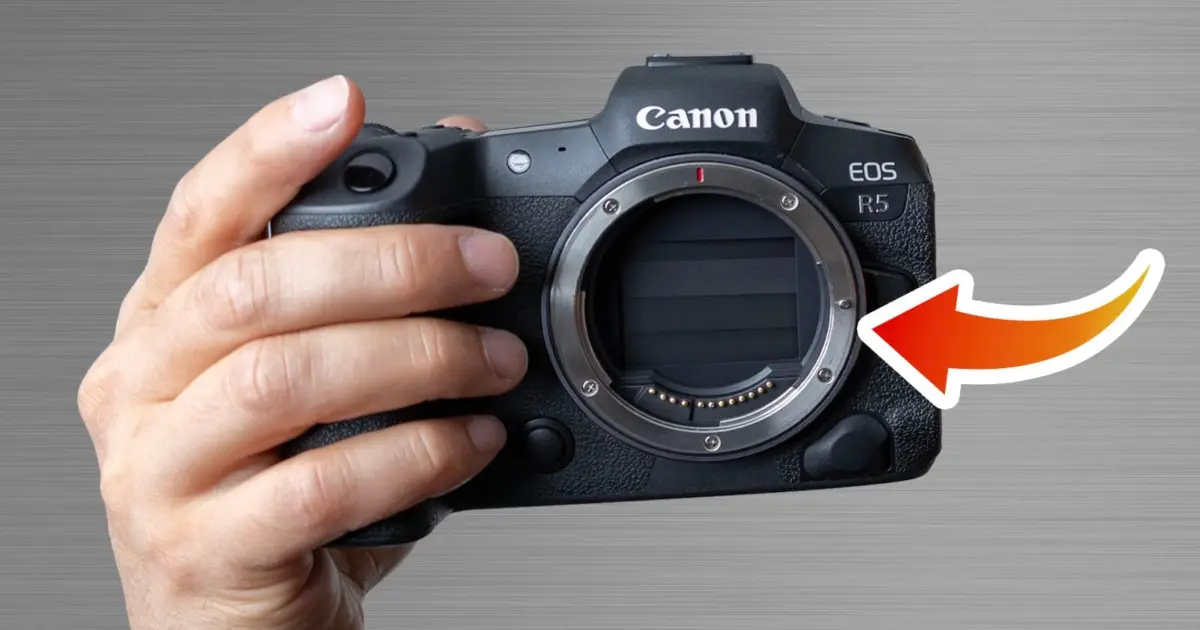
An analysis of Canon’s Chinese patent filings reveals a structural framework remarkably similar to Nikon’s invalidated claims. Canon’s design and utility patents cover the physical three-tab bayonet mount structure and its exact physical dimensions, along with the physical electronic interface consisting of 12 contact pins. Additional utility patents cover proprietary communication algorithms, autofocus control signals, optical image stabilization protocols, and inputs transmitted via Canon’s signature Control Ring.
Because Canon’s legal defense of the RF-mount relies heavily on physical flange geometries and pin arrangements derived from its older EF and EF-M systems, the CNIPA’s administrative precedent poses an immediate threat. If Canon were to move past mere warnings and actually initiate a lawsuit against Viltrox or other independent makers in China, the regulatory body would likely apply the exact same legal reasoning, rendering Canon’s core physical mount protections vulnerable to invalidation.
The Path Forward for Camera Manufacturers
The CNIPA’s ruling has exposed a systemic vulnerability in how camera brands protect their closed or partially closed lens ecosystems. A clear legal roadmap now exists for independent manufacturers to contest the novelty of traditional lens mounts across the board, potentially opening the door for unhindered third-party development for the Canon RF-mount, Leica L-mount, and Micro Four Thirds systems within key Asian markets.
Faced with this shifting reality, camera brands have limited options. One potential avenue involves implementing aggressive software encryption protocols and firmware blocks designed to disrupt the operation of unauthorized lenses by requiring a secure digital handshake between the lens and the camera body. However, such measures historically encounter severe consumer resistance. Technical compatibility issues often spark public relations backlash, as demonstrated by recent unfounded consumer accusations directed at major brands when third-party lenses experienced temporary functional glitches following major firmware updates. Furthermore, independent developers have repeatedly proven capable of bypassing software restrictions via reverse-engineering within a matter of days.
Alternatively, if Canon were to make good on its past threats and pursue active litigation, it would likely adopt a strategy of overwhelming multi-jurisdictional enforcement, filing simultaneous lawsuits in China, Japan, the United States, and other key territories. The goal of such an aggressive strategy would not necessarily be a clean courtroom sweep, but rather the creation of enough economic pressure to force independent manufacturers to the negotiating table for formal licensing agreements.
Such an outcome would mirror the successful open-ecosystem strategies utilized by competitors like Sony with its E-mount, where independent lens makers operate under official partnerships subject to specific performance caps and licensing fees. Given that major Japanese optical firms sit on the same industry boards and share a vested interest in protecting the collective health of the domestic manufacturing sector, an eventual transition toward structured licensing may become inevitable if Chinese competitors force their hand.
Ultimately, whether through formal legal settlements, strategic licensing, or the gradual erosion of patent protection in key global markets, the absolute control that legacy camera manufacturers have historically exerted over their lens mounts is facing unprecedented pressure. For the first time in the modern mirrorless era, the balance of power has begun to tip toward third-party lens manufacturers, signaling that the era of the strictly closed camera mount may be drawing to a close.