In the modern era of photography, lens manufacturing is a high-tech discipline heavily reliant on computers, advanced digital simulations, and cutting-edge glass-making and molding techniques. The resulting photographic tools are impeccably sharp, remarkably consistent, and engineered to meet the demanding resolution requirements of contemporary high-megapixel sensors. Yet, despite these technological leaps, classic lenses maintain a profound allure. A newly highlighted manufacturing video from Nikon, originally produced in 1966, offers modern viewers a fascinating window into a much simpler and distinctly different era of optical engineering.
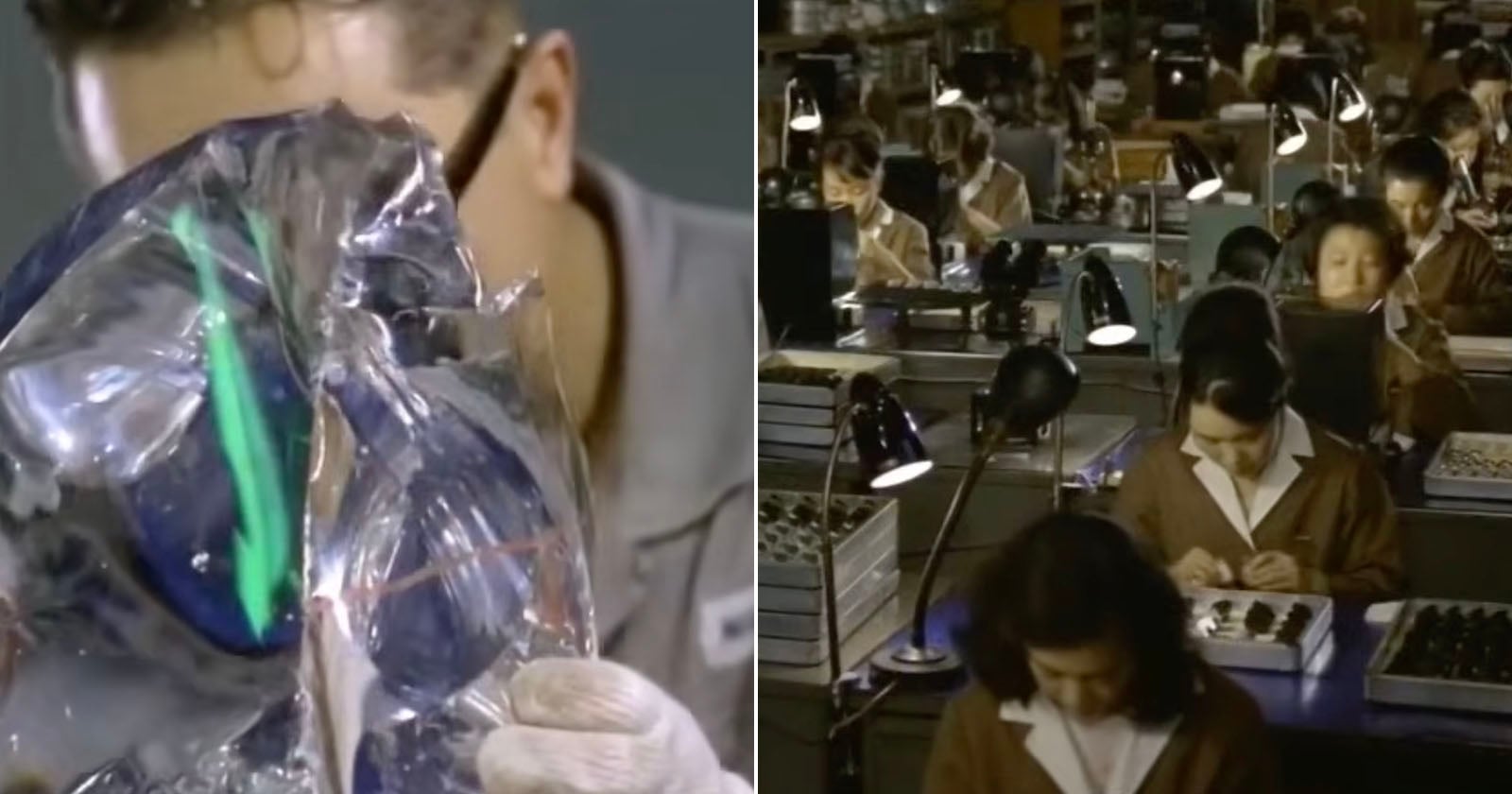
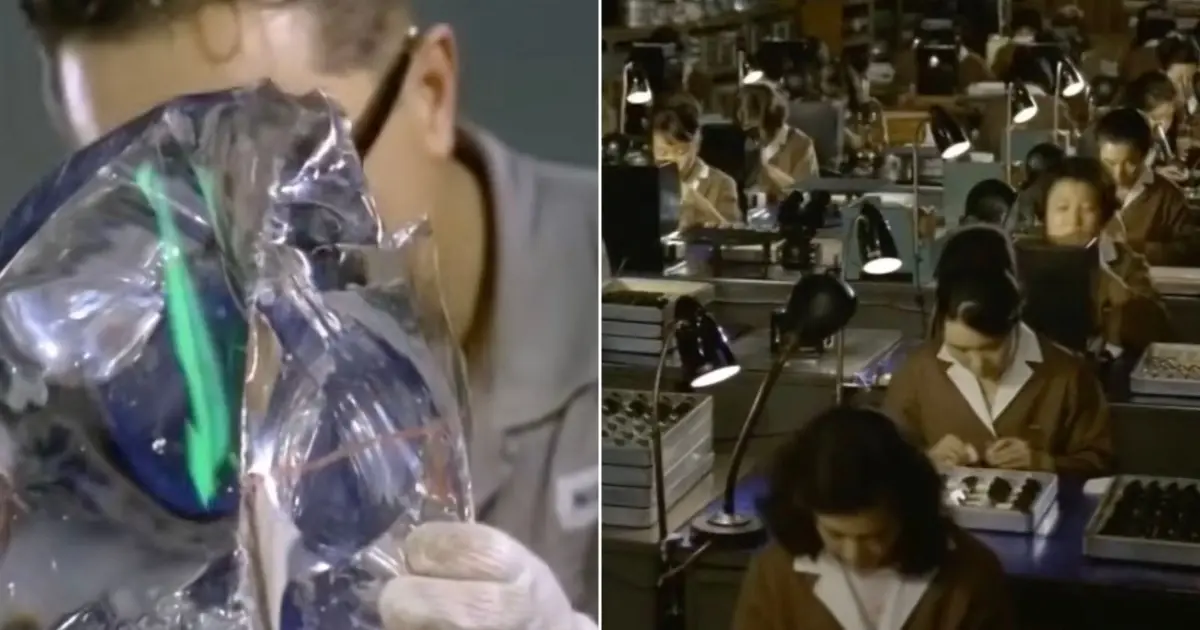
Nearly six decades have passed since Nikon—then operating under its corporate name Nippon Kogaku Kogyo—teamed up with Tokyo Cinema to produce an award-winning documentary. As recently reported by Digital Camera Life, the archival film captures a time when the creation of photographic glass was as much a metallurgical craft as it was a science. While much about optical and camera manufacturing has transformed over the last sixty years, one foundational element remains unchanged: lenses are still fundamentally built from precisely designed glass elements. Even today, certain specialized glass elements are shaped by hand, although that human-centric approach becomes rarer with each passing year.
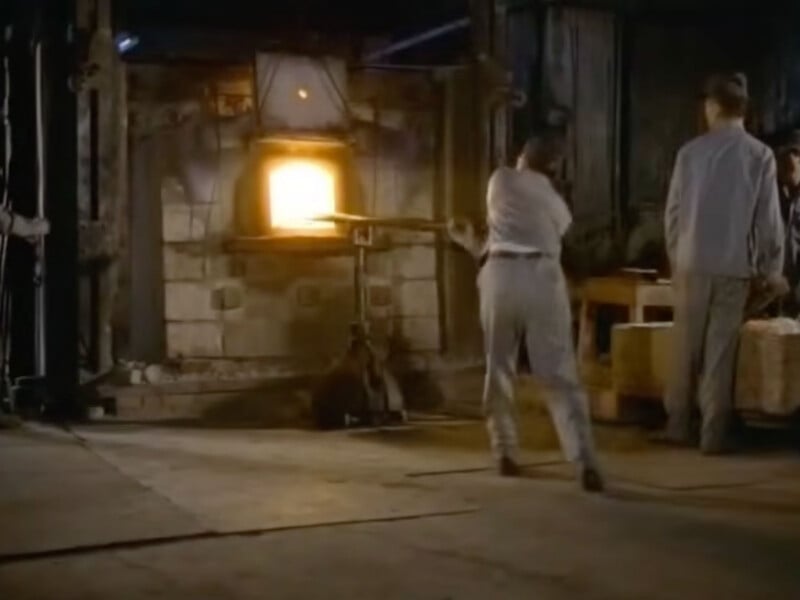
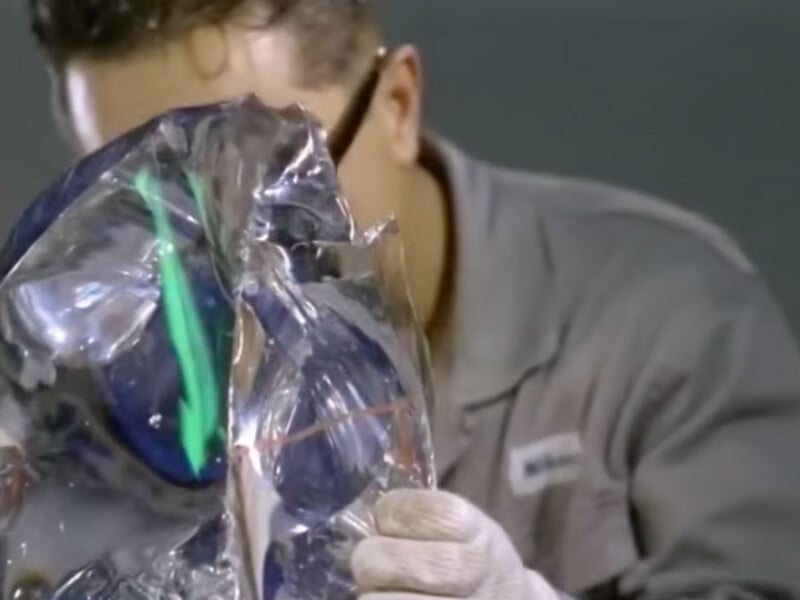
Back in 1966, the production process looked drastically different from today’s automated cleanrooms. Nikon engineers were tasked with breaking chunks of optical glass directly from massive pieces formed inside super-heated industrial crucibles. These batches were created using high-quality silica sand combined with over a dozen other raw materials melted down at extreme temperatures. Once extracted, this in-house glass was superheated yet again, shaped using heavy industrial presses, and then subjected to meticulous manual polishing and finishing. Artisans worked with a precision down to just a couple of micrometers—equating to a mere one-thousandth of a millimeter—ensuring that every surface met exacting optical standards.
Once the individual glass elements were successfully ground, polished, and inspected, they faced their next major hurdle: integration. The glass pieces had to be placed with extraordinary care into their respective lens barrels, a delicate assembly task that required the utmost human precision. Even a tiny, virtually imperceptible error during this barrel-assembly phase could severely compromise alignment and utterly ruin the final image quality of the optic.
The archival documentary, titled "The Eye of Science," was made in 1966 and went on to win the Japan Industrial Film Contest Encouragement Award in 1967. While the manufacturing methods of that era were labor-intensive and far less automated than contemporary assembly lines, the vintage glass they produced is no less special or desirable to modern creators. In fact, a vibrant market and cultural appreciation persist around these classic 60-year-old Nikon lenses.
Many contemporary photographers, and particularly professional cinematographers, actively covet these vintage pieces. While modern lenses prioritize clinical sharpness, high contrast, and the near-total suppression of optical aberrations, vintage glass offers a different aesthetic value. These older lenses are celebrated for being sharp yet full of character, producing dynamic and unpredictable flares that modern lens designs have virtually eliminated through advanced coatings and aspherical elements. In the eyes of many visual storytellers, a touch of optical imperfection is precisely what makes a vintage lens the ideal creative choice for a project.
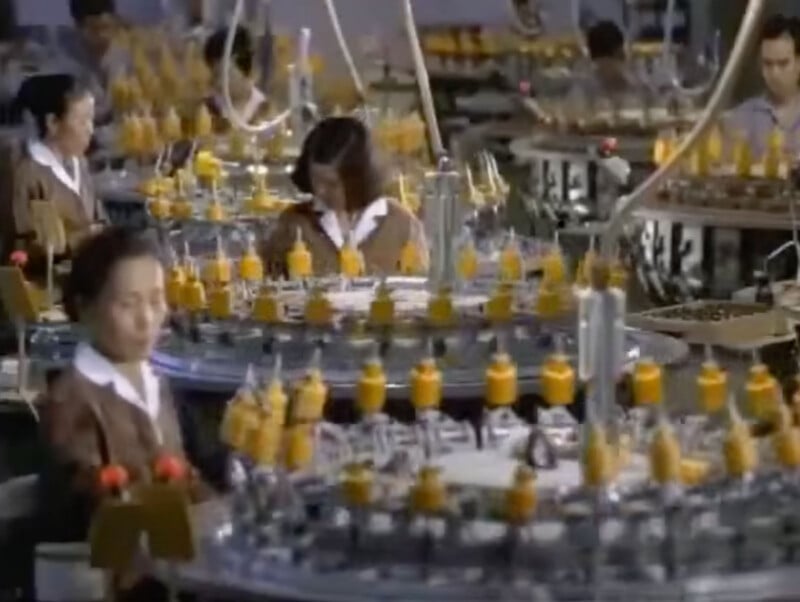
Beyond its deep dive into optical physics and glass pouring, the award-winning 1966 documentary also provides a rare behind-the-scenes look at historical camera manufacturing. Viewers of the archival film can watch Nikon engineers painstakingly assemble iconic camera bodies like the Nikon F and the Nikon F Photomic T. Each of these legendary mechanical cameras required over 1,000 individual parts, assembled by hand with incredible patience and skill.
Remarkably, many of these vintage cameras still survive today in fully working order, continuing to be actively used by analog photography enthusiasts around the world. It provides a striking contrast when considering contemporary manufacturing, as it remains difficult to imagine digital cameras produced today surviving in active, everyday use six decades from now.