Following the massive response to their hit session at OFFF Barcelona earlier in the spring, Stash brought its acclaimed "Breaking Through" panel to OFFF Montreal on September 2, 2026. Featuring a fresh lineup of industry authorities, the panel tackled the perennial challenges faced by modern studios and independent creatives: how to capture visibility, secure representation, win competitive pitches, and land dream projects in a crowded global marketplace.
Just as it did in Barcelona, the live event generated an overwhelming volume of audience inquiries through the Q&A portal, far exceeding the time limits of the stage session. To address the overflow of questions from eager attendees, Stash has compiled the panelists’ insights into a comprehensive multi-part follow-up feature, with Part 1 unpacking critical discussions on the real value of awards and how professionals can accurately gauge momentum in their creative careers.
The Panel and Context
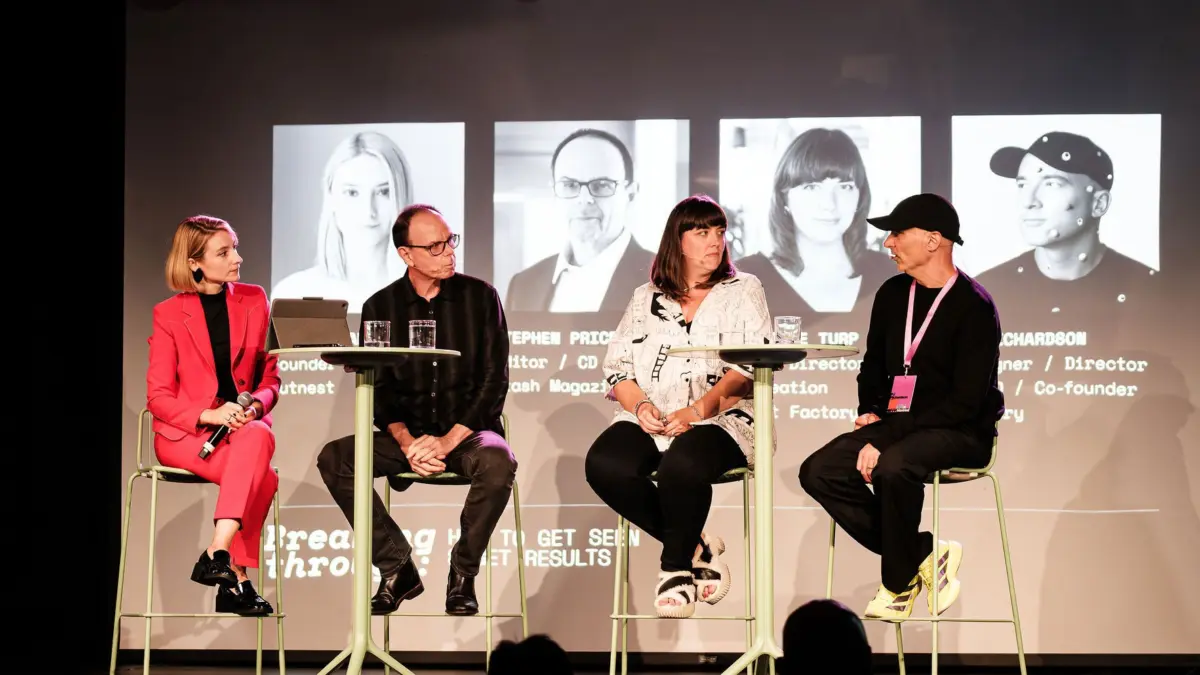
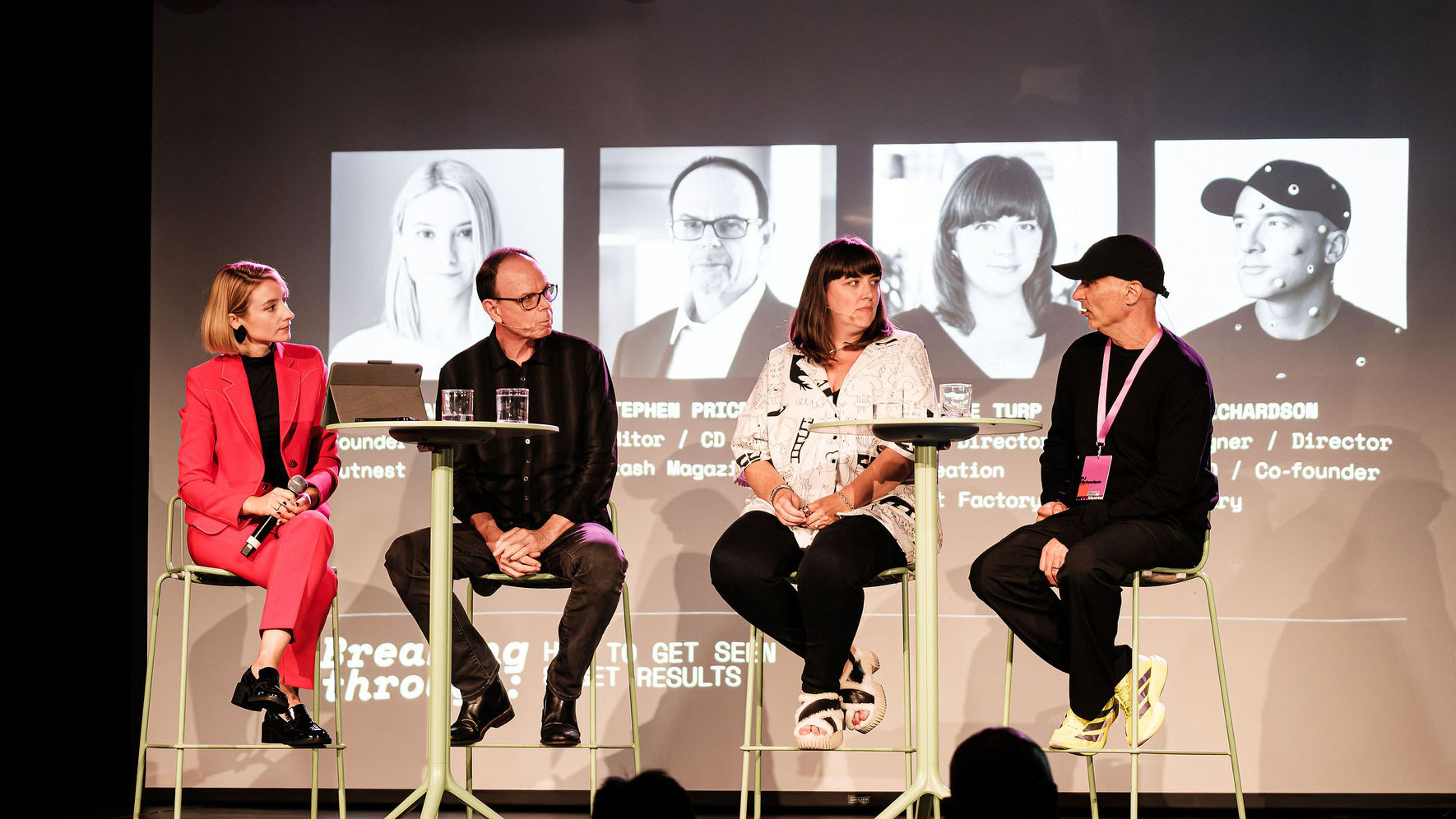
The September 2 session at OFFF Montreal was moderated by Lidia Scarlat, founder of Outnest, executive creative producer, and artist curator. The distinguished panel brought together diverse perspectives from across the design, media, and publishing landscapes, featuring Stephen Price representing Stash Magazine, Catherine Turp from Moment Factory, and PJ Richardson representing Laundry.
The core premise of the "Breaking Through" series has always been to strip away the mystique surrounding agency growth and creative success, offering transparent advice on navigating the modern commercial art and design industries. As creative markets continue to evolve amid shifting economic landscapes and emerging technologies, the insights shared by Scarlat, Price, Turp, and Richardson provide a vital roadmap for individuals and studios trying to make their mark.
Navigating the Complex World of Creative Awards
One of the most debated topics among the panelists and the audience alike was the role of awards in a creative career or studio practice. While industry accolades are often marketed as the ultimate validation of creative excellence, the panelists offered nuanced, sometimes pragmatic views on whether awards truly matter and how professionals should approach them.
Catherine Turp of Moment Factory acknowledged that awards can undeniably create valuable visibility, enhance market credibility, and attract a broader audience. However, she firmly cautioned against building a business practice or creative philosophy around the pursuit of trophies. According to Turp, if a studio or artist wants their work to be recognized at the highest levels, the primary focus must remain on building a distinctive and authentic body of work, rather than attempting to reverse-engineer what competition juries might be looking for in a given year.
Stephen Price of Stash Magazine offered a similarly grounded perspective, noting that awards matter primarily if an individual or team decides they want them to matter. In daily professional life, awards serve as effective LinkedIn credentials, physical shelf fillers, and ego boosters. Price emphasized that these are all entirely valid motivations, and acknowledging that winning awards simply feels good is part of an honest professional dialogue. At the same time, he issued a warning—particularly relevant within the advertising sector—that the sheer volume of existing awards can sometimes create a confusing, shiny haze of hardware that dilutes individual distinction.
Addressing the unpredictability of the submission process, PJ Richardson of Laundry admitted that his studio has no reliable sense of what wins and what does not. Richardson noted that projects the team expects to perform well often fail to secure recognition, while submissions that feel like a gamble frequently achieve unexpected success. From his experience, work that embraces higher risks or leans closer to personal artistic exploration tends to resonate more strongly with competitive juries.

Adding a broader perspective, moderator Lidia Scarlat pointed out that international awards can carry immense weight, particularly for creators and studios operating in smaller regional markets where local recognition opportunities are scarce. Beyond the physical trophies, Scarlat highlighted the hidden value of the jury process itself, noting that senior industry leaders are exposed to a studio’s capabilities simply by reviewing submissions, regardless of whether a project ultimately takes home a prize. Furthermore, she emphasized the importance of internal culture when recognition does arrive: whenever an award is won, the achievement should be shared directly with the entire team, ensuring that every person who contributed to building the work receives proper credit and a moment of shared celebration.
Measuring Momentum: Knowing When You Are on the Right Track
Transitioning from external validation to internal metrics, the panel explored the eternal challenge of how creators and studio leaders can definitively know whether they—and their projects—are moving in the right direction.
Catherine Turp described the experiential indicators within the creative process itself, noting that during a project, a team can usually sense they are on the right track when the core concept begins generating concrete answers rather than opening up endless new questions. When a central idea is sufficiently robust, critical decisions regarding design, technology, sound, physical space, and user interaction start to connect and fall into place naturally.
However, Turp also demystified the anxiety of the unknown, explaining that some of the absolute best projects maintain a state of uncertainty for quite a long time. At Moment Factory, this phase is embraced as the "Journey into the Unknown," where not knowing the exact destination from the very beginning is recognized as an essential and productive part of the creative process.
Lidia Scarlat approached the question through a rigorous operational lens, evaluating project momentum using a balanced formula of time, budget, quality, and overall happiness for both the internal team and the client. If all four pillars are holding firm, a project can be considered securely on track. To that foundation, Scarlat added a crucial fifth element: adaptability. Because plans invariably shift in dynamic production environments, a truly healthy project must be capable of anticipating and absorbing inevitable changes through proactive, transparent communication.
For Stephen Price, understanding momentum is a matter of practical experience. He noted that the more creative work an individual produces and the more mistakes they inevitably make along the way, the stronger their professional confidence and gut instincts become. Price argued that navigating a sustainable creative career requires a combination of both tested confidence and refined intuition to accurately sense when momentum is driving forward in a productive direction.
Addressing the corporate side of creative survival, PJ Richardson of Laundry noted that while many studio leaders search for a single, simple recipe to eliminate the stress of industry uncertainty, no such formula exists, especially given how rapidly the commercial landscape changes. Instead, Laundry has found success through detailed, aggressive preparation and relentless communication. While acknowledging that administrative rigor can sound dry, Richardson explained that maintaining meticulous detail in everything from pitch decks and project postings to sales tracking and marketing creates a foundational sense of certainty, even when dealing with inherently volatile creative undertakings.
The insights from the OFFF Montreal session underline the reality that breaking through in the modern creative industry requires a delicate balance of authentic self-expression, rigorous operational discipline, and emotional resilience. As the creative community looks ahead, Part 2 of Stash’s follow-up series from OFFF Montreal 2026 will be published next week, with preparations already underway for the next major gathering at OFFF Barcelona 2027, scheduled for May 6 through 8.