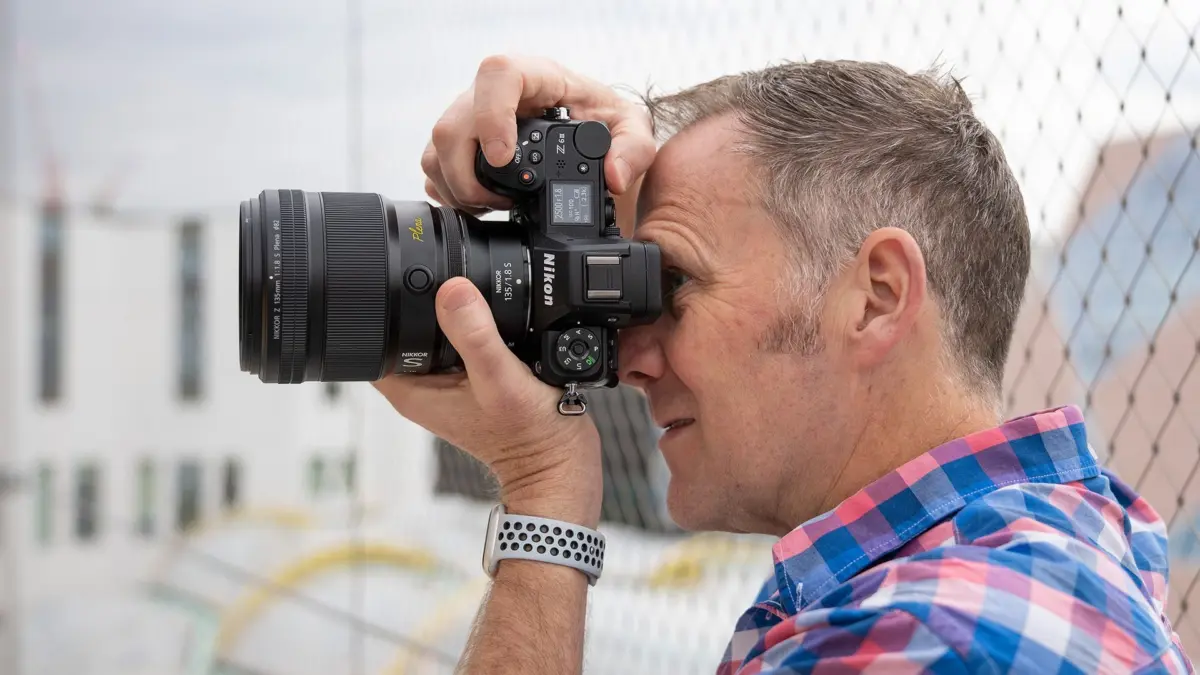
For many modern visual creators, the digital footprint is a deliberate choice, but for veteran photographer and reviewer Mike Harris, social media has never been a primary driving force behind the lens. While platforms like Facebook remain dormant, and networks such as TikTok and X are bypassed entirely, his presence on Instagram is kept intentionally casual. Despite this light digital footprint, Harris has recently noticed a profound, subconscious shift in his own photographic habits—one that mirrors a broader evolution in contemporary media consumption. Without consciously planning it, he is shooting vertically far more often than ever before.
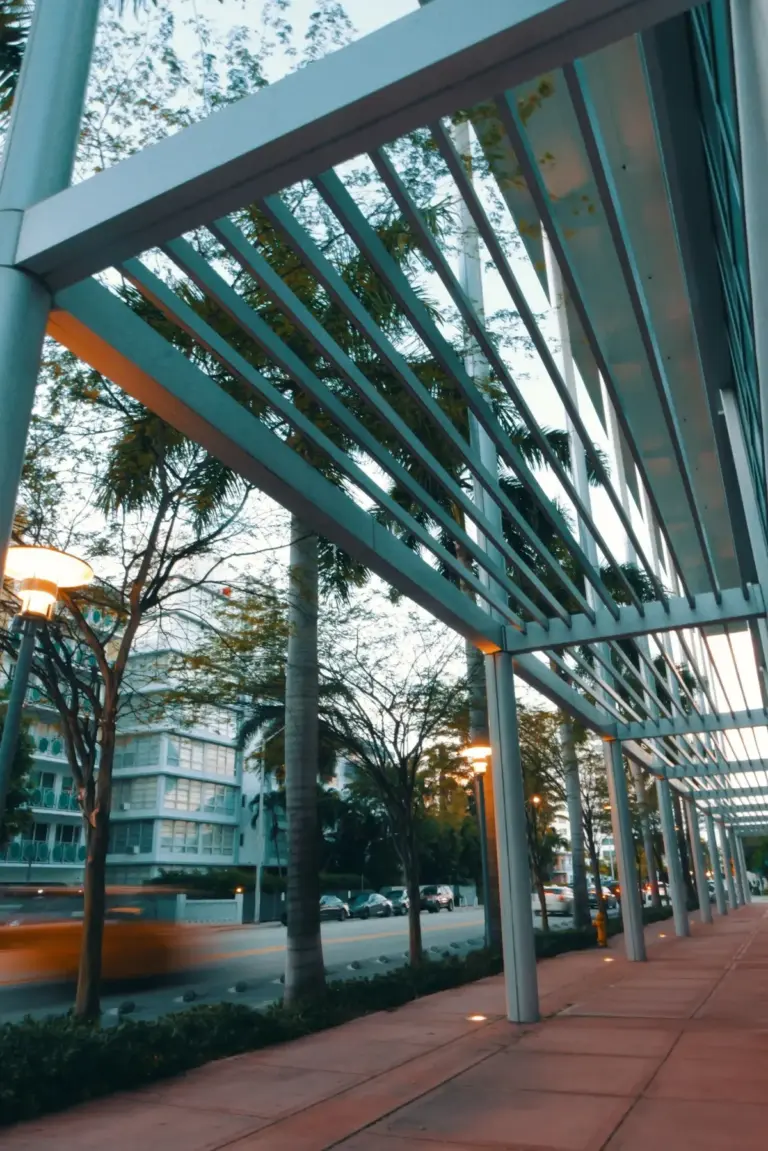
This realization came into sharp focus during a recent weekend assignment reviewing the Nikon Z5IIC mirrorless camera. Reviewing cameras in a compressed timeframe rarely affords the luxury of elaborate planning, ideal weather conditions, or multi-day shoots. Instead, reviewers must make the most of whatever environment and light are immediately available to produce a viable collection of images. Despite these inherent time constraints, Harris managed to capture a solid, representative series of street photographs to accompany his hardware review.

It was only later, when organizing and importing those images into the layout of the article, that a striking pattern emerged. Nearly every single street photograph he had selected was shot in portrait orientation. Intrigued by this discovery, he began auditing his other recent photographic outings, uncovering a distinct and consistent trend.
While certain genres of photography naturally dictate a specific orientation—motorsports and wildlife, for instance, remain overwhelmingly weighted toward traditional landscape layouts—other styles tell a different story. For street photography, travel documentation, and general everyday walkaround shooting, Harris found that his camera was increasingly being tilted on its side.
This behavioral shift prompted deeper reflection on the nature of intentionality in photography. Photographers strive to reach a level of mastery where every single facet of a captured image—from exposure and focal length to framing and composition—is a deliberate, conscious decision. Yet, upon examining his growing portfolio of vertical frames, Harris recognized that his pivot toward portrait orientation was often driven by a simpler, more pragmatic underlying factor: convenience.

Shooting vertically is by no means inherently inferior; some of the most celebrated and compelling photographs in history are composed in portrait orientation. Furthermore, many acclaimed photographers routinely favor vertical framing as their default perspective. However, the unexpected element was how seamlessly the habit had crept into his workflow without deliberate oversight.
When taking photographs out in the bustling environment of a city street, landscape-orientation photography often demands more rigorous composition and planning because of the sheer amount of visual information it encompasses. Fitting a wide scene horizontally requires managing multiple background elements, complex spatial relationships, and potential visual clutter on the left and right edges of the frame.
Conversely, vertical framing naturally simplifies certain compositional challenges. When shooting in portrait orientation, it is remarkably easy to wind up with large expanses of empty floor space or vast stretches of sky. While minimalist landscape photographers can leverage this empty space to dramatic effect, it generally proves less effective for standard travel and urban documentation. An immediate and intuitive workaround for this issue is simply stepping closer to the subject to fill the frame.
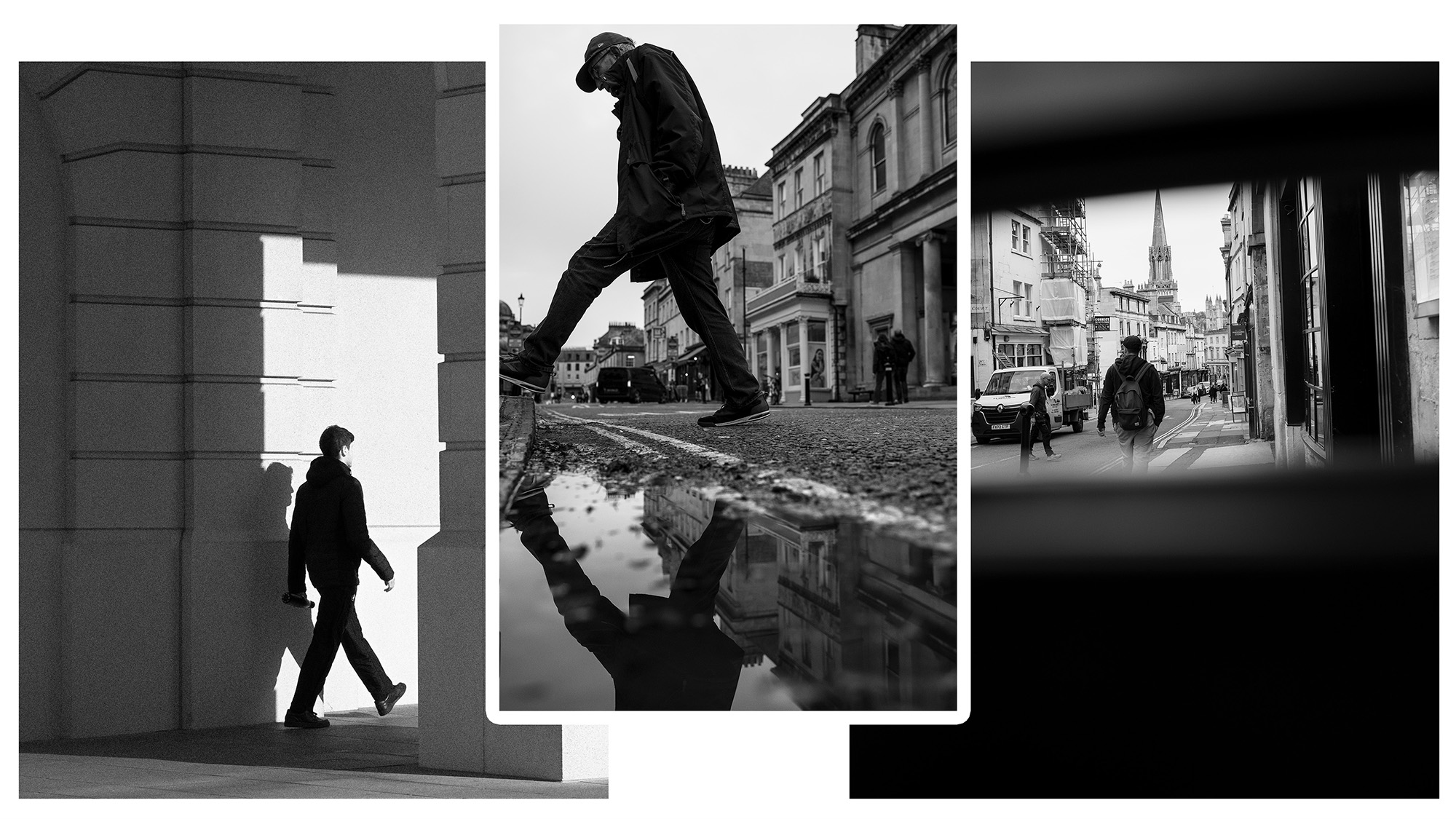
The built environment is largely populated by vertical subjects. People, architectural arches, towering street lamps, doorways, and telephone boxes all share a tall, narrow geometry. By turning the camera vertically, a photographer can quickly isolate these subjects and achieve a clean, compelling composition simply by decreasing the physical distance between themselves and the target. While it is technically possible to apply a similar isolation technique using a landscape orientation, doing so is considerably more difficult in practice.
Attempting to isolate a tall, narrow subject in a landscape frame usually results in awkward, dead negative space lingering on either side of the subject. Overcoming this requires either stepping back and utilizing a much longer telephoto lens or moving uncomfortably close to the subject to crop out the horizontal excess. Consequently, portrait orientation often functions as an easier, more streamlined workaround for capturing dynamic everyday subjects.
This subtle behavioral shift points back to the broader cultural landscape. The explosion of social media short-form video content, mobile-first platforms, and vertically oriented digital displays has saturated modern visual culture. Over the past decade, viewers have been relentlessly exposed to portrait-format media across virtually every digital touchpoint, from smartphones and tablets to digital billboards and advertising displays.
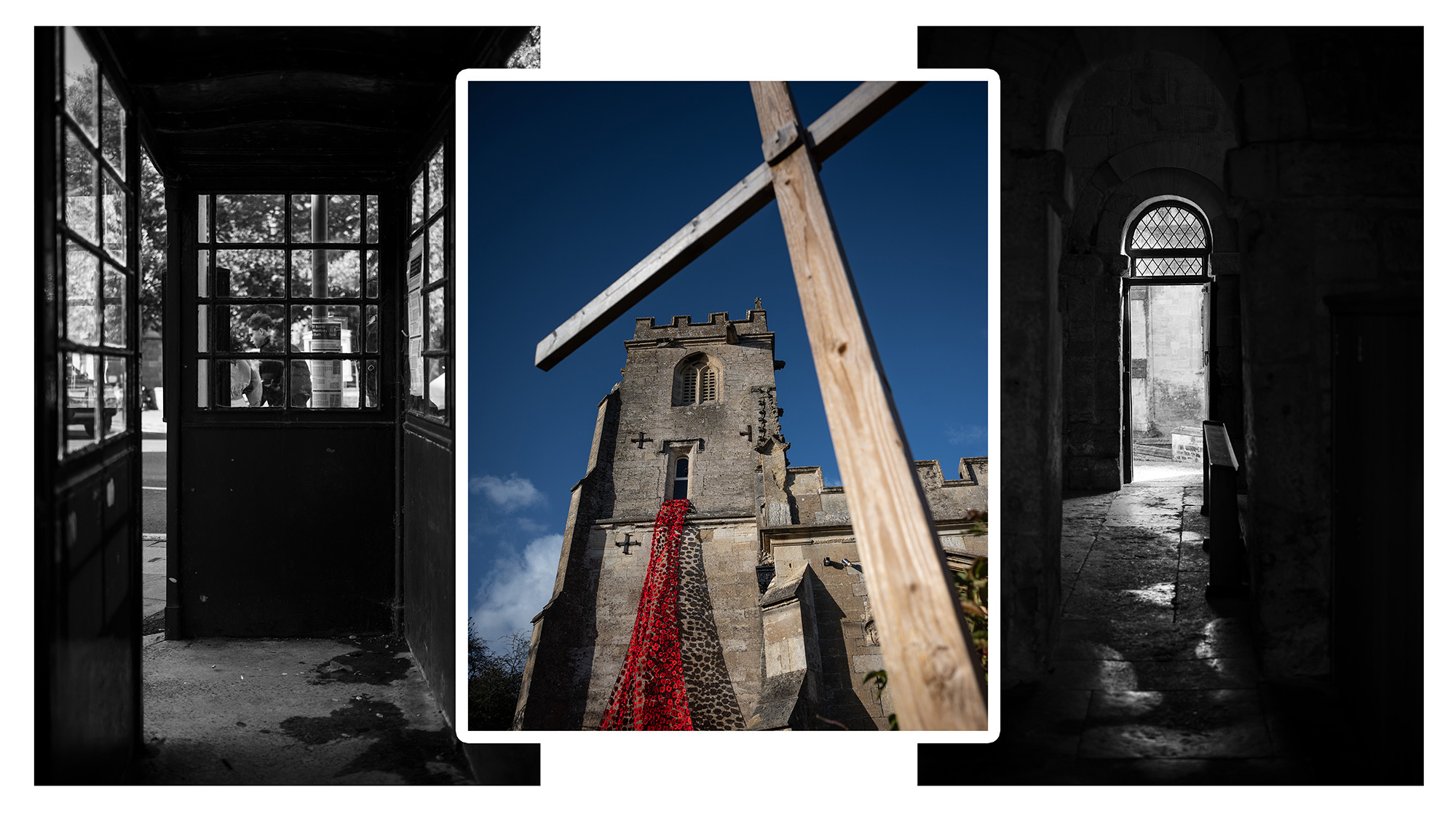
It stands to reason that this omnipresent exposure has subtly rewired contemporary visual sensibilities, creating a predisposition toward vertical composition among modern creators. Harris points out that this phenomenon is likely no different from the historical shift toward landscape orientation during the mid-to-late 20th century, which was heavily influenced by the rise of widescreen cinema, television screens, magazine double-page spreads, and horizontal outdoor billboards. Just as past generations of photographers were subconsciously shaped by the horizontal formats dominating their physical and cultural environments, today’s visual storytellers are operating under the influence of the vertical screen.
Ultimately, this realization offers a humbling reminder of how external media environments subtly guide creative output. Whether these vertical compositions represent a genuine evolution in artistic vision or simply a convenient adaptation to modern visual habits, they highlight the complex ways technology and culture continually reshape the creative process.