In the vast expanse of digital role-playing games and sprawling open-world adventures, players rely on non-player characters to guide them through dark dungeons, narrative twists, and expansive plots. Yet, not all questgivers are created equal. While some NPCs offer profound lore, genuine charm, or essential items, others test the absolute limits of player patience through endless fetch quests, grating voice acting, or suffocating gameplay restrictions.
Moira Brown from Fallout 3 often bears the brunt of player frustration. As the Capital Wasteland’s most relentlessly chipper inventor, she dispatches players into perilous situations to compile research for her infamous publication, the Wasteland Survival Guide. While her constant optimism provides a stark and welcome contrast to the grim desolation of the post-apocalyptic landscape—not to mention rewarding players with an armored Vault suit and establishing an item that persists in New Vegas and Fallout 4—she remains a polarizing figure.
However, Moira Brown’s minor inconveniences pale in comparison to the pantheon of truly obnoxious video game characters designed to test a player’s sanity. Across decades of gaming history, certain questgivers stand out as the absolute worst offenders in the medium.
Zero
Grand Theft Auto: San Andreas
Rockstar Games has long specialized in populating its open-world titles with eccentric, high-maintenance personalities. In Grand Theft Auto: San Andreas, protagonist Carl Johnson is forced to endure cutscenes assisting some of the most grating individuals imaginable. While wannabe MC and janitor OG Loc offers stiff competition, Zero takes the crown as the ultimate tormentor.
Operating a remote-controlled hobby shop embroiled in a petty war with a rival named Berkley, Zero is a shrill parody of a stereotypical nerd. He shrieks frantic dialogue across communication channels, most memorably shouting, "Curse you, Berkley, curse you!" His notoriety is cemented by the infamous mission "Supply Lines," which requires players to pilot a fragile model biplane to shoot down Berkley’s delivery drivers. Compounded by the notoriously difficult flying controls of San Andreas and an aggressively draining fuel gauge, the mission pushes players to their breaking point. Even David Cross, the comedic actor who voiced Zero, has openly acknowledged the character’s grating delivery, admitting in interviews that it features "the most annoying voice you could ever imagine" and confessing that he has never managed to finish the mission himself.
Falcar
The Elder Scrolls IV: Oblivion
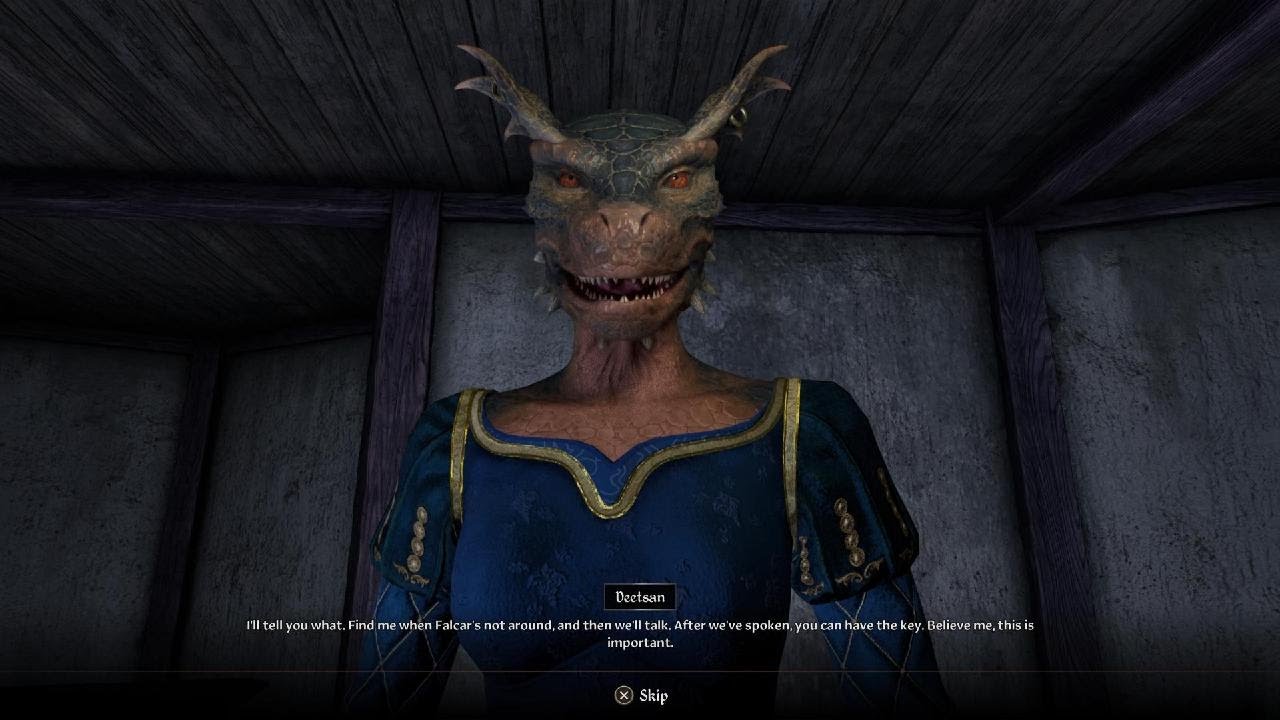
While conventional wisdom for The Elder Scrolls IV: Oblivion suggests steering away from the main questline in favor of robust factions like the Thieves Guild, Dark Brotherhood, or the Shivering Isles, taking that advice too literally can lead players straight into the Mages Guild. Earning membership requires traveling to every guildhouse in Cyrodiil to secure a recommendation, a process that frequently subjects players to tedious bureaucratic errands and petty pranks.
Among these local guild leaders, Falcar of Cheydinhal reigns supreme as the most obnoxious. Tasked with retrieving a missing ring, the player discovers that the item has been dropped down a well and enchanted with a crushing 150-point encumbrance. The previous acolyte attempting the retrieval drowned because the weight rendered him unable to climb out—a grim testament to Falcar’s malicious nature. Even after clearing inventory space and consuming appropriate potions to drag the ring to the surface, the effort proves entirely futile. Upon emerging from the well, the player learns that Falcar has fled, having secretly operated as a necromancer all along. Rather than unraveling an engaging narrative about a rogue necromancer within the ranks, the player is left wrapping up a literal, punishing fetch quest.
The Riddler
Batman: Arkham Knight
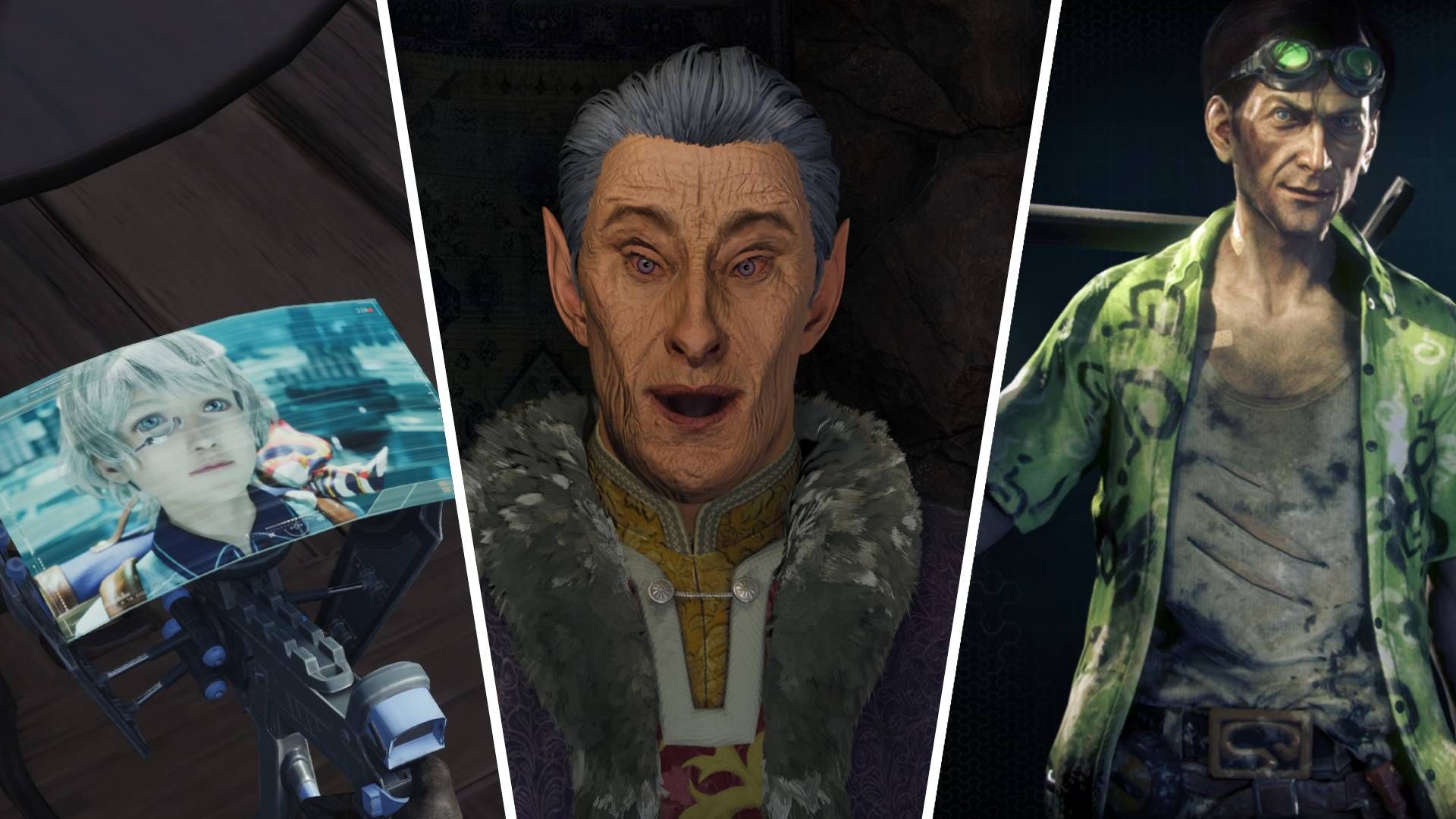
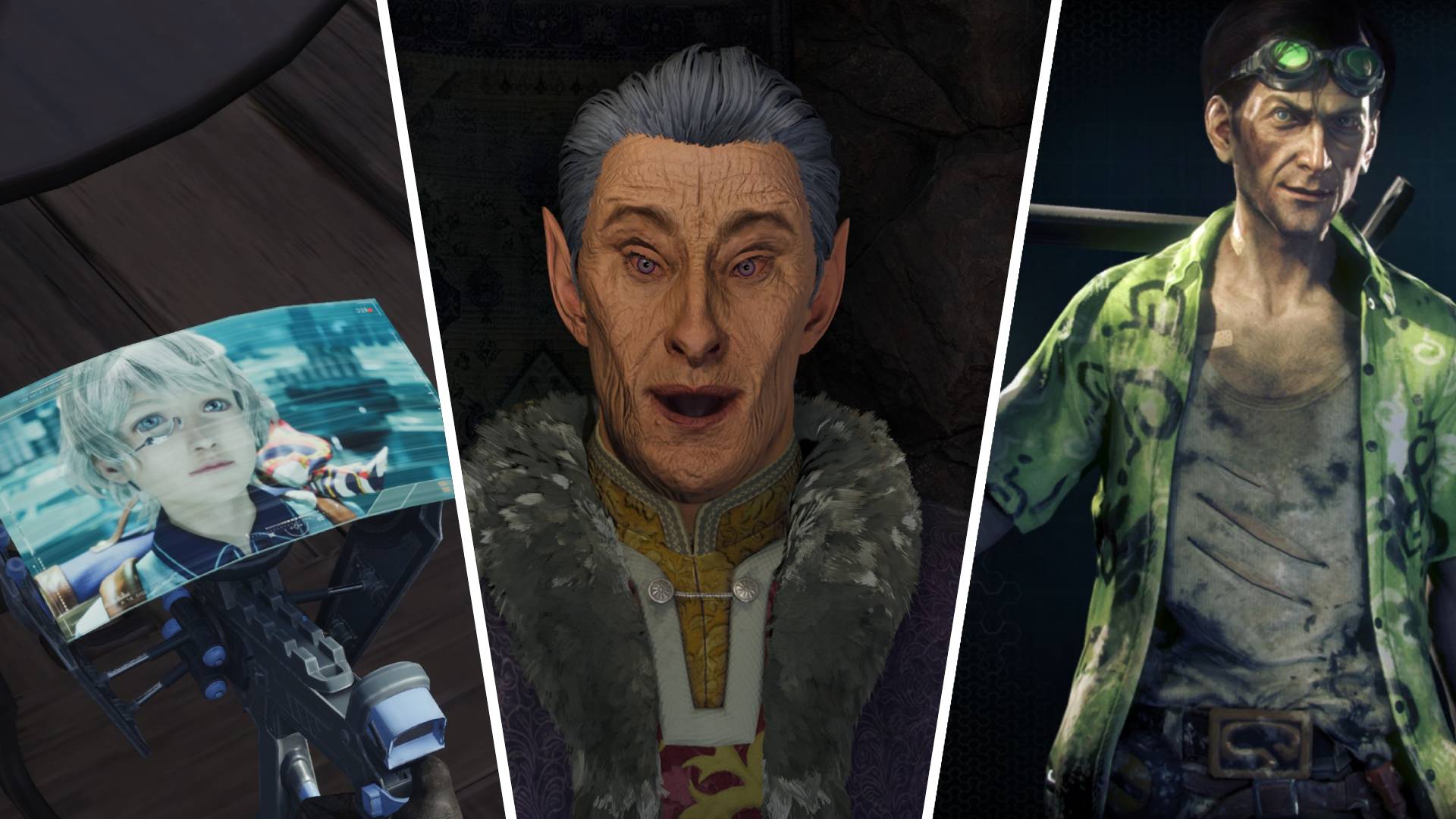
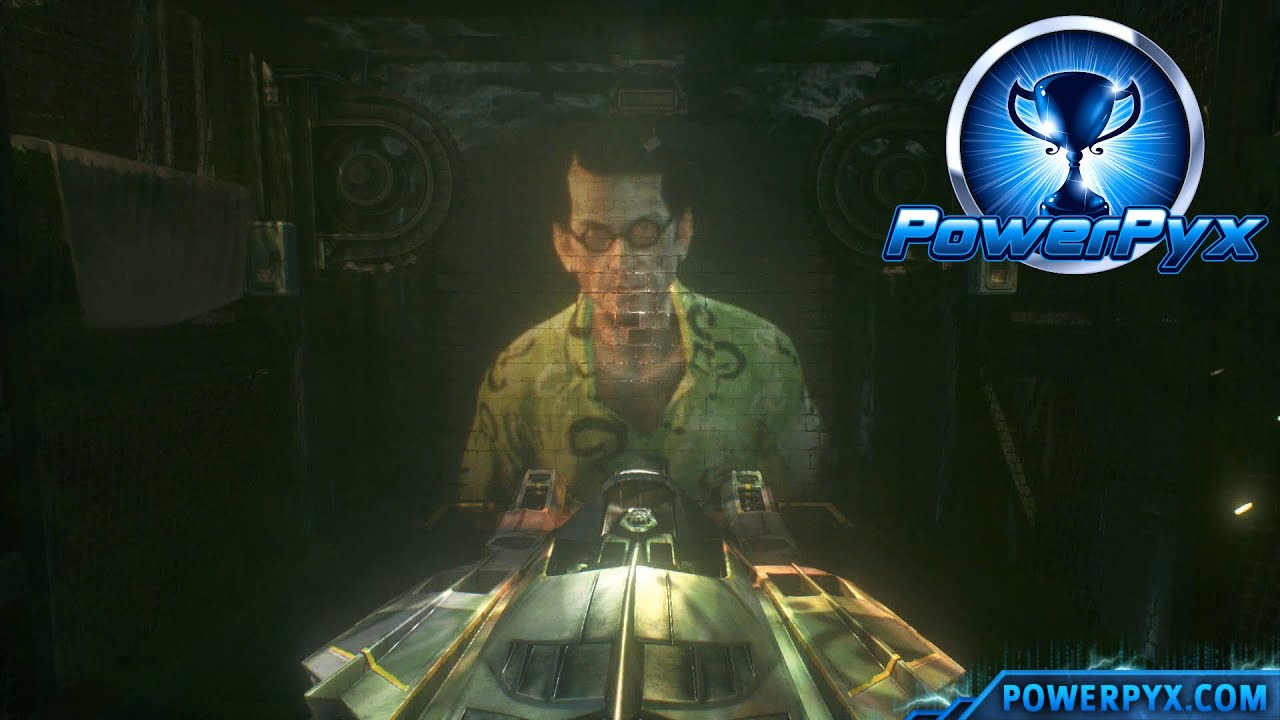
Before recent cinematic adaptations reimagined Gotham’s iconic intellect as a brooding, Zodiac-inspired killer, the video game iteration of the Riddler underwent a steady decline. Throughout Rocksteady’s Arkham series, Edward Nigma transformed from a sophisticated criminal mastermind into a shabby, desperate nuisance.
By the time Batman: Arkham Knight arrives, the Riddler is reduced to an oily mechanic constructing elaborate racetracks for the Batmobile and forcing Catwoman to navigate lethal deathtraps. Alongside these mandatory vehicular trials, players must hunt down hundreds of collectibles scattered across the city and solve taxing environmental riddles through precise photo captures. Completing this mountain of tedious busywork is an absolute requirement for unlocking the game’s true ending, turning what could have been clever side content into an exhausting endurance test.
Rider the Miner
Rune 2
Medieval poetic boasting, known as flyting, gained widespread recognition through games like Assassin’s Creed Valhalla. However, Human Head Studios explored a similar mechanic a year prior in the Viking action-adventure Rune 2, which enjoyed a far smaller audience.
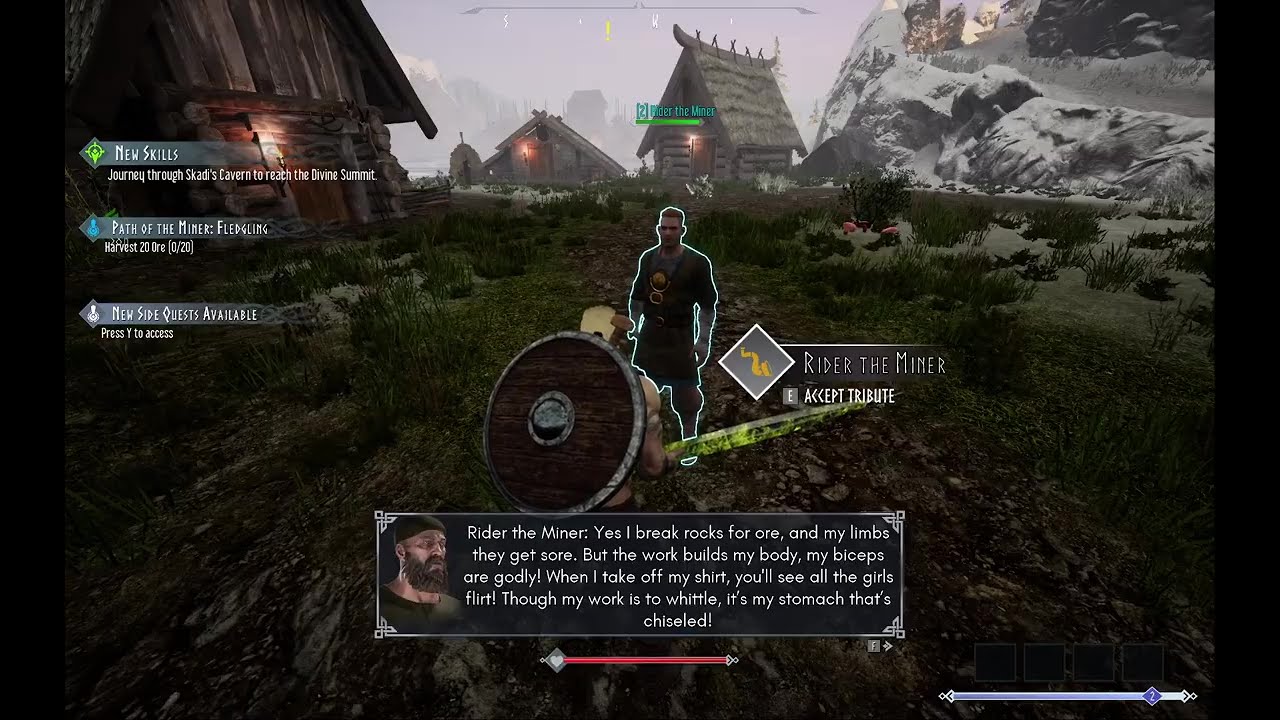
The game features a collection of eccentric and poorly received NPCs, headlined by Rider the Miner. Speaking entirely in relentless, over-emphasized rhyme, Rider delivers lines that evoke the cadence of an amateur playground rap. When he is not boasting about his physique or explaining why he is whittling wood while unemployed due to a closed mine, he is demanding that the player embark on a quest. Despite his poetic affectations and bardic flair, the resulting mission simply requires the player to mine basic ore, offering no narrative connection to the skaldic traditions he seemingly represents.
Chadley and Mai
Final Fantasy 7 Rebirth
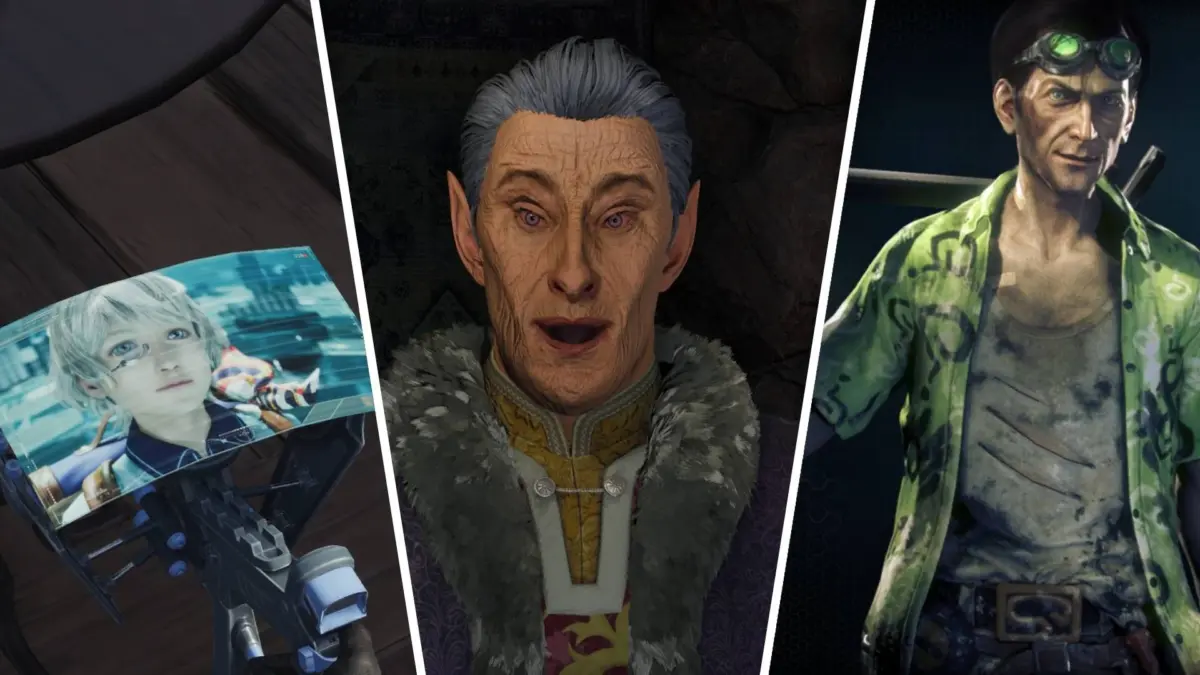
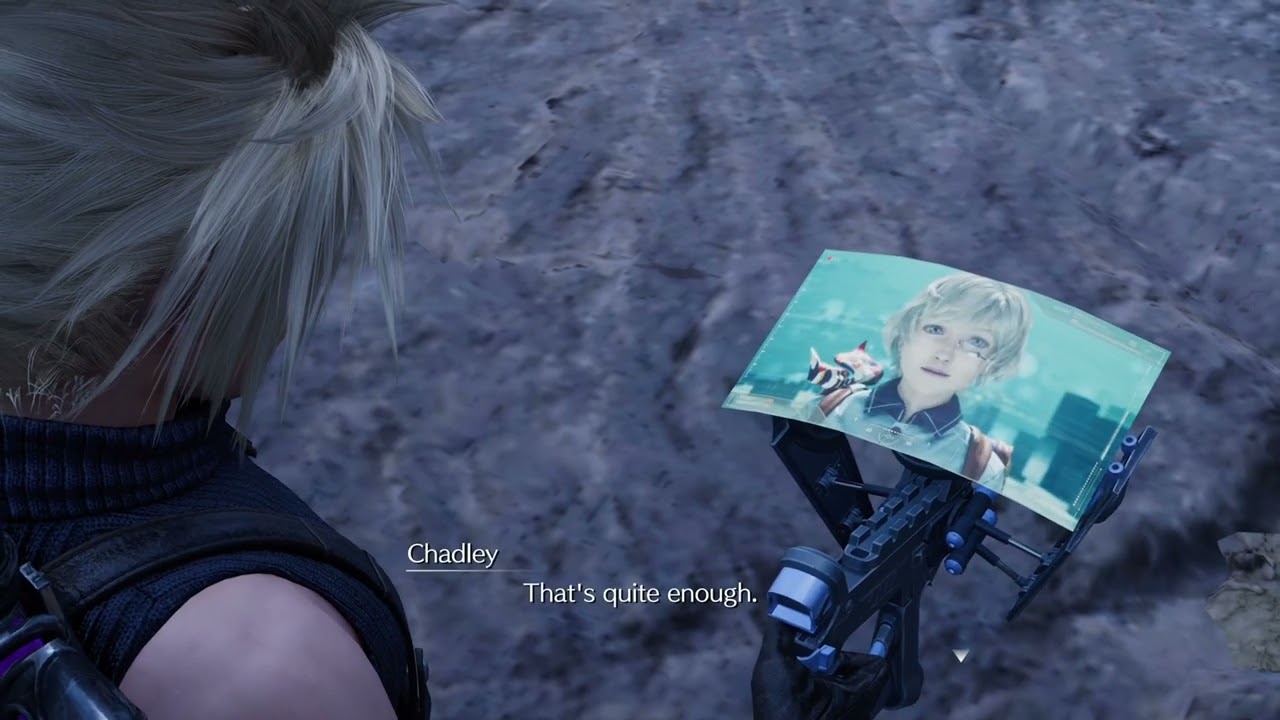
Final Fantasy 7 Rebirth is a massive adventure filled with extensive side content, but much of that optional exploration is funneled through Chadley. Appearing constantly on the player’s wrist-mounted screen, this analytical youth narrates tower-climbing expeditions, lifespring investigations, photorelic hunts, summon battles, and combat challenges. His frequent interruptions and squeaked greetings frequently pull players out of the moment for updates that easily could have been delivered through a simple menu prompt.
The addition of Mai—a gender-flipped counterpart who joins the fray—only compounds the frustration, effectively doubling the conversational baggage. Instead of a single backseat driver, players find themselves managing a pair of relentless voices offering constant commentary during open-world exploration.
Preston Garvey
Fallout 4
In Fallout 4, Preston Garvey suffers less from outright hostility and more from being surrounded by some of Bethesda’s most memorable companions. Characters like Nick Valentine, Codsworth, Curie, John Hancock, and Cait possess distinct personalities, compelling backstories, and rich dialogue. By comparison, Preston functions primarily as a mouthpiece for the Minutemen, dedicated entirely to dispatching the player to repeatedly rescue vulnerable settlements across the Commonwealth.
While companions in the game feature affinity systems that react dynamically to player actions such as lockpicking, theft, drug use, or kindness, Preston’s rigid moral compass offers few surprises. His disapproval of villainous acts and steadfast dedication to community defense make him a predictable presence, leading many players to seek out more unconventional allies like the Super Mutant Strong.
Sebastian LaCroix
Vampire: The Masquerade – Bloodlines
Unlike many other questgivers designed around mechanical repetition or tedious busywork, Sebastian LaCroix is deliberately written to provoke animosity. As the Vampire Prince of Los Angeles, LaCroix rules the city from an opulent office while constantly barking orders, dismissing the player’s achievements, and utilizing dominant vampire disciplines to force compliance whenever resistance is offered.
When he is not treating the player as a disposable errand runner, LaCroix endlessly complains about the crushing burdens of leadership, lamenting his immortal existence with dramatic flair. Players are not meant to sympathize with the Prince; his entire narrative purpose is to embody the toxic politics and aristocratic arrogance of the Camarilla, ensuring that the friction he causes serves the overarching dark fantasy of the world.