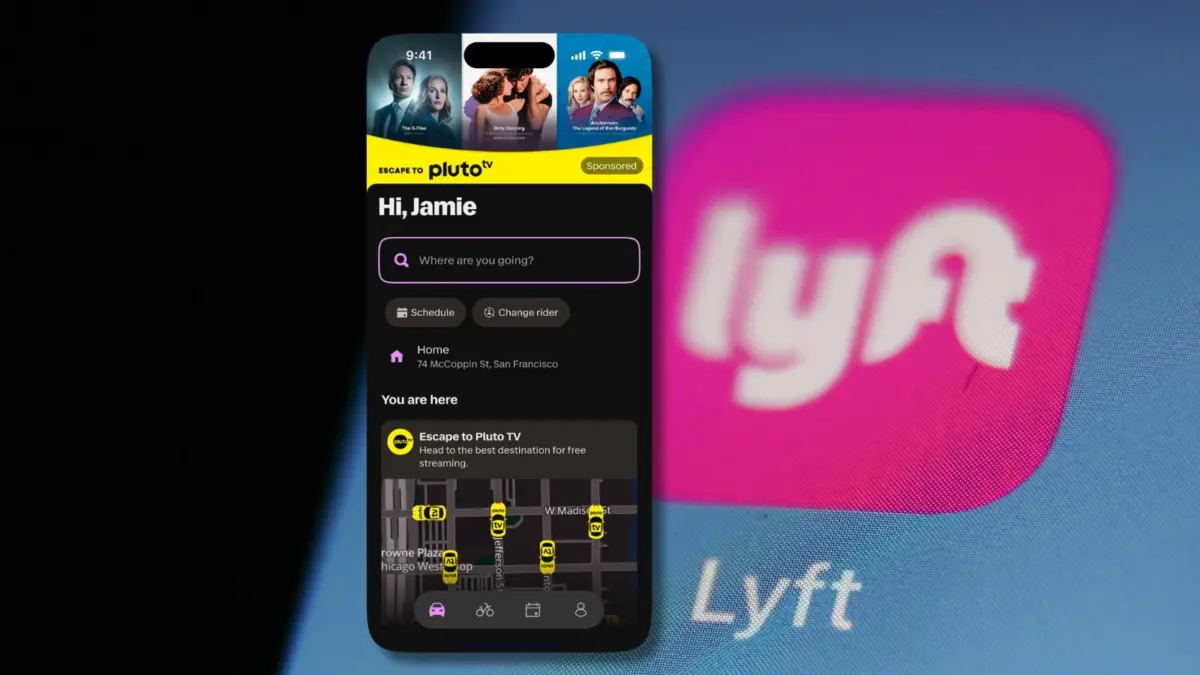
Ride-sharing giant Lyft is currently testing a bold new advertising strategy that allows brands to take complete ownership of the Lyft home screen that users encounter before they even book a ride. The company has officially launched an alpha test for a newly developed ad unit called the "home masthead," marking a significant expansion into high-impact mobile advertising formats.
The introduction of the home masthead represents an evolution in how ride-sharing platforms monetize their digital real estate. As consumer attention becomes increasingly fragmented across digital devices, physical applications with high daily utility—such as transportation apps—are transforming into premium advertising channels. Lyft’s new ad unit sits squarely in this growing ecosystem, offering brands an unmissable canvas right at the starting point of a user’s journey within the application.
According to information shared by Lyft with ADWEEK, the home masthead is being evaluated alongside a suite of other prominent home screen advertising placements that are already accessible to brand partners. These existing options include sponsored vehicle designs integrated directly into the app’s embedded map interface, as well as a splash screen capability that allows advertisers to deploy custom, full-screen animations over the mapping software as the application loads. By introducing the home masthead, Lyft is offering an even deeper level of immersion, effectively handing over the keys to the initial user interface screen to select corporate partners.

To kick off the alpha testing phase of this new feature, Lyft has joined forces with streaming service Pluto TV as one of the inaugural sponsors. The partnership is a central component of Pluto TV’s broader marketing initiative, titled the "Escape to Pluto TV" brand campaign. This major promotional push is designed to draw public attention to a comprehensive redesign of Pluto TV’s user experience, which includes a refreshed product interface and a significantly expanded on-demand library designed to give viewers more entertainment options at their fingertips.
The integration of Pluto TV’s campaign into the Lyft home masthead highlights the strategic synergy between on-demand digital entertainment and mobile transportation apps. Both platforms cater to modern, mobile-first consumers who frequently consume digital media while on the go or transitioning between locations. By placing the "Escape to Pluto TV" messaging directly onto the primary screen riders see when opening the Lyft app, the streaming service can capture immediate visual engagement from users at a moment when they are actively focused on their mobile screens.
The initiative is part of a broader industry trend where ride-sharing and delivery applications are steadily evolving into robust retail media and digital advertising networks. Advertisers are constantly seeking out high-visibility placements that cut through the noise of traditional social media and web-based advertising. Because apps like Lyft are opened multiple times a day by millions of active users who are deliberately planning their travel, these platforms offer a captive audience with high intent.
As the alpha test for the home masthead progresses, industry observers will be closely watching to see how users respond to the heightened level of brand integration on the pre-ride screen. While brands secure unprecedented visibility through full ownership of the interface, platforms like Lyft must carefully balance the commercial value of these high-impact ad units with a clean, frictionless user experience for riders looking to secure quick transportation. The collaboration with Pluto TV serves as the initial testing ground for this balance, setting the stage for how Lyft may manage high-end brand sponsorships on its home screen in the future.