The crowded world of Chinese hi-fi audio—commonly known as the Chi-Fi market—continues to expand at a staggering rate. Industry estimates suggest that more than 200 in-ear monitor (IEM) models are released each year. While filtering through the sheer volume of products can prove overwhelming, focusing on established and quality-driven manufacturers like ZiiGaat, Dunu, Kiwi Ears, Aful, and Juzear narrows that list down to a far more manageable selection of standout offerings.
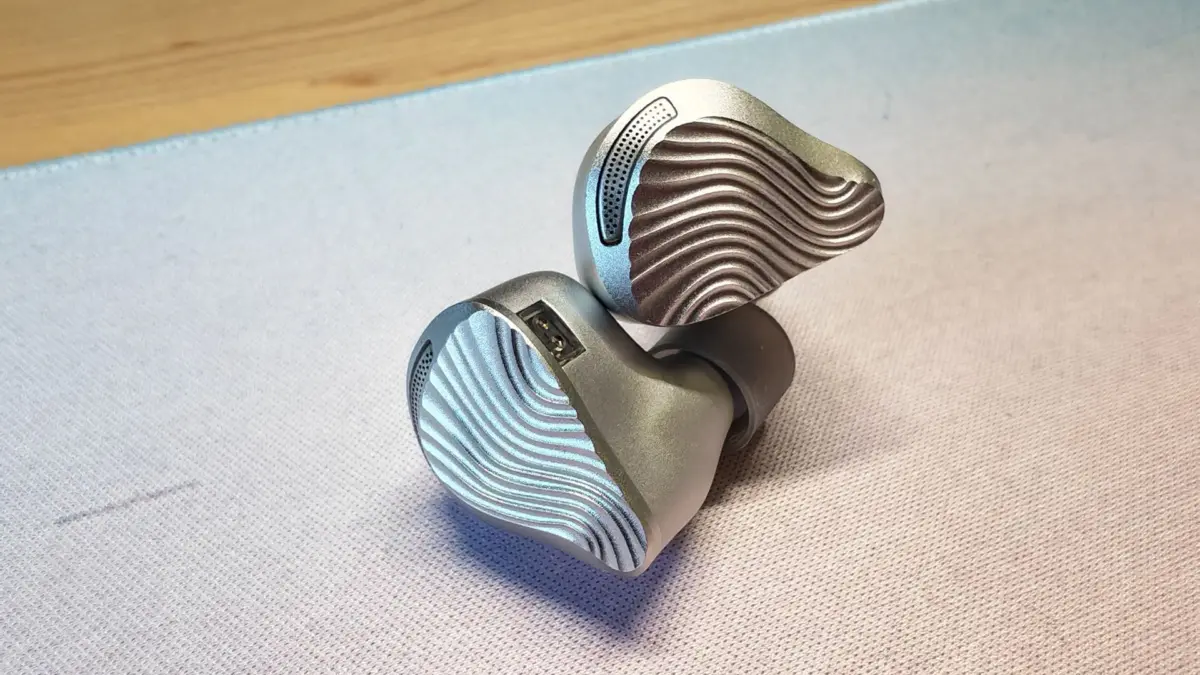
Among the mid-range IEMs to emerge recently, few have generated as much visual anticipation as the ZiiGaat Seraphim. Priced at $259, the Seraphim pairs eye-catching industrial design with an ambitious hybrid driver configuration. Tuned in collaboration with popular audio reviewer Jay Audio, the earphone aims to deliver near-flagship acoustic performance at a price point that remains accessible to budget-conscious audiophiles and enthusiasts alike.
While it sits above traditional entry-level options under $100, the Seraphim establishes a strong position in the competitive mid-fi tier under $500, offering an energetic, high-contrast sound signature housed within premium metal architecture.
Technical Specifications and Hardware Architecture
The ZiiGaat Seraphim incorporates a five-driver hybrid array engineered to balance low-frequency power with high-frequency resolution. Its driver setup combines two dynamic drivers dedicated to the low end with three Knowles balanced armature (BA) drivers handling the midrange and treble registers.
Key Specifications:
- Retail Price: $259
- Driver Configuration: 5 drivers per side (2 Dynamic Drivers + 3 Knowles Balanced Armatures)
- Acoustic Low-Pass Setup: Isobaric dual dynamic driver configuration
- Shell Construction: Full CNC-machined aluminium shells, faceplates, and nozzles
- Interconnect Cable: 1.2m modular cable with interchangeable 3.5mm single-ended and 4.4mm balanced terminations
- Impedance: 9Ω @ 1kHz
- Sensitivity: 125.5dB/Vrms @ 1kHz
- Weight: 5g per earpiece
The technical parameters highlight an exceptionally easy-to-drive monitor. With an impedance of just 9Ω and a sensitivity of 125.5dB/Vrms at 1kHz, the Seraphim requires minimal voltage to achieve substantial listening volumes, making it compatible with portable dongles as well as dedicated desktop setups.
Build Quality, Design, and Ergonomics
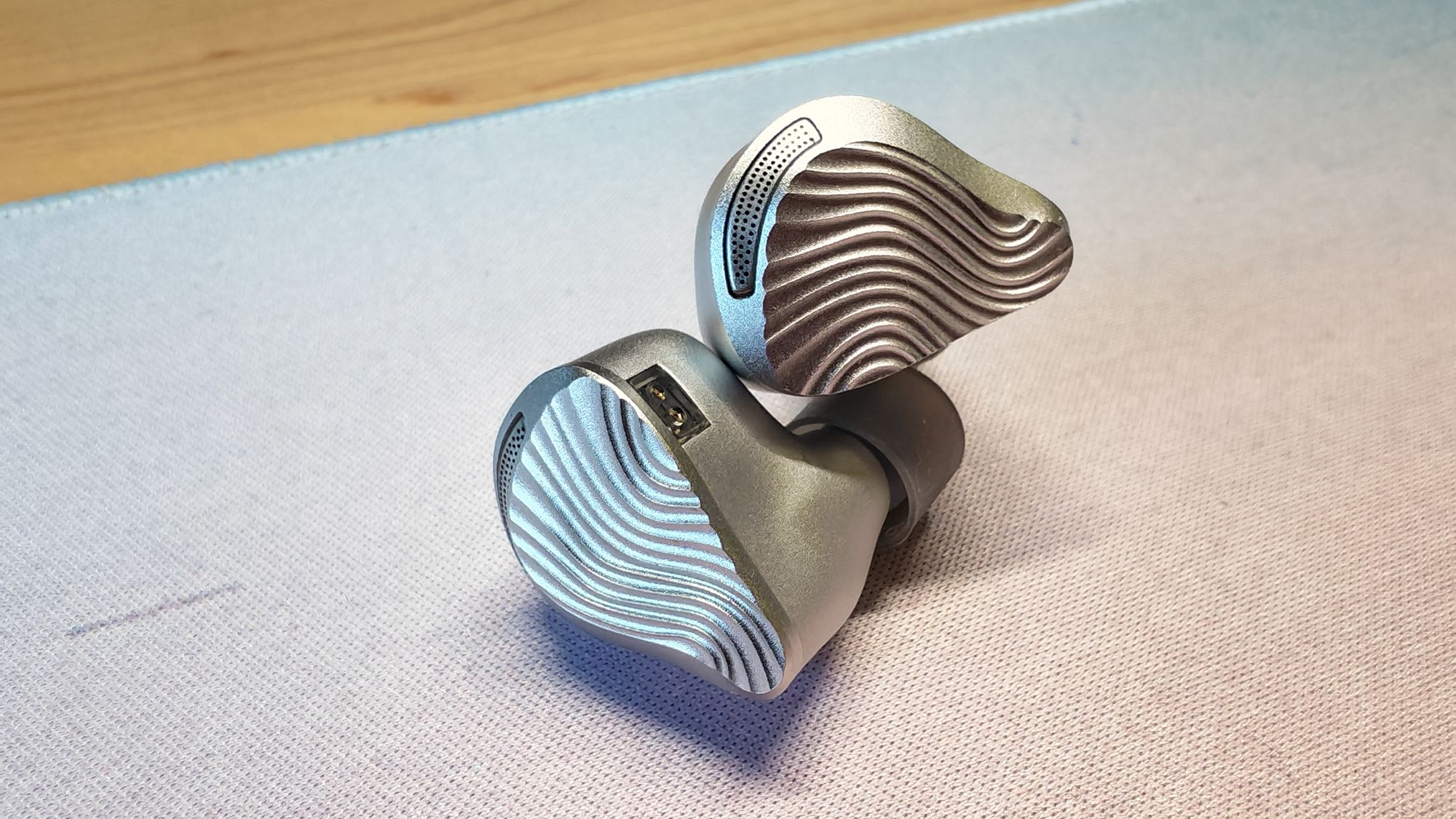
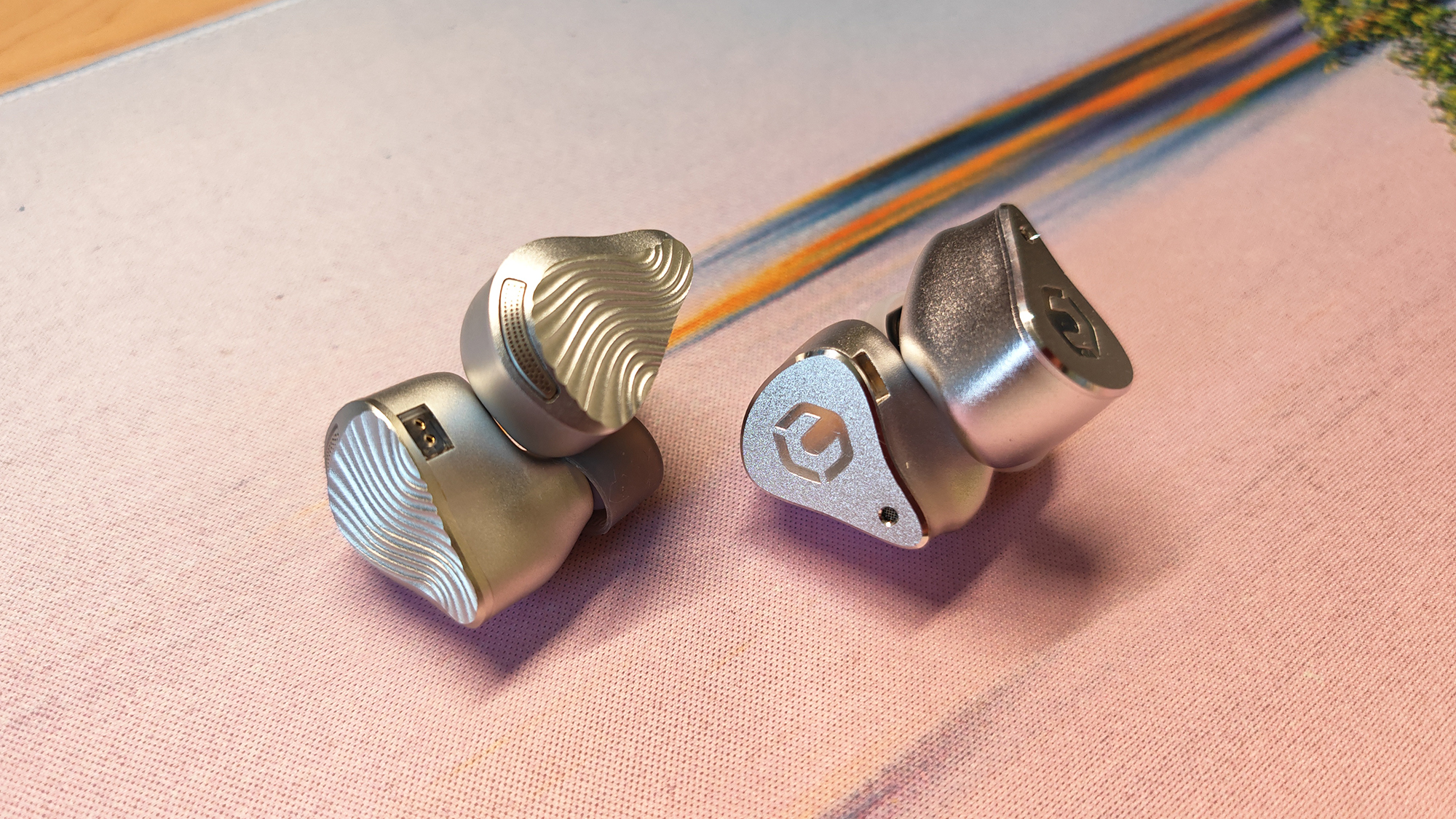
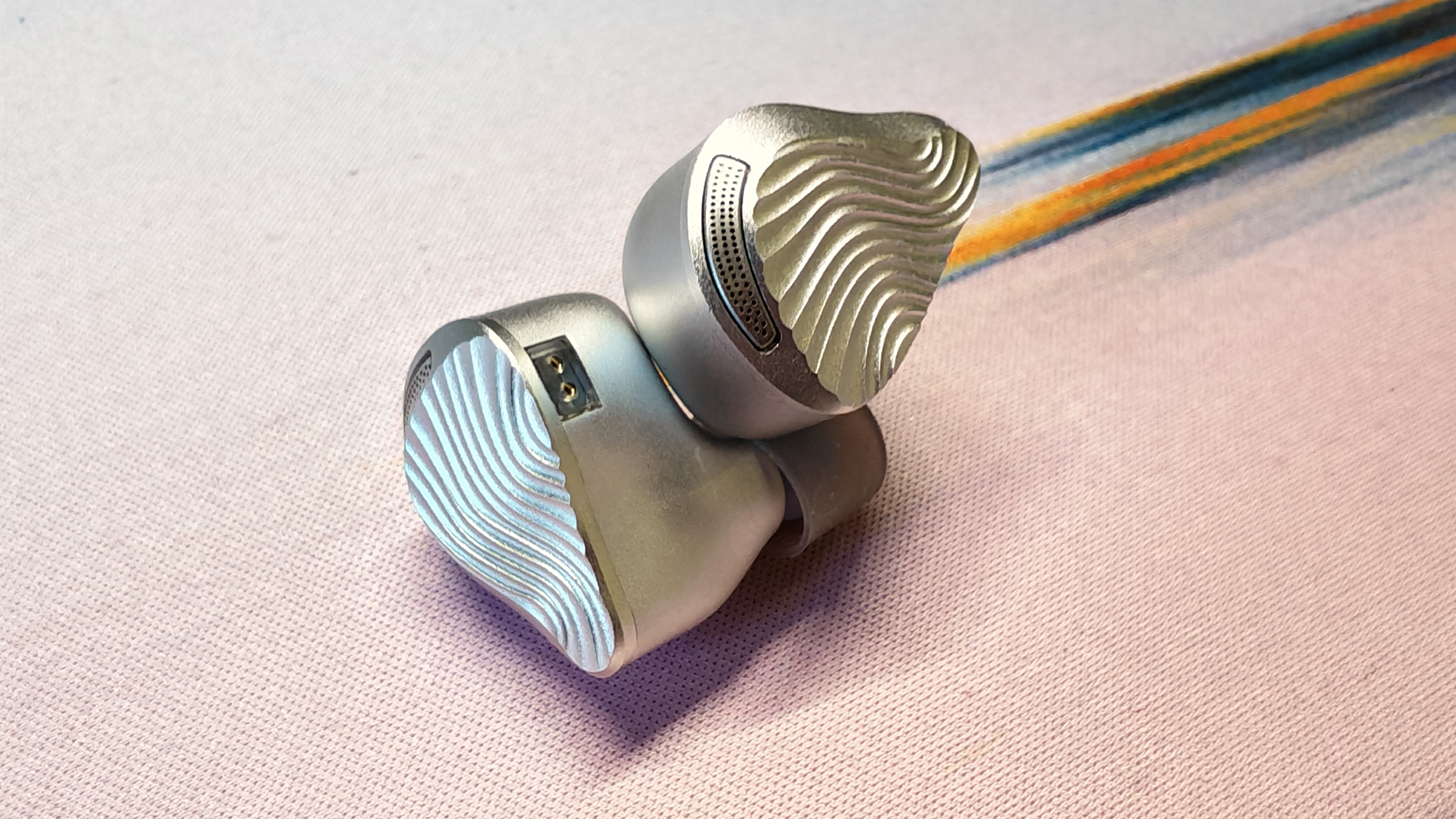
ZiiGaat has given considerable attention to the physical construction of the Seraphim. The monitoring units feature full CNC-machined aluminium ear shells, matching metallic faceplates, and solid aluminium nozzles. Rather than opting for simple resin or plastic enclosures, the use of precision-milled metal gives the earpieces an understated, premium feel that stands out visually against many of its price-segment competitors. Despite the sturdy metal construction, each earpiece weighs a modest 5 grams, keeping overall ear strain to a minimum.
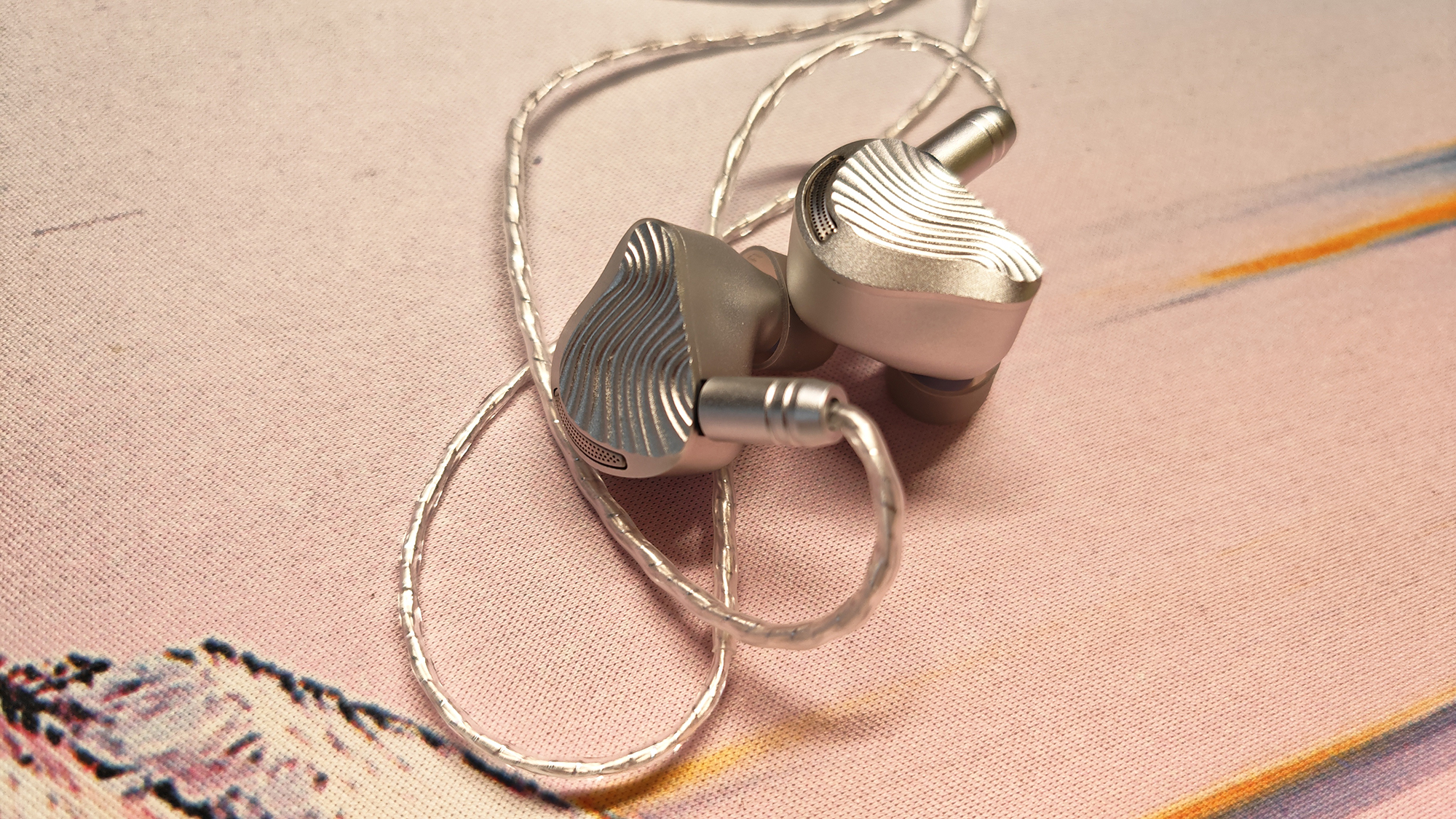
The included 1.2-meter modular cable has drawn mixed opinions across online community forums due to its relatively slender profile. However, in practical daily use, the lightweight cable offers distinct handling advantages. It wraps neatly without retaining memory kinks and completely eliminates microphonic cable noise during movement. The inclusion of a modular system featuring both 3.5mm single-ended and 4.4mm balanced termination plugs ensures native compatibility with a wide range of source equipment without requiring secondary adapters.
From an ergonomic perspective, the Seraphim presents a mid-sized form factor, but its physical nozzle design creates a relatively shallow insertion fit. Users with distinct ear canal geometry may find that standard silicone eartips struggle to maintain a reliable seal. During testing, shorter aftermarket tips—such as standard Juzear eartips—were unable to secure an airtight fit, necessitating a shift to longer, rounder tip profiles, such as those included with the Dunu Vitruvian IEMs.
Once a proper seal is achieved with suitable tips, the earphone seats comfortably and securely, remaining fatigue-free throughout extended listening sessions and desktop work periods.
Testing Setup and Source Pairing
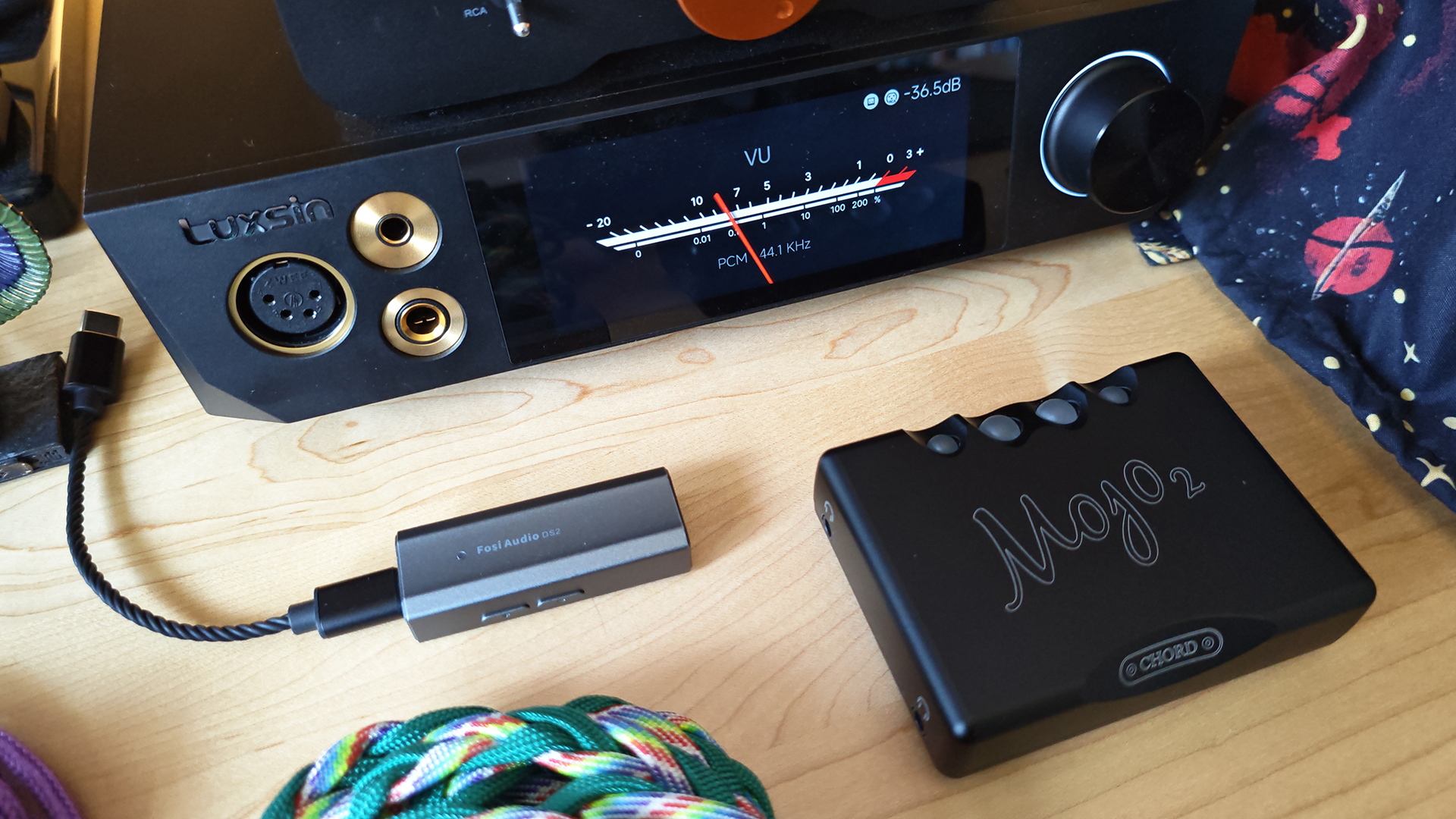
To properly assess detail retrieval, frequency balance, and dynamic headroom, the ZiiGaat Seraphim was evaluated using transparent, high-output audio sources. Primary testing was conducted using the Luxsin X8 desktop DAC/Amp and the Chord Electronics Mojo 2 portable DAC/Headphone Amplifier, alongside several high-performance USB dongle DACs.
This equipment stack ensured ample clean power, ultra-low distortion, and an uncolored output signal. Test tracks were sourced from high-bitrate streaming via Spotify Lossless as well as uncompressed Red Book CD media across a broad range of musical genres.
Sound Profile and Acoustic Performance
Overall Sound Character
Prior to its release, online discussion drew tentative comparisons between the ZiiGaat Seraphim and ultra-flagship monitors like the Subtonic Storm. In practice, however, that comparison proves to be a red herring. The Subtonic Storm relies on a tuning characterized by a more reserved bass boost, significantly fuller midrange body, and a exceptionally nuanced, airy treble presentation.
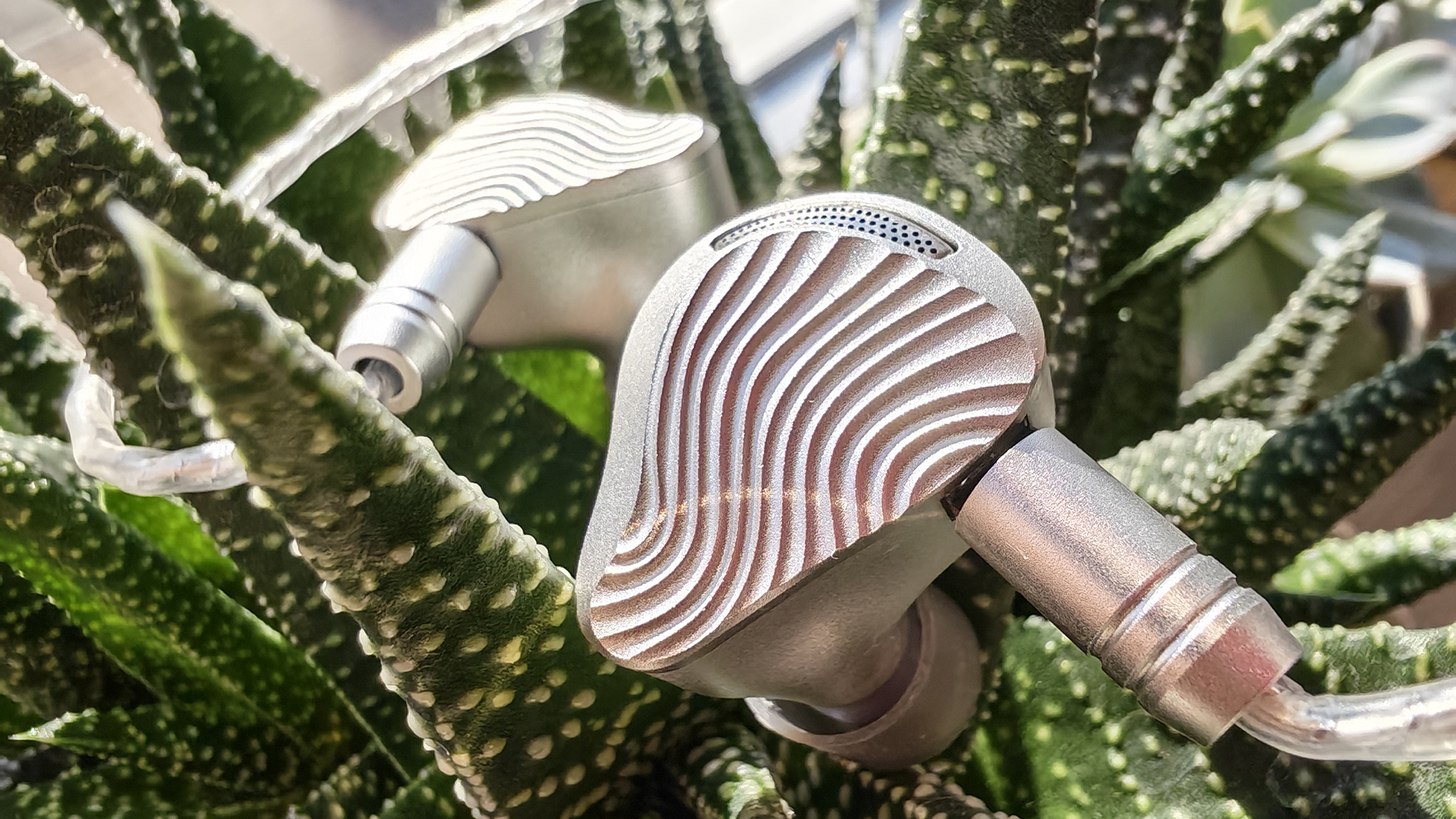
By contrast, the Seraphim delivers an unabashedly fun, high-contrast, V-shaped acoustic signature. It centers its presentation around heavy sub-bass impact and crisp treble extension, prioritizing dynamic engagement over absolute tonal neutrality.
Bass Performance
Low-frequency handling is arguably the headlining feature of the Seraphim’s acoustic design. The earphone utilizes an isobaric dual dynamic driver configuration specifically engineered to optimize sub-bass extension and air displacement.
In listening tests, the sub-bass delivers remarkable physical slam, offering a deep, rumbly impact that hits with immense force without descending into boomy distortion. The sub-bass shelf provides an authoritative foundation that will instantly appeal to bass enthusiasts, electronic music fans, and gamers looking for visceral low-end energy.
Crucially, the tuning avoids bleeding excess low-frequency energy into the lower midrange. The mid-bass region remains tightly controlled, prioritizing speed, attack, and rhythmic precision over bloated warmth. This separation creates a nimble bass response where electric bass guitar lines—such as those on Dry Cleaning’s MySoul / Half Pint—exhibit clear texture and grip. Similarly, synthesized sub-bass lines and 808 kick drums sound distinctly separated, punchy, and tightly controlled.
Midrange Performance
While the isolation of the bass frequencies prevents unwanted mud, the transition between the upper bass and lower midrange creates the Seraphim’s primary tuning trade-off. Marketing materials highlight the three Knowles balanced armatures as enabling a clean, analytical midrange profile that favors upper-register clarity.
In real-world listening, the midrange reveals a mix of strengths and limitations:
- Upper Midrange: Higher-register vocals and acoustic instruments are rendered with transparency and forward presence. Female vocals and higher male registers, such as Neil Young’s performance on Tell Me Why, cut cleanly through complex instrumentation with strong articulation and clarity.
- Lower Midrange: The lower midrange leans distinctly sparse. This dip strips away some natural chest resonance and vocal weight. Richer, deeper vocal performances—such as Barry White’s Can’t Get Enough of Your Love—lose a degree of their characteristic warmth and physical body, sounding somewhat thin or mildly honky by comparison.
Despite the leaner lower mids, instrument separation across the stage remains impressive. Piano notes and acoustic guitar strums are sharply defined within the stereo mix. The balanced upper midrange maintains accurate instrumental timbre overall, though listeners who prefer thick, warm vocal presentations may find the lower midrange slightly lacking in fullness.
Treble Performance
The high-frequency execution represents one of the Seraphim’s most refined technical achievements. The Knowles balanced armatures deliver a highly resolving, crisp treble presentation that manages to retrieve substantial micro-detail without introducing harsh frequency spikes or sibilance.
The treble profile features impressive extension and airiness, providing high-hat sparkle and atmospheric spatial cues without the aggressive glare that often leads to listener fatigue on bright monitors. Combined with the massive sub-bass, this refined top end establishes an engaging, highly energetic V-shaped contour.

The high frequencies remain forgiving on roughly 80 percent of typical audio tracks. However, on recordings that are inherently mixed bright—such as Michael Jackson’s Billie Jean or Lucinda Williams’s Sweet Old World—the upper treble can occasionally lean slightly sharp for listeners sensitive to high-frequency energy.
Price and Competitive Landscape
At $259, the ZiiGaat Seraphim enters a fiercely contested mid-fi market segment. At this price point, consumers routinely expect durable construction, functional accessories, high technical resolution, and coherent tuning. The Seraphim justifies its cost through its high-grade CNC aluminium build, versatile modular cable system, resolution, and punchy bass dynamics. However, comparing it against established class competitors illustrates its unique position.
+-----------------------------------------------------------------------------------+
|                              MID-FI IEM COMPARISON                                |
+-----------------------+-----------------------+-----------------------------------+
| Feature / Model       | ZiiGaat Seraphim      | CrinEar Reference | Binary EP321  |
+-----------------------+-----------------------+-------------------+---------------+
| Price                 | $259                  | $350              | $310          |
| Shell Material        | CNC Aluminium         | Metallic Shell    | Iridescent    |
| Tuning Profile        | Energetic V-Shape     | Neutral / Target  | Bright-Warm   |
| Primary Driver Tech   | 2DD + 3BA Hybrid      | Multi-Driver      | Hybrid + MEMS |
| Sub-Bass Focus        | Heavy Isobaric Impact | Balanced / Linear | Moderated     |
| Lower Midrange        | Lean                  | Full / Natural    | Warm / Thick  |
+-----------------------+-----------------------+-------------------+---------------+
ZiiGaat Seraphim vs. CrinEar Reference ($350)
The comparison between the Seraphim and the $350 CrinEar Reference pit two distinct tuning philosophies against one another. While the Seraphim targets dynamic energy, the Reference prioritizes acoustic neutrality.
- Aesthetics and Design: Visual similarities are immediately apparent, as both monitors adopt metallic faceplates and clean shell contours. However, the Seraphim’s polished industrial design and faceplate execution offer significantly more visual flair than the comparatively plain faceplate logo of the Reference.
- Sound Profile: Sound performance differs fundamentally. The CrinEar Reference delivers a balanced sound centered around natural vocal timbre, smooth transitions, and a full midrange. The Seraphim trades that neutral precision for an exciting, contrast-heavy presentation powered by a ~10dB sub-bass shelf and an analytical treble top end.
- Fit and Comfort: The Reference features a longer shell profile and deeper nozzle angle, allowing users to achieve an effortless ear seal more quickly than with the shallower nozzle of the Seraphim.
ZiiGaat Seraphim vs. Binary EP321 ($310)
Comparing the Seraphim to the $310 Binary EP321 presents a closer head-to-head match within the energetic mid-fi bracket.
- Mid-Bass and Lower Mids: The Binary EP321 provides a warmer, fuller lower-midrange response, granting vocals and acoustic instruments greater physical body. Its mid-bass tuning yields detailed texture that fills out vocal tracks where the Seraphim feels somewhat lean.
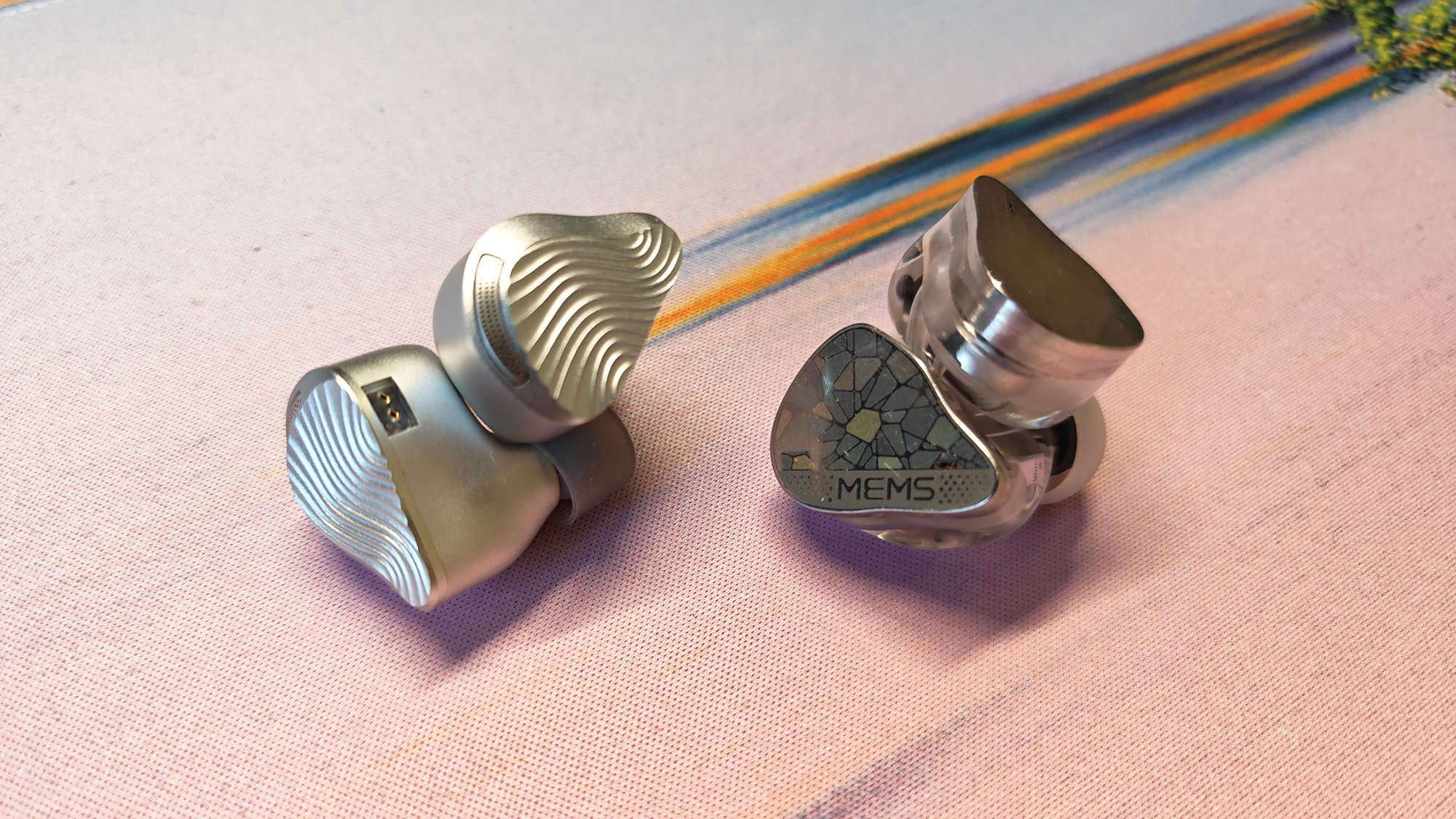
- High-Frequency Performance: Utilizing an advanced MEMS driver unit for ultra-high frequencies, the EP321 achieves exceptionally fast transient speed and top-end air.
- Bottom Line: Listeners who prioritize raw physical sub-bass slam and striking metallic aesthetics will prefer the Seraphim. Conversely, those seeking richer vocal warmth, balanced lower mids, and ultra-fast MEMS treble speed will find the Binary EP321 to be the more complete all-rounder.
Verdict: Who Should Buy the ZiiGaat Seraphim?
The ZiiGaat Seraphim succeeds in delivering a high-performance, visually stunning in-ear monitor that offers substantial value for its $259 price tag. Its combination of an isobaric dual dynamic driver sub-bass system with detailed Knowles balanced armatures creates a dynamic listening experience tailored for modern genres.
Recommended For:
- Bass Enthusiasts and EDM Fans: Listeners who want deep, tactile sub-bass impact without low-frequency bleed ruining upper-frequency detail.
- Gamers and Action Movie Viewers: Users who benefit from punchy low-end dynamics coupled with clear spatial imaging and high-frequency detail retrieval.
- Design-Conscious Audiophiles: Buyers looking for premium CNC-machined metal craftsmanship, a light non-microphonic cable, and standout aesthetics.
Considerations:
- Vocal Purists: Listeners seeking thick, warm male vocals or a fully neutral studio reference sound may find the lean lower-midrange presentation lacking in chest warmth and density.
- Eartip Matching: Due to the shallow fitting nozzle design, users may need to experiment with longer aftermarket silicone eartips to secure an optimal acoustic seal.
Overall, ZiiGaat and Jay Audio have produced a highly capable, engaging hybrid monitor that brings energy, detail, and exceptional visual design to the sub-$300 audiophile space.