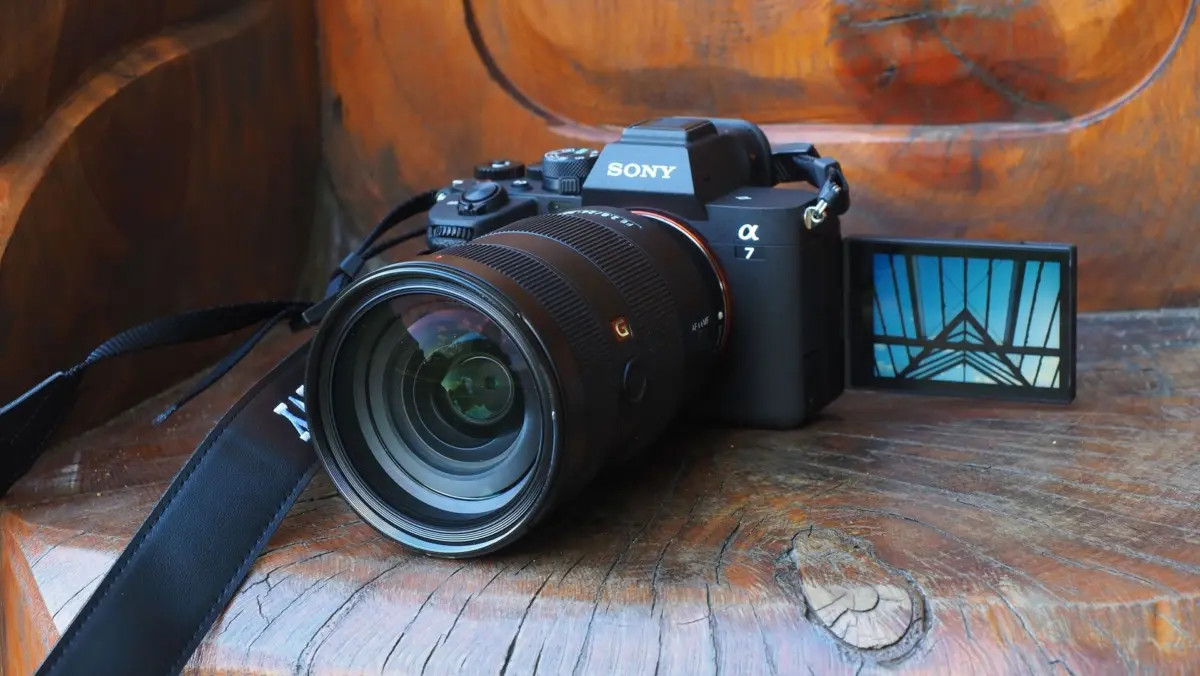
For roughly four years, my trusty Sony A7 III has been my primary companion for shooting still images. When you combine that tenure with the fact that my daily work involves researching, testing, and writing about the ever-evolving camera market, it is fair to say I have developed a deep familiarity with photographic equipment—particularly Sony’s Alpha ecosystem. Yet, even industry writers find themselves at a crossroads when it is time to invest in a major equipment upgrade.
My journey with digital photography began years ago when I transitioned from a Nikon D3500—an exceptionally capable entry-level DSLR that served me well as I learned the fundamentals—to my current full-frame Sony A7 III. Sticking with the Alpha family feels like the most natural path forward for my next purchase. However, my creative horizons are expanding. As I prepare to venture into the world of professional videography alongside my continued still photography, I find myself locked in a difficult debate between two powerhouse models: the Sony A7R IV and the Sony A7 IV.
Sony has long positioned its standard A7 lineup as the definitive hybrid series, expertly engineered to balance the demands of both high-quality still capture and modern video production. I have thoroughly studied the expert analysis provided by my colleagues, including comprehensive breakdown guides weighing the merits of the Sony A7 IV against the A7R IV and its revised A7R IVA variant. Yet, despite having access to professional technical assessments and Sony’s official design philosophies, making the final purchasing decision remains a challenge. Consequently, I am turning to the broader photographic community—specifically those with real-world, hands-on experience using either the A7R IV or the A7 IV—to help weigh the practical pros and cons.
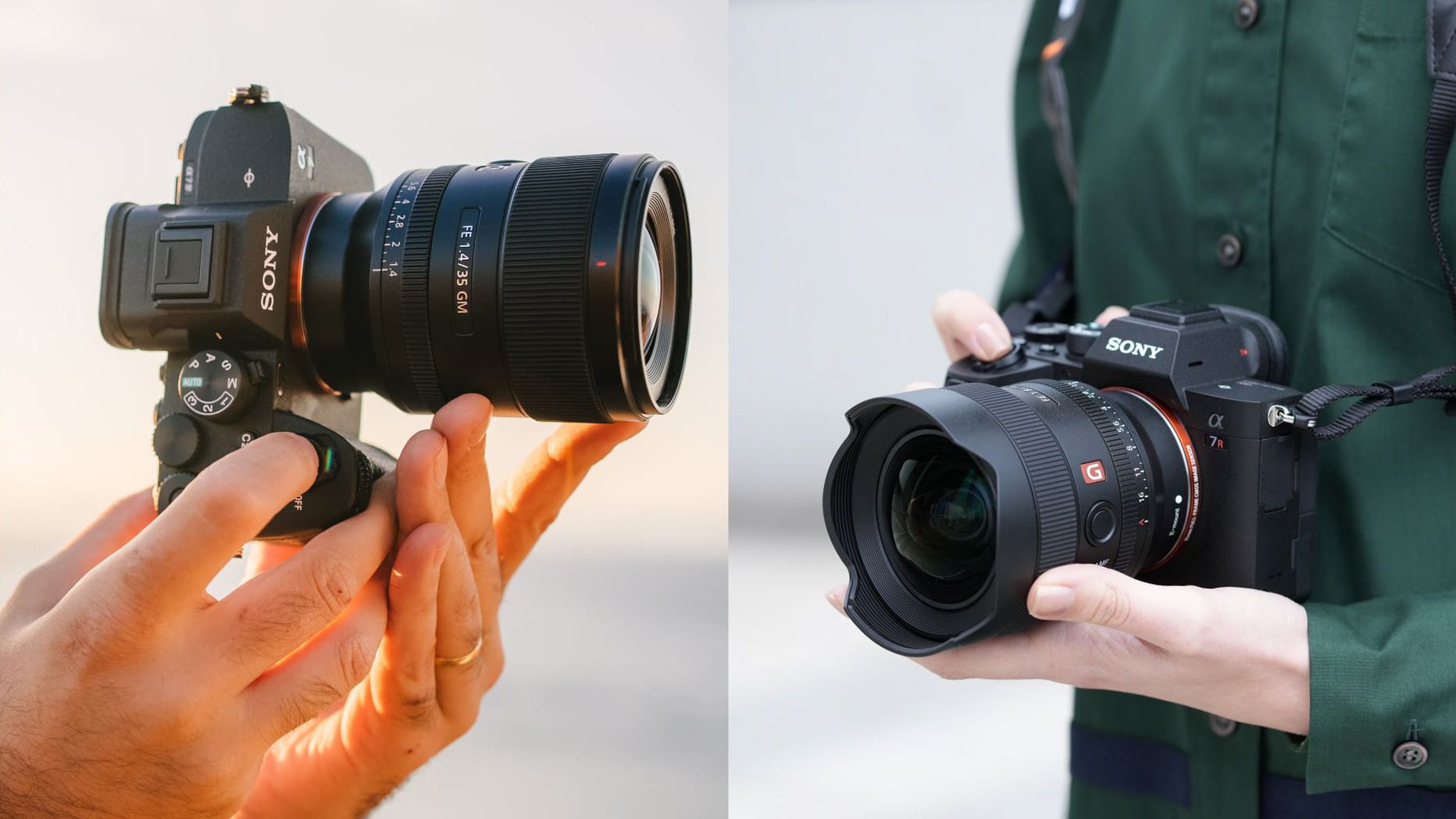
To some observers, the choice might seem entirely straightforward. If the goal is to dive seriously into videography while maintaining an exceptional stills workflow, standard industry guidance points directly toward Sony’s dedicated hybrid machine, the A7 IV. The hesitation stems from my reluctance to leave behind the A7R IV’s staggering 61-megapixel sensor, especially now that market adjustments have brought the used or discounted pricing of these two distinct models remarkably close together.
It is worth noting that raw sensor resolution is not the sole metric by which I judge a camera. After all, I have happily produced professional-grade work using the 24-megapixel sensor of my A7 III for years. Furthermore, my kit includes top-tier G Master glass, meaning optical quality—arguably a far more critical factor in overall image fidelity than megapixels alone—is already locked in.
Nevertheless, the temptation of the A7R IV’s massive image detail is difficult to ignore. Operating a 61-megapixel sensor would grant me the luxury of aggressive cropping in post-production while comfortably retaining sharp, highly detailed results—a level of flexibility that simply cannot be matched by the A7 IV’s more modest 33-megapixel resolution. For wildlife, distant landscapes, or rapid editorial framing where foot-zoom is impossible, that extra headroom is an enticing proposition.
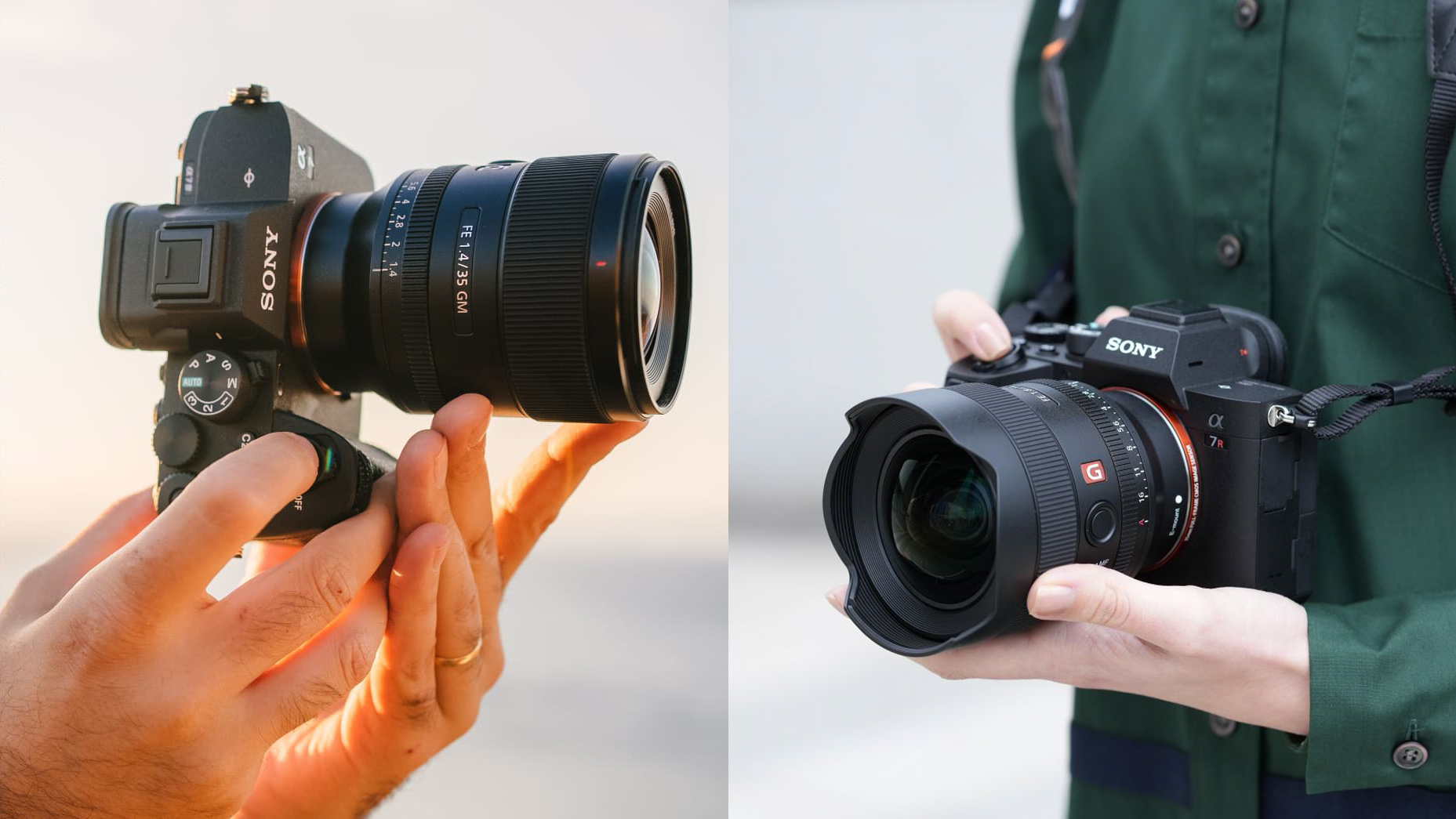
Yet, stepping up to such a high-resolution sensor introduces significant compromises on the moving-image side of the equation. As I plan my entry into video production, I am acutely aware of how a 61-megapixel sensor behaves when tasked with filming motion. High pixel counts on standard full-frame sensors often complicate video processing. Downsampling such a massive amount of data to fit a 4K video stream can introduce unwanted visual artifacts, moiré, or aliasing if the processing engine is pushed beyond its ideal limits.
Additionally, slower sensor readout speeds inherent to ultra-high-resolution chips can exacerbate harsh rolling shutter distortions during rapid pans or fast-moving subjects. There is also the very real physical challenge of hardware strain. Forcing a 61-megapixel sensor to process and compress massive quantities of data into high-framerate 4K streams places heavy demands on the processor, increasing the risk of thermal warnings and overheating during extended recording sessions.
Beyond internal processing and sensor physics, physical ergonomics play a major role in the video workflow. A stark difference between the two bodies lies in their monitor design. The A7R IV retains a traditional tilting LCD screen, whereas the A7 IV features a fully articulated vari-angle LCD monitor. While my current shooting habits mean a tilting screen might not immediately present an insurmountable hurdle for the occasional video clip, I must question whether I am being naive about the practical limitations of traditional tilting mechanisms when trying to film myself, capture low-angle tracking shots, or work in vertical video formats.
These technical nuances form the core of my dilemma, and this is where real-world user experience becomes invaluable. Theoretical specifications on a datasheet only tell part of the story. I need to know how these potential pain points manifest in day-to-day shooting conditions.
Will the average creator genuinely encounter distracting visual artifacts and degraded performance across all video projects when operating a high-resolution body like the Sony A7R IV? Or is the fear of rolling shutter and thermal throttling exaggerated for casual and semi-professional hybrid shooters? Conversely, does sacrificing the 61-megapixel resolution for the refined video pipeline and articulating screen of the A7 IV represent the wiser, more future-proof investment?
As I navigate this equipment transition, insights drawn from the trenches of daily production will prove essential in determining whether choosing resolution over dedicated video ergonomics is a calculated risk worth taking or a costly mistake.