While smartphones have long embraced multi-lens and multi-sensor arrays to boost versatility, dedicated professional and consumer cameras have traditionally stuck to a single primary sensor per body. However, a newly published patent from industry giant Canon suggests that standalone cameras could soon adopt a dual-sensor design—not for zoom or wide-angle switching, but to solve two of modern photography’s most persistent headaches: verifying authenticity in an era of rampant artificial intelligence and rescuing shots that missed their focus.
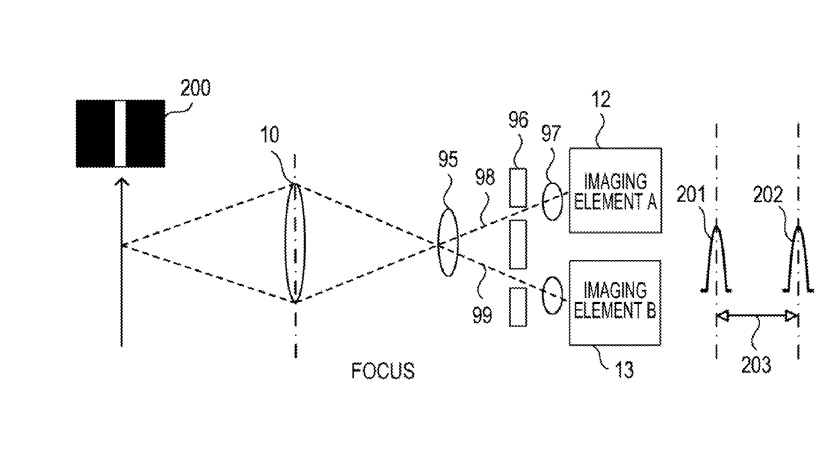
The patent, which was officially published by the United States Patent and Trademark Office on September 17, outlines a unique imaging device equipped with two separate sensors and corresponding lenses. According to the documentation, both sensors are exposed simultaneously when the shutter is clicked. Rather than functioning as a standard stereo 3D setup, this dual architecture serves a dual purpose: generating a reliable, tamper-resistant reference to prove a photograph was genuinely captured in-camera, and enabling subtle post-capture focus adjustments.
A New Weapon Against AI-Generated "Slop"
The rapid rise of generative artificial intelligence has flooded digital spaces with hyper-realistic fake imagery, triggering a desperate industry-wide search for reliable verification methods. Existing solutions, such as cryptographic certificates of authenticity backed by groups like the Coalition for Content Provenance and Authenticity (C2PA), attempt to track whether an image has been manipulated after capture.
However, current verification systems often suffer from a frustrating limitation: they flag an image as modified even when a photographer makes entirely benign adjustments, such as tweaking exposure, straightening a horizon, or shifting white balance. This makes it difficult for viewers to distinguish between minor, traditional editing and wholesale, deceptive AI alterations.
Canon’s newly patented dual-sensor design offers a potential workaround. By recording two images at the exact same moment from slightly different physical positions, the camera creates an immediate parallax reference image. This secondary file acts as an intrinsic physical fingerprint that can establish a precise record of how—and crucially, by how much—a photograph has been altered. Rather than a simple binary "authentic or edited" tag, this technology could provide a granular audit trail, helping audiences verify whether a photo is an untouched original or merely a color-corrected capture, while immediately exposing deepfakes and AI-generated fabrications.
Rescuing Missed Focus After the Click
Beyond verifying authenticity, the dual-sensor architecture addresses another timeless photographic frustration: missed autofocus. For as long as autofocus systems have existed, photographers have occasionally suffered from critical focus errors—moments where the camera locked onto the background or eyelashes instead of the intended subject. Because traditional raw files capture a single flat plane of light, such mistakes are notoriously impossible to fix during post-processing.
Canon’s patent reveals that the proposed camera can use its dual-sensor layout to execute minor focus adjustments after the shutter has already closed. The mechanism relies on the two sensors capturing information across slightly different focus ranges, which can be predefined by the user within the camera settings. By combining the data captured by both sensors during post-processing, the system allows for a controlled, localized range of focus correction.
Intriguingly, Canon notes in the patent documentation that utilizing this post-capture focus adjustment would not invalidate the image’s authenticity certificate. Because the underlying parallax data remains anchored to the dual simultaneous exposures, the fundamental truth of the capture is preserved, even if the focal plane is micro-adjusted later.
Building on Past Experiments
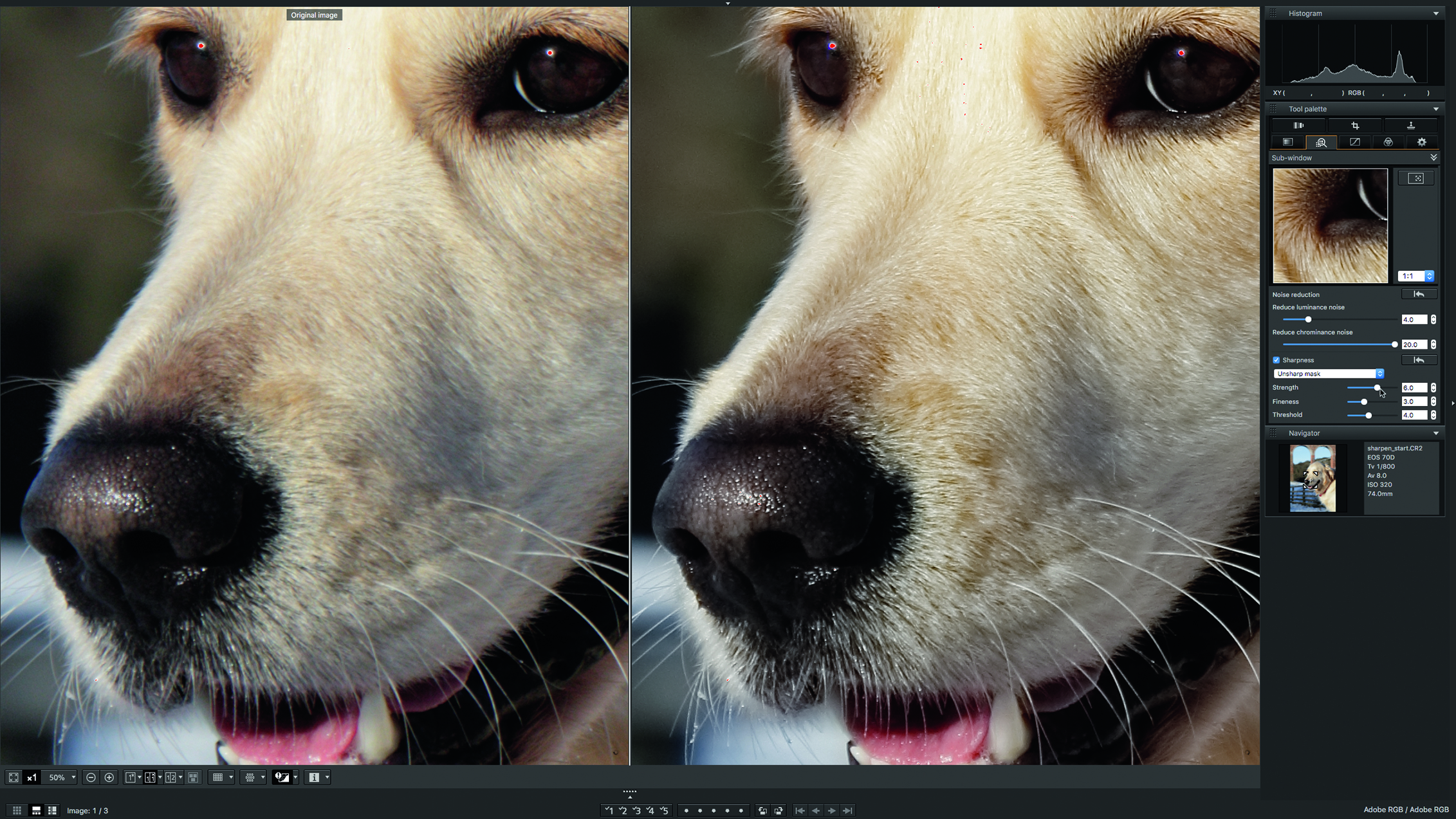
This is not the first time Canon has explored the concept of manipulating focus after a shot has been taken. Years ago, the company introduced Dual Pixel RAW technology, which embedded two separate photodiodes within each individual pixel on select sensors. Because these photodiodes captured light from slightly different angles, they created a micro-parallax effect. When processed through Canon’s proprietary Digital Photo Professional software, photographers could make micro-adjustments to the point of sharpness on images that had slightly missed their mark.
However, the new patent represents a much more radical physical departure by incorporating two distinct sensors and lenses working in tandem, rather than splitting data at the individual pixel level.
While the patent drawings remain schematic and do not explicitly detail the final physical form factor of such a camera, the inclusion of technical references to a "field lens," a "secondary coupling lens," and an integrated zoom control strongly hint at a fixed-lens design rather than an interchangeable-lens mirrorless system. This has already sparked speculation and enthusiasm among photography enthusiasts online, with many wondering if Canon might eventually merge the technology with its growing interest in retro-styled bodies—similar to the acclaimed analog concept cameras the manufacturer recently showcased at trade shows in Japan.
From Patent Office to Reality
As is often the case with corporate intellectual property, the publication of a patent is a long way from a commercial product hitting store shelves. Canon maintains one of the most prolific research and development pipelines in the technology sector, filing thousands of patents globally every year. Many of these conceptual designs are patented strictly to protect intellectual property and are never manufactured for consumers.
Nevertheless, the innovation highlights the direction imaging giants are exploring as they grapple with the existential challenges posed by artificial intelligence and digital trust. Whether this specific dual-sensor concept eventually materializes as a production camera or remains an intriguing blueprint in the archives, it underscores Canon’s ongoing commitment to pushing the physical boundaries of how photographs are captured, verified, and preserved.