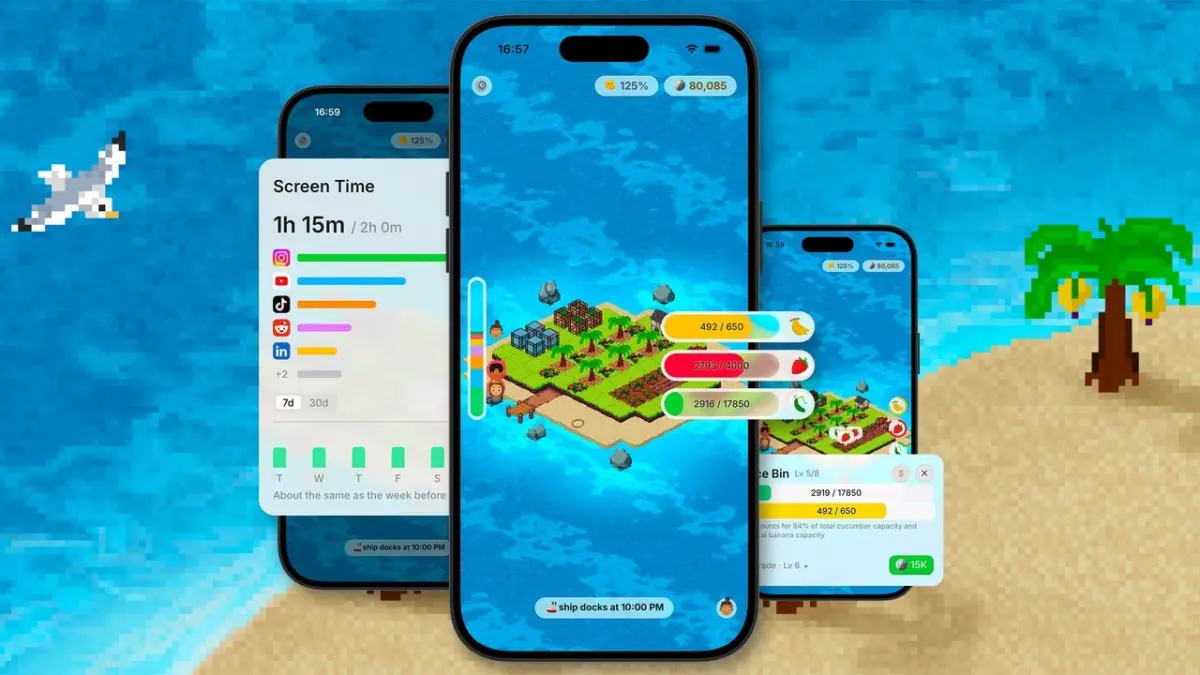
Developed by the software startup SideKit—founded by CEO Ashish Selvaraj and CTO Ethan Pronev, who met while studying at the University of Waterloo in Ontario, Canada—the app takes inspiration from the mechanics of idle video games to tackle compulsive digital habits. Rather than locking users out of their devices with harsh digital roadblocks, Island seeks to leverage positive reinforcement, gamification, and internal motivation to help people reclaim their time.
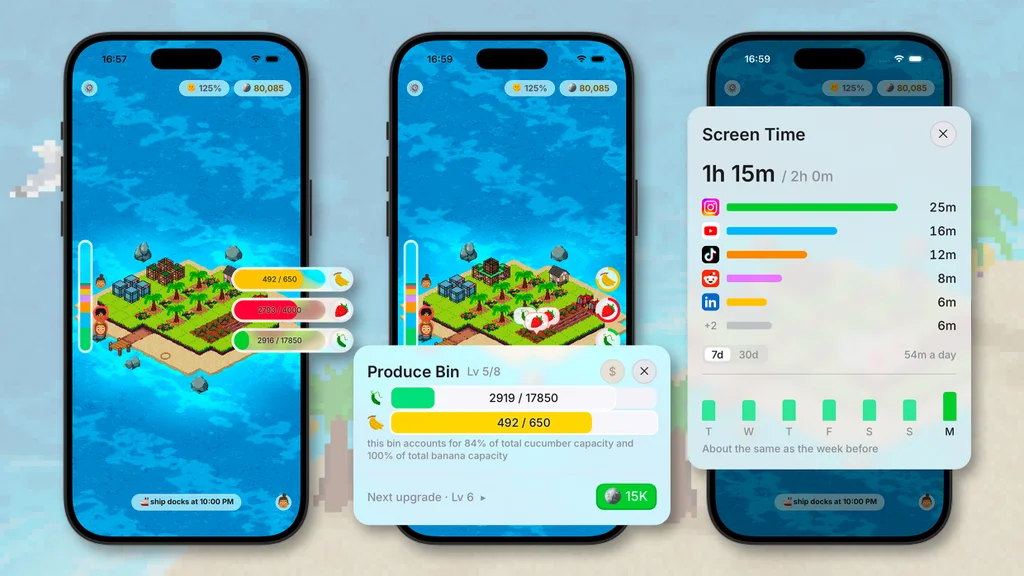
The core premise of Island: Screen Time Control centers on growing virtual crops that can eventually be sold for digital currency. In this virtual ecosystem, crops grow steadily over time, and users can sell their harvests to a merchant boat that arrives precisely once a day. With the digital coins earned from these sales, players can begin to upgrade and expand their virtual island with new varieties of crops, trees, flowers, and other cosmetic or functional features. This idle gameplay loop is designed to keep users engaged with a gentle, satisfying objective that runs parallel to their real-world routines.
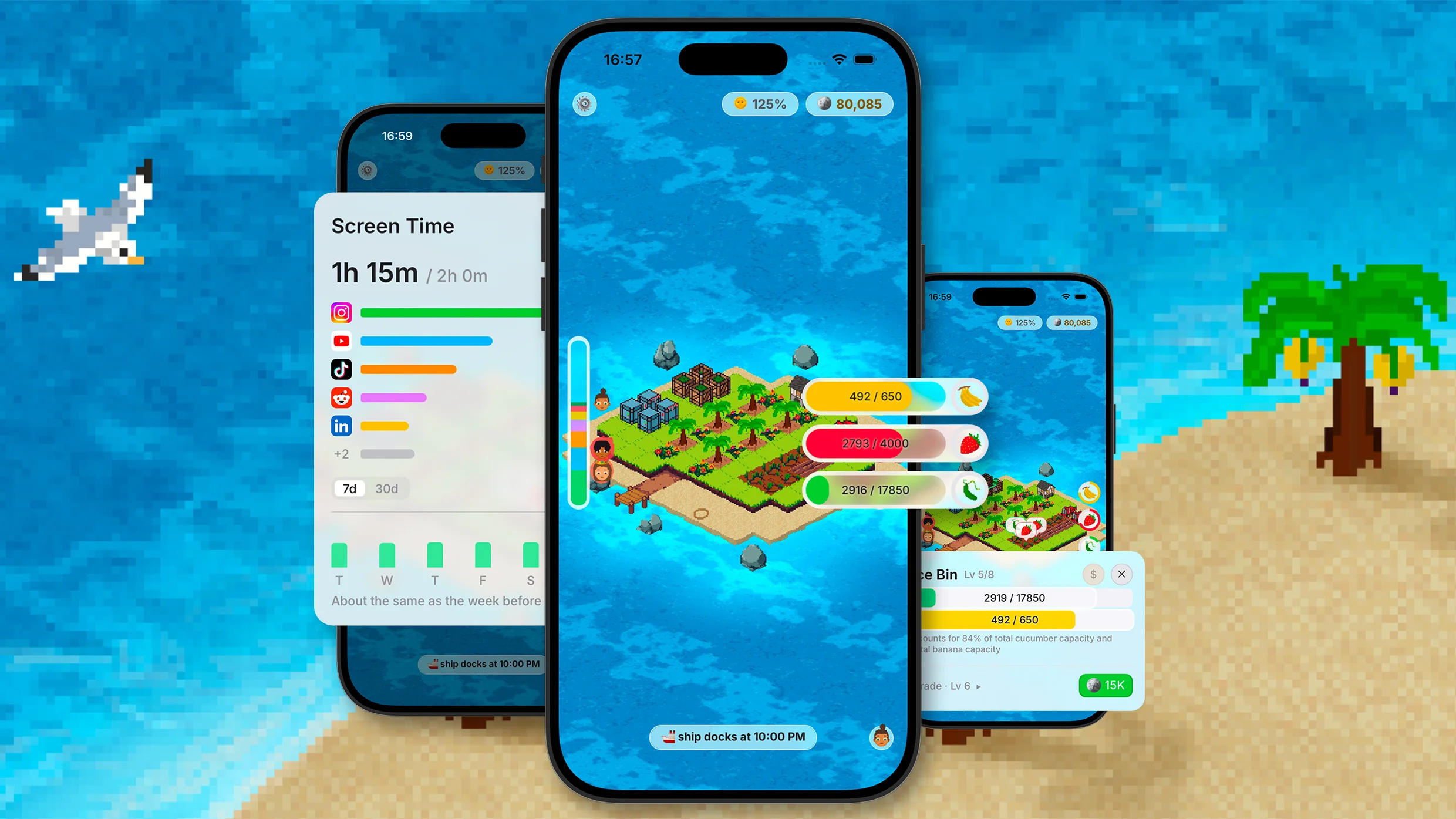
However, the health of this digital island is directly tied to the user’s real-world smartphone habits. The founders of SideKit arrived at this concept after concluding that the typical industry approach of nannying screen time or adding rigid digital friction does not actually work in the long run.
Most conventional screen time applications rely on a predictable formula of hard limits followed by an unyielding digital wall that appears the moment a user exceeds their daily quota. According to Selvaraj, that kind of friction fails to foster genuine habit change. When speaking to Fast Company, Selvaraj articulated the core philosophy guiding the startup’s product design. He noted that there is no level of wall hardness that can successfully change human behavior over a sustained period. As long as individuals outsource their self-regulation to a piece of software, they will ultimately be unable to achieve lasting, meaningful change in their relationship with technology.
This realization prompted Selvaraj and Pronev to look toward the design patterns of idle games—specifically their most compelling user interface and engagement features—to build an alternative. Instead of treating the user like a child who needs to be punished or restricted, Island attempts to reframe the user’s relationship with their device by encouraging self-awareness and mindful reflection.
The journey within the app begins well before the user ever sees their virtual island. During the initial onboarding process, the application prompts users to reflect on their recent digital consumption. It asks them to remember the last short-form video they watched and to recall the last time they physically closed their phone and genuinely felt that the time spent had been worthwhile. This reflective exercise is designed to ground the user in their own values and highlight the stark contrast between mindless scrolling and intentional offline activities.
From there, the user is transported to their island, a modest plot of land where they begin with a starting balance of fifty digital coins, with individual starter crops like cucumbers costing twenty coins to plant. To integrate the game with real-world habits, users are asked to share their current screen time data and then establish their own personal time limits for selected app categories.
Rather than plunging the user into darkness or disabling their device when those limits are approached, Island visualizes progress through subtle environmental cues. A clean screen time bar positioned on the left side of the game interface quietly displays how close the user has come to hitting their established daily limits. The core incentive mechanism relies on positive reinforcement: the more consistently a user sticks to their self-imposed time limits, the better the weather becomes on their virtual island. That favorable weather, in turn, creates a larger, more lucrative harvest, directly rewarding the user’s offline discipline with tangible in-game progress and expansion opportunities.