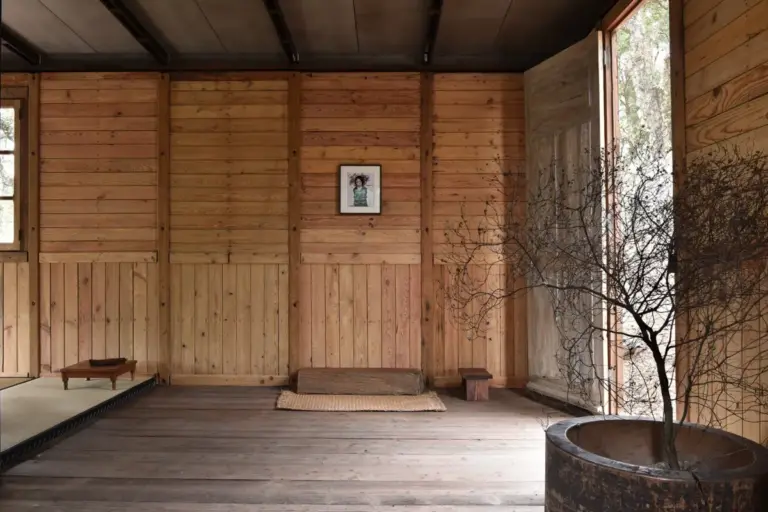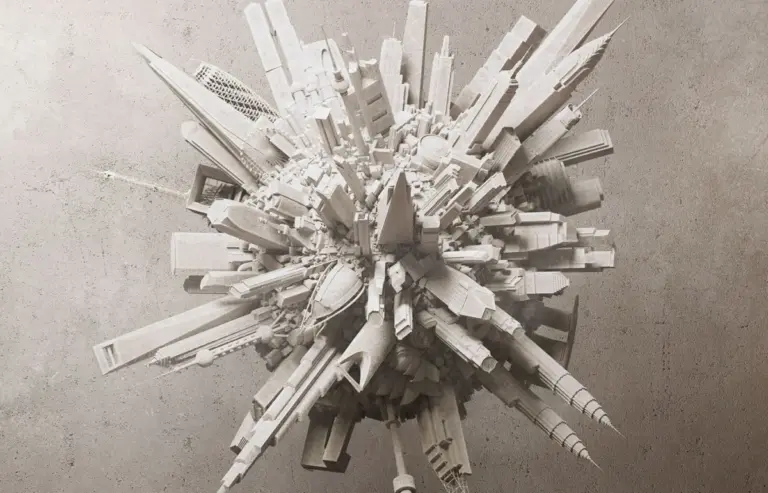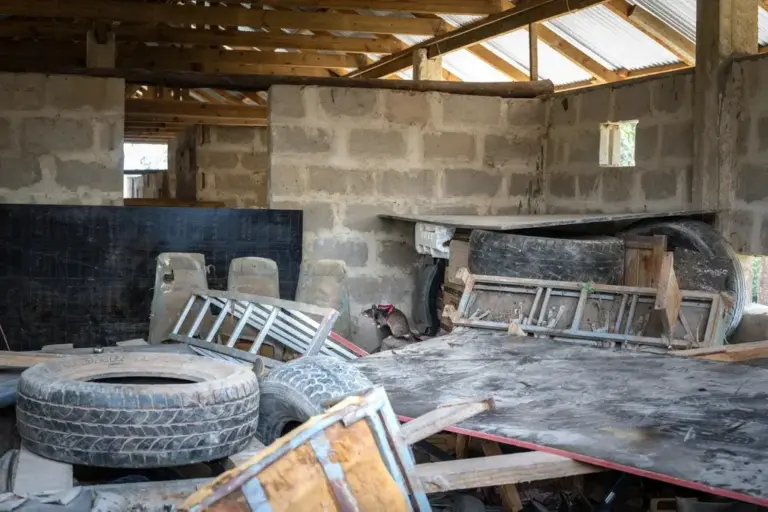
Milan-based photographer and publisher Giovanna Silva has spent years investigating the ephemeral spaces of club culture, tracing the transformation of Italian discotheques from the 1960s onward and the improvised dance floors of contemporary European nightlife. Her extensive visual research, which began as a commission for the 2014 Venice Architecture Biennale, has culminated in a comprehensive book titled NIGHTSWIMMING: Discotheques from the 1960s to the Present.
Through her detached yet deeply observant lens, Silva documents how spaces dedicated to leisure, music, and social gathering continually adapt to shifting architectural trends, technological advancements, and cultural movements. Her work captures the physical evolution of these venues across Italy and major European cultural capitals, offering a rare architectural perspective on environments traditionally defined by darkness, transience, and sensory overload.
Unfamiliar Beginnings and an Architectural Commission
Silva’s journey into the hidden world of discotheques started unexpectedly when Monditalia commissioned her to examine the architecture of Italian nightlife for the 2014 Venice Architecture Biennale. At the time, the subject was entirely foreign to her. Far from being an insider to club culture, Silva approached the assignment with a completely blank slate.
This unfamiliarity proved to be an advantage, granting her an unconventional and detached eye. However, it also demanded an exceptional level of discipline and restraint to navigate a subject as expansive and fleeting as the night. Because discotheques are inherently dynamic spaces—frequently altering their physical appearance to keep pace with changing fashion, evolving musical genres, and rapid progress in lighting and sound technology—documenting them required a foundational reliance on historical archives.
To build the project, Silva and her collaborators began by collecting existing publications dedicated to club design and nightlife history. This archival deep-dive served a dual purpose: gathering crucial architectural and historical data while introducing the human element behind the structures. Through these books, Silva encountered the diverse figures who shaped the nocturnal landscape—critics, architects, DJs, art directors, and club owners—whom she fondly refers to as the "night swimmers."
Expanding the Lens Across Europe
Following her initial deep dive into the Italian landscape, Silva recognized the necessity of broadening her scope to capture the broader European context. She turned her attention to four major cultural hubs: Berlin, London, Paris, and Barcelona. Selecting the specific locations within each city proved to be a challenging curation process. While the research presented at the Venice Biennale required an exhaustive, wide-ranging approach, the subsequent evolution of the project called for a more selective vision.
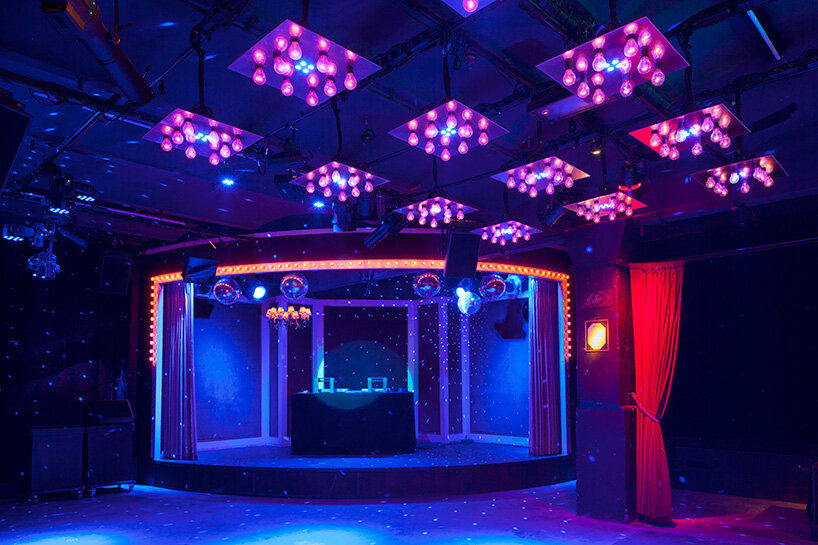
Silva aimed to identify and document clubs that held undeniable social and musical significance while also offering compelling architectural value. The resulting photographs capture discotheques that define the contemporary perception of the night. Among her observations is a growing modern trend: spaces not originally designed to function as nightclubs are increasingly being occupied and transformed into temporary party locations. Silva views this phenomenon as a modern legalization and institutionalization of the raw, improvised rave culture that first emerged in the 1990s.
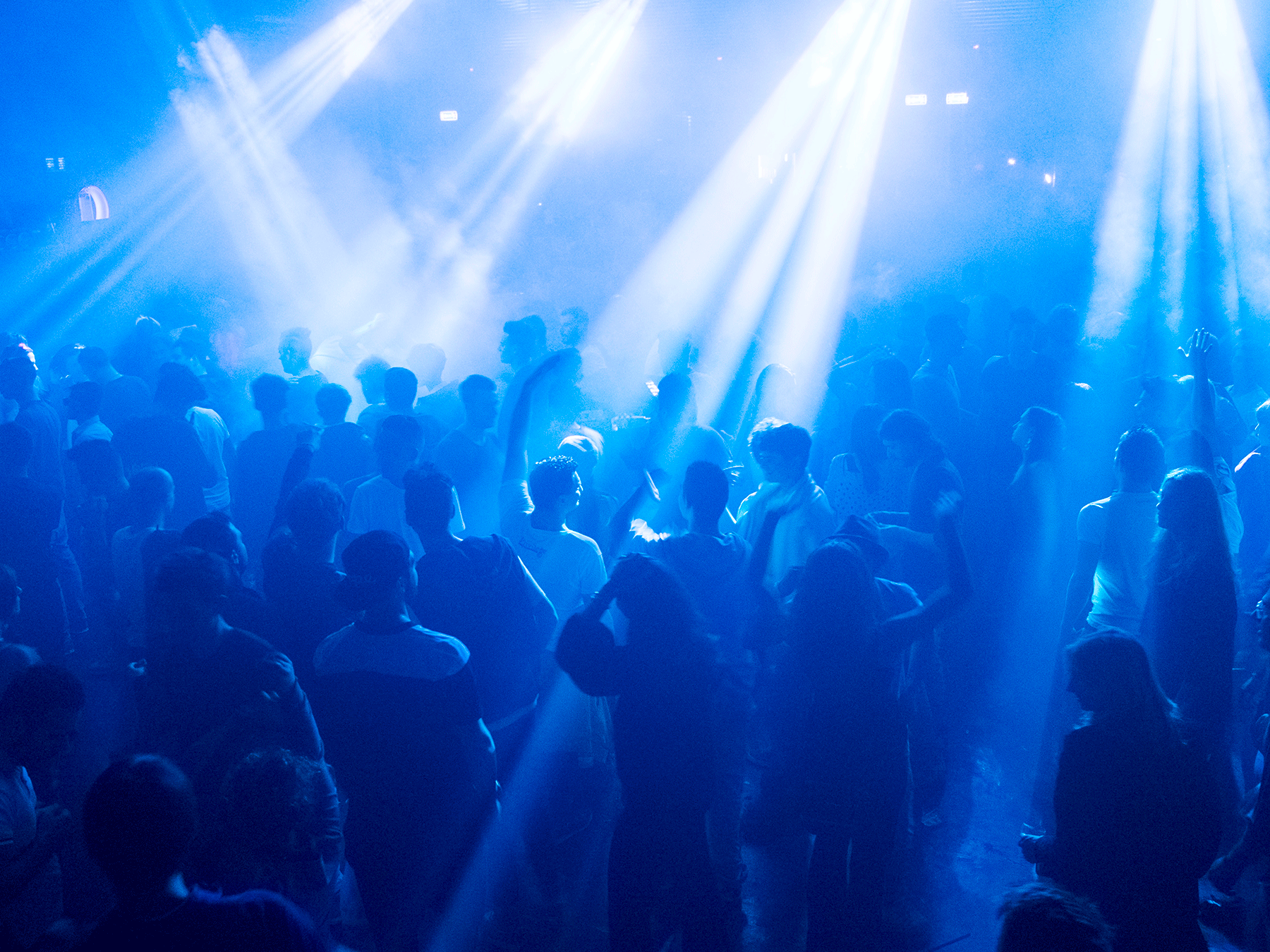
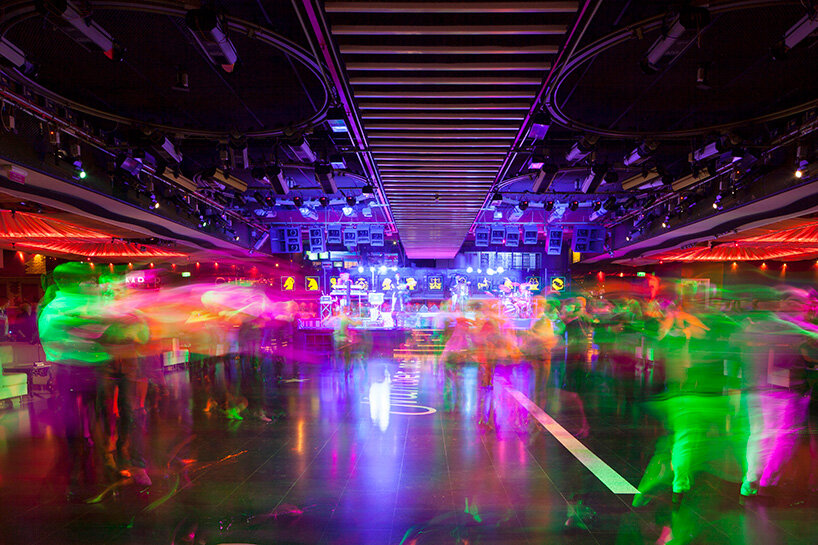
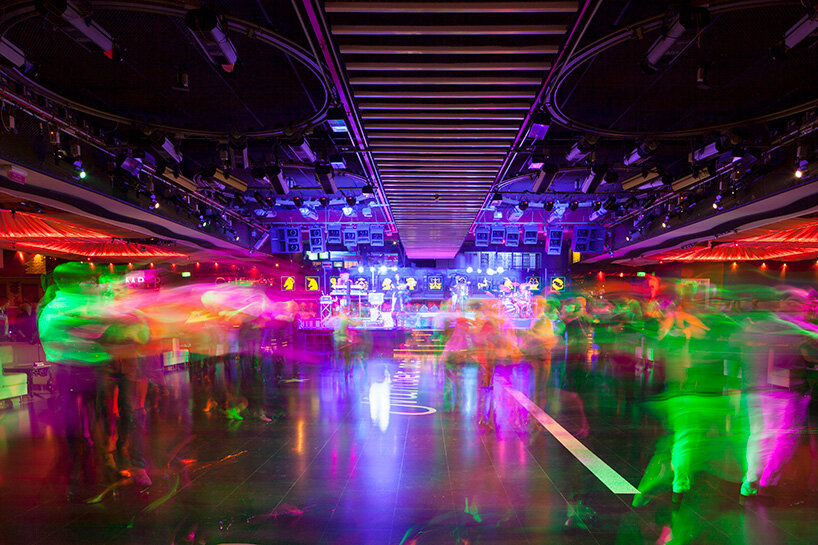
Her photographs capture these venues in varying states—sometimes empty and silent during daylight hours, and other times packed to capacity. Through these contrasting states, Silva highlights how crowds of people temporarily erase and redefine the traditional boundaries of architectural space, turning utilitarian or abandoned structures into immersive arenas of collective euphoria.
The Sensory Markers of the Night
Entering these clubs during daylight hours—when the majority of her photography took place—allowed Silva to experience the physical spaces stripped of their nocturnal energy, yet heavy with lingering atmosphere. The first element to strike her upon entering any club was invariably its distinct scent. Whether lingering deep within the upholstery or rising from the floorboards, this olfactory signature became a constant motif throughout her documentation. Silva compares the experience to a Proustian madeleine, noting that she remains engaged in the ongoing puzzle of whether that pervasive scent is simply the residue of professional cleaning products or the authentic smell of the night itself: a dense chemical and organic mixture of human presence, smoke, and industrial detergent.
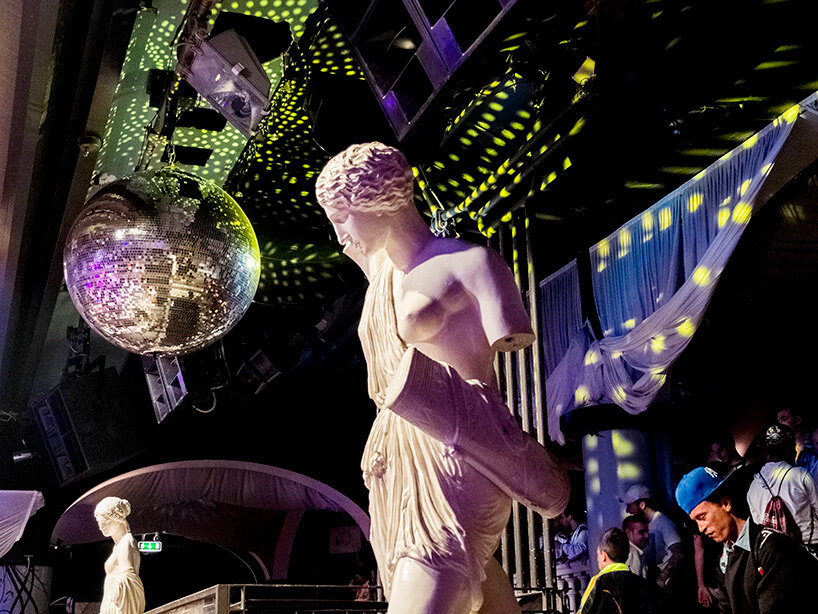
The second overwhelming sensory dimension of her fieldwork was light. In the world of discotheques, artificial illumination is absolute. As Silva notes, echoing a piece of advice shared by industry veterans during her research, discotheques are akin to aging grand dames who should never be seen without their makeup. Light performs the heavy lifting of theatrical transformation, completely altering the geometry, mood, and perception of a space at the flick of a switch.
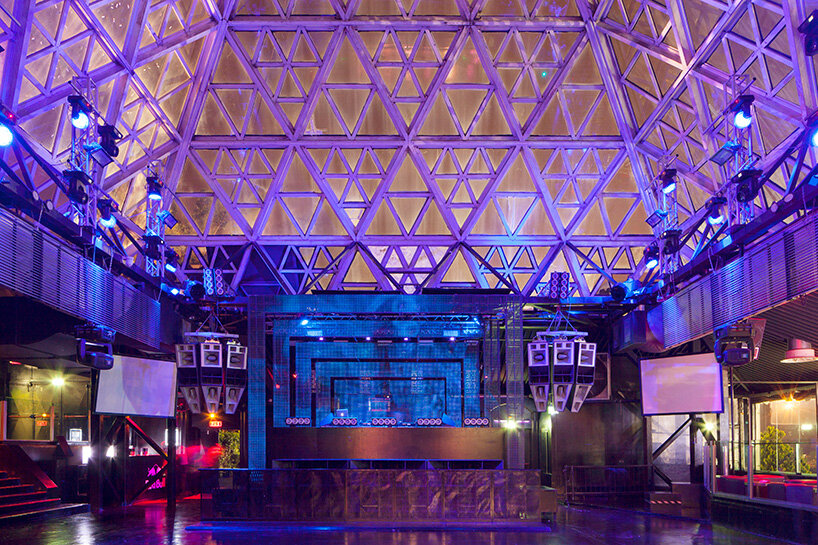
To capture the raw architecture beneath the illusion, Silva deliberately shot a number of her photographs using stark white light. This clinical, unfiltered illumination flattens the dramatic shadows and vibrant hues normally associated with nightlife, exposing the bare structural bones of rooms engineered purely for hedonism. What began as a detached, academic exercise gradually transformed into a deeply familiar landscape for the photographer, aided by the various collaborators, designers, and creators who guided her through the hidden mechanics of the night.
A Multifaceted Career in Visual Arts
Born in 1980, Giovanna Silva lives and works in Milan, maintaining a prolific career as a photographer, author, and publisher. Her editorial background includes regular contributions to Domus between 2005 and 2007, followed by a tenure as the photo editor of Abitare from 2007 to 2011. Over the course of her career, Silva has published numerous books exploring geography, urbanism, and architectural landscape, ranging from Days without Number and Milan. City, I listen to your heart to international photo-essays documenting cities such as Baghdad, Tehran, Damascus, and Kabul.
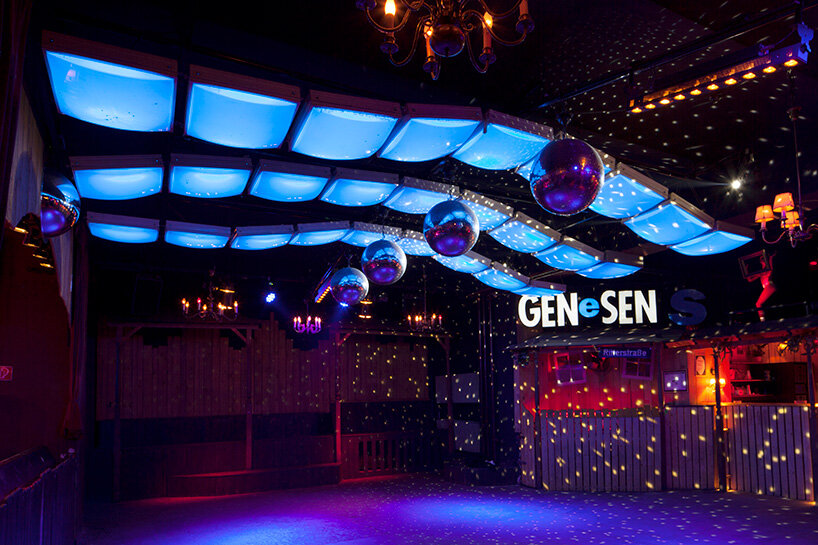
Her work has been exhibited at prominent cultural institutions, including the MACRO in Rome, Fondazione Bevilacqua la Masa in Venice, the Triennale di Milano, and the American Academy in Rome. In addition to her photographic practice, Silva is the founder of Humboldt Books and the co-founder of San Rocco Magazine. She also shares her knowledge as an educator, teaching at NABA in Milan and ISIA in Urbino.
Silva’s inclusion in the ongoing architectural discourse aligns with broader explorations into how human wonder is constructed and experienced within built environments. By documenting the intersection of architecture, light, and transient community spaces, her work preserves a vital chapter of modern cultural history, capturing the fleeting places where architecture and human celebration temporarily merge.