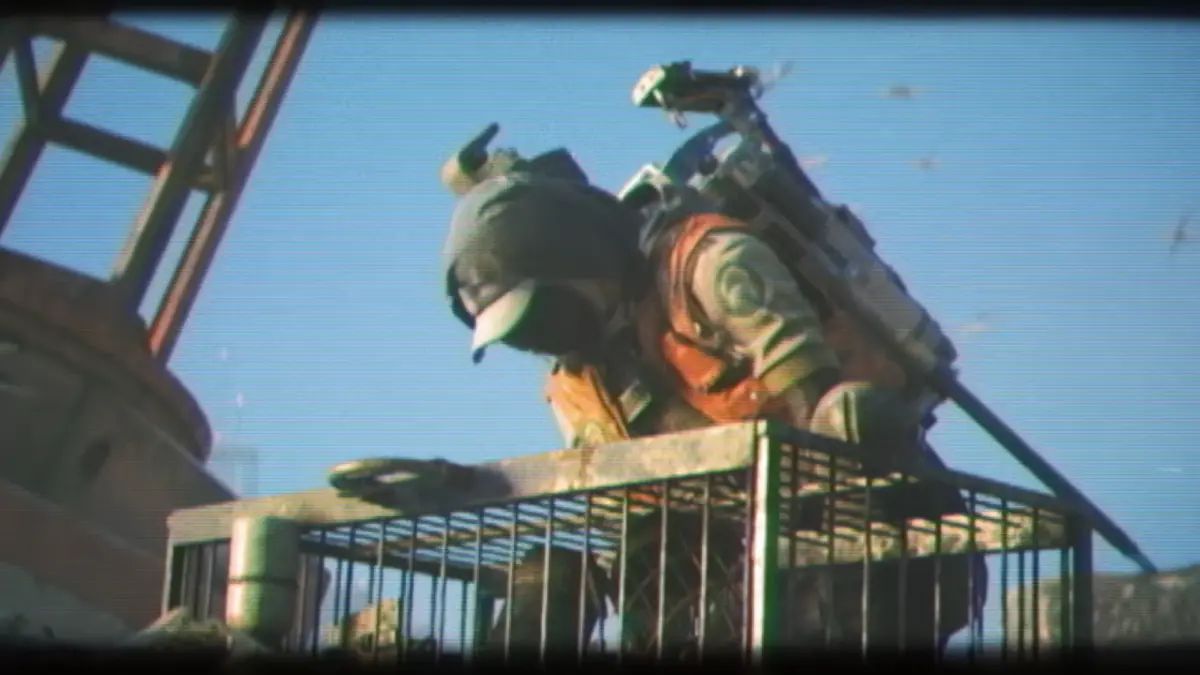
The launch of Arc Raiders is remembered by many players and developers alike as a period defined by a beautiful, terrifying, and expansive world that fostered some of the most memorable community interactions in modern gaming. For a brief, shining moment, it was a refreshingly engaging experience to share with friends. However, that momentum did not last as long as players or the development team at Embark Studios had hoped. According to executive producer Aleksander Gröndal, the studio fundamentally overestimated its capacity for work when thrust into the relentless machinery of live-service development.
Transitioning a title into a modern live-service game is widely acknowledged as a daunting endeavor across the industry, but experiencing it firsthand reveals realities that theoretical preparation cannot fully capture. Reflecting on the studio’s journey in a recent interview, Gröndal admitted that while warnings came from all directions, the actual toll of the process caught the team off guard. When building a game up until its initial release, developers follow a familiar rhythm of building, testing, fixing, and measuring results. The traditional lifecycle of game development relies heavily on this structured approach. However, once a live-service game goes public, player demands scale exponentially, creating an unrelenting pressure loop that small-to-midsize studios often struggle to sustain.
Arc Raiders serves as a stark, cautionary example of suffering from sudden, overwhelming success. While the developers certainly anticipated that the title would find an audience, few could have predicted the sheer velocity of its reception. Within the first thirty minutes of going live, the third-person shooter skyrocketed past 100,000 concurrent players, instantly climbing to the top of Steam’s best-seller charts. Embark Studios had never hidden the fact that it was significantly smaller and less resource-equipped than industry heavyweights like Activision Blizzard or Riot Games. Despite this disparity in scale, the team attempted to match the rapid cadence of content delivery expected by a massive global player base.
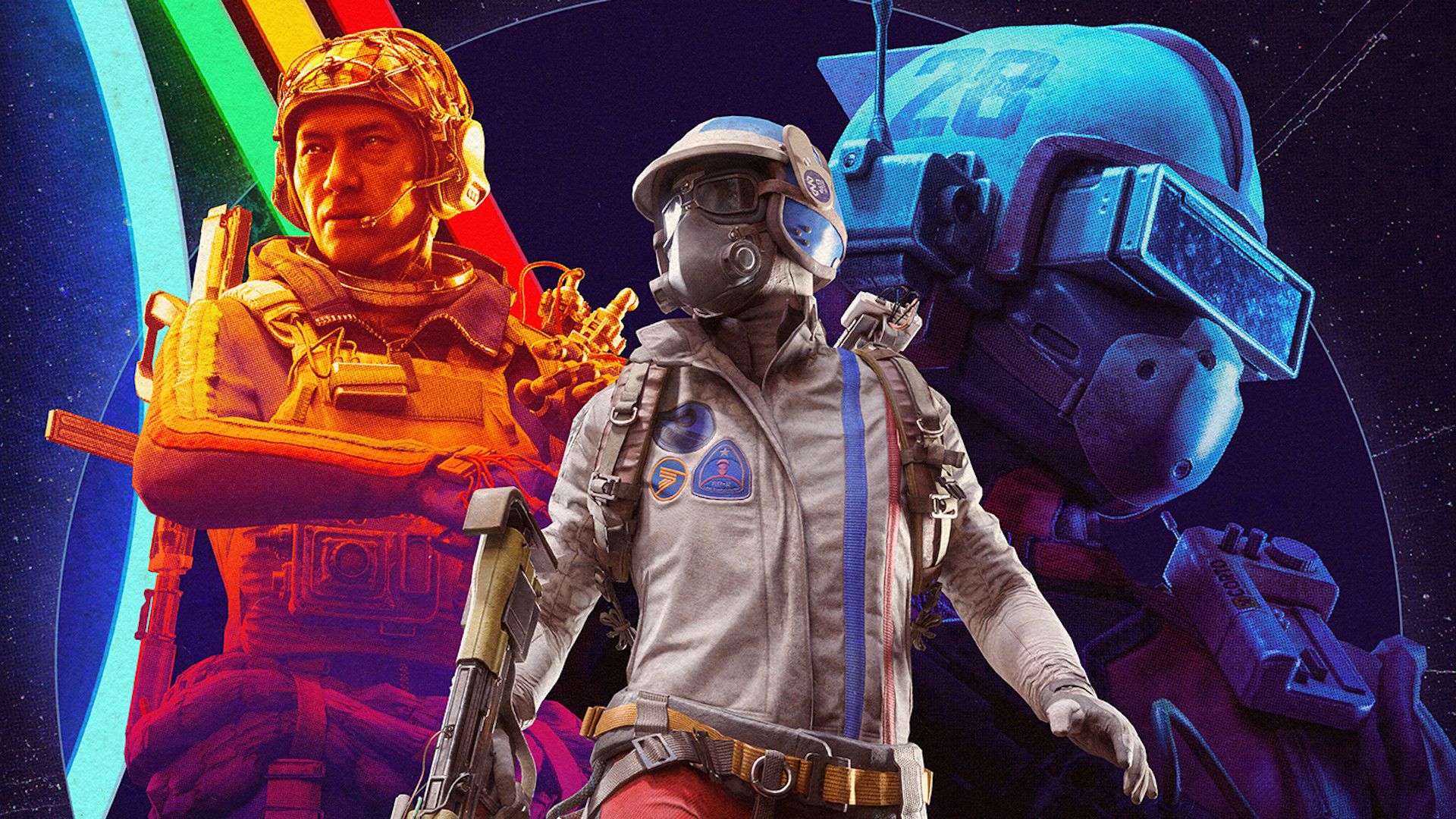
Attempting to maintain that breakneck pace proved to be a recipe for systemic disaster. Gröndal explained that the development team was exceptionally fatigued, constantly striving to push out content as fast as humanly possible, only to find that the output was neither frequent enough nor compelling enough to satisfy the community. Players were clearing events, analyzing mechanics, and exploring maps at a speed that vastly outpaced Embark’s capacity to introduce new material. This mismatch resulted in a prolonged, stagnant phase that ultimately triggered a sharp drop-off in active players as the initial excitement began to wane.
Despite the hurdles, Gröndal expressed pride in what the team managed to accomplish during the first four months of the year, though he emphasized the importance of confronting the negative impacts honestly. The studio simply did not have the necessary time to breathe. A massive portion of their daily resources had to be funneled into the baseline costs of maintaining a live game, such as pushing out bug fixes, patching exploits, and managing technical constraints. Because the studio was constantly overshooting its capacity, long-term planning became nearly impossible. Routine maintenance and cleanup operations consumed so much time that creative momentum ground to a near halt.
The relentless pressure did not merely impact the game’s update schedule; it took a profound toll on the developers themselves. As the team pushed through grueling milestones, morale plummeted, and the work environment transformed from an exciting creative challenge into an unsustainable grind. Gröndal noted that the developers were deeply unhappy, and because the internal strain compromised their output, the consistency and quality of the updates suffered, leaving the community frustrated as well.
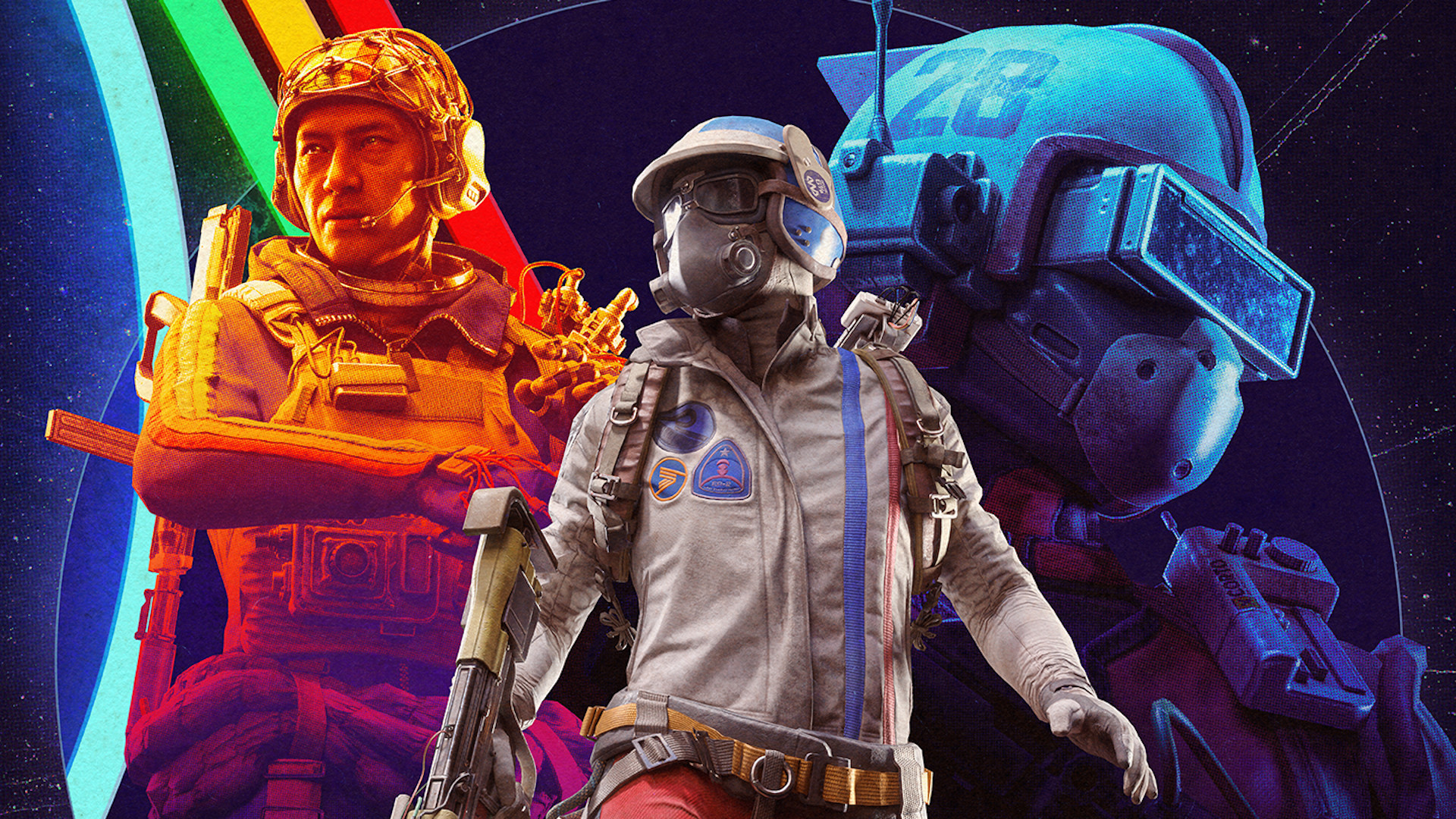
The vicious cycle only came to a halt when leadership paused to reevaluate their fundamental purpose and long-term strategy for Arc Raiders. Looking back at their workflow, the team realized that their development process had been far healthier and more effective before the game shipped. Recognizing this, they resolved to pivot back toward playing to their inherent strengths. By shifting focus away from constant, rushed content drops, the studio aimed to produce higher-quality, more interesting additions across the board. This strategic shift provided the team with the necessary breathing room to properly iterate on ideas rather than treating development as an endless assembly line of shipping updates.
Addressing the human cost of the previous crunch, Gröndal stressed the critical importance of protecting employee well-being and putting a definitive end to workplace burnout. Sharing his own personal experience, the executive producer revealed that he had suffered a severe burnout following the launch of a Battlefield title during his time at Electronic Arts. The exhaustion reached a point where he was forced to step away on sick leave for five months because he was completely broken. Describing the sensation of burnout as deeply unpleasant and damaging, Gröndal emphasized that he would never recommend it to anyone, noting that such extreme pressures ultimately force studios to lose talented people who may be out of work for extended periods.
Managing a live-service ecosystem like Arc Raiders means there will always be an endless list of tasks to address, from overhauling core systems to tackling persistent issues like the game’s anti-cheat challenges. Yet, leadership remains firm in the conviction that player content should never be prioritized over human health. Video games are ultimately entertainment, and empirical experience shows that well-rested, happy developers consistently create superior products. While waiting for new updates may take a bit longer under a more sustainable model, a relaxed and deliberate approach promises a healthier game in the long run. Early signs of this philosophy already bearing fruit can be seen in major updates like Frozen Trail, which delivered expansive content, map additions, and personal outposts.
Establishing a supportive framework that allows for creative expression while maintaining a healthy work-life balance has become Embark’s primary guiding principle moving forward. Gröndal concluded that protecting the mental and physical well-being of the workforce is essential for the long-term viability of the product, ensuring that the talented individuals who built Arc Raiders from the ground up can continue to shape its future safely and sustainably.