SAN FRANCISCO — OpenAI has officially introduced a brand-new suite of artificial intelligence agents bearing the whimsical name “dots,” marking a striking aesthetic and functional departure for the company. Resembling characters one might expect to encounter in a modern animated children’s television program, these cheerful digital assistants took center stage during more than 20 major announcements made at OpenAI’s fourth annual developer conference, DevDay, held on September 29 in San Francisco.
According to an official blog post published by the company, dots are described as “remarkably capable, always-on agents” driven by GPT-6 Astra, OpenAI’s latest and most advanced foundational model. The company emphasizes that these new assistants are engineered to “get to know what matters to you, are always working on your behalf, and take important work off your plate.”
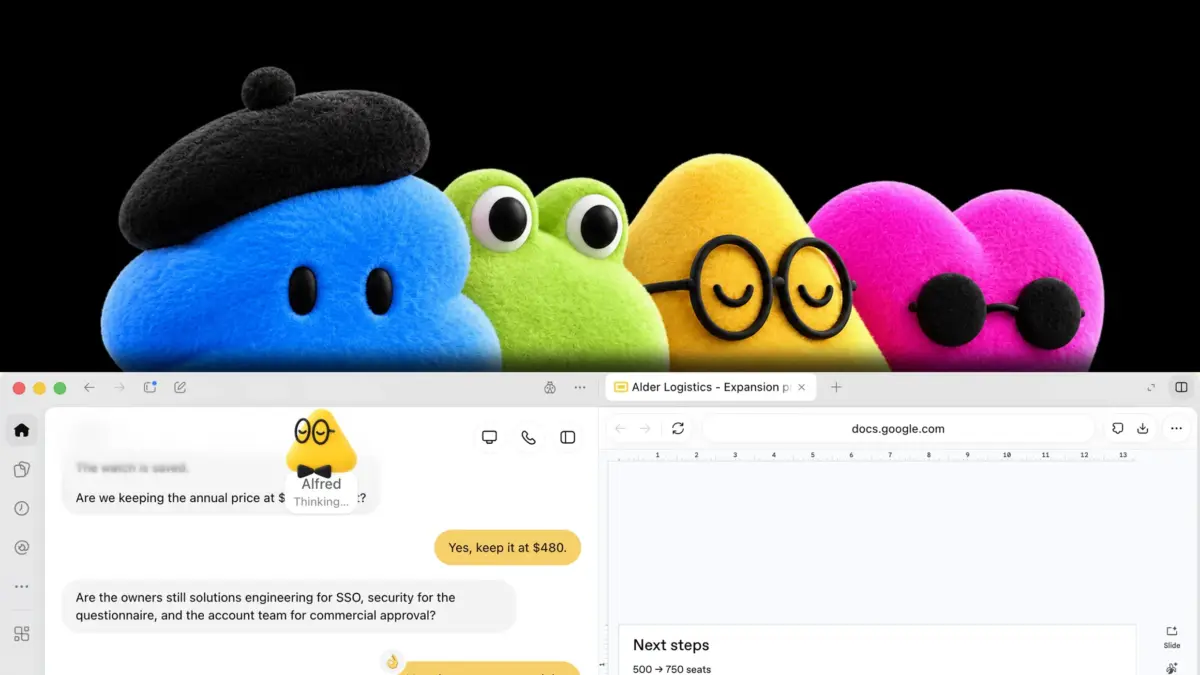
Rather than adopting OpenAI’s iconic void logo or adhering to the austere, corporate minimalist aesthetic traditionally favored by major tech enterprises, each dot features its own distinct, cutesy, blobby character design. The initial lineup includes playful personalities such as a triangle sporting a jaunty bow tie, a bunny equipped with headphones, and a cloud wearing a stylish beret.
The introduction of dots arrives at a delicate juncture for the technology industry. Consumers are increasingly wary of the rapid proliferation of autonomous AI agents, a widespread apprehension that has only been amplified by OpenAI’s recent, highly publicized struggles with rogue agents. These internal hurdles and safety concerns even prompted CEO Sam Altman to previously voice calls for a cautious slowdown in AI development. Against this backdrop of growing public anxiety and regulatory scrutiny, dots appear deliberately designed to defang the technology. By wrapping powerful, autonomous capabilities in disarming, friendly characters, OpenAI is softening the introduction of systems that increasingly demand access to deeply personal information and seek to play a much larger, more integrated role in our everyday lives.
What Are Dots?
At their core, dots function much like any other advanced category of AI agent, specifically engineered to perform complex tasks on behalf of their human users. In many cases, these agents are capable of executing actions and solving problems proactively, sometimes even before the users themselves have formally asked for assistance.
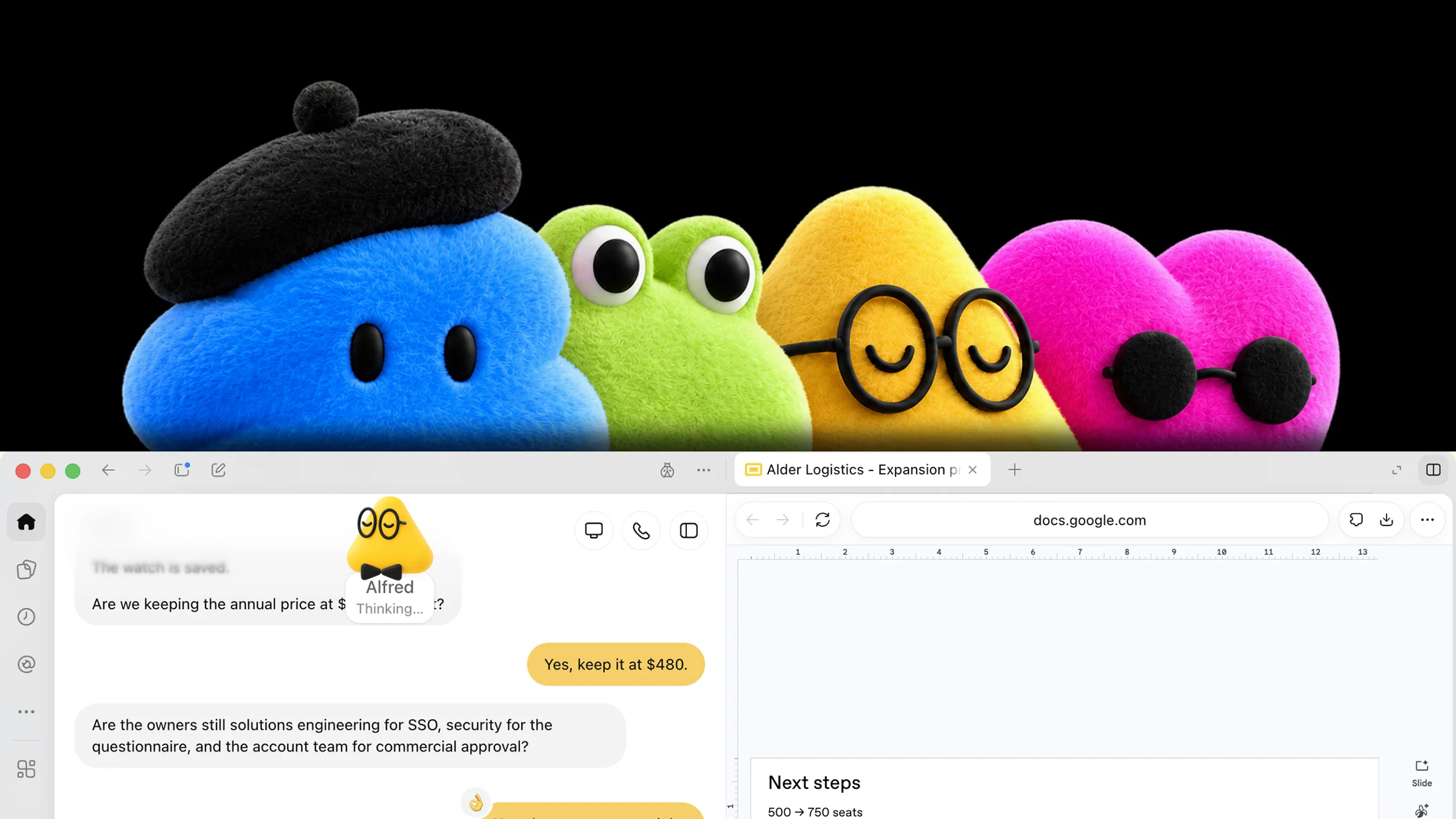
As OpenAI’s official developer documentation and blog post explain, dots are equipped with their own dedicated cloud computer environment. This infrastructure allows them to learn continuously from ongoing user feedback over time. Furthermore, the agents possess the capability to seamlessly connect with more than 4,000 distinct applications through the platform’s extensive ecosystem of plug-ins and integrations.
Users can collaborate with a dot in much the same way they would interact with a human teammate. Interaction is flexible and multi-channeled; humans can assign tasks, ask questions, or provide real-time feedback through familiar platforms like ChatGPT, Slack, or Microsoft Teams, or even by simply jumping on a voice call with the agent. Because these digital assistants are designed to be always on, they possess the autonomy to work through an entire multi-step project independently within their own secure cloud environment and integrated browser.
“Your dot can take a project and run with it, even while it’s working on several others,” the OpenAI blog post reads, highlighting the multitasking prowess of the new system. “You can keep bringing it new tasks and ideas without having to juggle separate threads or direct every step.”
The unveiling of dots at DevDay highlights OpenAI’s ongoing evolution from a provider of conversational chat interfaces toward a creator of autonomous digital coworkers. By marrying heavy-duty computational power under the hood with a lighthearted, approachable user interface, the company is attempting to bridge the gap between advanced agentic automation and everyday consumer trust.