Long before the advent of location-based digital networks, algorithmic matchmaking tools, and modern mobile applications like Grindr and Sniffies designed to facilitate discreet connections, gay men navigated the social and romantic landscape through a distinctly analog framework. In dimly lit, unmarked establishments operating under the soft glow of vintage swag lamps and the thick, perpetual haze of cigarette smoke, patrons kept track of potential partners through tangible means. They exchanged telephone numbers inside the covers of collectible matchbooks—ephemeral objects that functioned simultaneously as subtle matchbook-sized calling cards and vital social lubricants as couples danced, swayed, conversed, and lit cigarettes into the early hours of the morning.
Those matchbooks, which served as ubiquitous fixtures of gay bar culture throughout the mid-20th century, have now been preserved and elevated through two dedicated design volumes curated by designer and editor Darian Newman. The first release in the project, titled Cruising: Gay Matchbooks, debuted in the spring of 2025 and quickly outpaced expectations, selling out multiple print runs. The unexpected resonance and commercial success of that initial edition drove Newman to assemble a second volume of the same name. This subsequent release expands the archival scope significantly, featuring 200 newly discovered matchbook designs alongside 12 curated essays from writers, historians, and cultural critics.
Newman explains that these matchbooks offer a compelling reflection of an era when queer spaces possessed distinct visual identities painstakingly crafted with their specific local communities in mind. Furthermore, they represent a unique category of historical ephemera that provides a rare, unfiltered window into moments of authentic queer joy and camaraderie during a historical period that is predominantly chronicled through narratives of systemic struggle, marginalization, and grief.
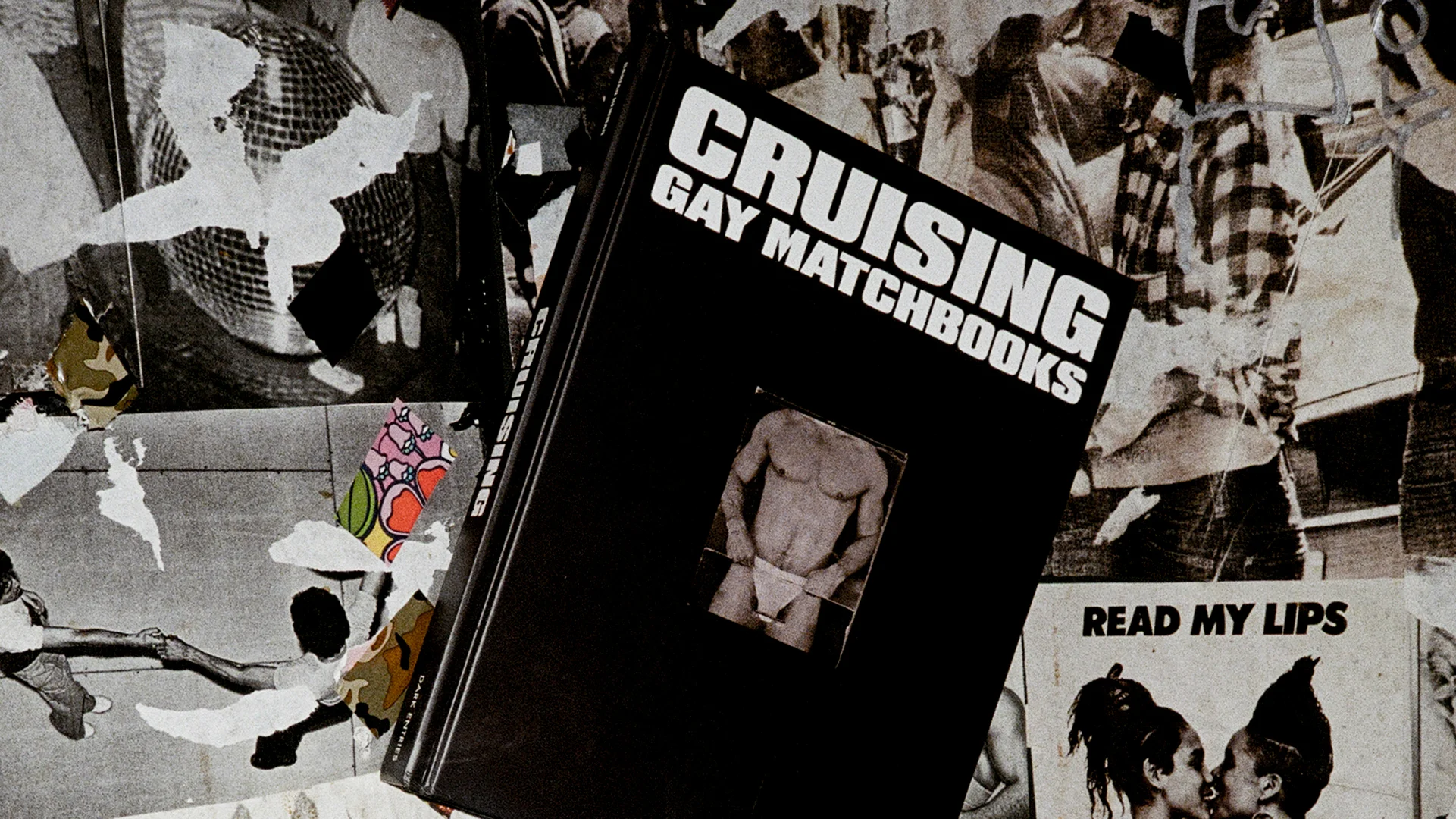
In the introduction to the book, Newman observes that graphic and visual design created for marginalized communities has historically centered on protest, visibility campaigns, and political defense. By contrast, these matchbooks radiate a striking sense of pleasure. They capture the palpable delight of being openly queer and going out into the world, the sensory ritual of striking a match and lighting a cigarette, and the anticipatory thrill of securing a stranger’s phone number alongside the promise of future romance and adventure.
Before Grindr and Sniffies, There Was the Matchbook
"Manhole." "Dude City." "Mother Lode." "The Mind Shaft."
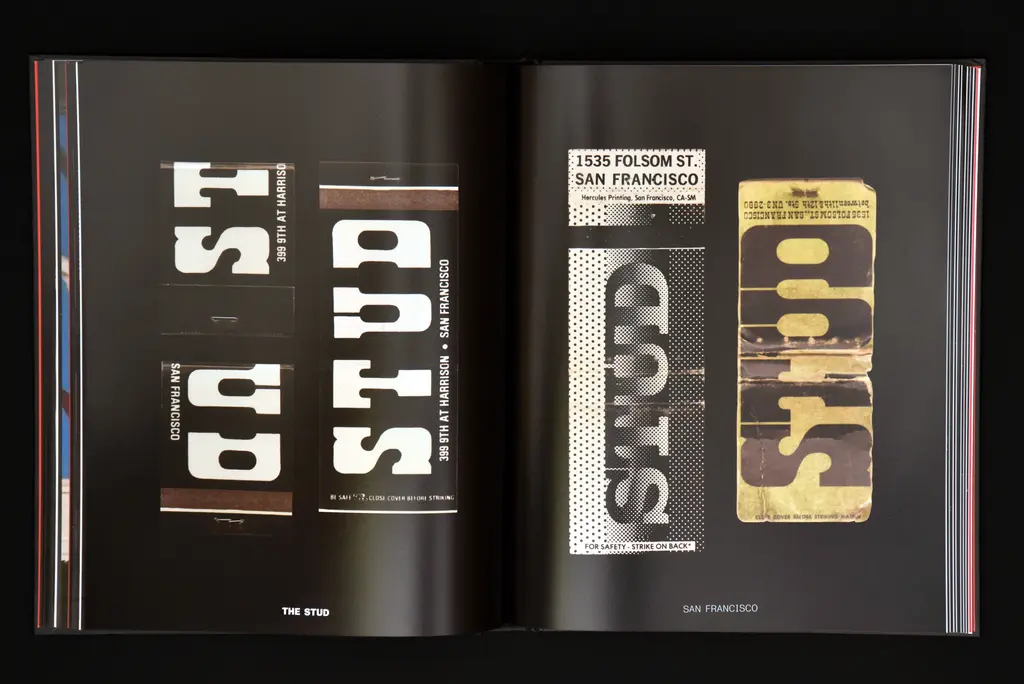
These evocative, historically charged names represent just a fraction of the clubs and lounges that Newman discovered embossed, printed, or stamped onto vintage matchbooks. Frequently produced using custom typography and complemented by intricate hand-drawn illustrations and specialized photography, these objects were miniature works of graphic art. During a historical epoch when gay bars were frequently targeted by law enforcement raids, harassment, and societal censure, patrons relied on discretion, word-of-mouth networks, and coded signals to navigate their personal lives safely. In this high-stakes environment, matchbooks functioned as an ingenious form of clandestine bar and club advertising tailored exclusively for those in the know.
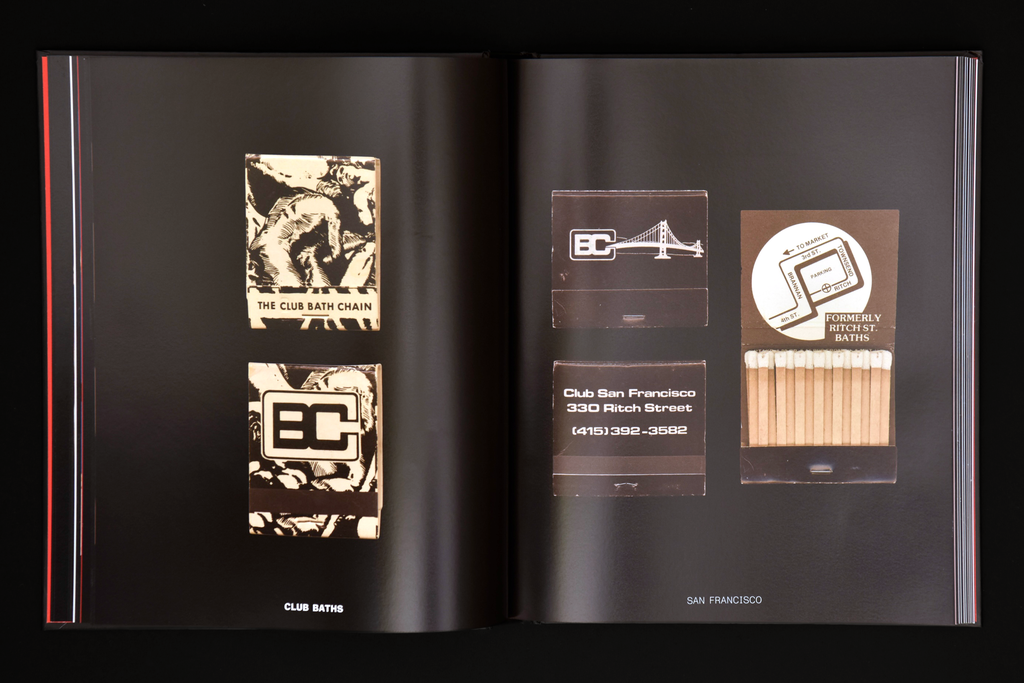
The design of these items was treated as a perfected art form. Despite their diminutive physical size, each matchbook was engineered to communicate the establishment’s unique underground aesthetic, social subculture, and interior vibe to prospective patrons before they even crossed the threshold.
In an essay contributed to the collection, Lucas Hilderbrand, a professor of film and media studies at the University of California, Irvine, elaborates on the strategic necessity behind these designs. He notes that many historical bars deliberately lacked exterior signage to maintain operational discretion and protect their clientele from exposure. Instead of relying on traditional storefront markers, these venues fabulated vivid, imaginative queer worlds through double-entendre names, suggestive phallic logos, and elaborate graphics printed on matchbooks and promotional event flyers.
Hilderbrand points out that matchbooks and promotional advertisements rarely attempted to represent the literal actuality of the brick-and-mortar venues they promoted. Rather, they produced a stylized, idealized fantasy of each space. In many cases, the inventive, striking graphic design of the matchbooks outlives the physical venues themselves, serving as permanent monuments to spaces that might otherwise have faded entirely from public memory and historical record.