Apple and the broader gaming community have long shared a relationship characterized by polite distance rather than deep integration. For years, Apple has designed remarkably powerful custom silicon, routinely demonstrating chips that outperform dedicated gaming consoles in benchmark slides, only to pivot right back to productivity tools, professional workflows, and consumer applications. Meanwhile, mobile gamers looking for serious portable experiences have historically turned to dedicated handheld systems like the Nintendo Switch or the Steam Deck, largely overlooking the pocket-sized processing power of the iPhone.
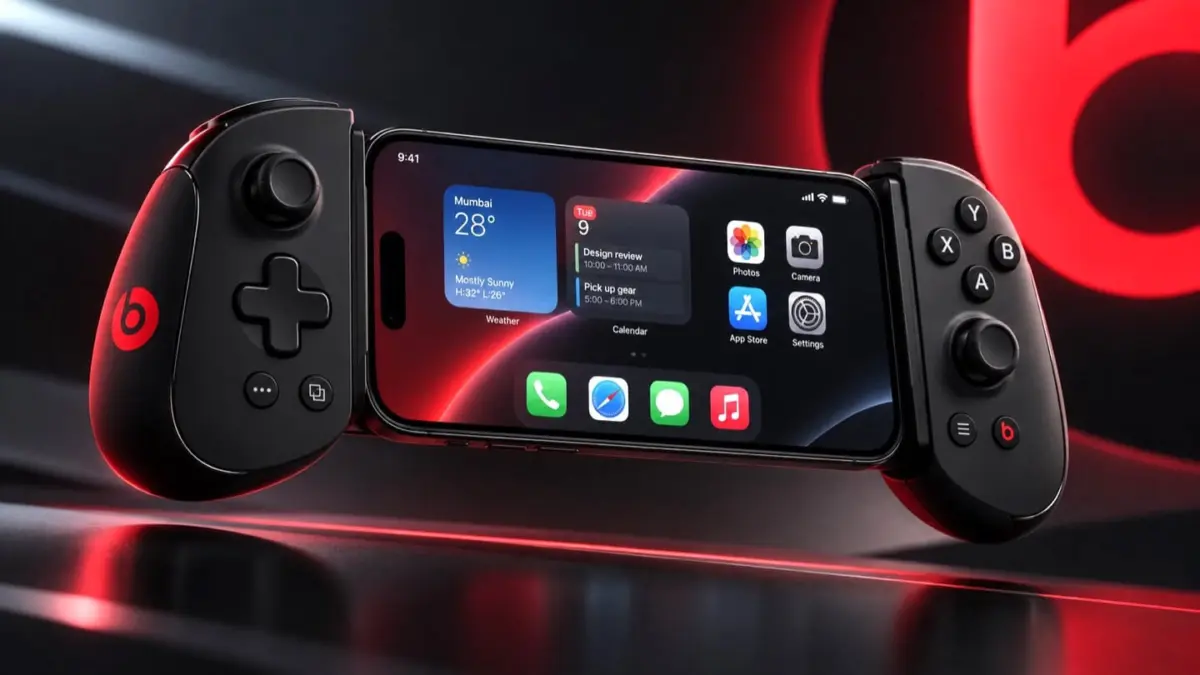
According to a recent report by Bloomberg’s Mark Gurman, Apple is finally looking to bridge that divide. The company has reportedly spent more than a year quietly developing its own dedicated gaming controllers designed specifically for the iPhone. However, the most striking twist in the development effort is the choice of branding. Rather than featuring a prominent Apple logo, the upcoming hardware is expected to launch under the Beats banner—the popular audio label that Apple acquired in 2014 and has gradually transformed into a broader lifestyle and youth-oriented sub-brand.
Tangible evidence of this hardware initiative has recently surfaced within leaked software builds. Code discovered within a macOS build points directly to two unreleased devices, identified by the internal identifiers T6502 and T1057. Rather than relying on generic placeholder text, each device carries its own dedicated controller profile, outlining standard gamepad inputs including thumbsticks, triggers, a directional pad, and traditional face buttons.
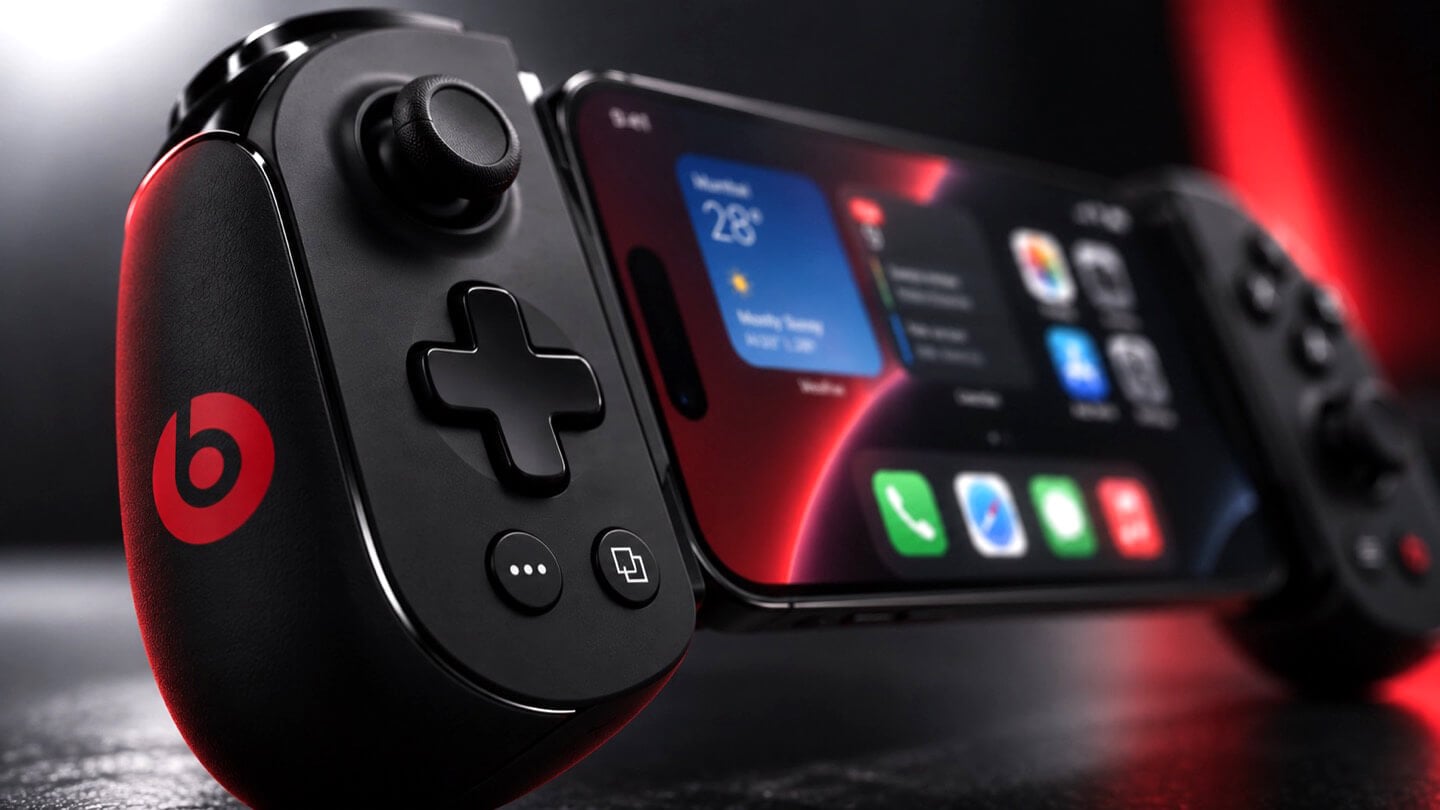
The two hardware profiles suggest that Apple is exploring different approaches simultaneously. The T6502 model appears to keep the design philosophy straightforward and wired, prioritizing simplicity and direct connection. Conversely, the T1057 model incorporates Bluetooth connectivity, advanced motion sensors, and a significantly more sophisticated haptic feedback engine. While pricing, official release dates, and formal product announcements remain absent, the existence of these dedicated software profiles indicates that the project has advanced well beyond early concept boards and exploratory design phases.
The decision to channel the project through Beats rather than the core Apple brand offers a telling glimpse into hardware strategy and aesthetic boundaries. According to reporting by Mark Gurman, executives within the Beats organization are leading both the engineering efforts and the overarching product concepts, rather than simply stamping a familiar logo onto hardware finalized by Apple’s main industrial design group.
This division makes sense when considering how consumer expectations differ across product categories. The culture, ergonomics, and lifestyle surrounding gaming controllers align much more naturally with the identity of Beats than with the minimalist, ultra-premium aesthetic historically cultivated by Apple. Utilizing the Beats brand grants the company greater creative freedom to experiment with bolder colorways, louder design accents, and more resilient, grip-friendly plastics.
Titanium and glass photograph exceptionally well for flagship smartphones, but those materials are rarely ideal for a controller gripped tightly during extended gaming sessions. Beats, known for its vibrant color palette and relaxed approach to lifestyle hardware, provides a far more logical home for a device built to be squeezed, tossed into bags, and subjected to heavy daily use.
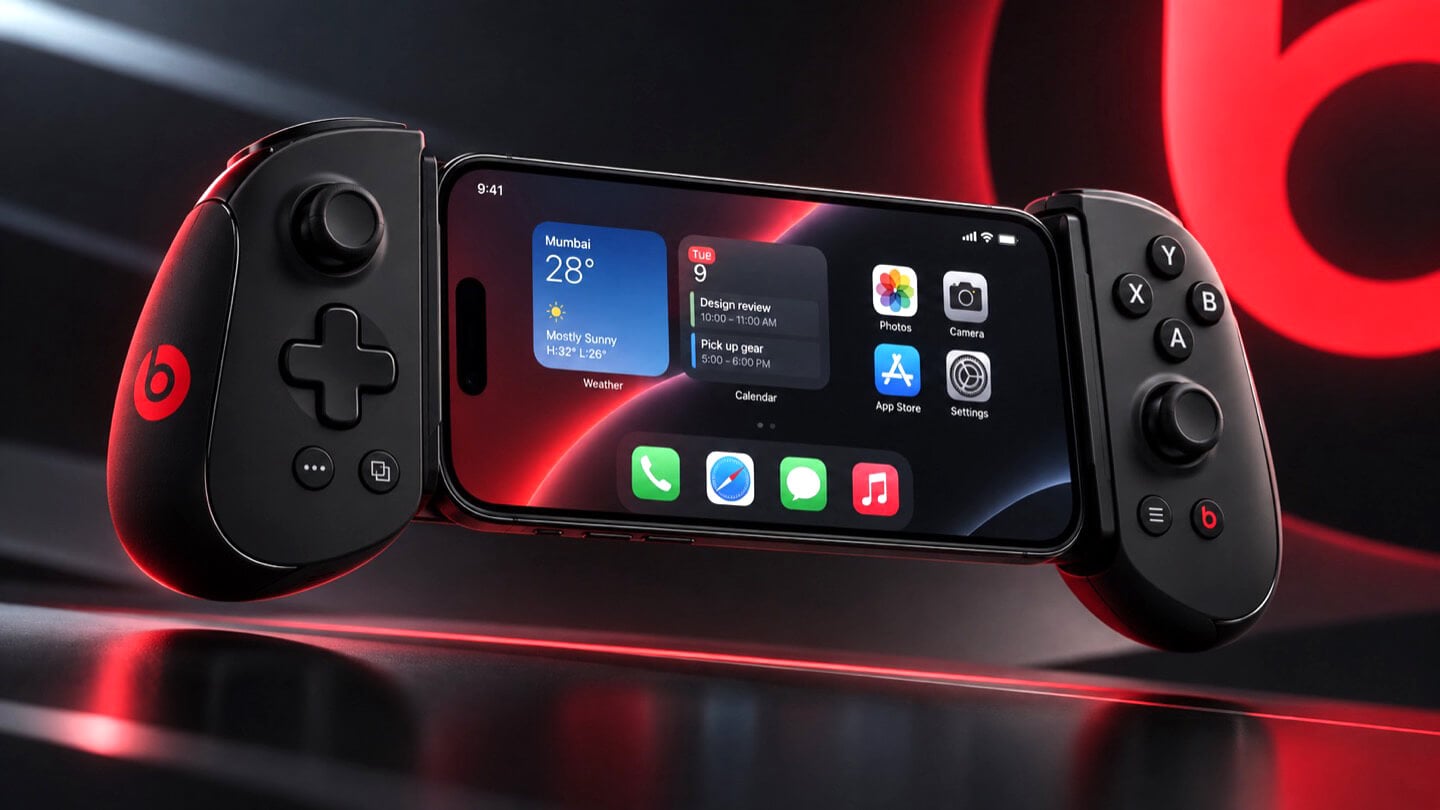
At the same time, this dual-device strategy presents distinct trade-offs for prospective buyers. The wired T6502 model is positioned as a simpler, more accessible option, likely omitting advanced features like motion controls or nuanced haptics in favor of affordability and plug-and-play reliability. Meanwhile, the feature-rich T1057 model addresses the demands of core gamers through wireless connectivity and advanced feedback, though Bluetooth devices inherently introduce pairing complexities and battery management considerations that a direct USB-C connection avoids. Apple will ultimately need to define distinct market positioning for both variants through pricing and feature sets once the products move closer to commercial reality.
Apple’s historical relationship with gaming accessories has also experienced various iterations over the years. The company has occasionally explored gaming input concepts without bringing them to retail, and previous software strategies—such as mandating developer support for the Siri Remote’s accelerometer as a primary gaming input—were eventually phased out. A software profile discovered within an unreleased build remains distinct from a formal introduction on a keynote stage.
Nevertheless, the strategic timing of these rumored controllers aligns closely with broader software infrastructure changes introduced across Apple’s ecosystem. The introduction of a dedicated Games app on iOS consolidates user libraries, Game Center social connections, and Apple Arcade subscriptions into a unified hub spanning iPhones, iPads, Macs, and Apple TVs. Furthermore, Apple Arcade has steadily expanded its catalog to offer over 250 titles for a flat monthly subscription fee.
Introducing first-party or branded hardware controllers provides this growing software and subscription ecosystem with dedicated physical input devices, serving a purpose that extends far beyond hardware sales alone. At the same time, entering the mobile gaming controller market places Apple in direct competition with established third-party manufacturers already occupying retail space in Apple Stores, such as Backbone and SteelSeries. Competitors have continuously refined their offerings, featuring full-sized analog sticks, extended battery performance, and portable, collapsible designs tailored to various consumer preferences.
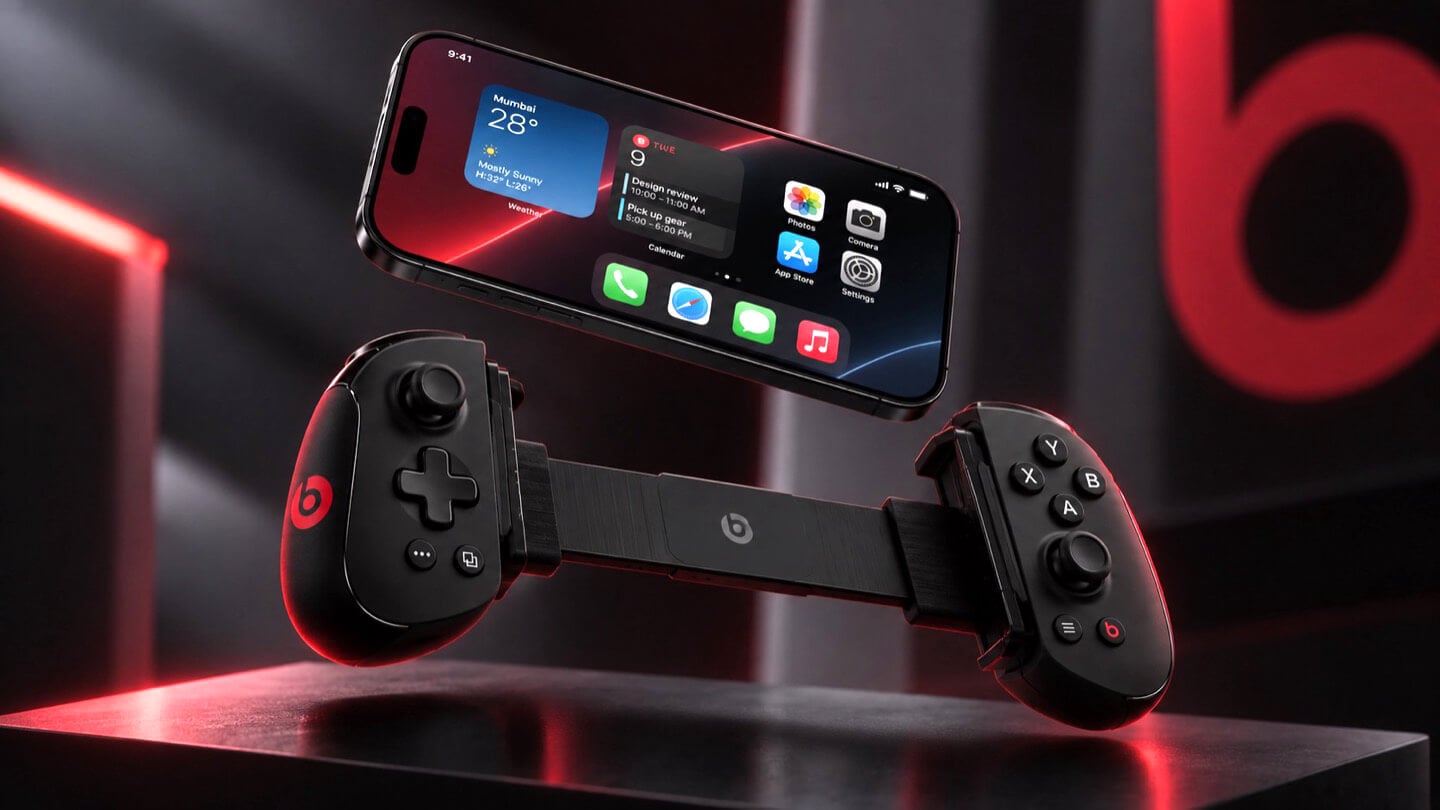
Apple’s potential entry into the controller market via Beats highlights how the company approaches mature hardware categories late in their evolution—entering quietly, leveraging a secondary brand identity, and adapting its traditional design philosophy to better match the specific demands of a new user base.