Plaids and florals might traditionally feel more at home adorning plush upholstery or patterned wallpaper rather than cold ceramic tile, but a striking new collection from Fireclay Tile is making a compelling case for bringing those familiar motifs to harder surfaces. Named "Idyllwild," the brand-new hand-painted collection takes its core inspiration from traditional textiles, successfully translating everything from delicate botanical illustrations to richly layered, complex plaids into ceramic designs that feel simultaneously nostalgic and remarkably contemporary.
Interestingly, the expansive collection didn’t actually begin with flowers at all. According to Jamie Chappell, Vice President of Brand and Product at Fireclay Tile, the creative journey started from observing current macro-trends in interior design. The team noticed that contemporary designers were increasingly pairing intricate textiles, rich colors, and varied patterns together in layered living spaces. Early design explorations thus focused heavily on linear geometries, specifically plaids and stripes. Chappell notes with a touch of humor that as a true lover of 1990s alt-rock, she actually went down a creative rabbit hole early in the development process, briefly wondering if the project should shape up to be a full "grunge" collection.
That edgier direction eventually gave way to something softer and more versatile. Recognizing the timeless, foundational relationship between florals and plaids in classic interior architecture, the design team decided to introduce botanical patterns to beautifully balance the collection’s more structured, geometric designs. The collection eventually earned the name Idyllwild, serving as a subtle nod to the scenic, artsy California mountain town known for its rustic yet refined aesthetic.
The resulting collection is remarkably comprehensive, including 16 distinct patterns neatly organized into four thematic categories: Specimen Flowers, Idyllwild Florals, Idyllwild Stripes, and Idyllwild Plaids.
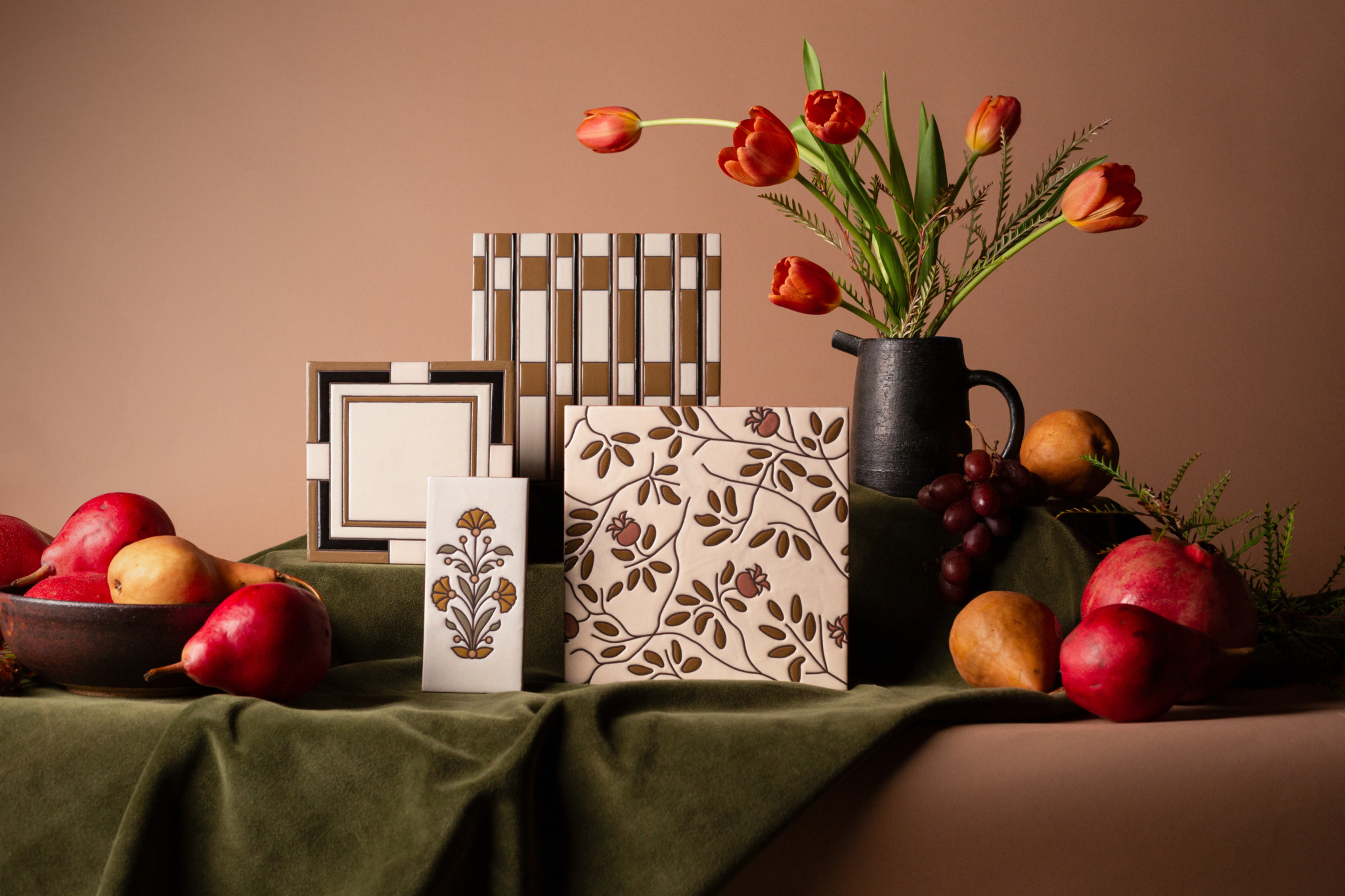
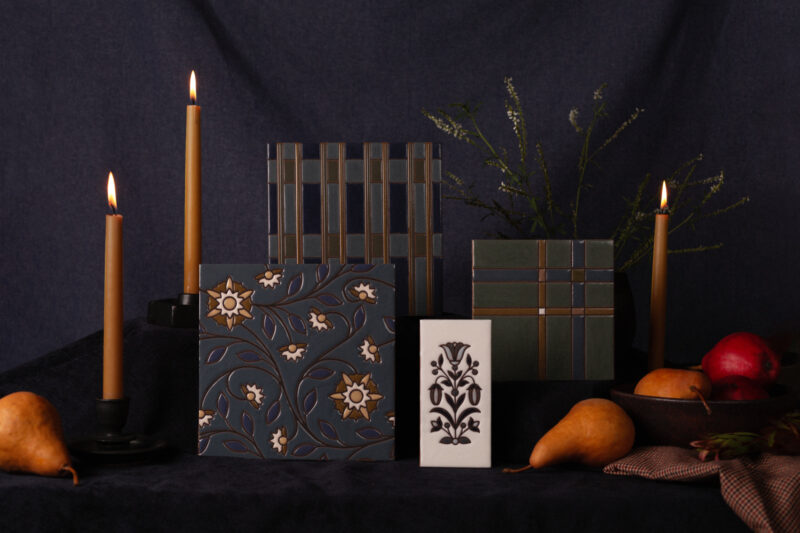
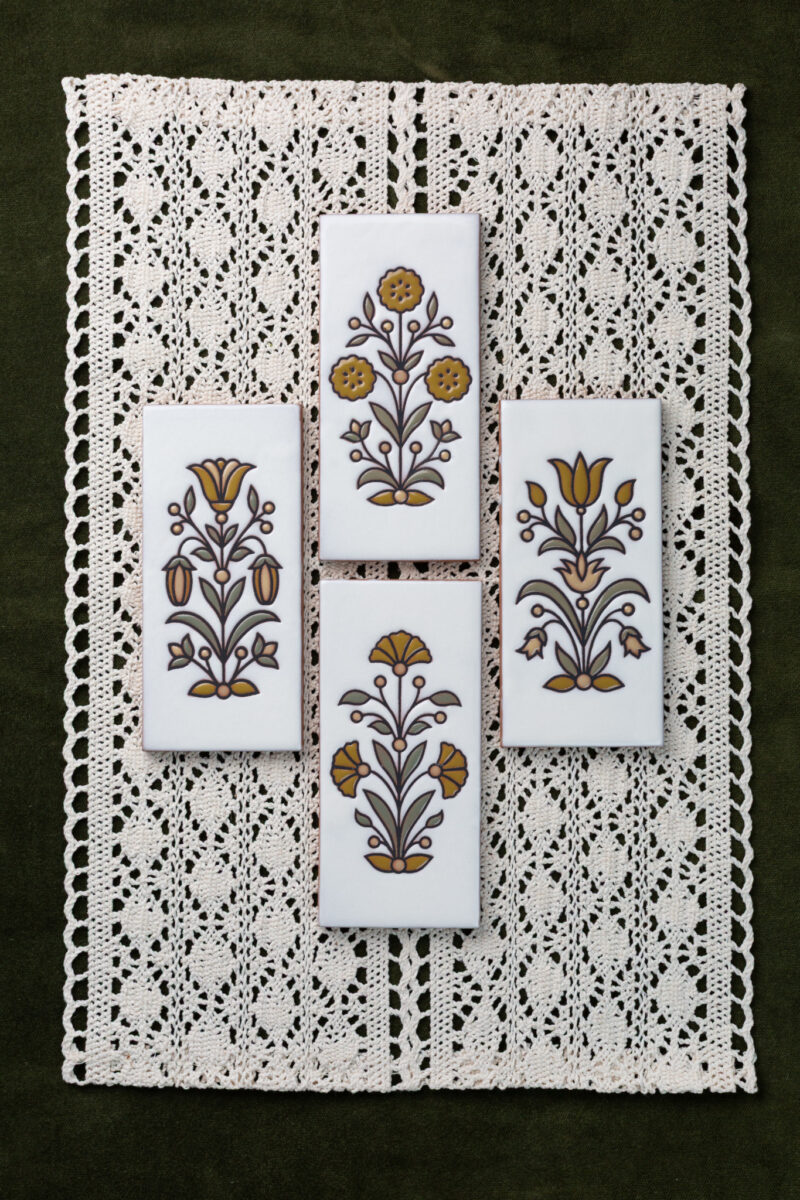
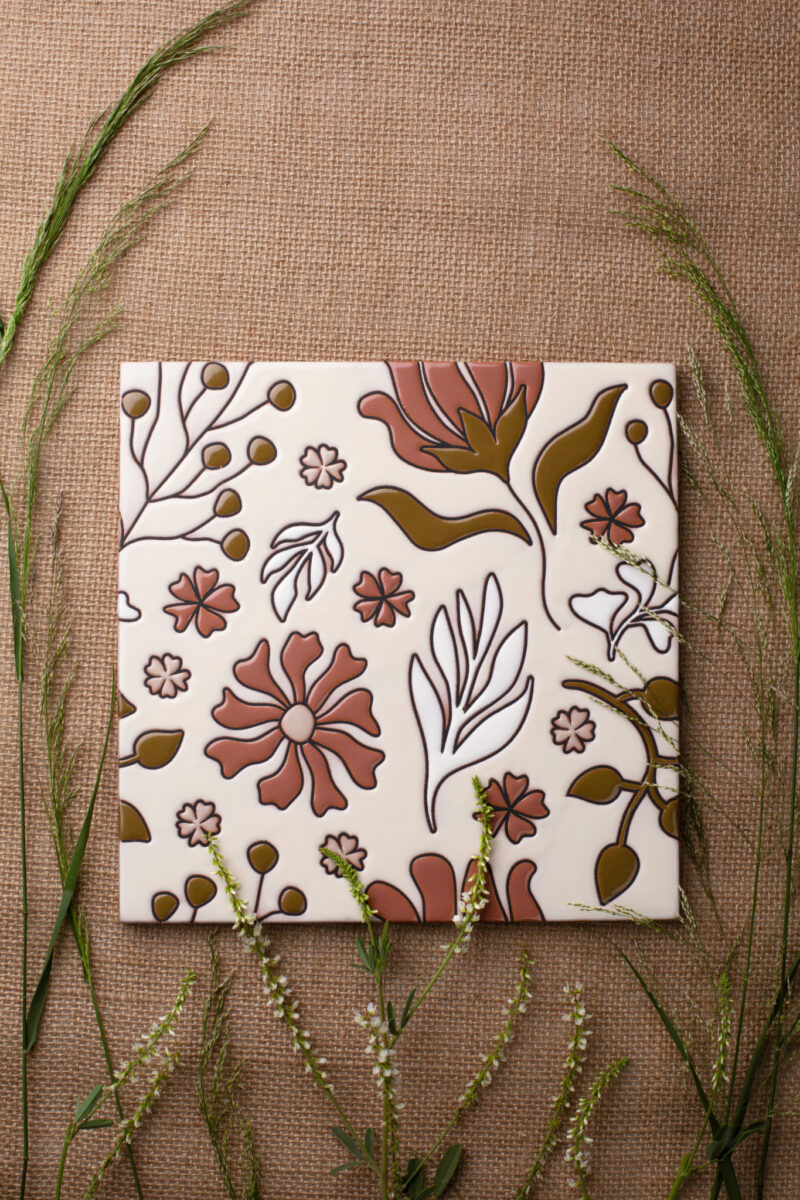
The Specimen Flowers series focuses on simplicity and detail, featuring four individual botanical designs—Allium, Carnation, Lily, and Bluebell—that can be arranged thoughtfully across kitchen backsplashes, shower niches, and striking accent walls. In contrast, the Idyllwild Florals take a much more expansive, immersive approach. With repeating patterns named Pomegranate, Tulip, Morning Glory, and Meadow, these tiles feature overlapping stems, intricate leaves, and blooming blossoms that create the dense, layered visual effect of a lush garden growing organically beyond its spatial boundaries.
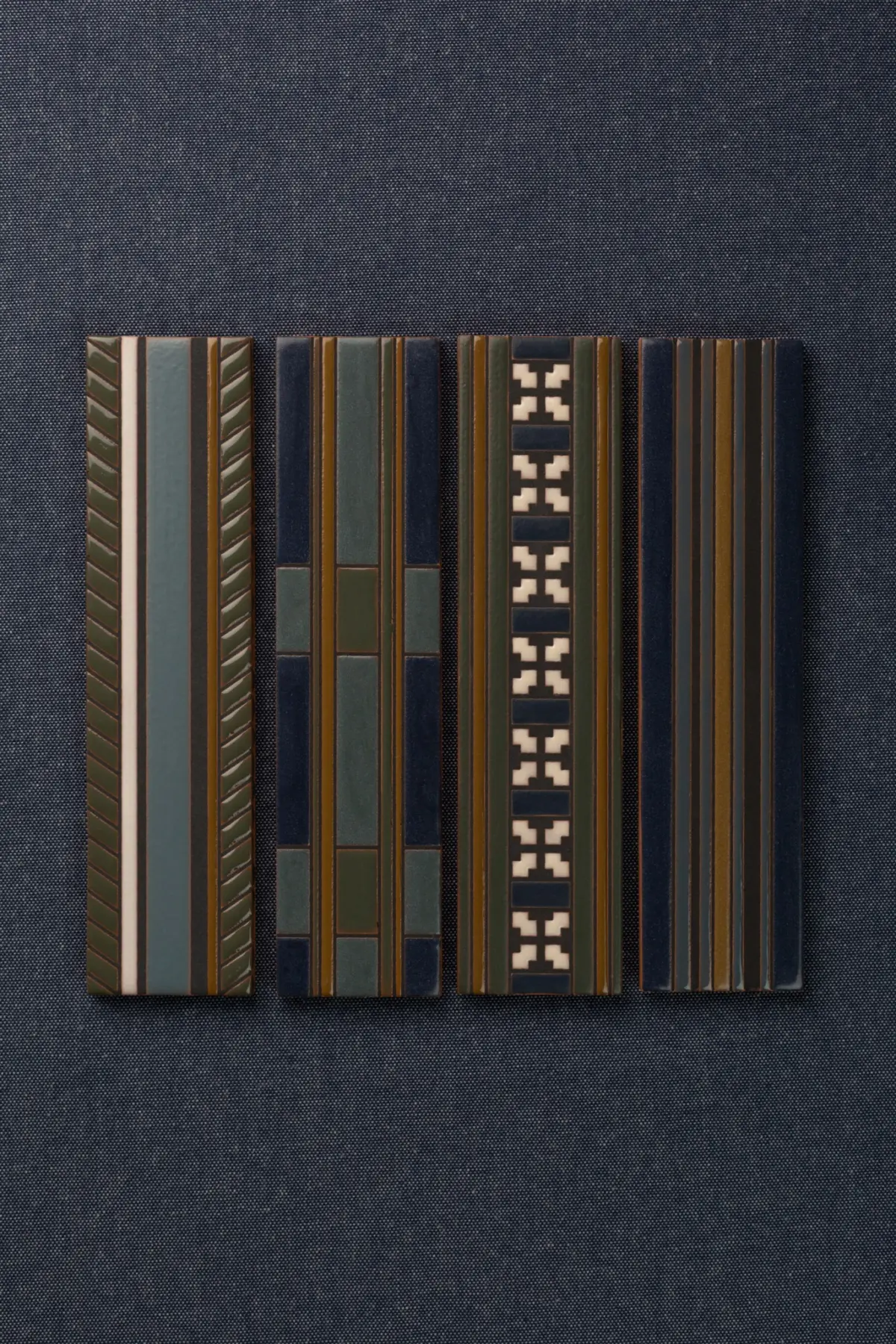
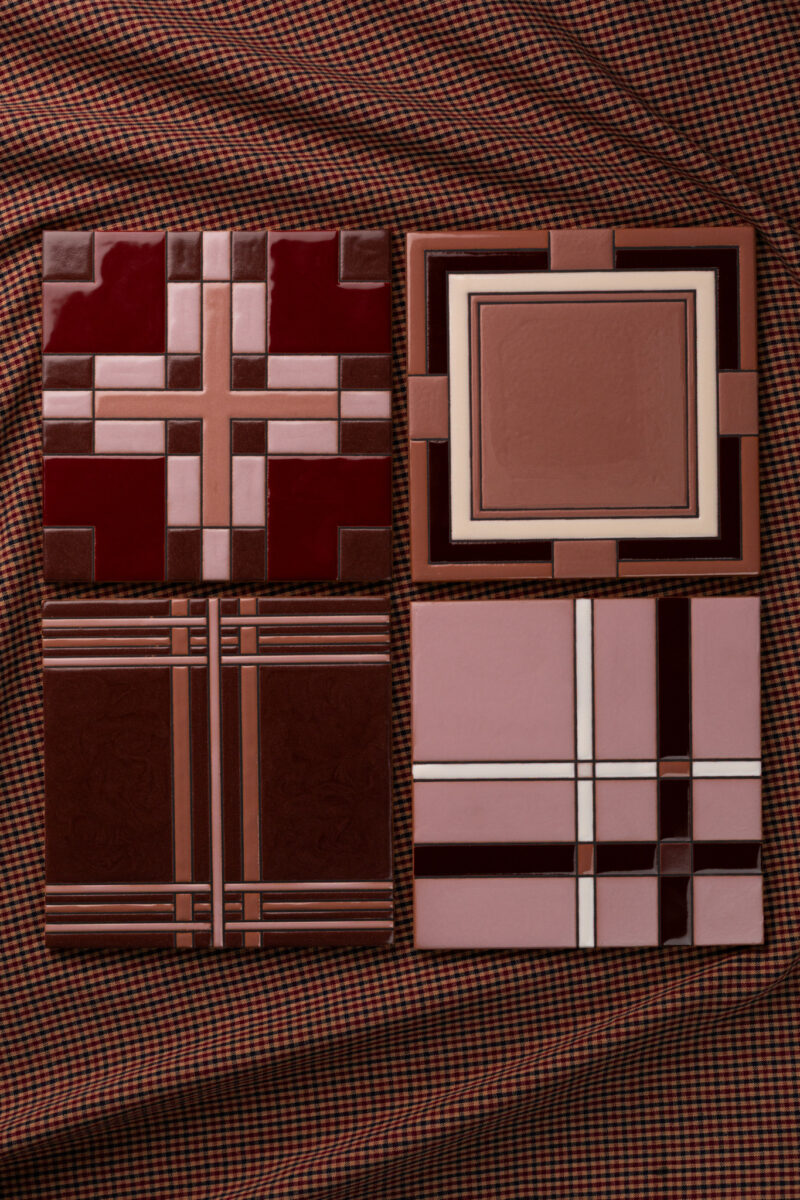
Meanwhile, the Stripes and Plaids series explore a completely different kind of graphic ornamentation. Four distinct striped patterns—named Stuga, Mokki, Blockhaus, and Thatch—introduce visual rhythm through repeated linear arrangements and subtle geometric details. The Plaids, on the other hand, borrow the rich visual language of woven fabrics. Patterns such as Chalet, Highlands, Minka, and Torp create intersecting grids that can function as anything from an understated background texture to a bold, room-enveloping focal point depending on the scale and colorway chosen.
While the final designs pay clear homage to traditional textiles, translating soft, woven fabrics into hard, hand-painted ceramic required an entirely different way of thinking about pattern creation and production logistics. Chappell explains that the team had to significantly simplify and edit the initial artwork so that their skilled in-house painting team could actually execute the intricate details by hand.
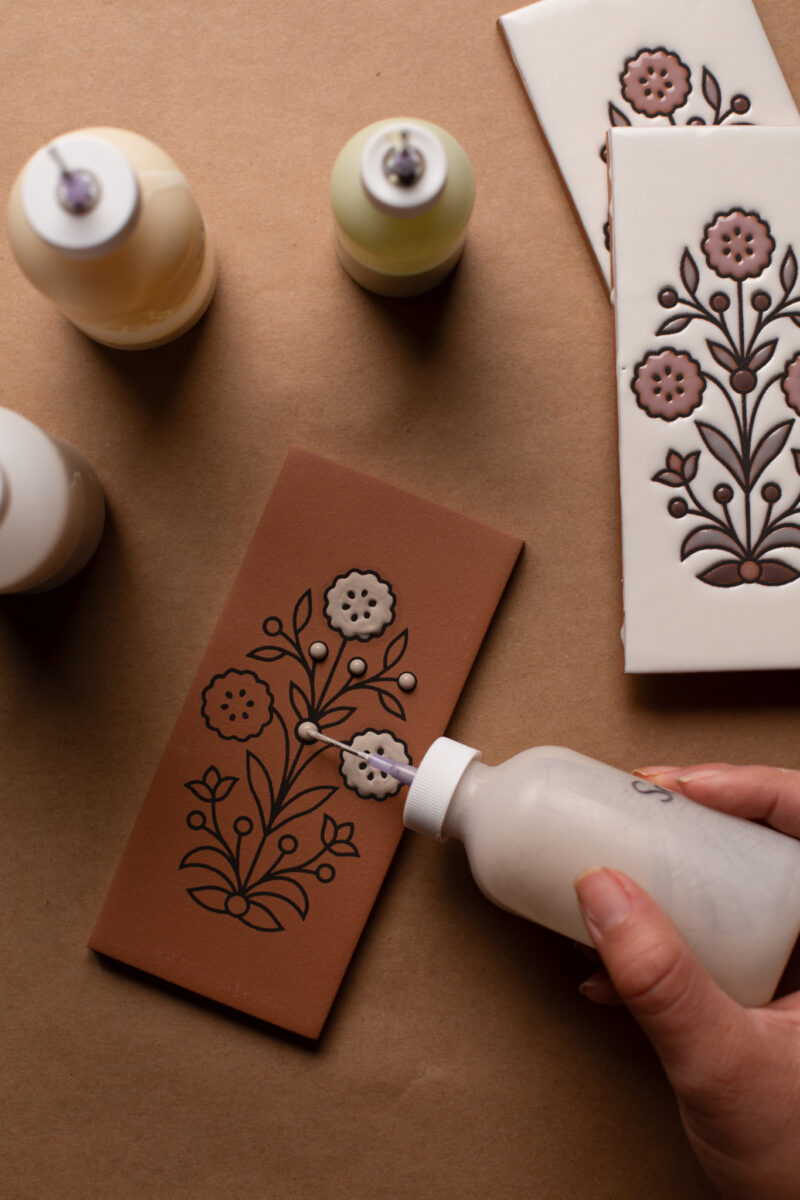
The production process relies heavily on resist lines to cleanly define individual areas of color on the tile body, making the precise scale and spacing of each design element critical. When translating intricate woven textiles into screen art and subsequent hand-painted glazes, the team had to pay extraordinary attention to the exact thickness of the lines, the size of the tiny fields required to be filled with glaze, and ensuring that the painters were provided with enough natural starting and stopping points so they could work efficiently without sacrificing the handcrafted quality of the product.
Fireclay’s dedicated painting team was closely involved throughout the prototyping phase, providing vital, ground-level feedback on details that proved too small for the medium or areas where the glaze could not be applied smoothly by hand. To solve some of these production hurdles, the company even went so far as to develop an entirely new glaze base specifically formulated to support the demands of their hand-application process.
The deep relationship between creative design and manufacturing capabilities also extended directly into the realm of color. Each of the 16 unique patterns is made available in four curated color palettes inspired by the changing seasons, but developing those options required another massive undertaking from the company.
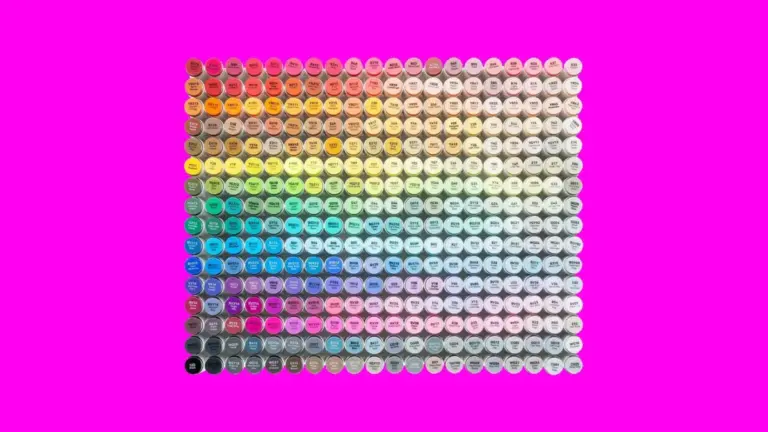
Prior to this launch, Fireclay’s legacy hand-painted glaze palette had become somewhat disconnected from its broader, main ceramic tile offerings, which ultimately limited customization opportunities for clients and designers. To resolve this disconnect, the production team spent months meticulously matching the company’s 50 core ceramic colors in both high-gloss and matte finishes. The resulting 100 distinct finishes can now be freely combined across the entire Idyllwild collection, opening up vast possibilities for custom specifications.
To successfully develop Idyllwild’s seasonal palettes, the internal team worked closely with physical tile samples alongside advanced 4K digital renderings, rigorously testing various combinations before translating them into actual paint sheets for production. The resulting color stories also reflect broader shifts the company has been observing across the interior design landscape, including a surging consumer and designer interest in deeper reds, rich burgundies, and earthy, moody blues.
Chappell emphasizes that organizing the expansive collection into four distinct seasonal motifs vividly demonstrates how profoundly color can alter the inherent personality of a design. For instance, a plaid rendered in soft, muted pastels feels light, airy, and cottage-like, whereas that exact same geometric pattern specified in deep, dark, moody tones reads entirely differently, evoking the feeling of a cozy, heavy wool blanket draped over a piece of furniture.
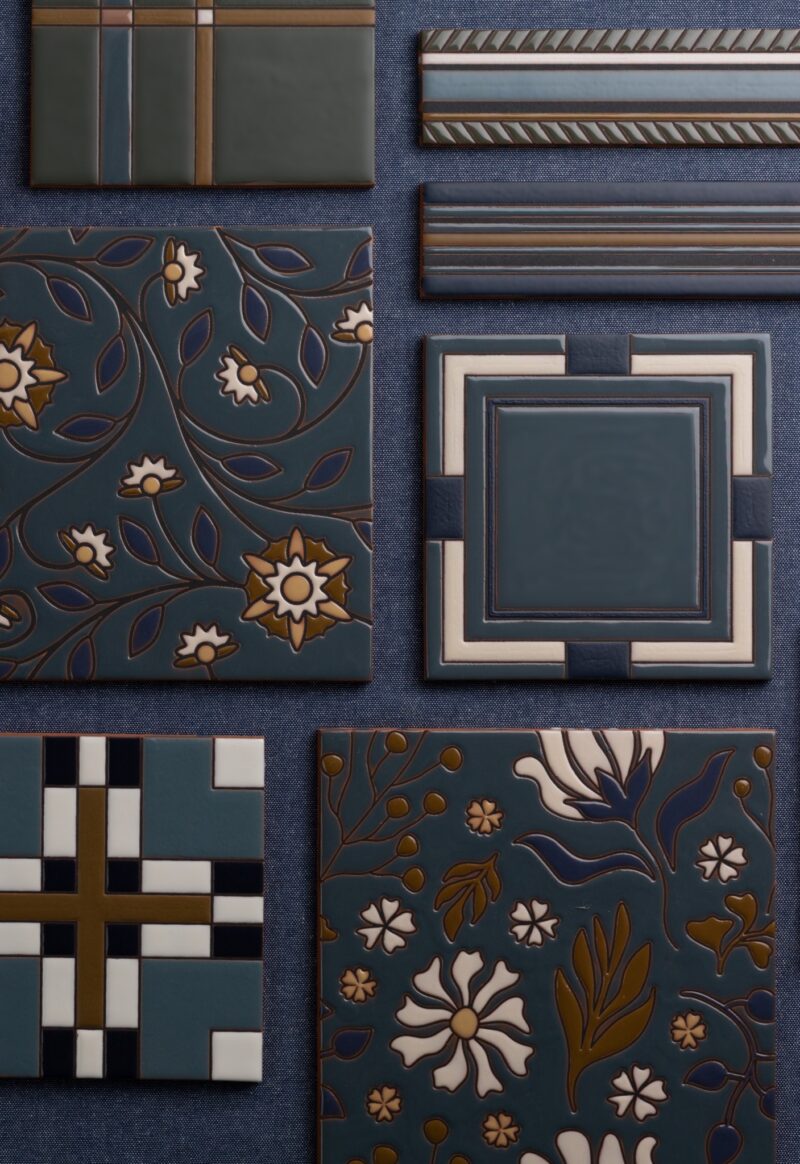
Adding to the collection’s versatility, Idyllwild also introduces new tile sizes, including 2-by-8-inch and 3-by-6-inch formats, which are specifically engineered to work harmoniously alongside standard field tiles. This structural flexibility allows interior designers and homeowners to introduce patterns selectively as borders or accents, or alternatively, to carry intricate botanical or geometric designs seamlessly across entire walls.
Although the Idyllwild collection draws deep inspiration from traditional textiles and historical patterns, the finished ceramic designs are shaped just as much by the practical, artistic demands of hand-painting as they are by their textile references, marking a unique marriage of old-world craftsmanship and modern interior sensibilities.