In an effort to engage its most dedicated readership while managing a smooth technical transition, a prominent digital publication has officially soft-pushed a comprehensive website redesign. Subscribers to the site’s RSS feed were the first to receive notification of the platform’s refreshed visual and structural update, gaining early visibility into the changes before a formal, detailed announcement is published at the start of the coming week. The quiet deployment marks the initial phase of a broader rollout strategy designed to refine the user interface in a live production environment while ensuring backend stability.
The preliminary alert delivered directly to RSS subscribers offers a high-level overview of the updated site design, giving long-time readers an immediate heads-up regarding the visual evolution of the platform. By reaching out to feed subscribers ahead of the broader public, the publication has prioritized communication with its most consistent audience segment. RSS feed users traditionally represent a highly engaged demographic that consumes content systematically, making them uniquely positioned to experience and evaluate early structural shifts in site layout, content rendering, and navigation architecture.
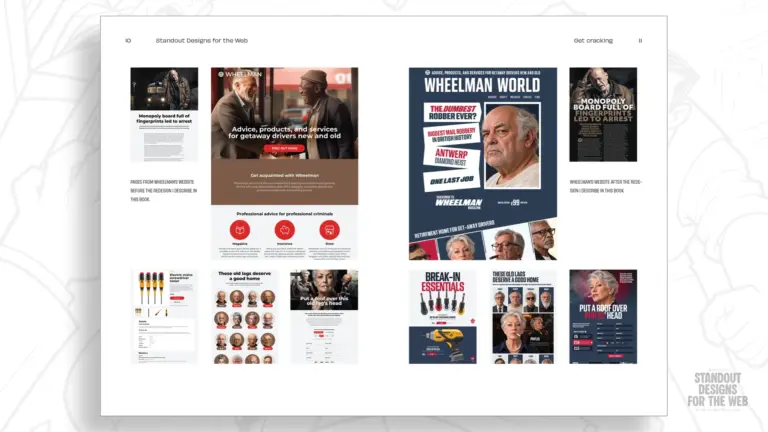
While the newly updated layout is now active on the live site, the publication confirmed that a complete and comprehensive write-up will be released on Monday. This upcoming document is slated to provide an exhaustive breakdown of the design philosophies, backend optimizations, and visual changes that define the new look. Crucially, the Monday report will also feature a detailed side-by-side comparison between the legacy interface and the newly implemented design, offering readers a direct visual accounting of how specific platform elements have been transformed.
The decision to execute a soft push rather than an immediate, high-profile public launch aligns with modern digital publishing and web development standards. A soft push allows developers and systems administrators to deploy major code bases, modified cascading style sheets, and updated user interface frameworks directly to live servers without generating an immediate surge in promotional traffic. This phase enables backend monitoring of server response times, page render speeds, database query performance, and dynamic content delivery under natural traffic conditions.
Executing a quiet deployment prior to the weekend provides a valuable operational window. During this time, the development team can observe live site mechanics, track telemetry across diverse desktop and mobile browsers, and identify any edge-case rendering anomalies or broken assets that may not have surfaced during local testing or staging environment reviews. Resolving minor technical friction quietly over the weekend ensures that the platform functions at peak efficiency when the full site breakdown is published and broader public attention is directed to the redesign on Monday.
The early notice provided to RSS feed subscribers highlights the evolving role of feed syndication in contemporary audience management. Although social media platforms and algorithmic distribution networks have reshaped how content spreads across the internet, RSS remains a foundational technology for direct-to-consumer publishing. Readers who subscribe via RSS actively seek out updates without relying on third-party curation, forming a core community of daily visitors. Giving this specific group early awareness of structural changes acknowledges their central role in the platform’s ecosystem and prepares them for potential changes in how content excerpts, images, and links render within external feed readers.

A central highlight of the forthcoming Monday write-up will be the side-by-side visual comparison between the site’s previous layout and its modern iteration. In digital publishing, platform overhauls often present a double-edged sword: while updated designs introduce modern aesthetics, cleaner typography, and better mobile responsiveness, they can also disrupt the established spatial memory of returning visitors. Over time, frequent readers become accustomed to specific navigational flows, sidebar arrangements, comment section structures, and category archives.
By offering a direct side-by-side comparison, the publication aims to bridge the gap between legacy familiarities and updated functionalities. Such comparative breakdowns typically highlight key architectural shifts, including changes to header navigation, search bar placements, content density, line spacing, image presentation, and footer organization. Demonstrating these modifications in a comparative format helps users contextualize why structural changes were made, illustrating improvements in content discoverability, reading comfort, accessibility, and site navigation.
Though the full technical explanation is reserved for Monday, the soft push already allows visitors to interact directly with the new layout across various device form factors. Modern website redesigns typically prioritize responsive grid systems that adapt seamlessly across high-resolution desktop displays, tablets, and smartphones. Beyond superficial aesthetic updates, structural redesigns often incorporate updated document object models, optimized media loading protocols, and cleaner code structures that reduce overall page weights and decrease time-to-interactive metrics.
The tone of the initial soft-launch announcement was decidedly warm and community-focused, balancing technical updates with an appreciative message to subscribers. In concluding the preliminary notice, the site management expressed gratitude for the ongoing support of its audience and wished readers a pleasant weekend as the initial deployment takes hold. This approach reflects a transparent release process, treating platform maintenance and design updates as collaborative milestones shared between the publication and its audience.
As the weekend progresses, the soft-launched design will continue operating in its live state, gathering real-world user interactions and performance data. Technical teams will be monitoring system stability behind the scenes to ensure that page transitions, media embeds, and content syndication feeds operate smoothly across all channels.
Looking ahead to Monday, the digital publishing community and regular site readers can expect an in-depth exploration of the updated platform. The scheduled publication will offer complete context regarding the design choices made during the development cycle, paired with the promised side-by-side visual analysis to fully demonstrate the evolution from the previous interface to the modern layout now live on the web.