Fixed-lens compact cameras have emerged as the definitive success story of the photography market in 2026. Yet, amid this massive consumer shift, the industry finds itself gripped by a peculiar paradox. While pocket-friendly point-and-shoots are flying off shelves, traditional interchangeable-lens cameras—particularly full-frame systems that once reigned supreme as the ultimate investment for serious photographers—are experiencing a dramatic downturn, with shipments dropping by as much as 20%.
In stark contrast to the struggles of interchangeable-lens models, industry data reveals that fixed-lens compact camera shipments have surged by an impressive 30% year-on-year. This profound change in consumer habits raises a pressing question for the imaging world: why, when new camera announcements are already few and far between, do major manufacturers continue to pour their resources into full-frame flagships rather than prioritizing affordable, high-quality compact cameras?
The argument that major brands were caught entirely off guard holds little weight upon closer inspection. While research and development for any new camera model naturally demands time, and premium flagship devices understandably command the highest prestige and media coverage, the revival of the fixed-lens compact format is far from a sudden flash in the pan. Strong, mounting evidence of a resurgence in compact cameras has been visible across the industry for at least two to three years.
Until recently, however, most major camera manufacturers viewed this burgeoning trend with deep suspicion, largely dismissing it as a fleeting social media fad or a temporary blip. Prominent executives and product planners questioned the wisdom of redirecting valuable research and development budgets toward a hardware category that much of the corporate world considered effectively dead in the water.
Consequently, industry giants like Panasonic and Canon initially responded with extreme caution, merely dipping a tentative toe into the reviving market by upcycling existing models and older technology. Consumers witnessed the rollout of "special editions" of aging hardware, such as the Canon PowerShot G7 X Mark III—originally released back in 2019—and the Panasonic TZ99/ZS99, which leaned heavily on the architecture of the TZ95 from the exact same year.
What once might have passed for sound, conservative business sense—exercising prudence over what could have been a short-lived aesthetic trend—now looks increasingly precarious. With the broader camera industry facing severe existential challenges, maintaining a passive posture has evolved from a cautious strategy into a potentially dangerous miscalculation.
To their credit, major players are beginning to shift their stance. Canon recently announced intentions to belatedly ramp up its compact camera production capacity by 50%, subject to ongoing global component shortages and supply chain constraints. Even so, many industry observers feel that the dominant manufacturers are still failing to react or pivot quickly enough to satisfy rapidly evolving consumer desires and modern photographic habits.
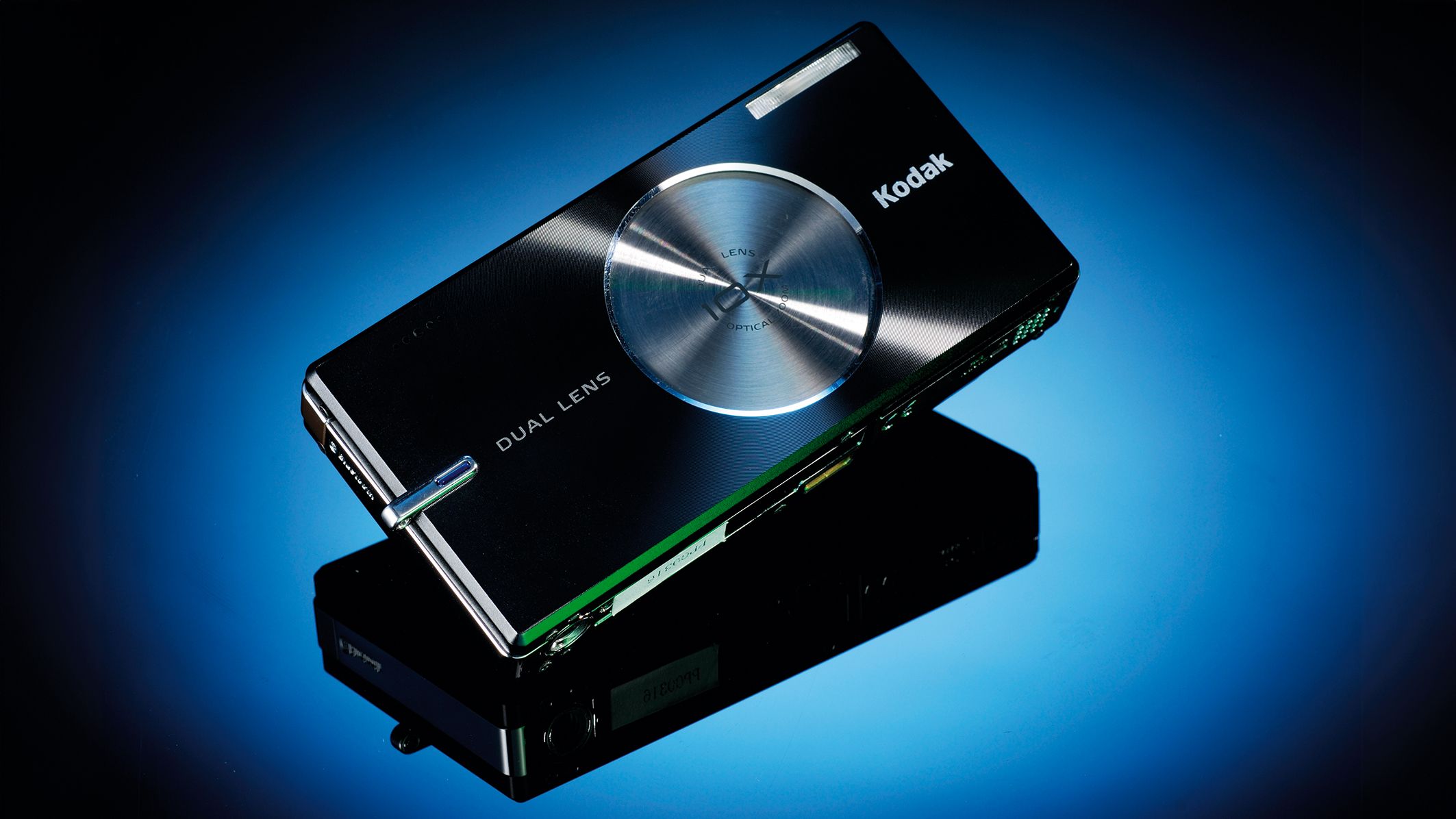
This sluggishness from established legacy brands has created a vacuum in the marketplace. Taking advantage of the pent-up demand, lesser-known Chinese brands and various third-party licensees holding the rights to classic heritage names—including Kodak, Minolta, and Yashica—have rushed to flood the market with inexpensive alternatives. These products are often built around years-old technology, yet they manage to sell at highly attractive price points precisely because they bypass the massive R&D expenditures that burden traditional camera companies.

Meanwhile, the major camera brands have largely ignored the prevailing winds until concrete data from authoritative industry bodies, such as the Camera & Imaging Products Association (CIPA) and financial reports from Nikkei in Japan, confirmed a consistent, undeniable consumer trend. The imaging sector has officially reached a critical crunch point, forcing industry leaders to confront a stark reality: if they do not adapt and respond decisively now, the window of opportunity may close permanently.
Simply raising the retail prices of existing product lines and legacy stock to offset financial shortfalls and declining shipment volumes does not constitute a viable long-term solution to the industry’s structural challenges. Instead, listening to the market and delivering the exact photographic tools that everyday consumers are actively demanding offers a much clearer path forward. As the industry looks ahead, the pivotal question remaining for manufacturers is whether 2027 will truly solidify its place as the definitive "year of the compact."