To anyone outside the creative industries, the idea that $700 constitutes a remarkably slim budget for a serious entry-level camera can come as a genuine surprise. Yet photography has never been an inexpensive hobby. High-grade optical engineering, precision manufacturing, and advanced digital sensors have always commanded significant investment.
At the same time, contemporary consumers routinely spend far more on flagship smartphones without a second thought. Compared to the skyrocketing costs of mid-tier mirrorless systems, professional full-frame bodies, and high-end specialty glass, however, a $700 ceiling remains a remarkably realistic and modest threshold for newcomers hoping to transition from casual snapshot-taking to genuine photographic practice.
For students embarking on creative courses, hobbyists looking to expand their visual storytelling skills, or anyone eager to navigate current retail promotional periods like Black Friday camera deals, stretching a limited budget requires careful curation. Striking the right balance between cost, usability, and long-term capability is essential when every dollar counts.
Budget Camera and Lens
The absolute core of any starter kit consists of the camera body and its accompanying lens. Even if an entire $700 budget were dedicated solely to these two components, purchasing brand-new equipment would severely restrict available choices. Finding a dedicated, interchangeable-lens mirrorless camera capable of capturing uncompressed RAW data and offering full manual exposure controls narrows the field considerably.
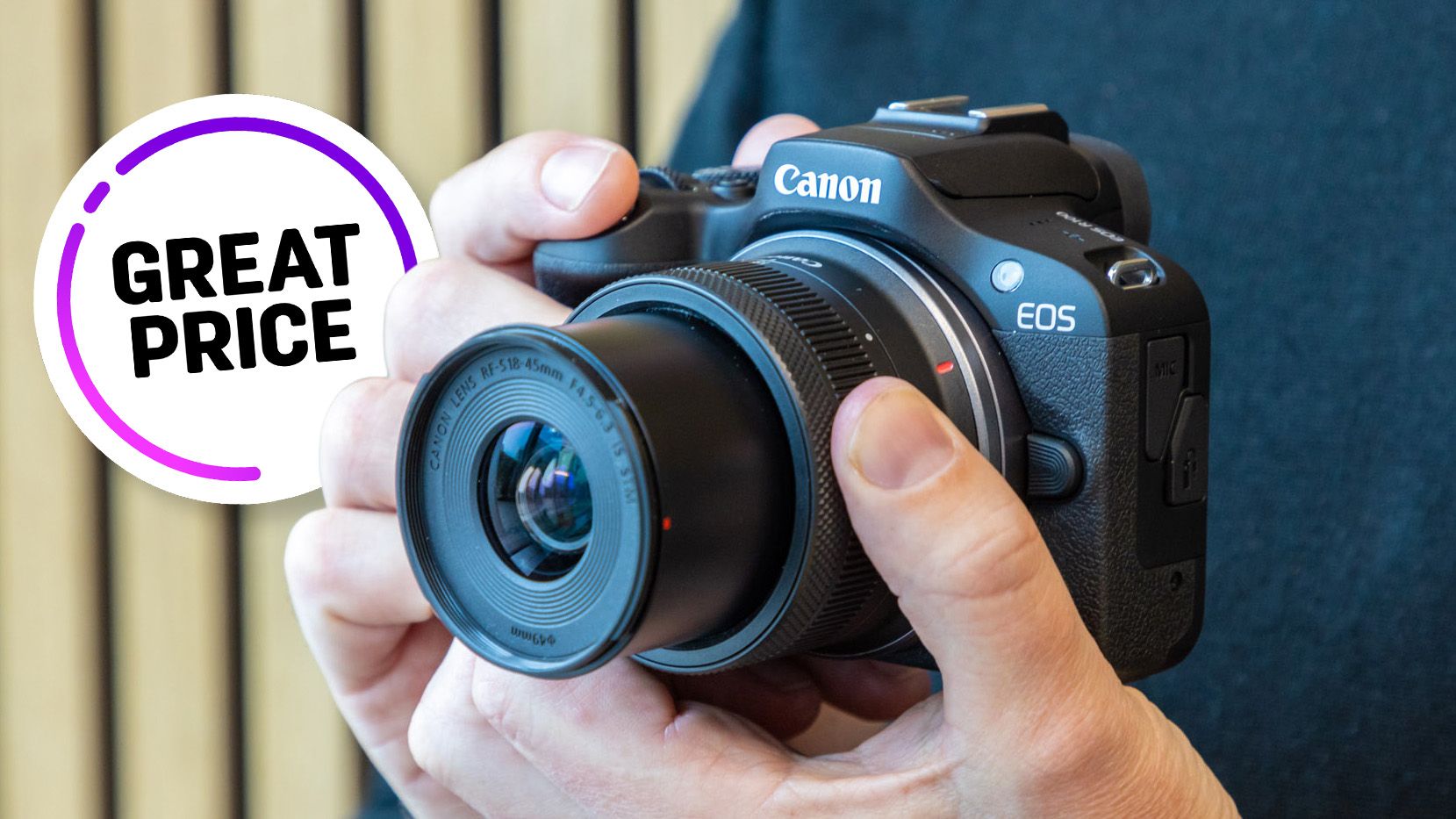
Among the limited options available at this price point, the Canon EOS R100 stands out as a compelling choice. It represents a true entry-level, interchangeable-lens mirrorless system in the classic mold of the affordable DSLRs that manufacturers produced for decades. Crucially, it ships bundled with the versatile Canon RF-S 18-45mm f/4.5-6.3 IS STM kit lens, bringing the combined package price down to a remarkably accessible $499 at major retailers like Amazon.
For this investment, buyers acquire a compact, ergonomic mirrorless body featuring a comfortable handgrip, a built-in pop-up flash, and straightforward physical controls. While users must temper expectations regarding modern conveniences—such as a fully articulating touch screen or vari-angle display—the core imaging engine delivers impressive results. Equipped with a 24.1-megapixel APS-C CMOS sensor, the R100 is capable of producing sharp, vibrant, high-resolution imagery.
More importantly, the camera is designed to be approachable for absolute beginners, allowing new users to unbox the gear and start shooting immediately in automated modes. Because it fully supports manual exposure settings, the camera also accommodates user growth, serving as an educational platform that develops alongside the photographer’s evolving skills. While serious enthusiasts will eventually outgrow the body and require an upgrade as their ambitions expand, it provides a well-trodden, reliable starting point that has introduced countless practitioners to the craft.
For individuals whose primary creative focus leans toward videography rather than still photography, alternative configurations exist within a similar financial bracket. Content creators might consider the Canon EOS R50 V, priced at $519 for the body alone. This model introduces advanced video specifications, including oversampled 4K footage at 30 frames per second, high-fidelity 10-bit 4:2:2 color profiles, Canon Log 3 support, and cropped 4K recording at 60 frames per second. However, buyers pursuing this route must allocate additional funds for a separate lens to complete the package.
Support and Storage
Pairing the Canon EOS R100 and its kit lens leaves approximately $200 of the original budget unspent. Rather than squandering these remaining funds on miscellaneous accessories, seasoned photographers recommend investing them in robust camera support and reliable data storage. While exceptionally inexpensive tripods flood the market, anyone who has spent hours wrestling with flimsy, unstable legs during a critical shoot knows that camera support is an area where compromises lead directly to frustration.
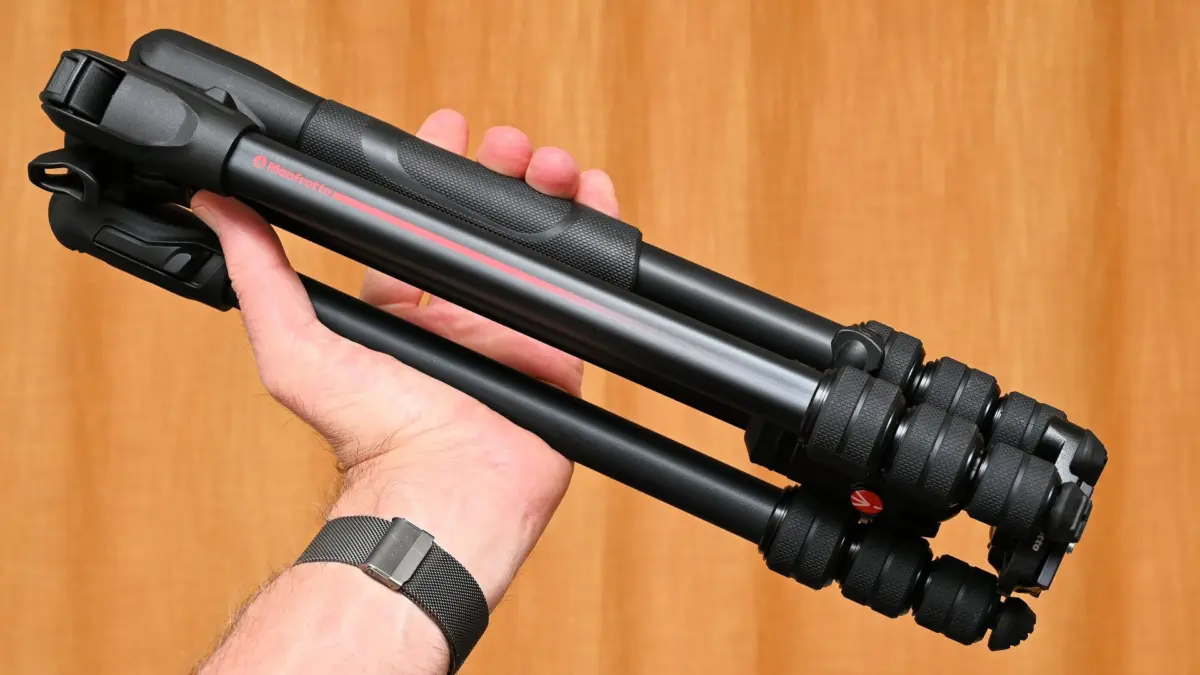
While premium carbon fiber travel tripods command much higher prices, reliable aluminum alternatives easily meet the needs of beginners without sacrificing structural integrity. A prime example is the Manfrotto Befree Advanced AS travel tripod, paired with the 494 Center Ball Head, available at retailers like B&H Photo for $159.95.
On budget-conscious setups, manufacturers often cut corners on the tripod head, resulting in jerky movements and loose locks. The Manfrotto setup, however, offers durable build quality and remarkably smooth, dependable joints. Avoiding the headache of fighting an unstable tripod while trying to capture a fleeting sunset or a delicate low-light composition is invaluable, making this a piece of equipment designed to endure years of field use.
The final component of this balanced startup package addresses the digital darkroom: data retention. Two SanDisk 64GB Ultra SD cards, priced at approximately $20.39 each on Amazon, complete the kit. Because memory cards command substantial prices, selecting slightly slower UHS-I cards makes economic sense. Given that the Canon EOS R100 is not designed for blistering high-speed continuous burst shooting or ultra-high-bitrate cinematic video recording, these cards offer more than adequate write speeds for everyday shooting.

Splitting storage capacity rather than purchasing a single massive 128GB card is a deliberate strategy favored by experienced professionals. Maintaining two separate 64GB cards ensures that at least one fresh, formatted card is always ready for deployment inside the camera bag. Furthermore, distributing files across multiple media cards mitigates catastrophic risk; in the unfortunate event that a single card is misplaced or corrupted, the user loses only a fraction of their total image archive rather than an entire portfolio.
By combining the Canon EOS R100 kit, a dependable travel tripod system, and dual memory cards, the total expenditure comes to $699.73—landing precisely on budget and providing a comprehensive foundation for any aspiring photographer.