In the autumn of 1969, a teenager named Tina Freeman walked into Brentano’s bookstore near Dupont Circle in Washington, D.C., and purchased a photograph. As she would later candidly admit, it was a rather pedestrian image of sunlight filtering through trees, captured by a photographer whose name she barely knew. At the time, stepping up to the cash register to buy a modest print felt like a quiet, unremarkable moment. Yet, looking back from a vantage point more than half a century later, that simple transaction marked the genesis of a monumental journey in art collecting.
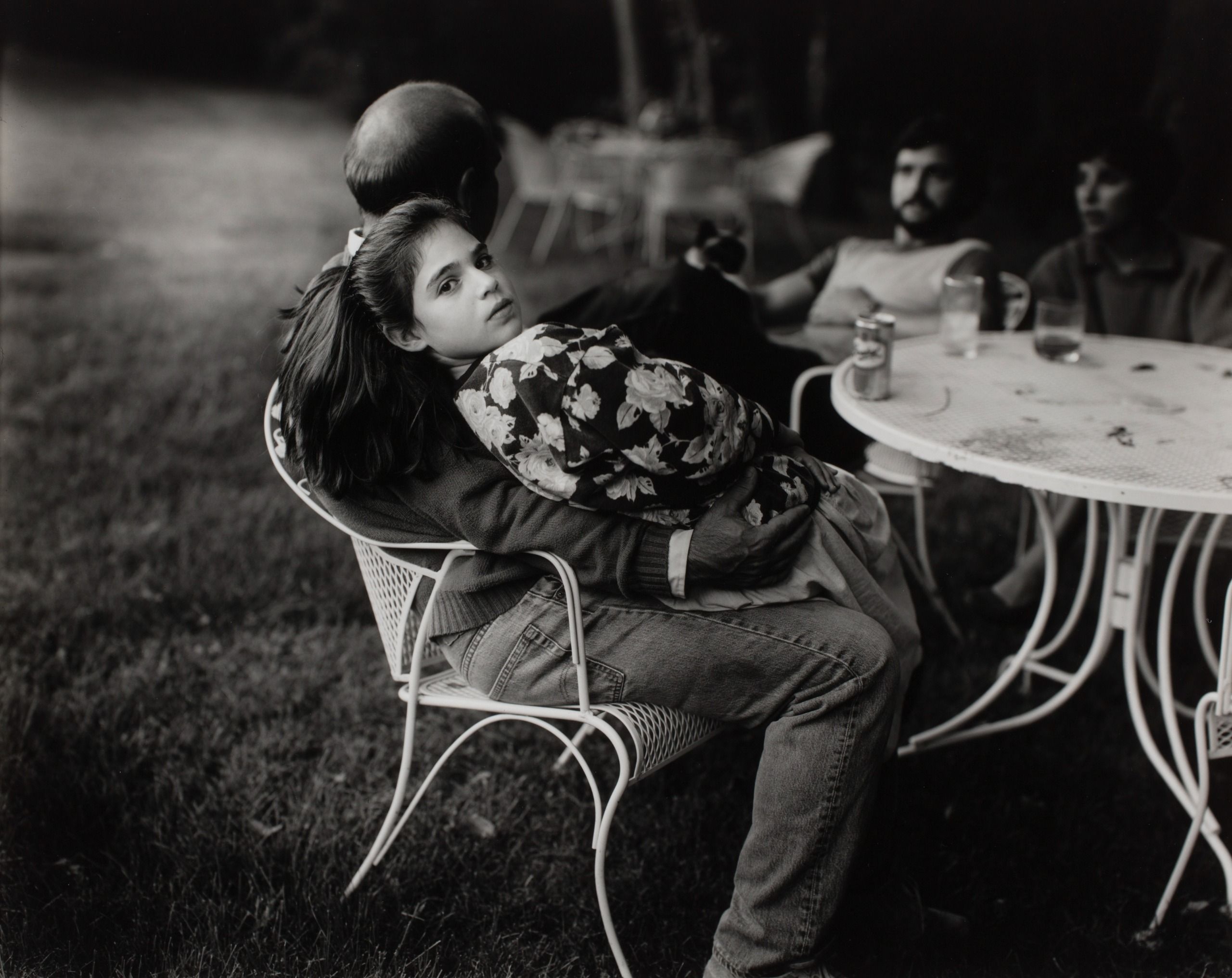
Over the subsequent decades, Freeman would channel that early curiosity into a formidable passion, meticulously building an extraordinary collection of more than 1,300 photographs created by over 270 visionary artists. Spanning the entire chronological history of the medium, her meticulously curated assembly of images developed distinct areas of depth. The collection is especially renowned for its exceptional 19th-century works, groundbreaking pieces by women photographers, evocative landscapes, profound explorations of water, and an insightful focus on photographers hailing from Louisiana and the broader American South.
Now, in a development that represents a watershed moment for the cultural landscape of the region, Freeman has promised to bequeath her entire collection to the New Orleans Museum of Art (NOMA). This generous pledge stands as the largest and most significant single gift of photographs in the long history of the institution. To honor the magnitude of this acquisition, NOMA has organized a major exhibition titled Confluence: The Tina Freeman Collection of Photographs, which brings together more than 100 striking images from the trove to introduce the public to the scope and quality of the collection.
Freeman’s relationship with the medium extends far beyond the role of a passive collector. She is an accomplished photographer in her own right and once served as NOMA’s curator of photography. Her career in the arts almost took a drastically different trajectory in 1977, when she faced a momentous professional crossroad: she had to choose between staying at her curatorial post at NOMA or accepting an invitation to work as an assistant to the iconic photographer Irving Penn, whom she had met earlier that year. Ultimately, she chose to remain with NOMA, cementing a lifelong devotion to the museum and its community.
Reflecting on her journey as a patron of the arts, Freeman notes her immense good fortune in entering the field well before the contemporary market for photographic art had fully formed. "I was fortunate to become a collector in the early 1970s, even before the first photography galleries were emerging," Freeman recalls. "I continued collecting, knowing those images would eventually become part of the NOMA collection. I am delighted that that has now become a reality."
The newly opened exhibition meticulously groups these diverse pictures by theme, aesthetic resonance, and historical context, frequently pairing works from vastly different eras and created through contrasting chemical and mechanical processes. The installation interweaves widely celebrated classics with lesser-known gems by famous names, alongside compelling images created by photographers who have historically been marginalized or overlooked by mainstream institutions.
Exhibition Highlights
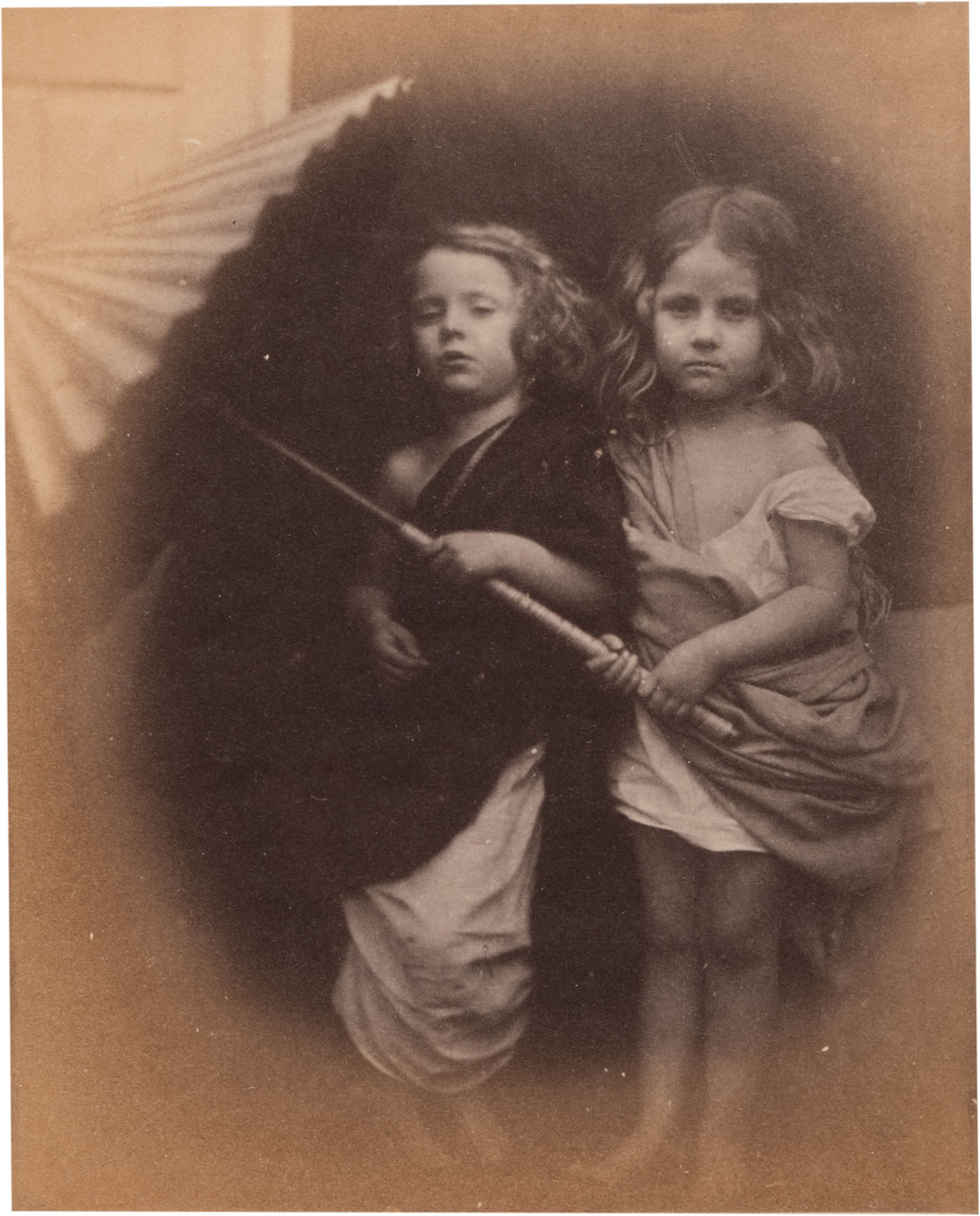
Among the crown jewels of the promised bequest is a rare miniature album containing 45 prints by the pioneering 19th-century British photographer Julia Margaret Cameron. Known for her deeply expressive and experimentally soft-focus portraits, Cameron’s presence in the collection highlights Freeman’s early commitment to securing foundational works from the dawn of artistic photography.
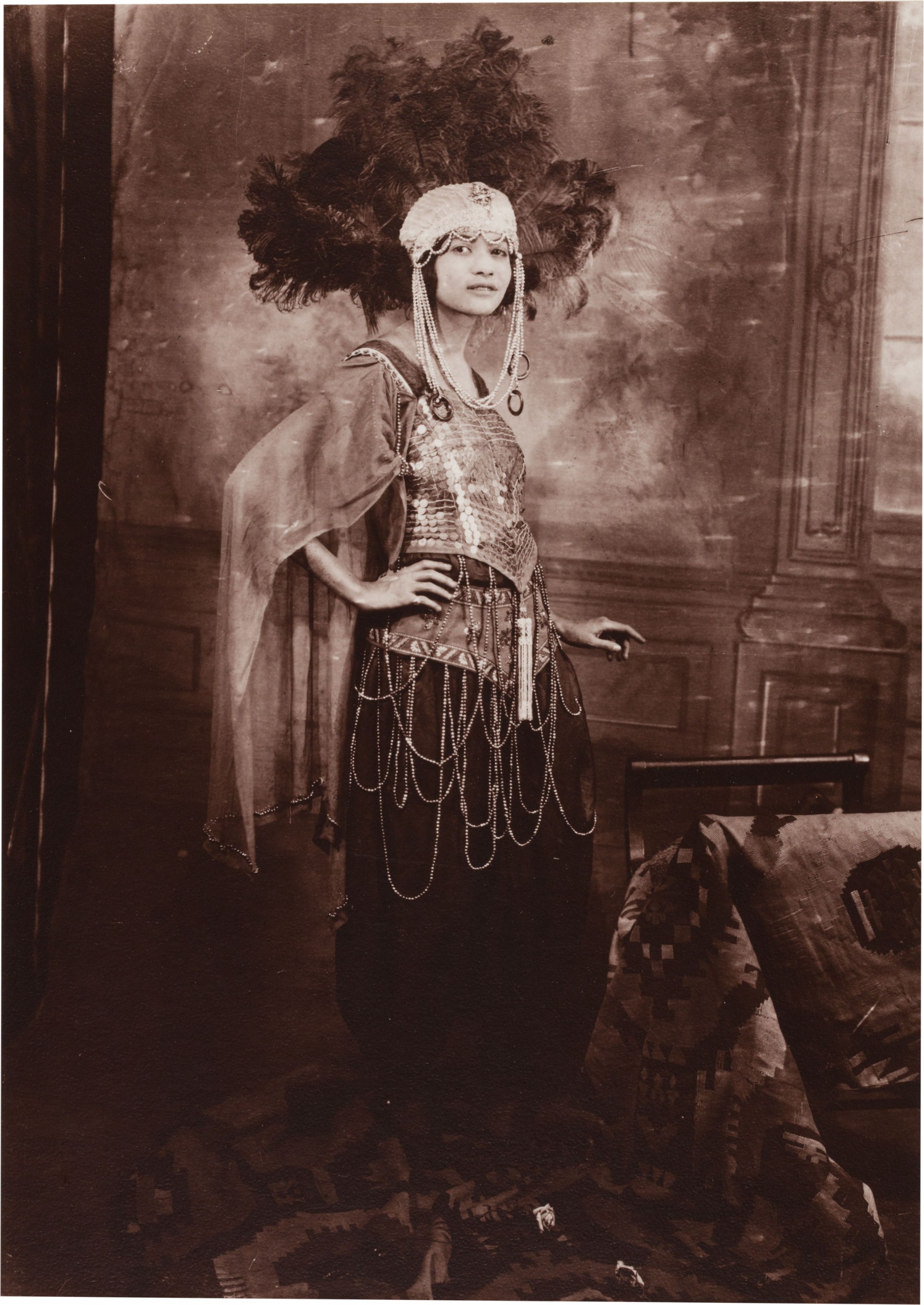
The exhibition also features historic prints from George N. Barnard’s monumental 1866 portfolio, Photographic Views of Sherman’s Campaign. Widely regarded as the first widely distributed photography monograph, Barnard’s series includes a sweeping, historically resonant view looking out over the river at Savannah, Georgia, capturing the scarred yet majestic American landscape in the immediate aftermath of the Civil War.
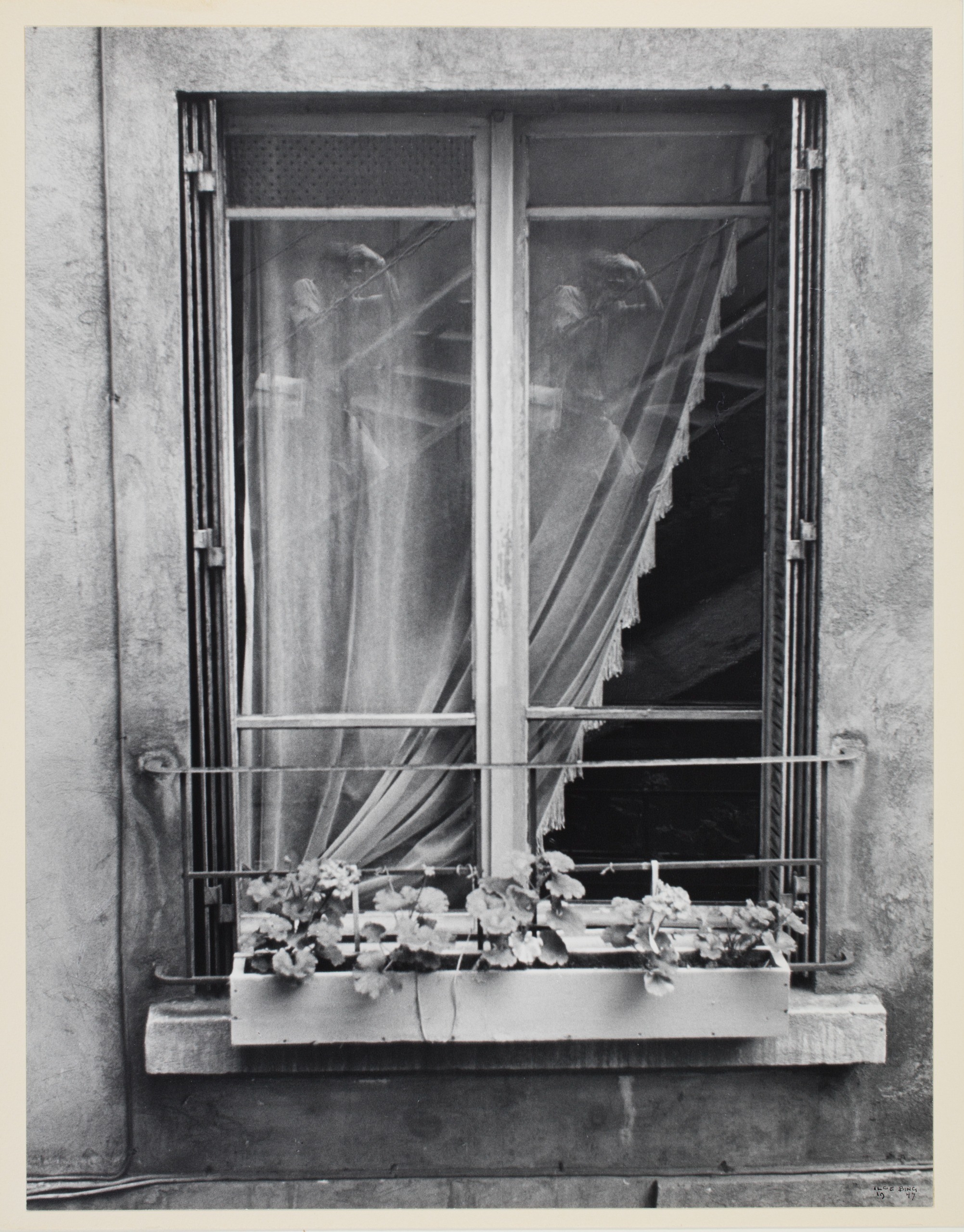
Another standout piece demanding close inspection is a 1947 double self-portrait by the German-born avant-garde and commercial photographer Ilse Bing. Affectionately dubbed the "Queen of the Leica," Bing was a master of modernist perspective and darkroom innovation. In her double self-portrait, her image is captured twice, reflected simultaneously in the multi-paned glass of a curtained window, showcasing her playful yet rigorous command of light and geometry.
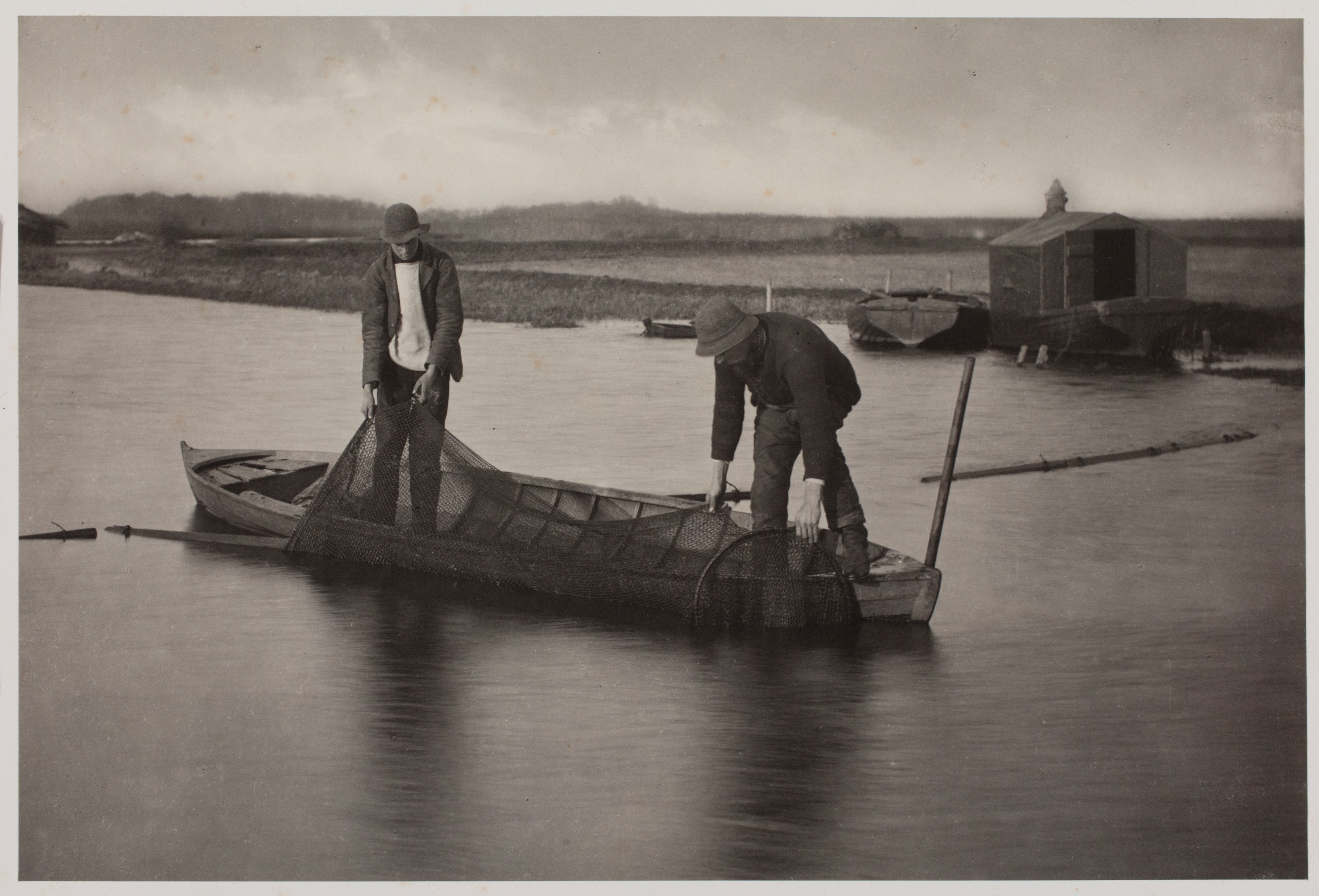
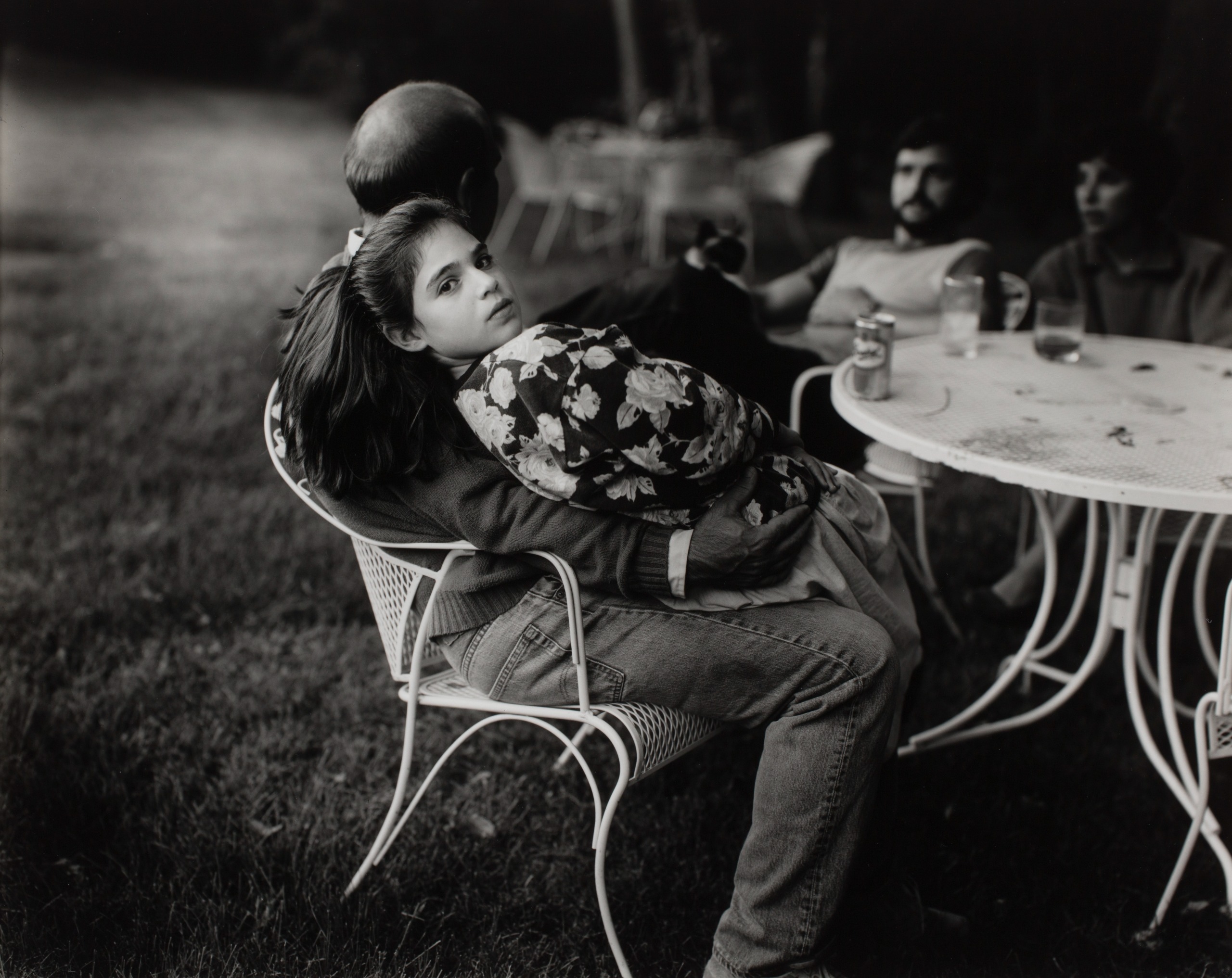
These historical milestones are joined by original, pristine prints from a pantheon of photographic masters, including Manuel Álvarez Bravo, Imogen Cunningham, Sally Mann, James Van Der Zee, and Edward Weston. The display also features Peter Henry Emerson’s atmospheric 1886 platinum print, Taking Up the Eel Net, which depicts two men laboring in a small wooden boat on calm waters, rendered with the subtle tonal gradations characteristic of the platinum printing process.
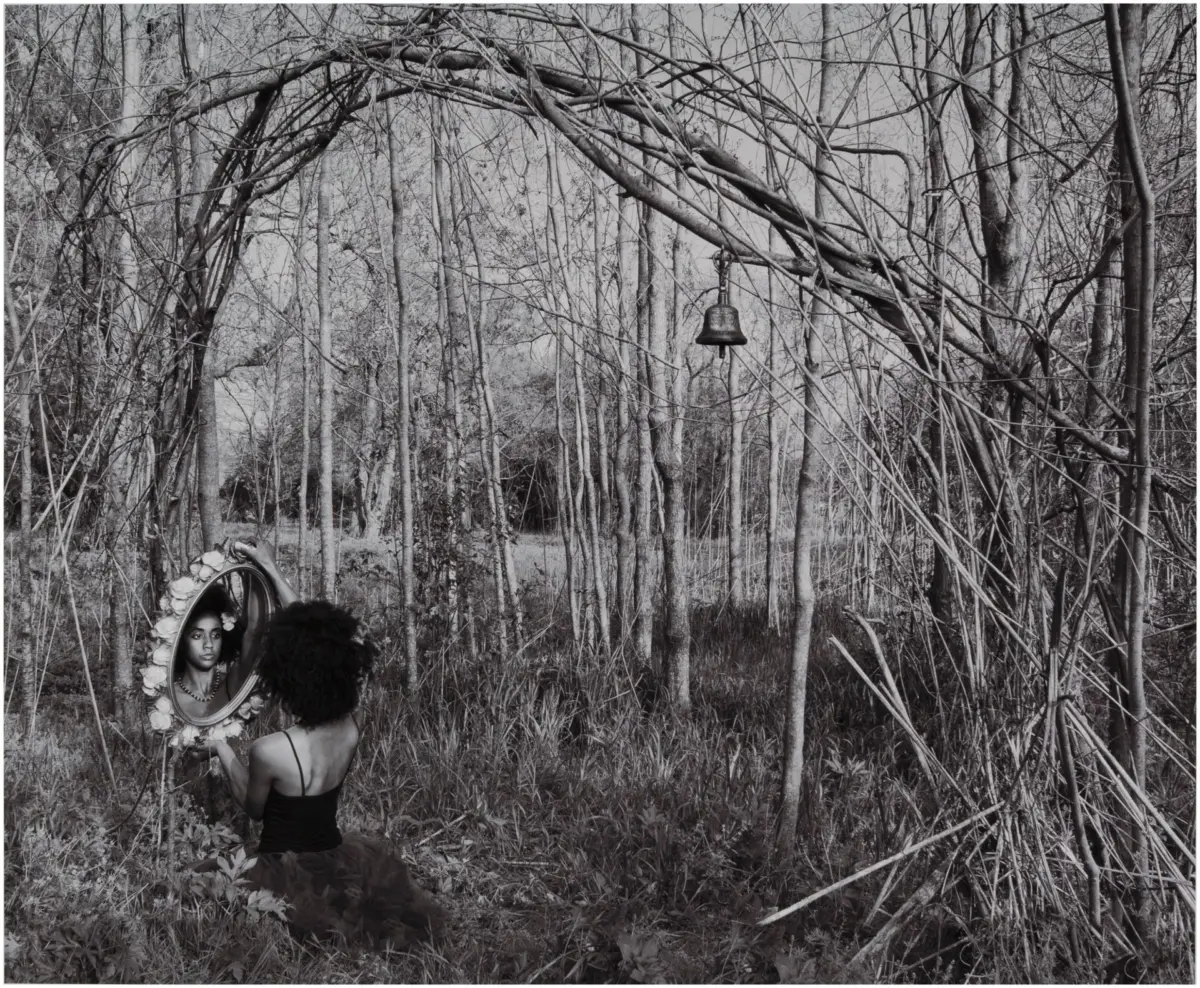
The collection is by no means anchored solely in the past; it bridges centuries by embracing vital contemporary voices. Twenty-first-century photography is prominently represented by artists such as Sienna Pinderhughes, whose evocative 2014 work, They Are a Reflection of You, depicts a young woman kneeling in a tangled woodland, gazing intently into an ornate, flower-adorned oval mirror.
Curatorial vision has been paramount in shaping how these diverse works converse with one another within the gallery walls. W. Brian Piper, NOMA’s Freeman Family Curator of Photographs, Prints, and Drawings, emphasizes the exploratory nature of the current presentation. "I hope visitors will find unexpected connections, new understandings of individual artists’ works, and a greater appreciation for the breadth of photographic processes," Piper says.
Confluence: The Tina Freeman Collection of Photographs is currently on view at the New Orleans Museum of Art, with the exhibition scheduled to run through July 4, 2027. Approximately 85 works are included in the initial rotation, with a planned partial rehang in the spring of 2027 that will introduce fresh pieces from the bequest to the galleries. For those wishing to delve deeper into the collection, a comprehensive exhibition catalog featuring 185 color reproductions is available for purchase at the NOMA museum shop.