When you slide a traditional incense stick into its holder, the bare end resting at the bottom usually reveals a thin bamboo skewer running through the center of the fragrant coating. This internal wooden core has long been a structural staple of incense manufacturing, providing rigidity so the fragile aromatic paste can stand upright without snapping. However, design collective Herbreath is rethinking this ubiquitous ritual object with its new Botanical Incense collection, which completely skips the bamboo skewer in favor of a unified, coreless construction.
In Herbreath’s innovative design, the fragrant botanical blend makes up the entire stick from end to end. The part you light and the part you hold are formed from the exact same homogeneous mixture, eliminating the need for a separate structural spine that burns alongside the woods, herbs, and resins. This shift changes not just how the incense looks and burns, but also how it is produced, moving the manufacturing process away from traditional dipping methods and closer to culinary techniques like pasta making.
To achieve a sturdy, self-supporting stick without relying on wood or wire cores, Herbreath utilizes natural binding agents. The collective explains that it first grinds and meticulously blends the raw ingredients, incorporating natural nanmu and elm powders to bind the complex mixture together. Once thoroughly combined, this dense paste is pushed through a specialized opening to form thin, uniform strands, which are then carefully lined up to dry. The resulting product is a slender, solid piece of aromatic material where every millimeter contributes to the scent released during combustion.
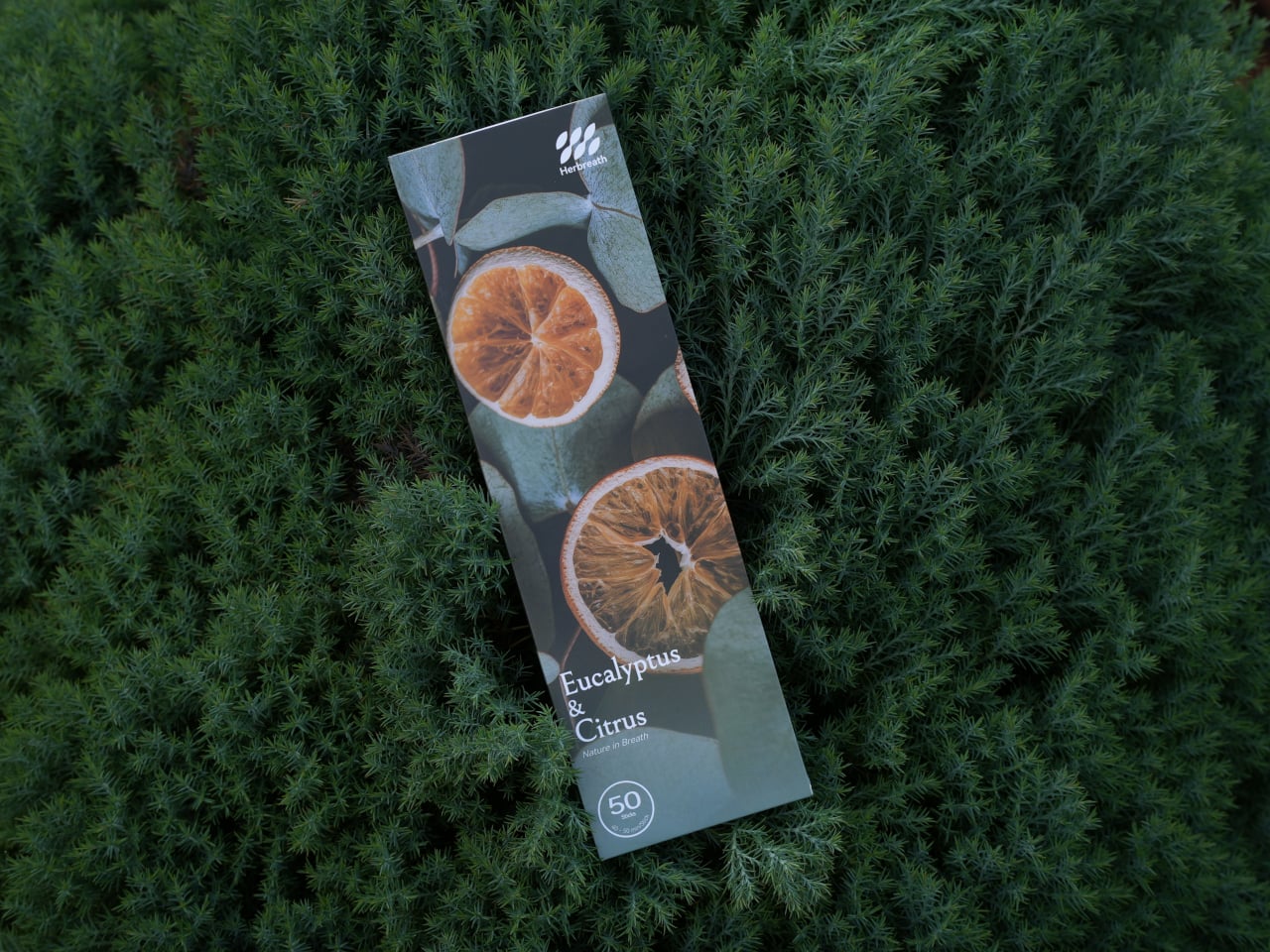
True to its botanical focus, Herbreath states that its manufacturing process eschews the addition of artificial fragrance oils, synthetic essential oils, or chemical dyes. This commitment to purity means that the aromatic profile relies entirely on the natural characteristics of the raw materials used in the blend. Yet, the ingredient lists on the packaging are merely headline indicators rather than exhaustive breakdowns. While a box may feature a prominent title, other complementary woods, aromatic resins, and plant ingredients are frequently blended in to round out the overall fragrance profile, ensuring that a stick labeled after a specific flower or wood is the result of a carefully orchestrated botanical harmony rather than a single isolated note.
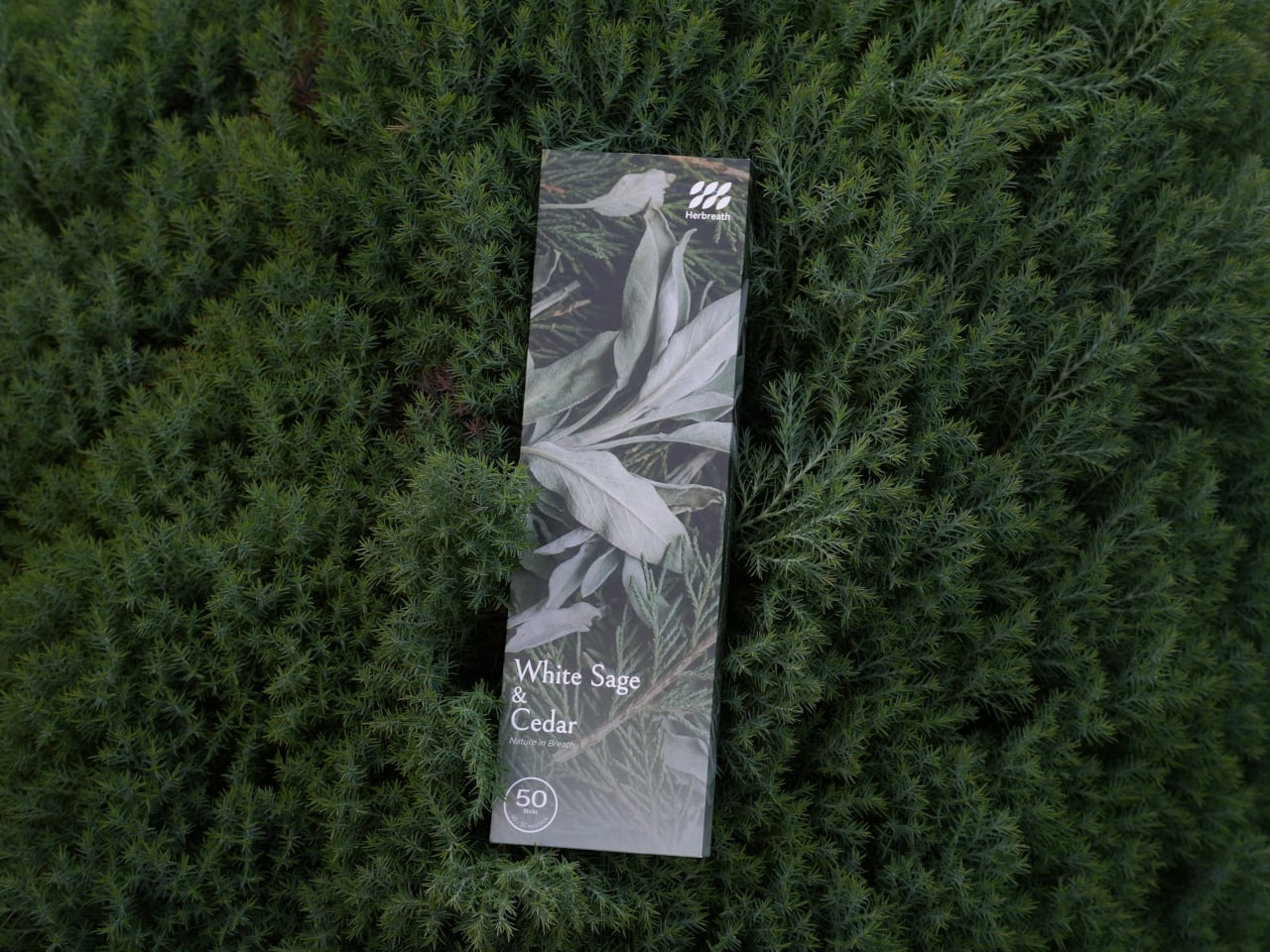
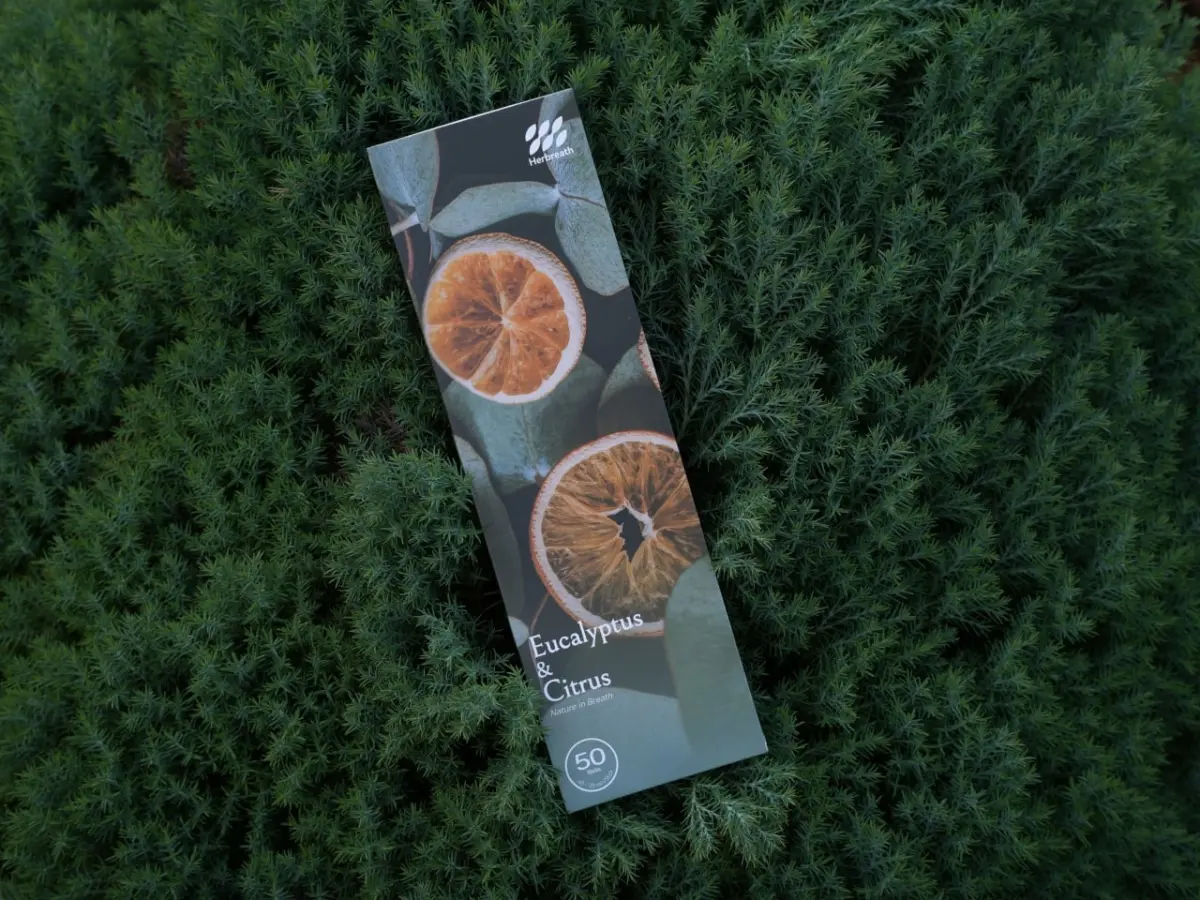
The Herbreath collection spans a diverse sensory landscape, divided loosely between woody profiles and herbaceous or floral arrangements. Varieties such as Sandalwood, Agarwood, and Palo Santo anchor the woody side of the assortment, offering deep, grounding aromas. Meanwhile, Eucalyptus and Lavender represent the fresher, herbal, and floral spectrum of the collection. Bridging these categories is White Sage and Cedar, a unique combination that places a wood and an herb on equal footing directly on the box, providing a deliberate starting point for users who prefer an aromatic experience that sits comfortably between earthy and botanical realms.
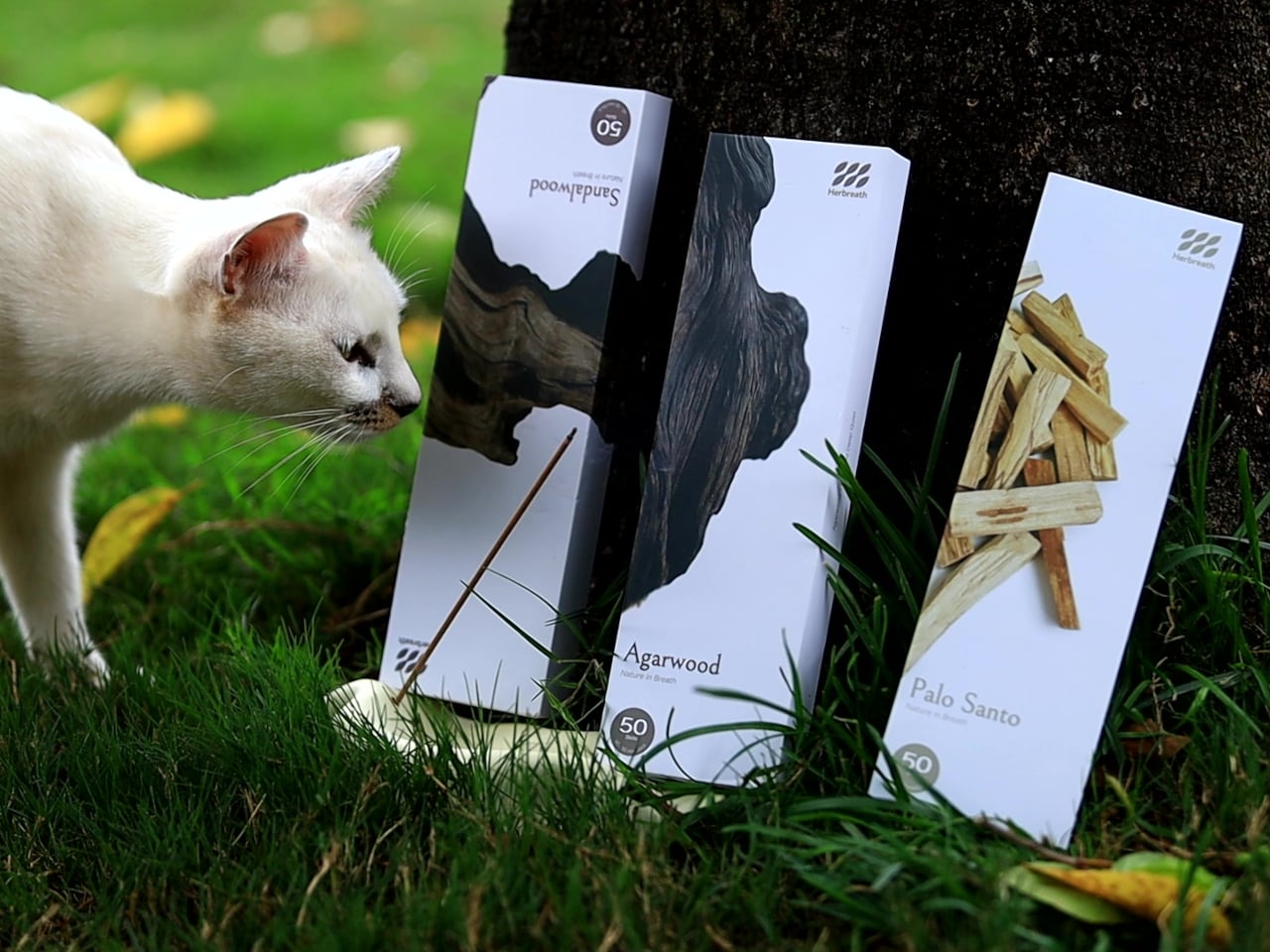
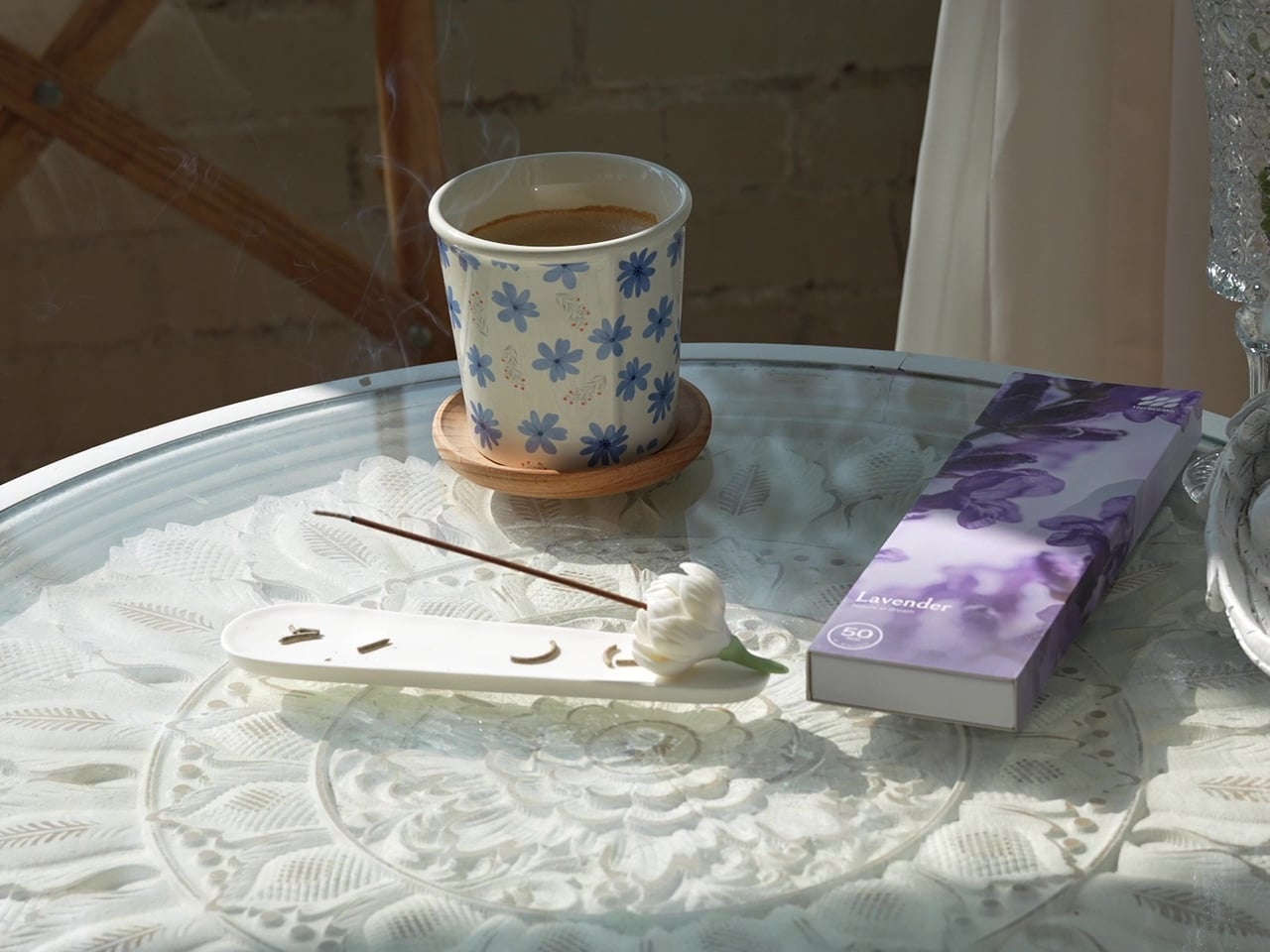
This attention to detail extends outward to the packaging, where slim, thoughtfully designed cartons make the various choices easy to identify before a single box is even opened. Minimalist imagery adorns the exterior, such as a simple picture of wood for the Sandalwood variety or flowering stems for Lavender, signaling the botanical source within. Despite this polished and consistent exterior presentation, the actual contents inside can display organic variations. Herbreath notes that because the products are made from natural materials without artificial standardization, the color, texture, and aroma of the incense can vary visibly from batch to batch, even when the name on the carton remains identical.

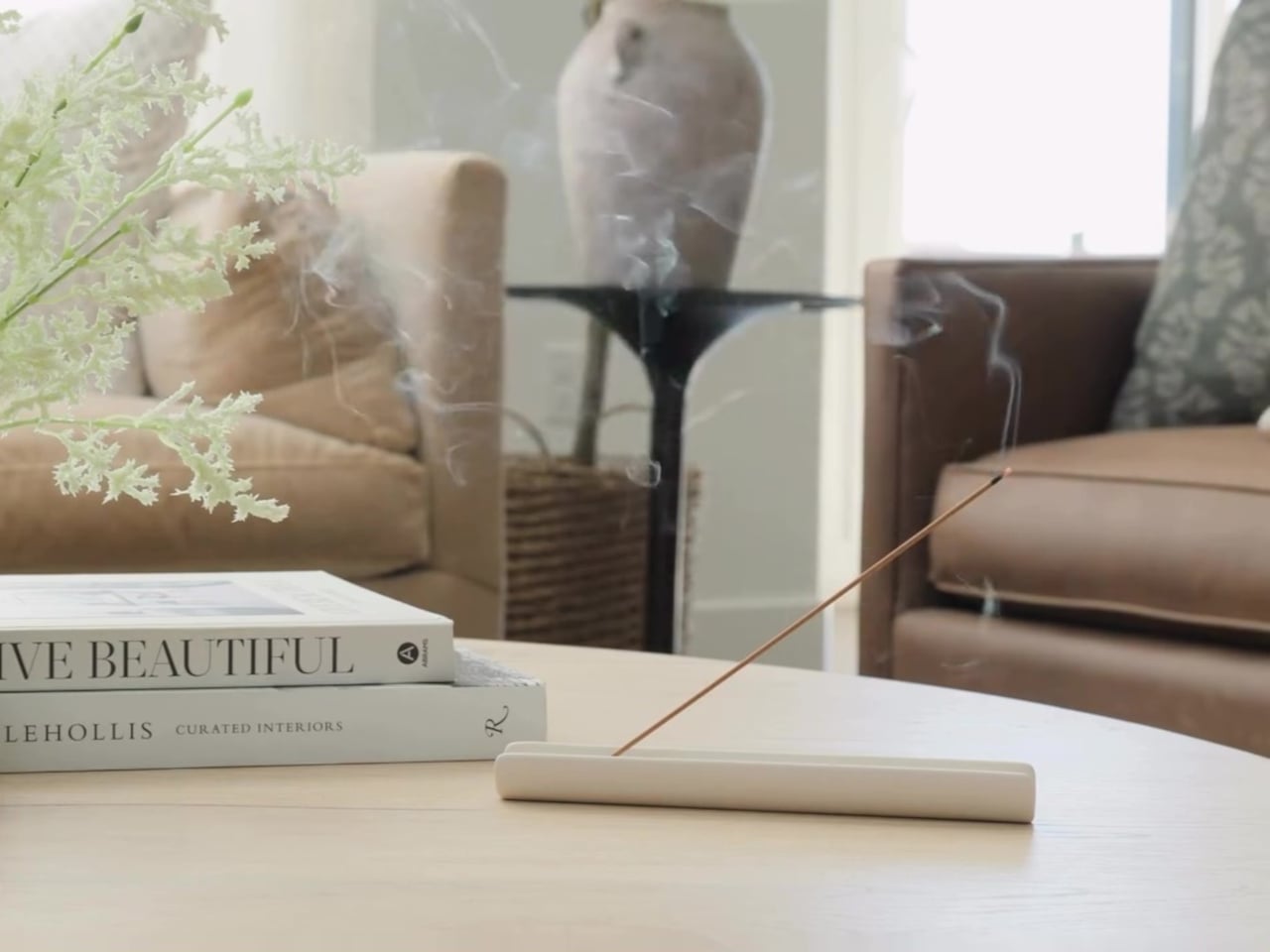
For many users, lighting an incense stick represents a small, low-commitment daily ritual—a simple way to alter the sensory atmosphere of a room while reading a book or winding down in the evening. Unlike electronic diffusers that require power outlets, refilling water reservoirs, or cleaning internal mechanisms, an incense stick offers a direct, low-tech experience. Yet, the transition to a coreless stick introduces minor practical considerations regarding household management. Without a bamboo skewer to anchor it, and with the entire length of the material destined to slowly burn away into fine ash, the user must pay closer attention to the physical setup.
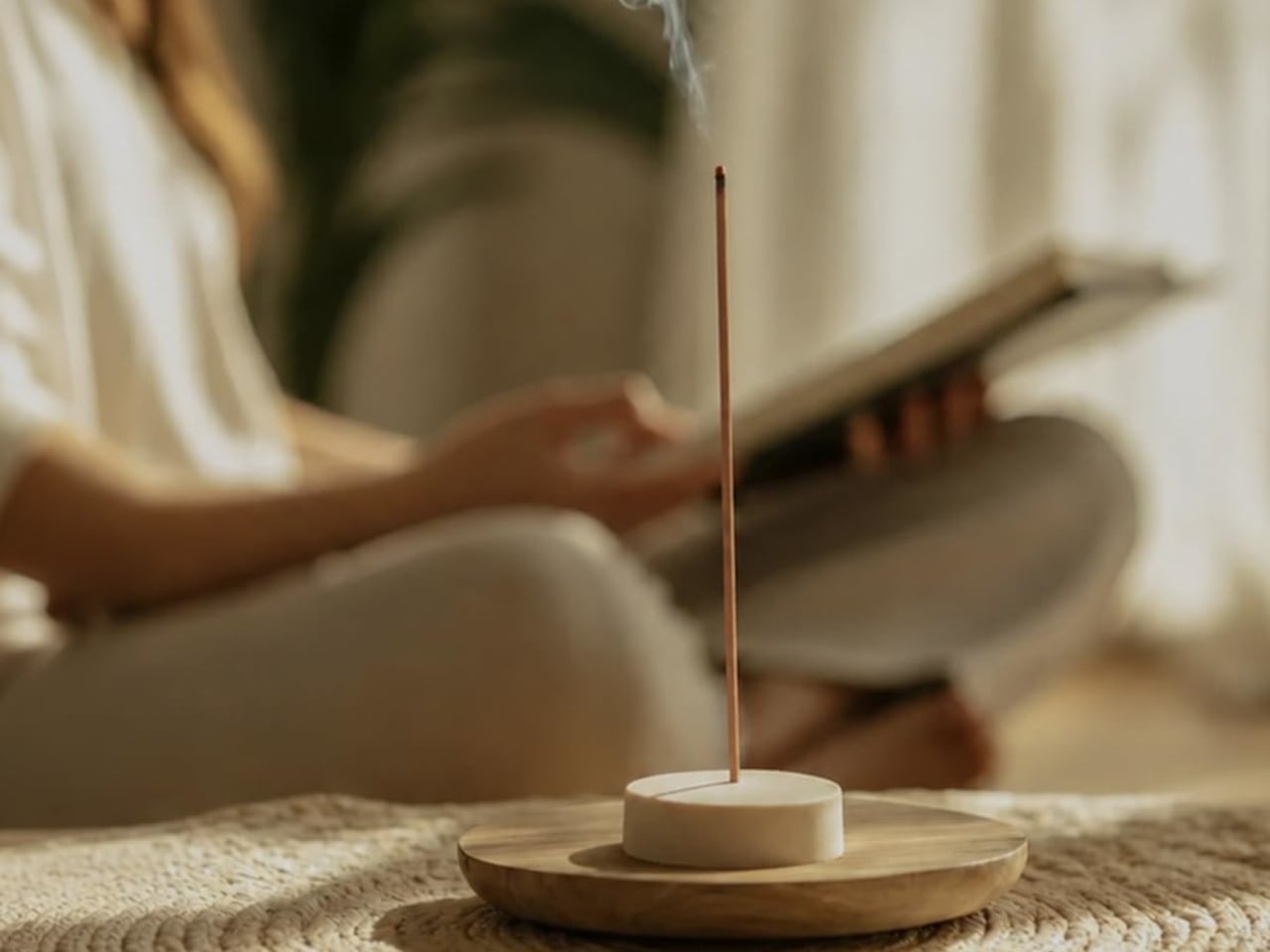
The incense requires a reliable receptacle, typically a small ceramic holder designed to keep the burning ember safely elevated above furniture surfaces. Because many existing holders on the market were engineered specifically to accommodate the thin, uniform diameter of a traditional bamboo stem, users must ensure that their chosen holder features an opening capable of securing a thicker, coreless botanical stick safely before lighting it. Additionally, because the entire stick is composed of combustible plant material, a wide tray or dish underneath is essential to catch the falling ash, ensuring that the peaceful sensory ritual concludes with an empty, clean container rather than a dusty side table.
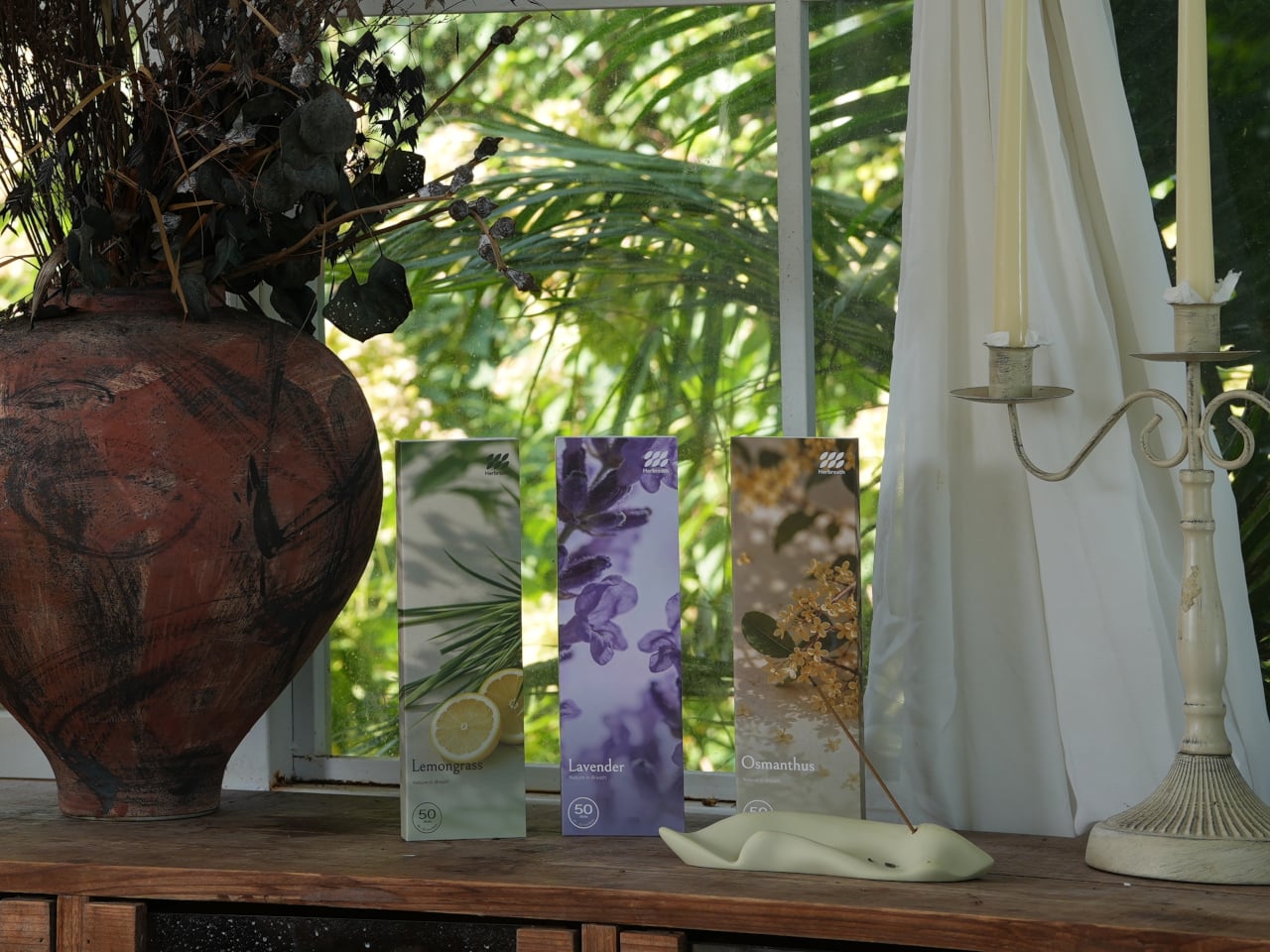
Herbreath’s coreless approach highlights a broader design philosophy that questions hidden or redundant elements in everyday lifestyle objects. By letting the aromatic blend do the structural work of the stick itself, the design removes the extraneous bamboo core that would otherwise burn down into unfragranced charcoal waste. While the stick still produces natural smoke and fine particulates during combustion—as Herbreath does not publish emissions comparisons with traditional products—the primary appeal remains the purity of the scent and the tactile experience of the material. Whether placed in a minimalist ceramic holder on a quiet corner table or used to shift the mood of a room ahead of the next chapter of a book, these coreless botanical sticks offer a refined, stripped-down interpretation of an ancient aromatic tradition.