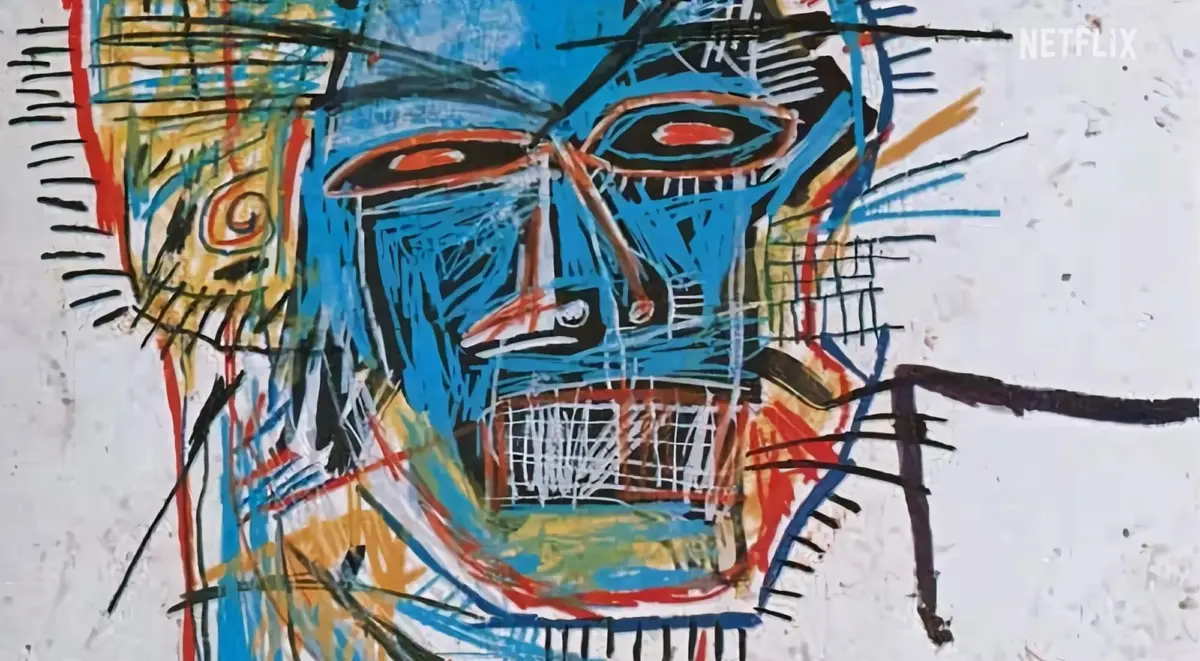
A forthcoming feature-length documentary is set to cast new light on the life, art, and enduring legacy of the luminary neo-expressionist artist Jean-Michel Basquiat. Directed by Quinn Whitney Wilson and Viridiana Lieberman for Netflix, the project represents a significant milestone in how the artist’s personal and professional history will be shared with global audiences. Most notably, the film stands as the very first biographical documentary to be officially authorized by the artist’s family estate, which is helmed by his two younger sisters, Lisane Basquiat and Jeanine Heriveaux.
Scheduled for a worldwide streaming release on December 11, the documentary—simply titled Jean-Michel Basquiat—aims to strip away decades of accumulated mythos, sensationalized media narratives, and art-market folklore that have long overshadowed the human being behind the canvas. While Basquiat’s meteoric rise to fame in the 1980s downtown New York art scene, his close association with figures like Andy Warhol, and his tragic death from an accidental drug overdose at the young age of 27 have been chronicled extensively by historians, critics, and filmmakers, his family argues that the standard retellings consistently miss the core of who he truly was.
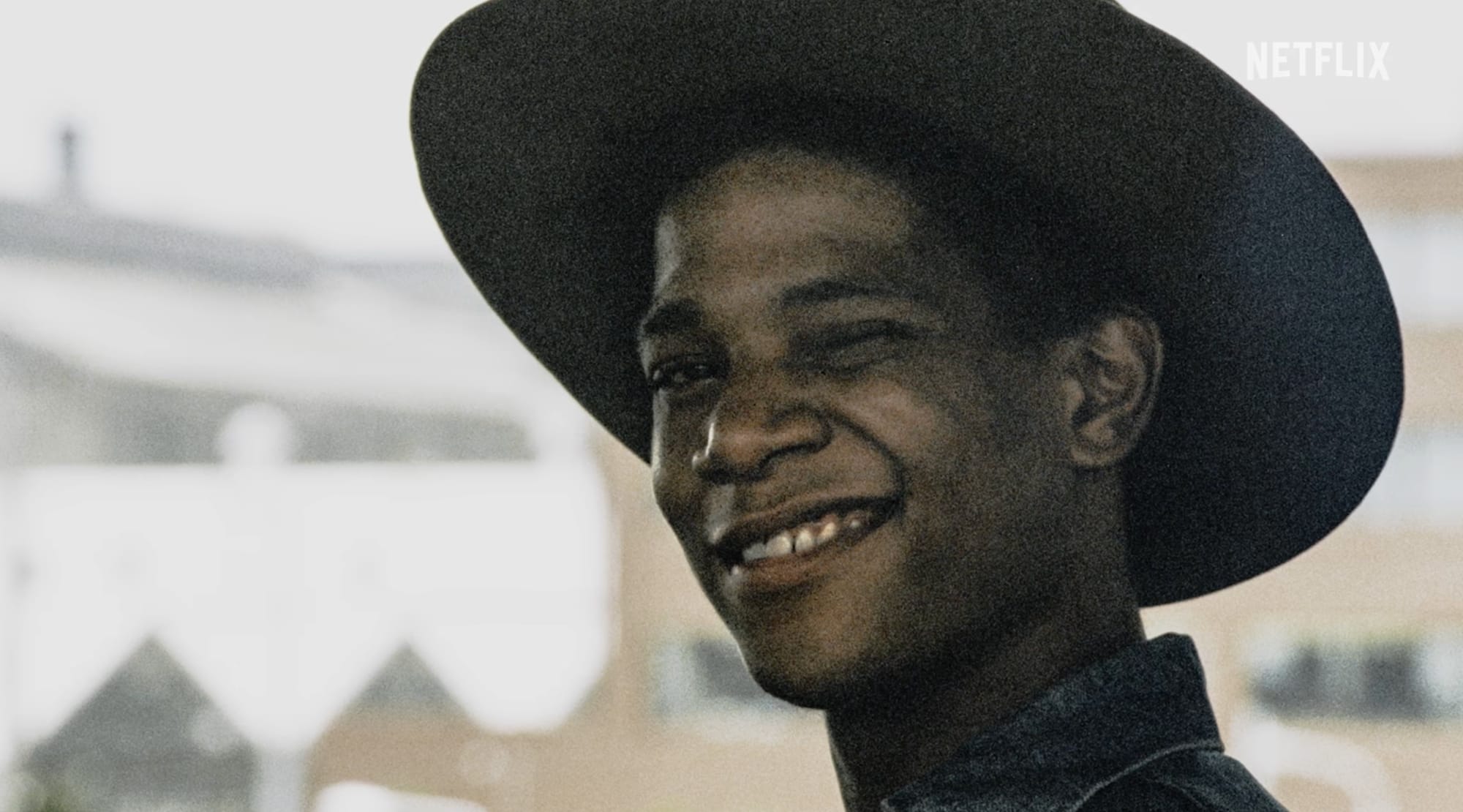
In the newly released official trailer for the Netflix feature, Lisane Basquiat and Jeanine Heriveaux offer a deeply personal glimpse into their brother’s vibrant energy, relentless creativity, and the everyday reality of his upbringing. The siblings describe a dynamic individual whose approach to life was just as bold, expressive, and uncompromising as the vibrant, text-heavy, and symbolically rich paintings that continue to command tens of millions of dollars at elite global auctions today. Summarizing the primary mission of the documentary, one sister observes in the trailer that "he was unapologetically Jean-Michel Basquiat," a sentiment that encapsulates both his artistic integrity and his refusal to conform to the rigid expectations of the traditional establishment.
Unlike previous unauthorized retrospectives and cinematic explorations of the artist’s life, this Netflix production draws directly from the definitive archives of the Basquiat estate. This unprecedented access has allowed directors Quinn Whitney Wilson and Viridiana Lieberman to incorporate a wealth of rare archival footage, personal audio recordings, and previously unreleased documentation into the narrative structure of the film. Furthermore, the documentary treats viewers to visual presentations of never-before-seen works from private family holdings, offering art historians and casual admirers alike a fresh perspective on his evolving creative process.
By grounding the documentary in the firsthand perspectives, memories, and commentary of his family members, the filmmakers seek to construct a more intimate, three-dimensional portrait of Basquiat. For decades, the dominant cultural narrative surrounding the artist has focused heavily on his rapid ascent from a homeless graffiti artist signing his work under the moniker "SAMO" to an international art superstar exhibiting in major galleries across New York, Europe, and beyond. While that trajectory remains an undeniable cornerstone of twentieth-century art history, the estate-authorized film emphasizes the human dimensions of his journey—his family bonds, his intellectual curiosity, his cultural roots, and the profound depth of feeling that informed every brushstroke.
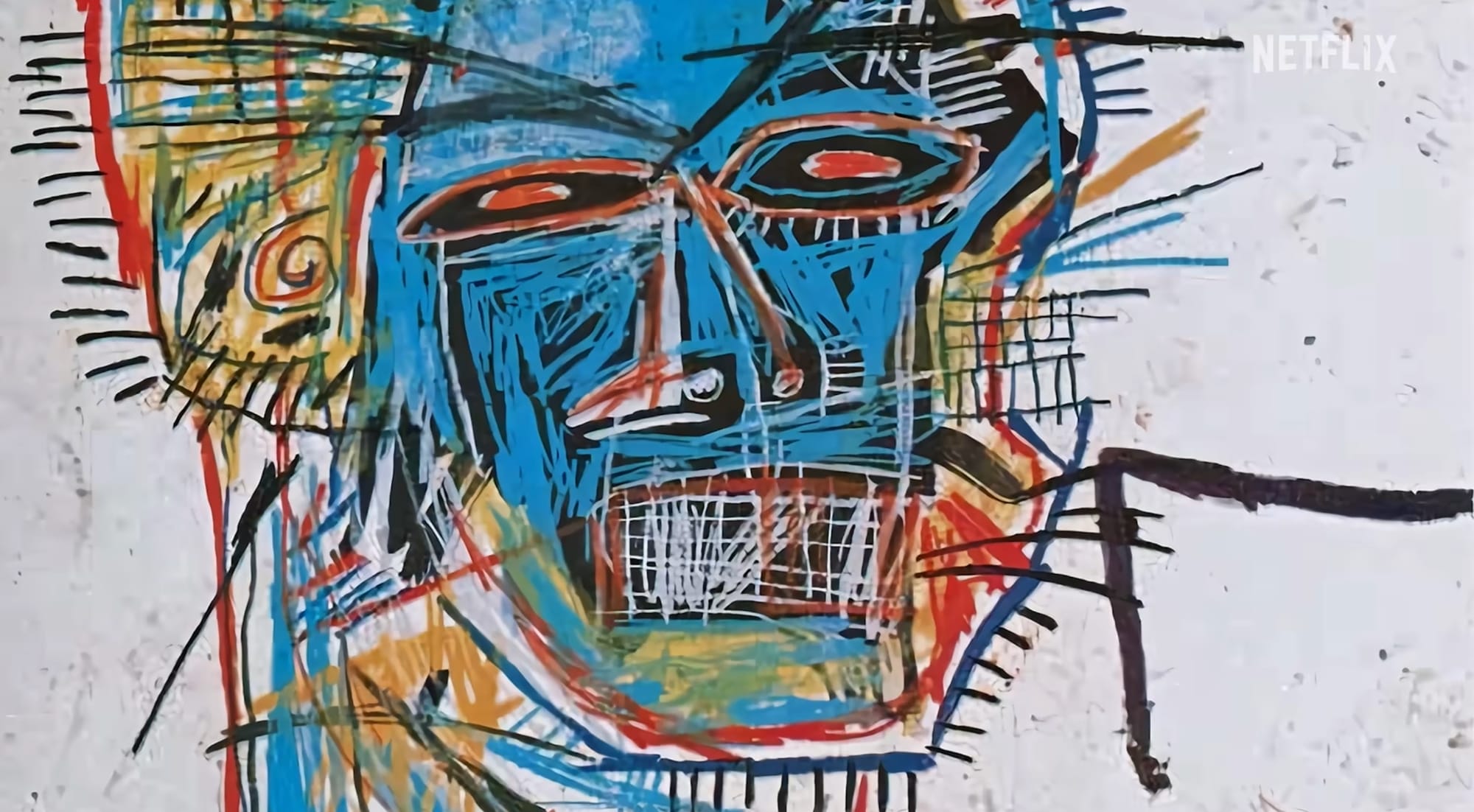
Basquiat’s artistic vocabulary was deeply influenced by his multicultural heritage, Haitian and Puerto Rican roots, and his acute observations of systemic racism, consumerism, and sociopolitical power structures in America. His iconic motifs—ranging from skeletal anatomical drawings and crowns to historical figures and fragmented text—transcended the boundaries of traditional painting and graffiti, establishing a powerful visual language that resonates just as strongly today as it did four decades ago. Yet, despite the massive institutional recognition and commercial value attached to his portfolio, the mythology surrounding his persona has frequently overshadowed the rigorous intellect and deliberate technique underlying his explosive compositions.
The release of Jean-Michel Basquiat on Netflix arrives at a time of sustained global fascination with the artist’s life and work. Exhibitions dedicated to his oeuvre continue to break attendance records at major international museums, while contemporary creators across fashion, music, and the visual arts routinely cite him as a foundational influence. By centering the voices of Lisane Basquiat and Jeanine Heriveaux, the new documentary ensures that the definitive narrative of his life remains anchored in the people who knew him best, rather than the romanticized and often distorted myths that have proliferated since his passing in August 1988.
As audiences prepare for the global premiere on December 11, the documentary stands poised to redefine public understanding of a cultural icon. Through rare archival materials, intimate familial commentary, and a commitment to historical authenticity, the film invites viewers to look past the legendary status and confront the brilliant, complex, and unapologetic reality of Jean-Michel Basquiat.