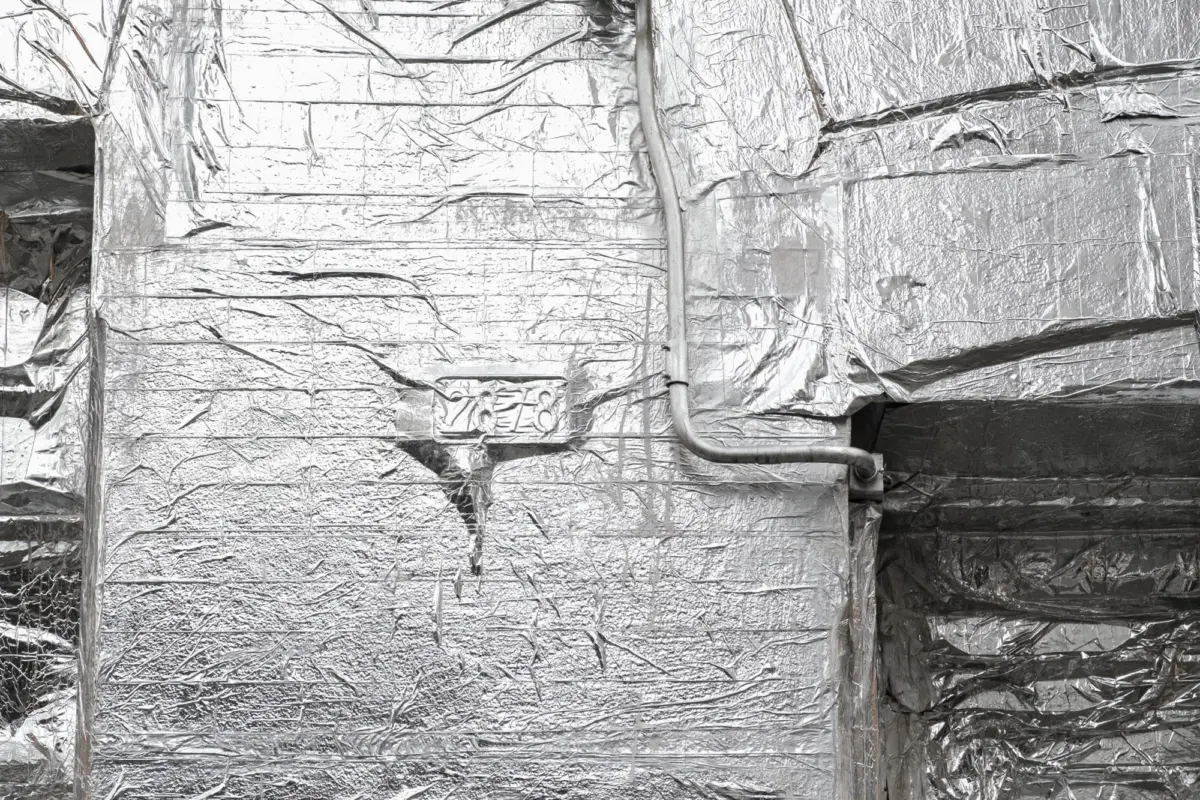
In the dense, ever-changing fabric of modern metropolises, certain structures quietly slip out of public consciousness long before physical machinery arrives to tear them down. A building can maintain its postal address and its physical footprint while completely losing its place in the everyday lived experience of the city. Its presence stops drawing the eye, fading into the visual background of urban congestion. In this sense, disappearance often begins long before actual demolition.
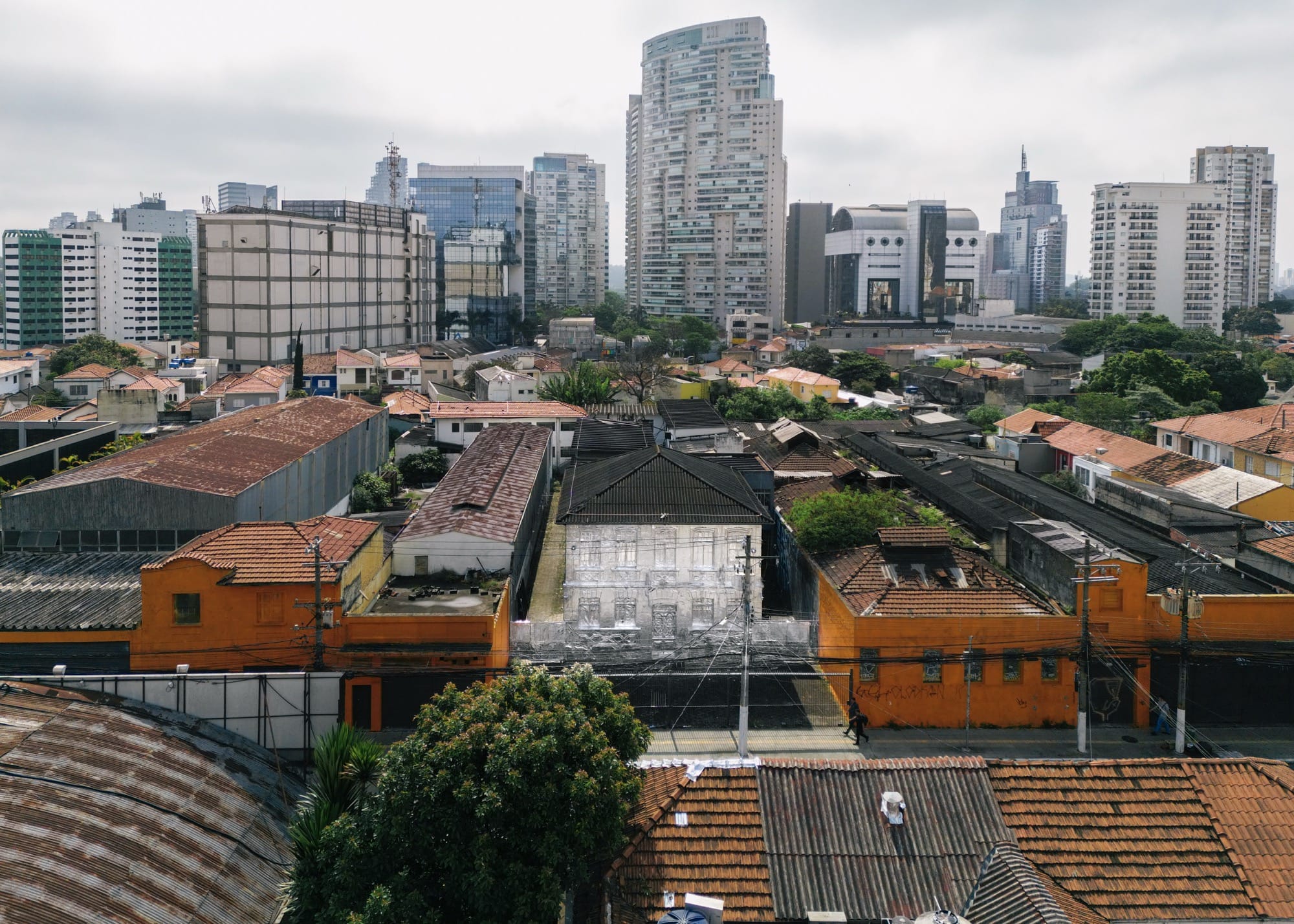
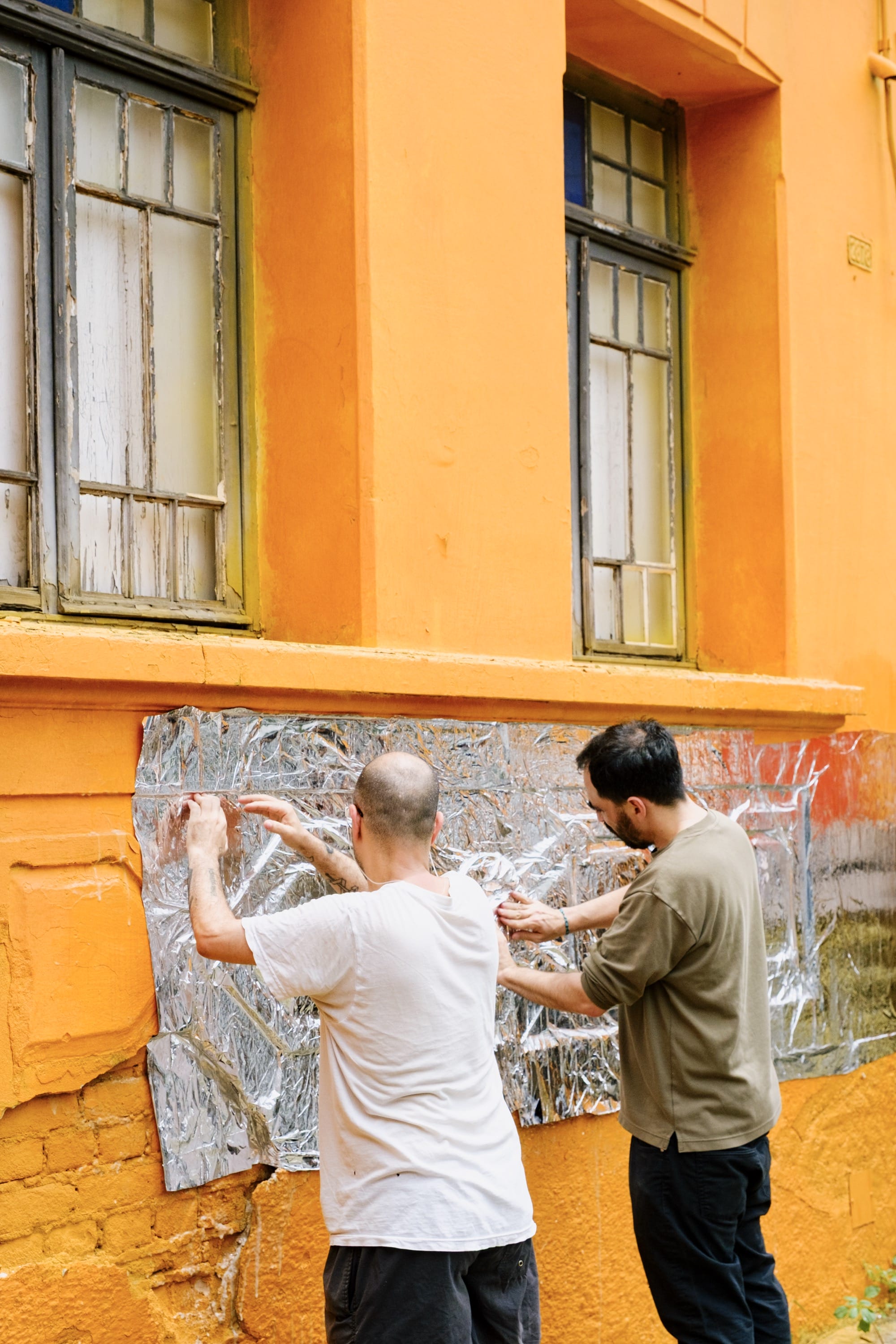
This haunting premise anchors a striking new collaborative intervention by renowned contemporary artists Alexandre Farto, widely known as Vhils, and Marcelo Cidade. Situated at Rua Cardeal Arcoverde, 2878, in the vibrant Pinheiros district of São Paulo, Brazil, their monumental site-specific project turns an ordinary city street corner into a profound meditation on urban architecture, collective memory, and the transient fixtures of modern life. Titled simply “2878,” the installation envelopes an entire colonial-style building in the stark, reflective sheen of emergency silver thermal blankets.
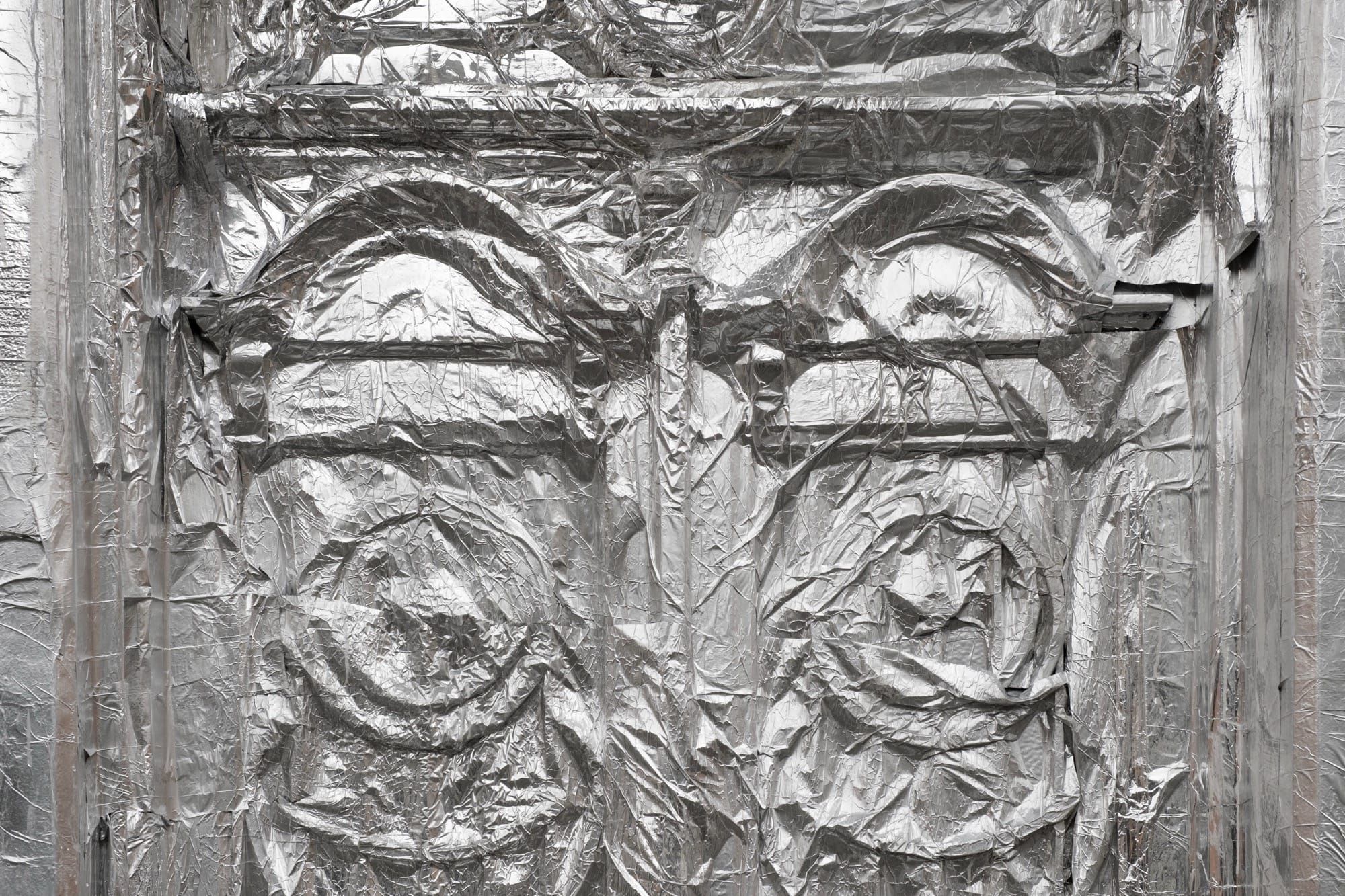
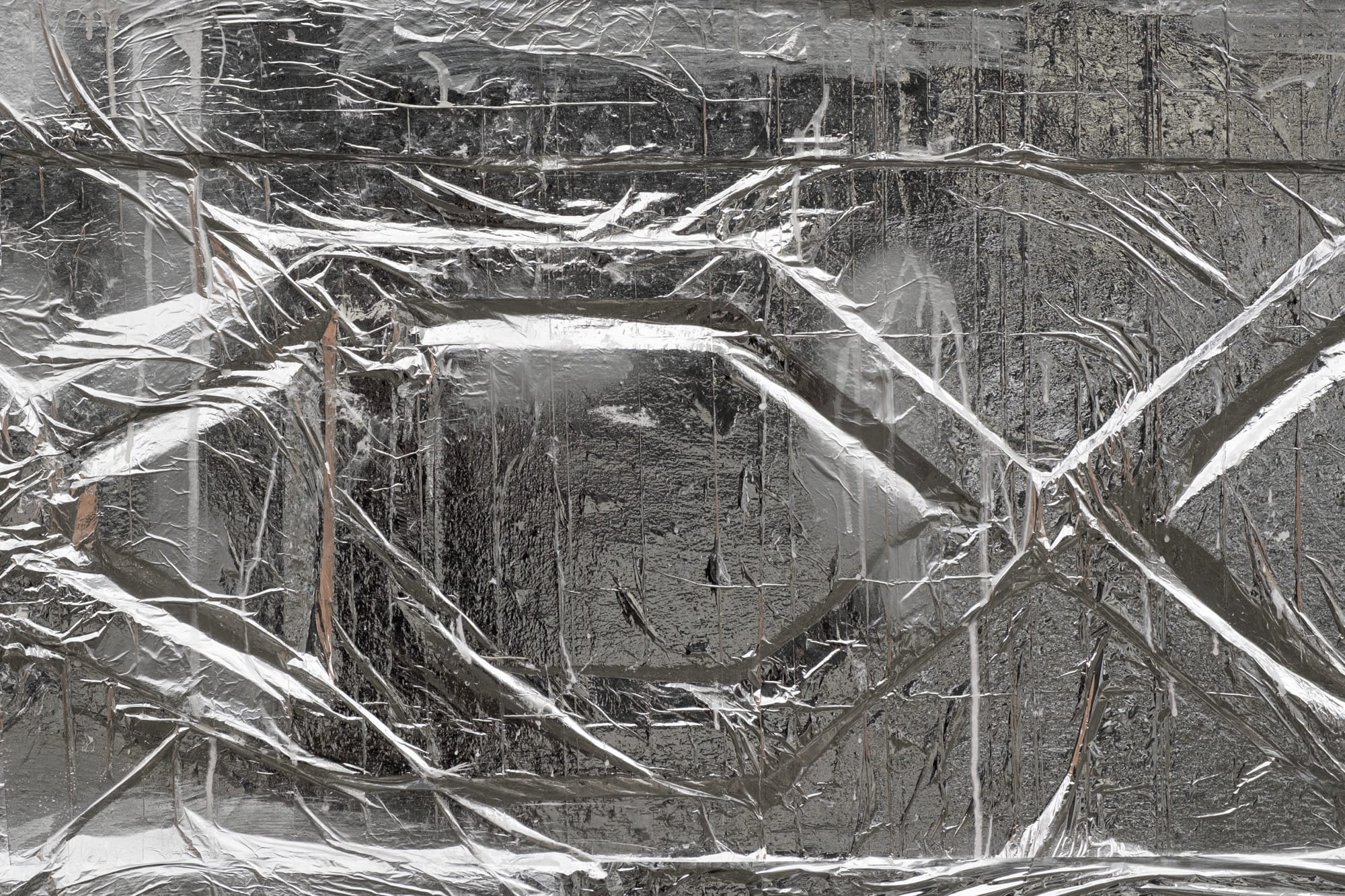
To achieve this arresting visual effect, the artists and their team bonded the utilitarian material directly to the structure’s facade using a traditional cornstarch glue. Rather than flattening the architecture, the taut metallic skin clings tightly to the building’s exterior contours, accentuating its hidden features. Arched windows, intricate architectural moldings, and ornate historical patterns emerge in high-relief detail beneath the crinkled silver shroud. The result is a simultaneous act of preservation and concealment—a gesture that draws intense, renewed attention to the architectural heritage of the building while masking its actual physical condition behind an impenetrable metallic barrier.
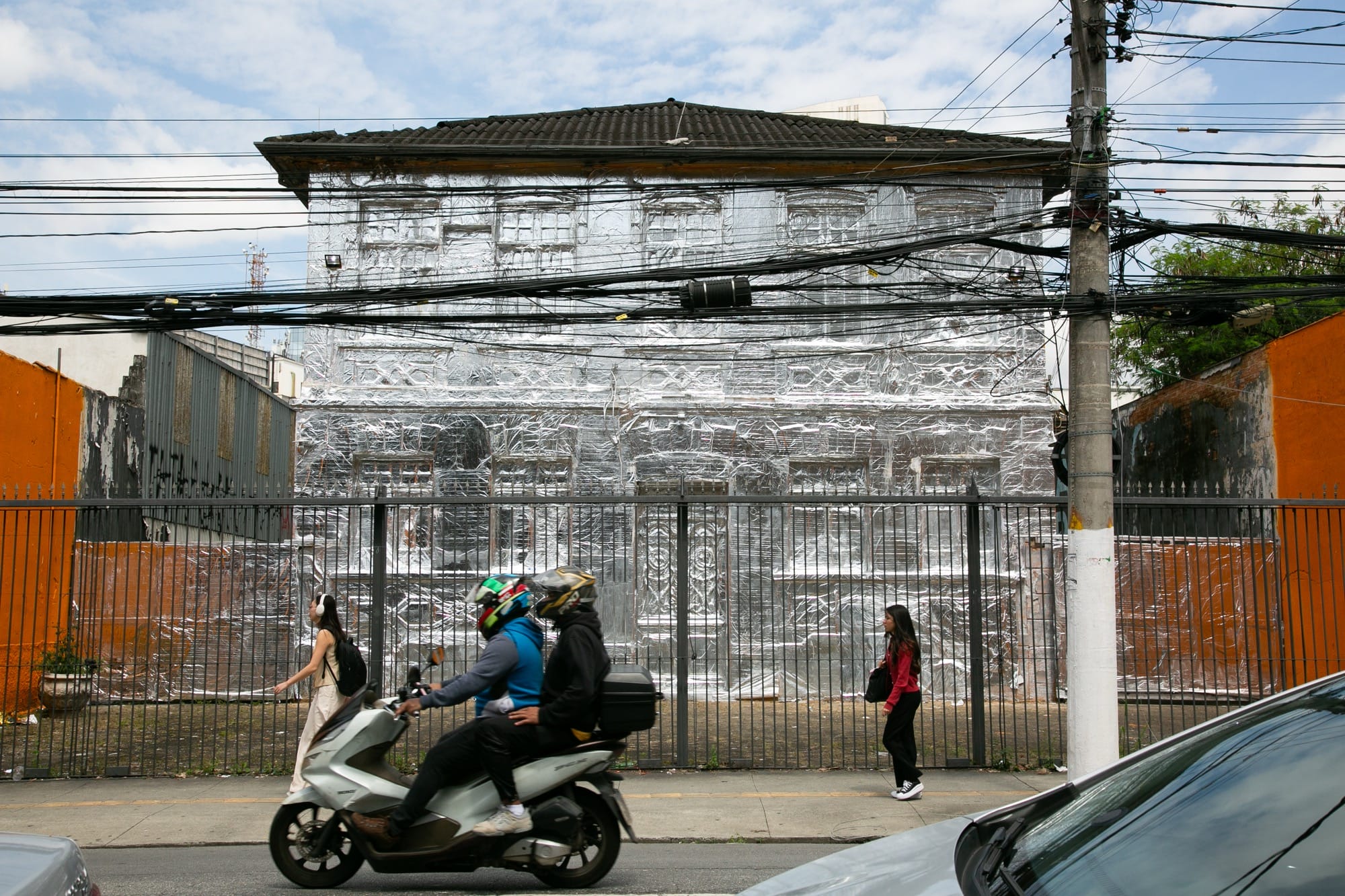
The installation serves as a powerful prompt for urban dwellers, forcing them to question how cities care for their spaces and how societies value historical architecture amidst relentless real estate development. As pedestrians navigate the bustling sidewalks of Pinheiros, the metallic surface of “2878” acts as a distorted mirror, catching the faint silhouettes of passersby and reflecting them back into the streetscape. Because the material reacts dynamically to the changing environment, the building’s appearance shifts dramatically throughout the day, altering its color and luminosity depending on the angle of the sun, passing clouds, and the rhythm of urban traffic.
Art historians and critics observing the intervention have quickly drawn thematic parallels to other monumental historical works that toyed with scale, concealment, and urban visibility. Most notably, the project evokes the spirit of Christo and Jeanne-Claude’s legendary “Wrapped Reichstag,” which similarly shrouded a politically and historically charged civic building to prompt a fresh perspective from the public. Furthermore, the aesthetic choices recall the early years of Andy Warhol’s Factory in New York City, where the artist famously coated walls in silver paint and tin foil. Warhol was deeply fascinated by the concepts of transience, ephemerality, and the complex psychological weight of fame and visibility. In “2878,” Vhils and Cidade translate these mid-century artistic inquiries into contemporary anxieties, expanding the conversation to encompass public space, collective urban memory, and the rapid, often unceremonious transformation of modern Latin American cities.
For those following the ongoing dialogue surrounding urban art and architecture, the collaboration bridges Vhils’ signature exploration of layers, destruction, and material history with Cidade’s incisive sculptural critiques of public infrastructure and urban spaces. While the physical intervention at Rua Cardeal Arcoverde alters the daily commute for residents of Pinheiros, documentation of the project and further updates from both artists can be found through their respective social media platforms and artistic channels.