For years, Adobe built its generative artificial intelligence strategy around a single, highly effective market promise: peace of mind. As the tech industry raced to deploy generative AI tools trained on vast, unvetted sweeps of the public internet, Adobe positioned its Firefly model as the ethically sound, legally cleared alternative. By training Firefly strictly on licensed content from Adobe Stock alongside explicitly public-domain imagery, the software giant assured creative professionals, commercial agencies, and corporate legal teams that their AI-generated visual assets would not trigger copyright disputes or licensing nightmares.
While competitor platforms faced widespread criticism, creator backlash, and high-profile class-action lawsuits over unauthorized data scraping, Adobe pointedly stood apart. The company championed content transparency, pushed for clear digital labeling standards, and actively promoted its walled-garden approach as the enterprise-ready standard for generative media.
However, that clear boundary is growing significantly more complex. At the recent Adobe MAX conference, Adobe unveiled a major structural shift in its generative ecosystem. Rather than offering Firefly in isolation, Adobe is expanding its platform to host a diverse array of third-party generative models directly within its software environment.
Models developed by prominent external tech providers—including OpenAI, Google, ByteDance, Kling, and ElevenLabs—are now integrated alongside Adobe’s proprietary Firefly models and its autonomous Creative Agent tools. During the MAX keynote presentations, Adobe framed this multi-model integration around creator empowerment, highlighting that artists and designers now have the freedom to choose whichever underlying model best fits their creative vision.
Yet, while offering choice is a compelling feature for software users, it introduces a subtle shift in responsibility. By transforming Firefly from a single, tightly controlled proprietary engine into a multi-provider AI marketplace, Adobe is placing the burden of evaluating copyright risk, data ethics, and commercial viability directly onto the individual creator.
Does Adobe Firefly’s ‘commercially safe’ label still apply to every AI model?
The fundamental challenge arising from Adobe’s new multi-model strategy lies in user perception and brand trust. For past product cycles, the "Adobe Firefly" brand was functionally synonymous with commercial safety and clean data sourcing. When a designer generated an asset inside an Adobe application, the presence of the Firefly interface served as an implicit guarantee that the underlying training data had been fully cleared for commercial deployment.
With external models now operating side by side within the very same interface, that baseline assumption no longer automatically applies. While Adobe’s proprietary Firefly models retain their original training guarantees and commercial indemnification policies, third-party partner models operate under vastly different parameters. Models built by external entities like OpenAI or ByteDance carry their own distinct terms of service, varying levels of data transparency, and independent training methodologies—many of which have historically relied on broad web crawls rather than strictly licensed image repositories.
For graphic designers, art directors, and agency leads navigating fast-paced production pipelines, distinguishing between these varied legal protections at the moment of creation is not necessarily straightforward. A creator clicking through a dropdown menu of generative options within an Adobe application could easily assume that the overarching Adobe brand umbrella provides uniform legal protection across every available tool.
Although Adobe outlines the precise legal distinctions, terms of use, and licensing boundaries for partner models within its technical documentation, critics and creators argue that hiding these critical details in fine print is insufficient. When third-party models sit directly inside a tool marketed on commercial safety, the operational differences between models need to be prominently disclosed at the exact point of asset generation, rather than buried in legal documentation.
This distinction carries severe practical weight for commercial design studios and corporate marketing departments. A commercial contract signed with a client often requires an explicit guarantee that no unauthorized copyrighted materials or ethically ambiguous data pipelines were utilized in the creation of campaign deliverables. If an agency artist unknowingly selects a third-party partner model instead of a native Firefly model, the resulting artwork may not carry the same legal backing or corporate indemnity. A Firefly badge on the application UI is no longer identical to a Firefly legal guarantee.
Furthermore, operational vulnerabilities within clean data ecosystems were already evident even prior to opening the platform to third-party models. Adobe previously faced scrutiny when users discovered AI-generated images that closely mimicked the distinct styles of living artists being uploaded to Adobe Stock—which were then ingested into training pipelines and offered for commercial licensing.
Adobe responded to these incidents by enforcing stricter moderation policies, affirming its commitment to respecting creator rights, and pointing out that visual resemblance alone does not legally constitute copyright infringement. Nevertheless, these controversies highlighted a persistent vulnerability: even within a curated and licensed environment, managing the boundaries of algorithmic replication remains immensely difficult.
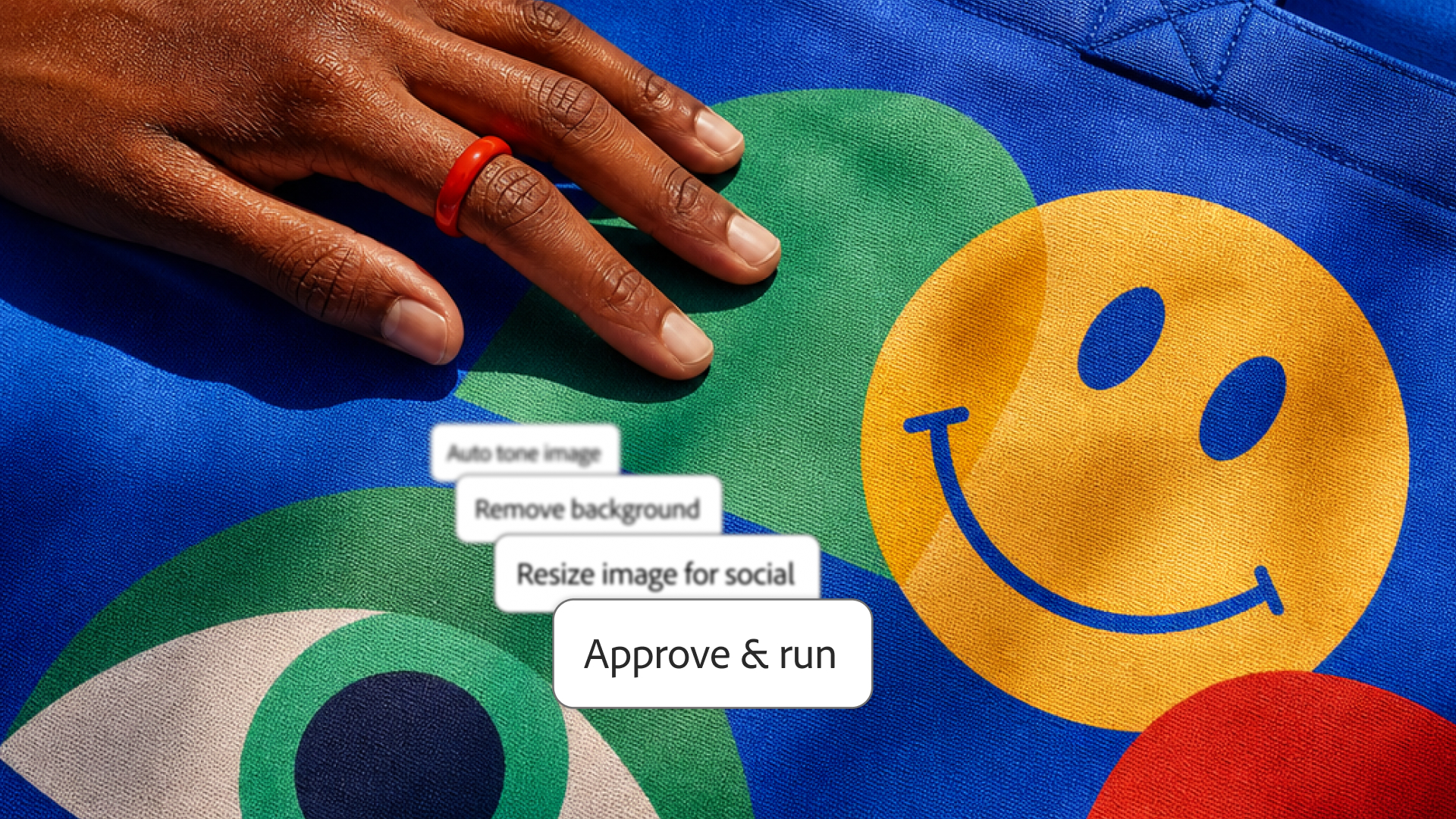
Licensed AI training data doesn’t guarantee ethical AI images
The ongoing debate surrounding generative AI within the creative community underscores a growing rift between legal compliance and artistic ethics. A model trained exclusively on licensed images answers the strictly legal question of data authorization: Adobe paid for or secured the rights to use the base images within its training set. However, it does not automatically resolve broader ethical concerns regarding stylistic mimicry, artistic credit, and the devaluation of creative labor.
Artists have repeatedly pointed out that while a software vendor may hold the legal license to millions of stock photos, using those images to train an engine capable of endlessly replicating a specific illustrator’s aesthetic style feels fundamentally coercive. Marketing campaigns have frequently allowed the legal definition of "clean data" to serve as a stand-in for comprehensive ethical practice, conflating copyright permission with artistic fairness.
The introduction of third-party AI models into Adobe’s ecosystem amplifies these ethical ambiguities. When external models—built on data gathering practices that remain the subject of active litigation across the tech industry—are embedded into Adobe’s creative suite, the concept of a "safe" model ceases to describe the software ecosystem as a whole. Instead, safety becomes merely one selectable setting among many.
To navigate this shifting landscape effectively, creative professionals are pressing Adobe to adopt far more stringent transparency standards within its application user interfaces. Rather than relying on users to read extensive partner documentation, the software should clearly and plain-spokenly state the training origins and legal coverage of each model directly alongside its selection menu.
Specifically, creators and enterprise administrators need immediate clarity on several key operational points:
- Clear, on-screen labeling indicating whether a selected model was trained exclusively on licensed data or broader public datasets.
- Explicit disclosures regarding whether the generated output includes commercial indemnification from Adobe.
- Granular administrative controls that allow studios, agencies, and enterprise clients to lock down workspace environments, restricting staff to native, commercially indemnified Firefly models exclusively.
By establishing robust workspace management features for enterprise subscribers, Adobe could help commercial clients mitigate the legal risks associated with accidental model misselection while preserving access to external tools for independent creators who desire them.

Navigating the Multi-Model Future in Creative Workflows
The rapid evolution of Adobe’s generative platform reflects a broader inflection point across the creative technology sector. As generative AI transitions from an experimental novelty into an established component of professional workflows, tech companies are increasingly forced to balance open innovation with risk management.
Adobe has historically enjoyed a strong reputation among creative professionals for taking a measured, safety-conscious approach to AI integration amidst an industry-wide rush toward automation. Preserving that trust while simultaneously transforming into an open marketplace for third-party AI developers will require meticulous governance, aggressive transparency, and user-centric platform controls.
Beyond core image generation, Adobe used the MAX conference to preview its broader strategic roadmap, highlighting experimental tools designed to automate complex, specialized design tasks. Among the technical demonstrations showcased during the event’s "Sneaks" presentations was Project Link Up, an experimental initiative aimed at streamlining vector graphics workflows and making precise, scalable graphic design accessible to a wider range of creators.
As these tools continue to mature, the core challenge facing the creative community remains unchanged: balancing the operational speed and stylistic variety of modern AI tools with the legal integrity and ethical transparency that professional design standards demand. Whether Adobe’s multi-model framework succeeds will ultimately depend on how clearly the platform communicates the boundaries of its safety promises to the creators who rely on them.