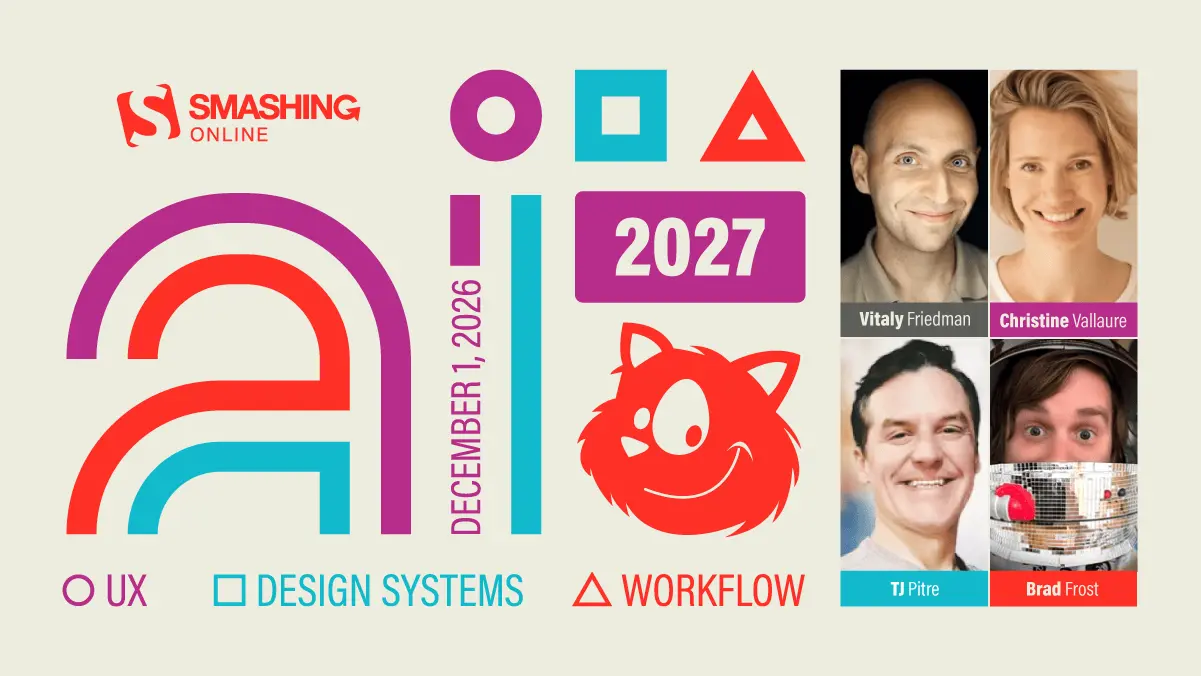
As artificial intelligence tools continue to proliferate across the tech industry, a growing sentiment of fatigue has emerged among web developers, user interface designers, and digital product managers. Amid a constant stream of high-profile marketing campaigns, sensational headlines, and conflicting predictions regarding the future of software creation, industry professionals increasingly struggle to identify where machine learning technology provides genuine utility within real-world web production. Addressing this gap between industry hype and practical execution, Smashing Magazine has announced a dedicated live virtual event scheduled for December 1, designed specifically to explore how artificial intelligence can be thoughtfully integrated into design systems and front-end development workflows.
The upcoming online conference aims to look beyond macro-level debates surrounding automation and focus instead on the concrete, day-to-day applications of emerging tools. Rather than framing artificial intelligence as a disruptive force destined to replace human craftsmanship or as a flawless solution for every technical challenge, the event centers on how these technologies can complement existing design and development practices. By evaluating AI within the specific framework of design systems, the conference seeks to provide clear context for where automated tooling fits best, helping creators streamline repetitive tasks, enhance cross-functional collaboration, and maintain creative control over complex digital projects.
The decision to host a targeted event on AI in design systems reflects a broader effort within the web community to move past superficial demonstrations and address the operational realities of modern software development. In recent years, front-end developers and UI/UX designers have been inundated with automated code generators, automated design tools, and synthetic content engines. While these tools promise rapid prototyping and reduced production cycles, they frequently introduce questions regarding code quality, design consistency, maintainability, and accessibility. The December 1 gathering is structured to address these exact concerns, bringing pragmatic scrutiny to a topic that is too often dominated by extreme optimism or defensive skepticism.
Smashing Magazine, the organization behind the conference, has long held a reputation in the web design and development community for delivering grounded, practitioner-focused educational content. Since its inception, the publication and its associated international conference series have consistently prioritized established web standards, performance optimization, user accessibility, and repeatable design methodologies over short-lived industry trends. By applying this same methodical approach to artificial intelligence, the organizers intend to strip away unnecessary technical hype and offer attendees a realistic assessment of how machine learning models can be effectively deployed in professional design environments.
Design systems represent a particularly relevant venue for evaluating artificial intelligence tools. As modern web applications grow in complexity, organizations rely heavily on design systems—comprehensive libraries of reusable visual components, design tokens, documentation, and coded interface elements—to maintain visual and functional consistency across digital products. Establishing and maintaining these systems requires continuous coordination between design teams, front-end engineers, accessibility specialists, and product managers. Integrating AI into this pipeline offers significant potential for automating documentation maintenance, streamlining component variant creation, enforcing design token consistency, and accelerating front-end translation, provided the implementation is managed thoughtfully.
To guide attendees through these technical considerations, the live online conference features a curated lineup of experienced industry practitioners known for their work in design system architecture, front-end development, and digital user experience. Among the featured speakers is Brad Frost, a prominent web designer, consultant, and speaker widely recognized for creating the Atomic Design methodology. Frost’s work has fundamentally shaped how modern digital interfaces are built, breaking down web layouts into fundamental atoms, molecules, and organisms to establish scalable design architecture. His participation brings a foundational perspective on how generative tools and intelligent automation can be aligned with structured, component-driven design methodologies without compromising system integrity.
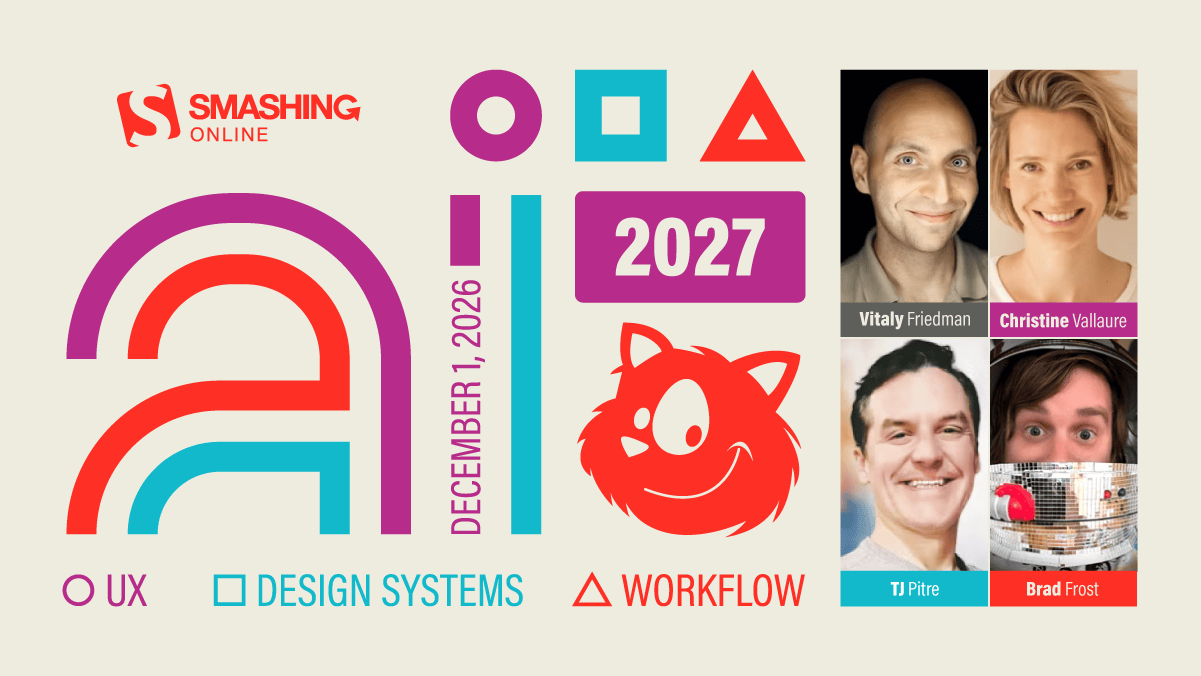
Joining Frost on the conference stage is Vitaly Friedman, co-founder and editor-in-chief of Smashing Magazine. Friedman, who has spent decades advocating for user-centered design, complex layout systems, and practical web performance strategies, brings a wealth of international consulting experience to the event. His sessions routinely focus on complex interface patterns, real-world case studies, and actionable techniques that design teams can implement immediately within their organizations. His involvement underscores the event’s emphasis on practical execution over abstract theory.
The speaker roster also includes Christine Vallaure and TJ Pitre, both of whom bring deep technical expertise in design execution, tool integration, and front-end production. Vallaure, known for her comprehensive educational work in UI design and digital prototyping tools, focuses on helping designers master modern software workflows to build efficient, scalable user interfaces. Pitre, an experienced front-end developer and technical leader, specializes in bridging the gap between design concepts and production-ready code, offering valuable insight into how automated tooling can assist engineers during the implementation phase of design systems.
Together, these speakers bring extensive practical experience to the live virtual stage, offering attendees direct demonstrations of how artificial intelligence tools translate to actual daily responsibilities. The sessions are designed to appeal to a broad cross-section of the digital product ecosystem, providing relevant insights whether an attendee is a visual designer building component libraries, a front-end developer configuring component code bases, or a project stakeholder overseeing technical strategy and resource allocation.
The event’s emphasis on live, interactive demonstrations reflects a deliberate choice to favor educational transparency over canned presentations. Attendees will have the opportunity to observe real workflows, evaluate how leading experts navigate the strengths and limitations of current AI tools, and ask direct questions during the virtual sessions. By focusing on practical application, the event seeks to demystify artificial intelligence, transforming it from an intimidating or overhyped concept into a manageable set of specialized utilities for modern web development.
Registration for the live virtual conference on December 1 is currently open to the public, with standard admission priced at €50. To make the event accessible to the wider web development community, the organizers have partnered with digital publication CSS-Tricks to offer a special promotional discount. Readers and community members can apply the discount code AITRICKSCSS during the registration process on the official Smashing Conference event portal to receive a reduced ticket rate.
In addition to the promotional code, the announcement included a special community giveaway for readers of CSS-Tricks. The author of the announcement confirmed that two free full-access tickets to the December 1 conference are being distributed directly to the community. The complimentary passes are allocated to the first two individuals who submit a comment on the original published post, provided they register using a valid, active email address so the organizers can deliver the ticket credentials.
As the software industry continues to digest the rapid advancement of artificial intelligence, events like the Smashing AI conference provide a necessary forum for critical evaluation and practical learning. By bringing together respected design system architects, experienced front-end engineers, and an audience of dedicated web professionals, the upcoming December 1 virtual gathering aims to redefine how the web community engages with AI—moving away from uncritical hype and toward thoughtful, human-centric implementation.