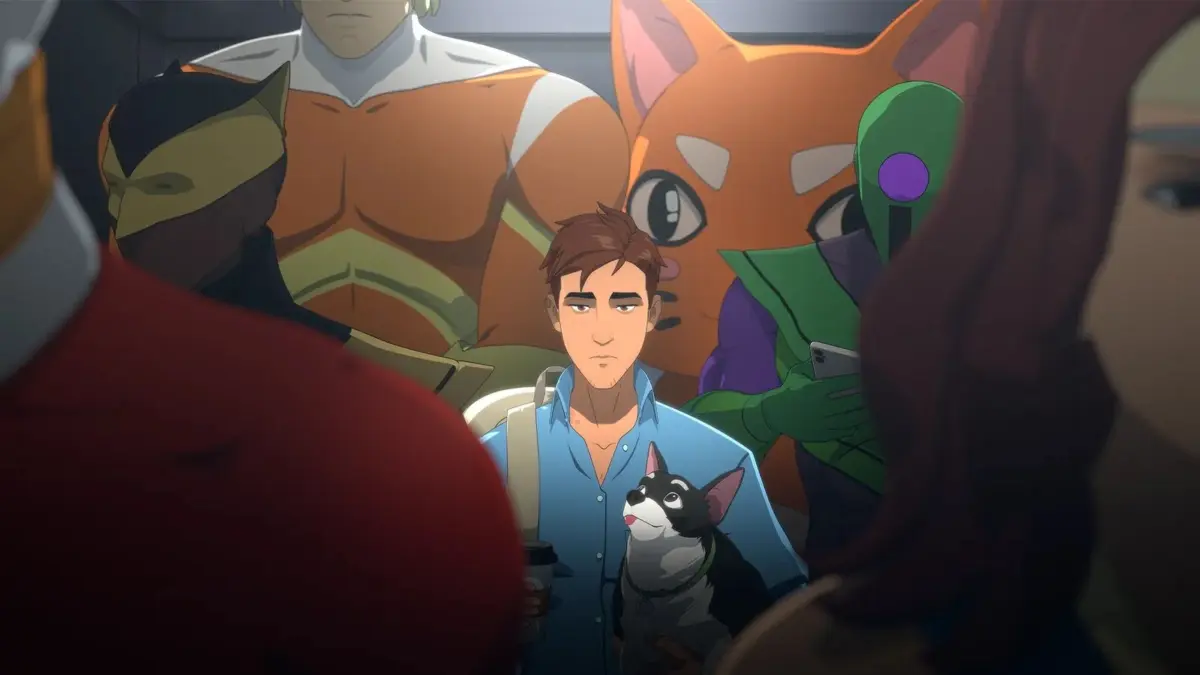
When AdHoc Studios set out to create Dispatch, the goal was clear from the beginning: design an interactive experience that looks, sounds, and feels like a premium animated television series. By intentionally removing the complex control schemes and high entry barriers often associated with modern video games, the studio sought to build an accessible narrative experience capable of reaching traditional gamers and non-gamers alike.
One year following its launch on October 22, 2025, the episodic superhero workplace comedy has surpassed more than five million players. To celebrate that milestone, the studio launched the Dispatch Deluxe Edition, a new release that introduces fresh ways to experience the story, including an option to play through the entirety of the game rendered as storyboard animatics.
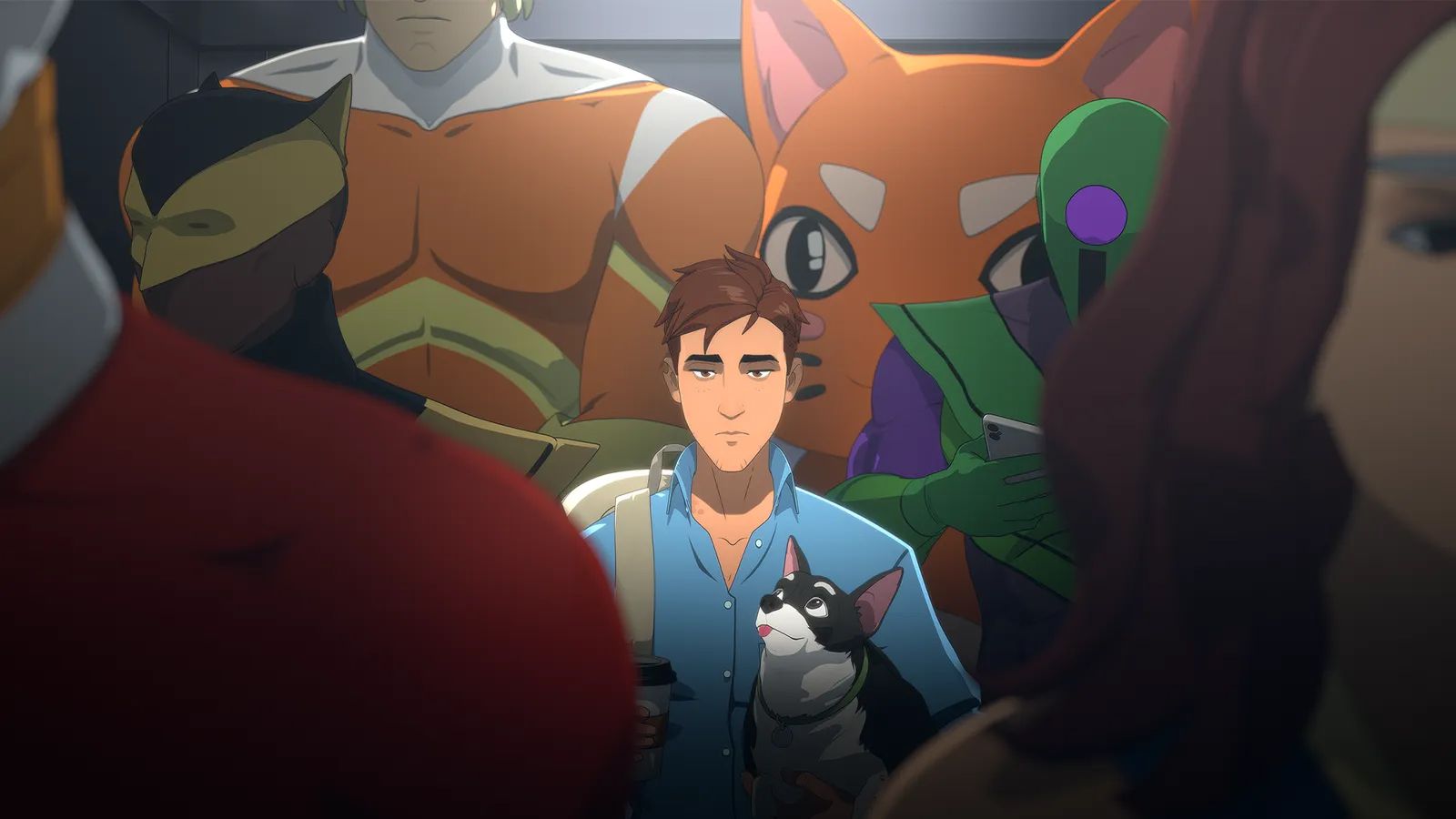
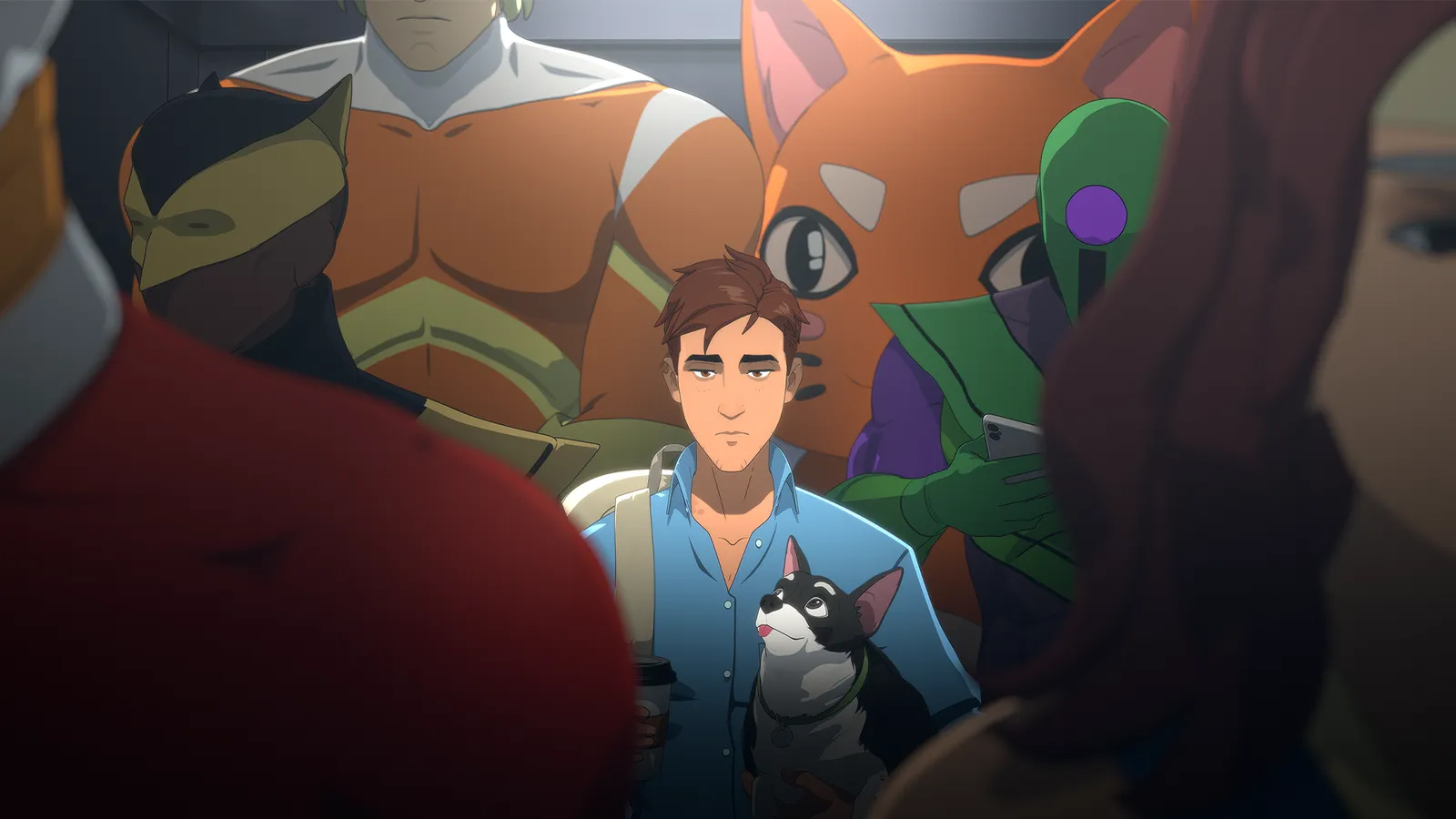
Set in a world of capes, corporate logistics, and bureaucratic headaches, Dispatch stars Breaking Bad alumnus Aaron Paul as Robert Robertson (formerly the superhero Mecha Man), a retired hero working as a dispatcher responsible for managing a team of reformed supervillains known as the Z-Team. The title boasts an ensemble voice cast that includes Jeffrey Wright, Laura Bailey, and members of the popular table-top gaming group Critical Role.
Creating a branching narrative where high-profile actors sound as though they are standing in the same room—while simultaneously allowing players to dictate the direction of the story—required extensive behind-the-scenes engineering. AdHoc Studios co-founders Nick Herman (Chief Operating Officer and Co-Creative Director) and Dennis Lenart (Chief Technology Officer and Co-Creative Director) detailed how the team leveraged custom narrative tools, performance capture pipelines, and Unreal Engine 5 to deliver a seamless blend of television production values and interactive storytelling.
Directing performances that branch
Maintaining consistency across dialogue, emotional tone, and character animation presents a complex challenge when players possess the agency to take scenes in radically different directions. While Dispatch was constructed using Unreal Engine 5, the studio’s technical process always begins with the written word.
"Everything is written with choice in mind," Herman explains.
To manage the inherent complexity of a interactive script, AdHoc Studios developed its own internal toolset to ingest scripts and process them into playable documents that team members can click through and read interactively. These digital scripts are eventually formatted into traditional recording scripts for actors to use in the booth. On a linear paper page, reading a script structured with multiple branching paths can feel chaotic. However, through careful narrative design, each scene is constructed around a central story "spine." Whenever a player choice causes the narrative to split into different branches, those paths eventually trunk back into the primary narrative flow, ensuring the overall plot retains its momentum and thematic clarity.
Beyond script ingestion, AdHoc implemented a unique performance capture workflow inside the recording booth. Instead of tracking vocal performances in complete isolation—a practice that often leads to disjointed tone when dialogue options are spliced together—the studio ingested every recorded line into its pipeline immediately.
This setup enabled directors to play back previously captured performances in real time for actors currently in the booth. For instance, after recording Aaron Paul’s lines as Robert Robertson, the direction team could play those exact takes back to Erin while she recorded her lines as Blonde Blazer. They could then take Erin’s newly recorded responses and play them back for Paul during follow-up sessions.
By anchoring vocal takes to real, context-specific delivery, AdHoc effectively simulated an environment where the cast felt as though they were recording together in the same room. This iterative audio pipeline provided grounded, natural dialogue flow while giving the narrative team a quick, efficient method to test different dialogue branches.
By the time the asset pipeline moved into the animation phase, the audio tracks were fully finalized and validated. From there, the burden shifted to character animators to reflect the distinct nuances of each personality.
Herman notes that achieving authentic character movement meant studying how individual personalities express emotion differently. A character’s laughter, physical posture, or subtle facial shifts when crying must align directly with who they are on the page. To achieve that level of detail, the studio relied on extensive review cycles and produced a large volume of live-action reference footage for animators to consult throughout development.
Making gameplay part of the story
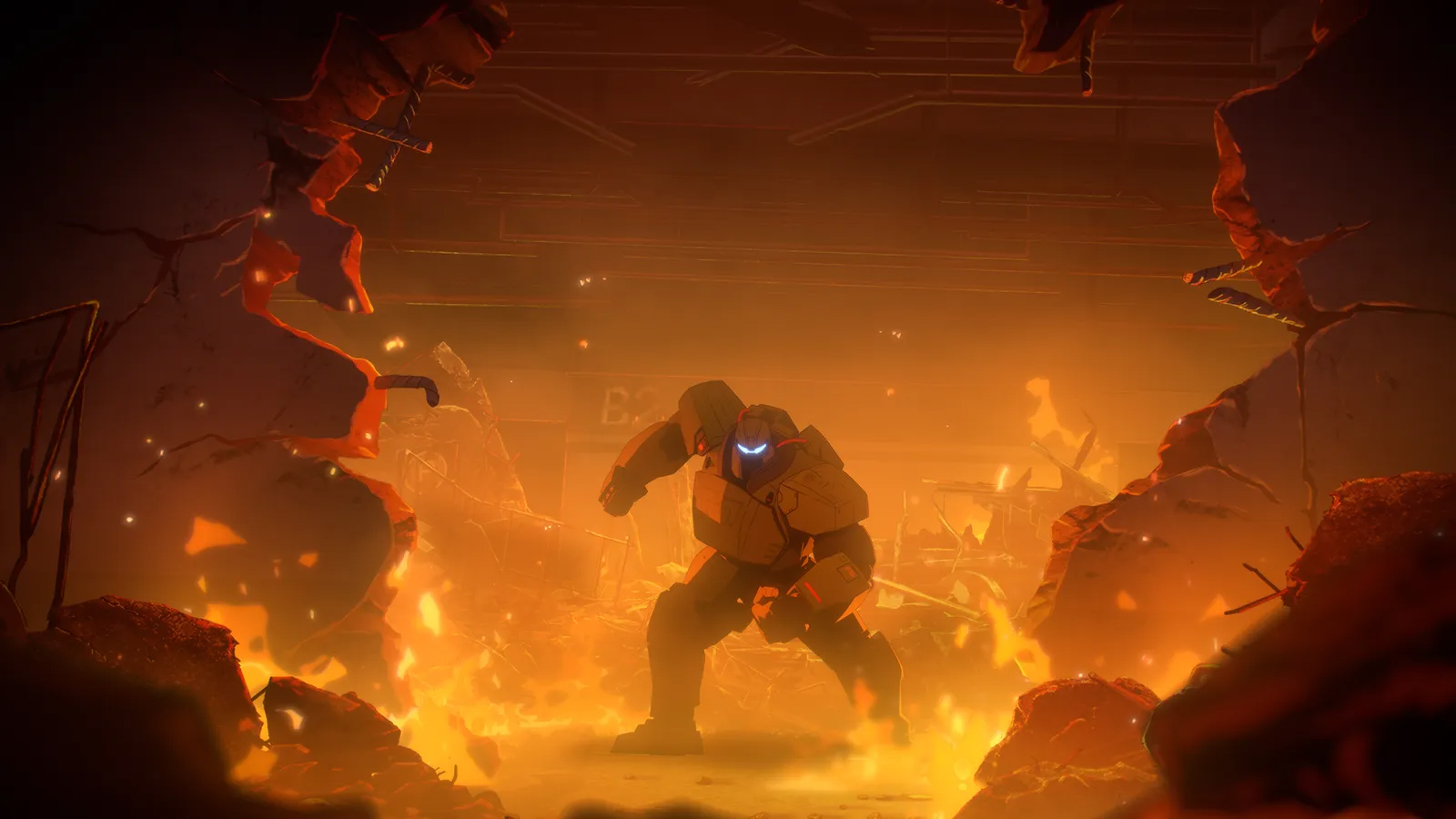
A common design challenge in narrative-focused video games is the visible friction—or seam—that occurs when a cinematic scene ends and direct player control begins. Eliminating that boundary was a primary objective for the leadership team at AdHoc.
"The goal was always to make it feel integrated," Lenart says.
Having worked across numerous titles featuring rigid boundaries between narrative cutscenes and interactive gameplay segments, both Lenart and Herman were intimately familiar with how disruptive those state changes can be to player immersion. Lenart notes that experiencing those abrupt breaks in prior projects was something that "always kind of drove us crazy."
When establishing AdHoc Studios, the co-founders made it a core design philosophy that game mechanics must naturally reflect a character’s day-to-day responsibilities rather than feeling like artificial puzzles inserted simply to force interaction. If a scenario requires a character to perform an action, such as picking a lock or navigating an obstacle, that action must align logically with who the character is and what they would actually do in that situation.
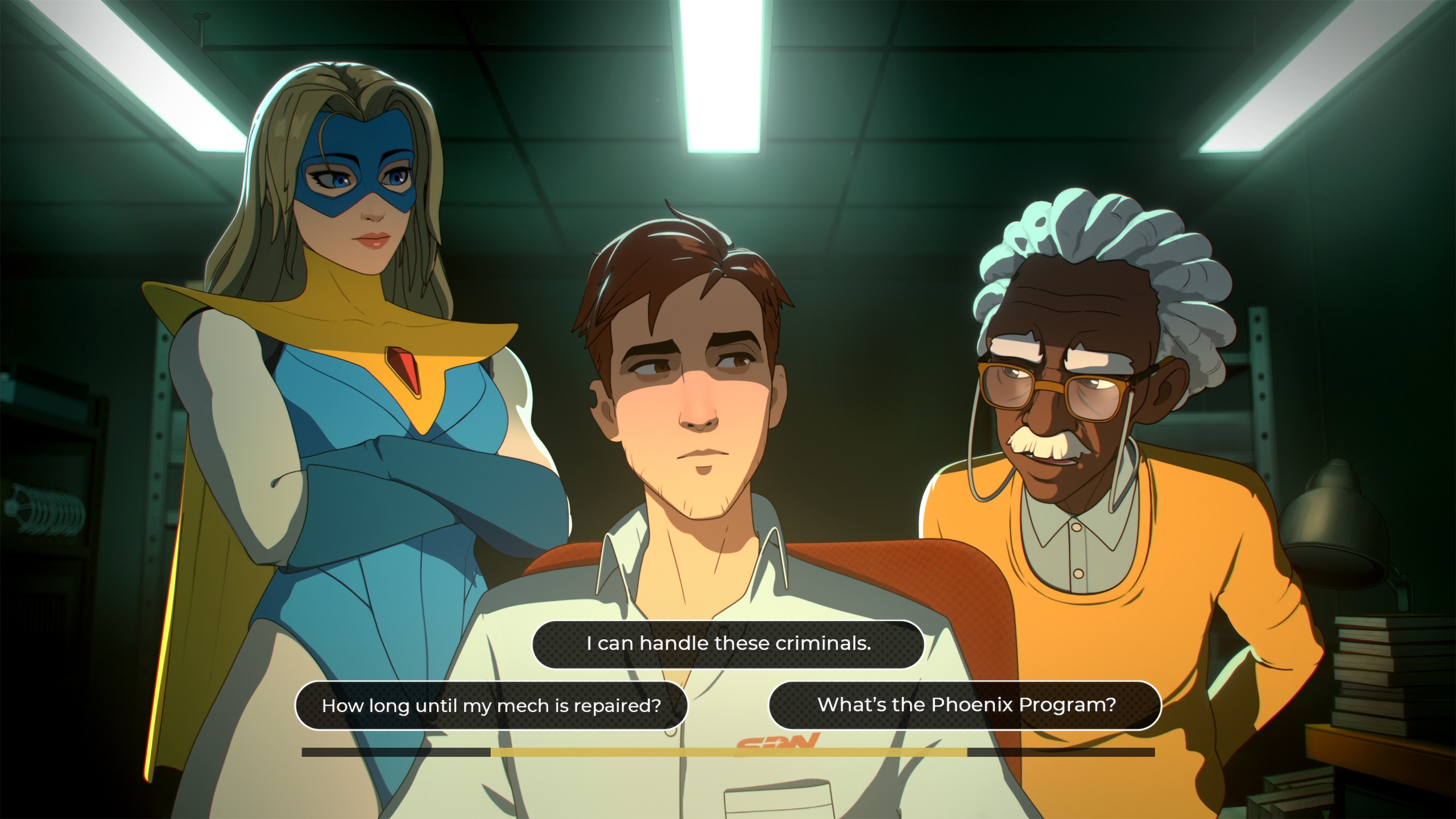
In Dispatch, this concept manifests through the central shift mechanic. As a dispatcher, Robert’s primary job is to sit at his workstation and coordinate superhero deployments. Sending hero teams out on calls is a routine part of his daily employment, making the act of sitting down at a computer terminal feel natural within the context of the story.
To prevent the narrative pace from stalling during active gameplay sequences, the studio designed the game so that members of the Z-Team continue their conversations and banter with the player throughout every shift. Narrative momentum and character relationships remain active even while tactical decisions are being made. When a shift seamlessly cuts away to a cinematic sequence and back again, the transition feels fluid because of the extensive development effort dedicated to unifying the presentation layers.
Unlearning Telltale
Prior to founding AdHoc Studios, both Herman and Lenart spent years working at Telltale Games, the developer known for acclaimed narrative titles such as The Walking Dead, The Wolf Among Us, and Tales from the Borderlands. While their tenure at Telltale provided valuable experience in episodic storytelling, creating Dispatch required them to abandon several production habits established during their time at their former studio.
At Telltale, cinematic direction was handled through an agile system known internally as "live development." Under that model, the team would ship an initial episode and then spend roughly six weeks producing the subsequent installment before release. Because assets were constructed under tight, rolling schedules, scenes remained fluid. Player feedback from a recently released episode could immediately influence the writing of the next, allowing cinematic sequences, character motivations, and dialogue tweaks to be altered up until the day before a master build was shipped.
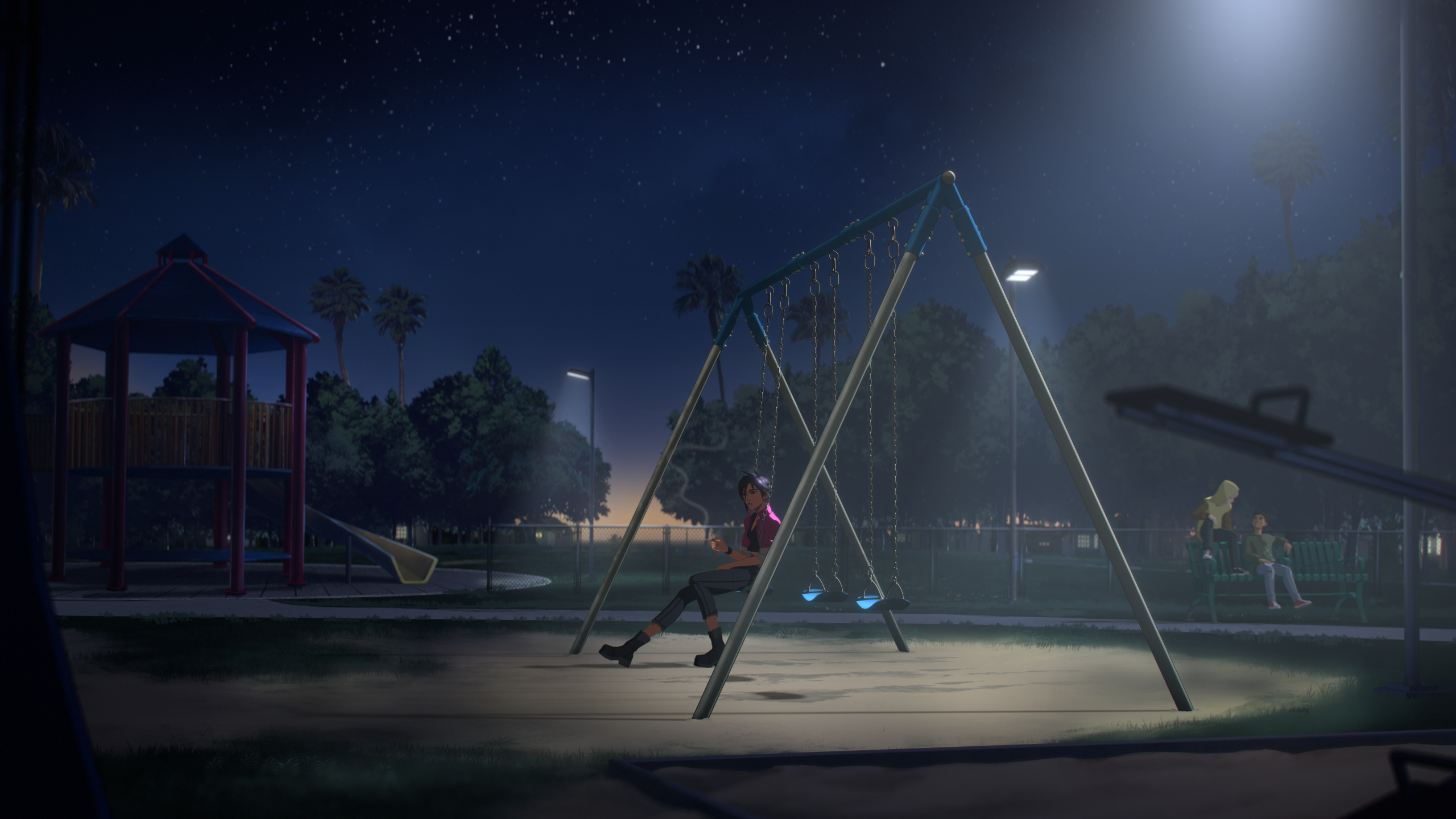
Dispatch, by contrast, demanded a fundamentally different operational approach. Because AdHoc aimed to match the visual fidelity of a high-end animated television series, the game required a structured, traditional animation pipeline. Decisions regarding visual direction, character staging, and scene composition had to be finalized far earlier in the timeline—in some cases, locked down a full year prior to release.
Adapting to a rigid schedule proved to be a major adjustment for a team accustomed to making last-minute revisions. However, Lenart emphasizes that the discipline imposed by a traditional animation pipeline ultimately elevated the final quality of the game. Locking down decisions early forced the team to hold thorough design and narrative conversations at the start of production, which better informed how every story beat and character arc would unfold across the entire season.
Reflecting on the shift in methodology, Lenart notes that adhering to a structured pipeline ultimately proved to be the most effective way to deliver a high-quality finished product.
Availability and Deluxe Edition details
The newly released Dispatch Deluxe Edition is available across major console platforms, including PlayStation 5, Xbox Series X, Nintendo Switch, and Nintendo Switch 2.
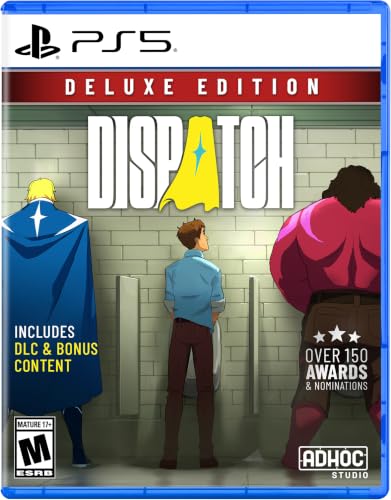
The Deluxe Edition grants players access to the full story along with specialized bonus features, most notably the ability to play through the entire game utilizing the studio’s original storyboard animatics instead of the final 3D rendered graphics. Players who already own the standard digital edition of Dispatch can access the new content and modes via a $10.99 digital upgrade path across supported platform storefronts.