In a modern professional landscape defined by rapid shifts, gig economies, and constant job-hopping, finding a lifelong career home has become an extraordinary rarity. Across a professional journey spanning four decades, writer and editor Andrew has demonstrated a remarkable commitment to stability, limiting his career to just three primary workplaces. The most enduring chapter of this trajectory has unfolded at Monocle, the global affairs and lifestyle magazine. LinkedIn recently notified the veteran journalist that he has officially marked his 20th work anniversary with the business, a milestone that prompts both personal reflection and broader commentary on the changing nature of work, technology, and urban life.
While the formal celebration of the magazine’s longevity approaches—marking two decades since the very first issue hit newsstands on February 14—the path that led to Monocle remains a defining moment in contemporary publishing history. Reflecting on those foundational days, the journey began over a quiet dinner with Tyler Brûlé, the visionary entrepreneur and journalist. At the time, Andrew was weighing a couple of different career offers and sought casual advice from his longtime friend, who is, as he cheerfully notes, "annoyingly younger than me."
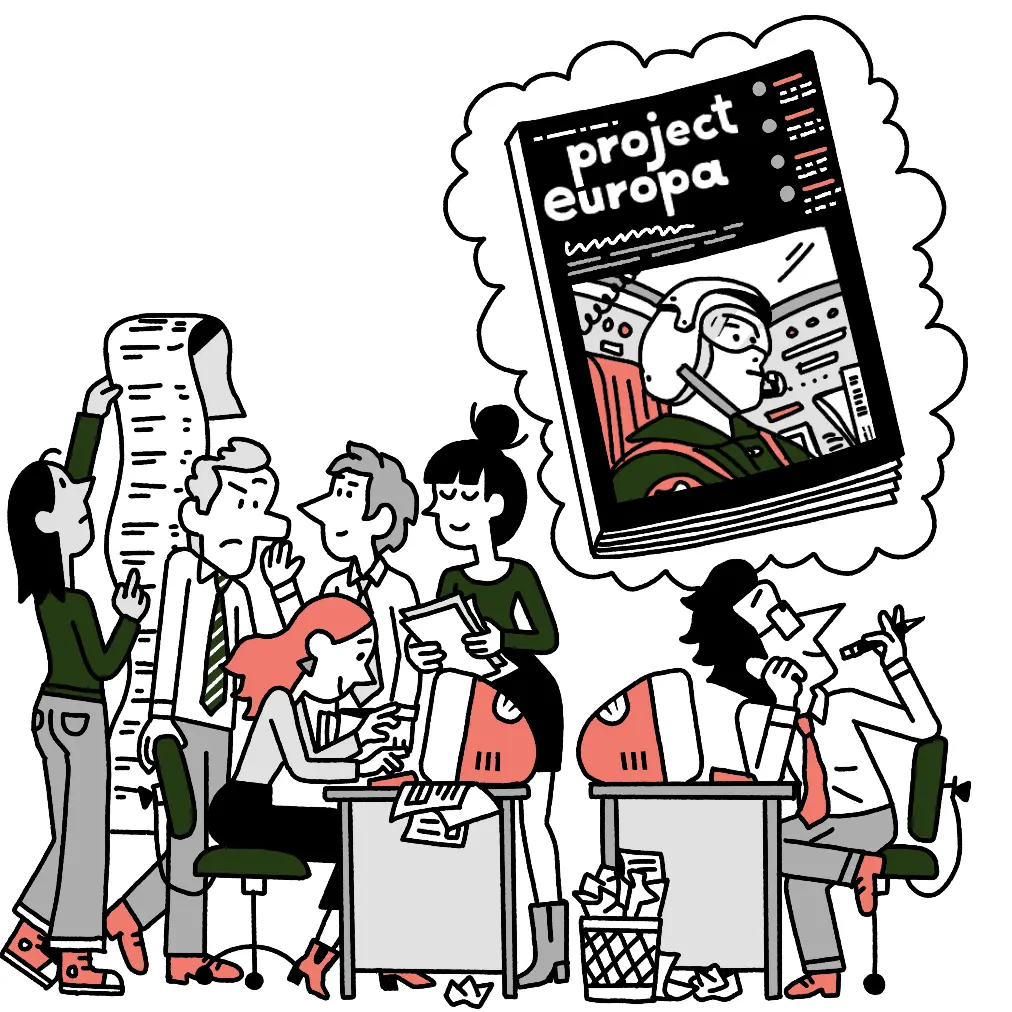
Rather than offering quick counsel, Brûlé asked him to hold off on making any hasty decisions and invited him to a meeting the following morning. The purpose of the rendezvous was to unveil a clandestine publishing venture then operating under the working title "Project Europa." Brûlé wanted Andrew to take on the role of editor for the new publication. There was, however, a catch: because start-up capital was still being actively raised, Andrew needed to remain quietly in his current post at a traditional newspaper until the funding was fully secured.
The next morning, the vision was laid out in vivid detail. Brûlé presented mock-up magazine covers and large poster-sized sheets designed specifically to entice potential advertisers, showcasing a bold, cosmopolitan editorial direction. The concept was compelling, and the desire to be part of the venture was immediate.
Securing the necessary financial backing took several months of patient anticipation. Then came the phone call that changed everything. Robyn Holt, the high-energy CEO of the nascent publishing house, reached out with her unmistakable Australian accent and delivered the definitive directive: "Doll, the money is in the bank. Resign." He tendered his resignation without hesitation, setting in motion two decades of global journalism, design scrutiny, and cultural commentary.
This rare longevity—spending twenty years shaping a single publication—raises a profound question about the future of the modern workforce: how common will such enduring professional relationships be for the next generation of employees?

That inquiry into career sustainability recently intersected with the broader technological landscape. Attending the launch of a new report by Imperial Lifelong Learning, a division of Imperial College London, entitled Everyone but me: What UK employees told us about AI and skills, brought the anxieties of the modern workplace into sharp focus. The report revealed a fascinating psychological paradox among workers: while most individuals believe they possess a solid grasp of artificial intelligence and its applications, they concurrently harbor deep suspicions that their colleagues lack the same digital know-how.
During the panel discussion, a group of enthusiastic believers championed AI’s immense potential to streamline mundane processes, maximize operational efficiencies, and actively foster human creativity. Yet beneath the optimistic rhetoric, a lingering undercurrent of anxiety was palpable. Listening to the discourse, it became evident that the contemporary workforce is hurtling toward an environment where employees may never truly feel secure enough to let down their guard. The relentless pressure to adapt to technological evolution risks creating a culture of perpetual vigilance, where workers constantly look over their shoulders in fear of professional obsolescence.
This dynamic forces a critical evaluation of the modern labor market. As institutions champion continuous professional development, society must ask how to ensure that lifelong learning does not devolve into a state of lifelong anxiety. Furthermore, it raises a poignant question for professionals who prefer stability over perpetual disruption: in an economy increasingly driven by short-term contracts and transient project-based roles, will individuals who favor deep, long-lasting organizational loyalty still find companies looking for meaningful commitment rather than a fleeting professional fling?
Away from the pressures of modern offices and technological disruption, the rhythms of everyday urban life offer a grounding counterweight. On a crisp autumn Saturday, bathed in the rich red hues of falling leaves and the warm, reflective sunlight filtering through historic windows, a leisurely afternoon provided a reminder of enduring cultural value. Accompanied by longtime friends visiting from Madrid—a friendship that has itself quietly spanned nearly forty years—the weekend included a stroll through the Victoria and Albert Museum (V&A).
Drifting through expansive galleries filled with intricate bronze sculptures, delicate Bauhaus silver, and priceless ecclesiastical treasures, the museum embodied a vibrant cultural commons. Because admission to the V&A remains free, the halls were wonderfully alive with visitors hailing from every corner of the globe, sharing space in an atmosphere of quiet discovery. Afterward, the group headed to Soho for noodles before concluding the evening with dinner at Café Clement. London, on that particular autumn day, felt effortless, welcoming, and fundamentally at ease.
That cosmopolitan warmth stands in stark contrast to shifting attitudes in other global urban centers. At a time when an increasing number of international destinations are actively seeking to discourage mass tourism—often pivoting toward policies designed to price out average travelers and cater exclusively to the ultra-wealthy, while historic European capitals hide behind boarded-up shop windows—London continues to roll out a genuine welcome mat. Tourists are not viewed as a nuisance to be managed or expelled; rather, they are recognized as contributors to the city’s vibrant social fabric. Living in a city that remains proudly, gloriously cosmopolitan offers a reassuring anchor in a rapidly changing world.
Reflecting on these intersecting milestones—marking twenty years at a single publication, maintaining friendships that predate modern digital networks by decades, and observing the evolving relationship between humanity, technology, and urban space—it appears that reliability and deep-rooted commitment are far more enduring than the fleeting trends of the modern era suggest. Perhaps, after all, personal and professional constancy is not entirely obsolete.