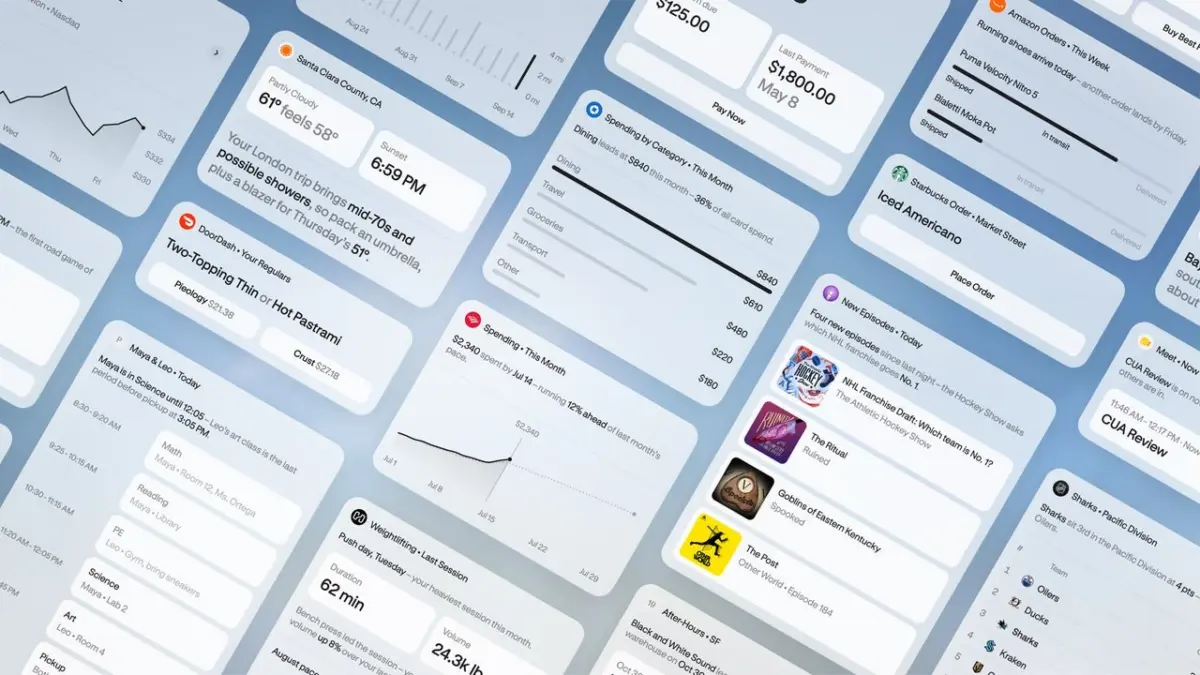
With a sleek chatbot interface and sophisticated agentic capabilities, the new AI web application Hark Pro successfully checks all the boxes expected of a mass-market artificial intelligence release. Yet, unlike the wave of tools already introduced by major tech conglomerates and frontier AI research laboratories, Hark Pro is fundamentally rethinking the core premise behind the modern digital assistant. While many of the everyday AI chatbots that have proliferated across the market over the last month focus primarily on fielding queries and using artificial intelligence to execute directed tasks, Hark Pro is taking a radically different approach. It utilizes its underlying AI models to deeply understand the ongoing tasks, professional responsibilities, and personal needs of each individual user, proactively anticipating problems and finding ways to help before being explicitly asked.
Hark, the ambitious startup operating behind the scenes of Hark Pro, describes the application as an "operating system for your life." Now publicly available through a limited-use free version alongside more comprehensive paid subscriptions starting at twenty dollars a month, Hark Pro functions essentially as a computer using a computer to organize information, find precise answers, and handle complex multi-step tasks. By securely integrating with a user’s email inbox, calendar, and a wide array of other online accounts, the web and mobile application is engineered to take care of common, everyday administrative friction points, such as ordering lunch, paying bills, and planning multi-destination trips.
Beyond these routine chores, the system is designed to execute much more proactive interventions. For instance, the software can independently identify overlapping meeting conflicts within a chaotic calendar and automatically reschedule around them without human prompting. It can browse the web to make an appointment at a newly discovered dentist office that explicitly accepts the user’s specific health insurance provider, or send a timely notification alerting the user that a vehicle rented for an upcoming vacation was mistakenly booked at the wrong airport terminal—and then immediately offer a seamless solution to fix the mistake.
The venture is spearheaded by founder Brett Adcock, an entrepreneur with a notable track record in deep technology industries, having previously founded the electric vertical takeoff and landing aircraft startup Archer Aviation as well as the prominent humanoid robotics company Figure. Since Hark officially emerged from stealth and launched its foundational platform in late 2025, the enterprise has experienced a meteoric rise, securing an impressive $700 million in Series A funding. This substantial financial backing has fueled an aggressive hiring spree, allowing Hark to successfully recruit top-tier engineering, artificial intelligence, and user experience design talent from Silicon Valley giants like Apple and Tesla.
In a keynote presentation video released to mark the formal launch of Hark Pro, Adcock characterizes the software as a personal intelligence tool and the inaugural release of what he envisions as a dramatic, long-overdue reimagining of the traditional personal computer tailored specifically for the age of artificial intelligence. In the announcement, Adcock explains his ultimate vision for the technology, stating that he eventually wants Hark to handle all the various activities he performs on a computer in a fully end-to-end manner. The goal, he notes, is to reach a point where he never has to use a computer again—at least not a computer as society has historically known it.
A Customizable Interface
When testing out the early beta version of Hark Pro ahead of its broader public debut, the application initially appears to follow a familiar industry formula, presenting users with a standard text query box accompanied by a running conversational log of previous prompts and system responses. However, rather than remaining confined to a simple, reactive ask-and-answer interface, Hark Pro manifests within its web application—which is simultaneously supported across iOS and Android mobile platforms—as something much closer to a dynamic digital control panel. The layout features a structured sidebar populated with individual widgets housing custom-designed apps, personal trackers, and intelligent reminders that can be connected seamlessly to virtually any digital service the user relies on in their daily workflow.
Abidur Chowdhury, the head of design at Hark and the former design lead for Apple’s iPhone Air, refers to this central space as a unified homepage. The interface is meticulously crafted to be easily customizable while maintaining a sharp focus on prioritizing the most critical tasks or pressing problems that the AI can help resolve on any given day. Important action items dynamically surface at the very top of this homepage, each equipped with automatically rendered, one-tap action buttons. These interactive elements allow users to instantly pay an outstanding bill, confirm a medical appointment, or approve a complex expense report with minimal friction. Chowdhury emphasizes that the product and design teams at Hark have intentionally structured this interface to strip away the clunky, overly complex elements that often plague other contemporary artificial intelligence platforms.