Along the rugged, windswept Pacific coast of Chile and Peru, the Humboldt Penguin faces a deeply perilous existence. These striking seabirds, known for the distinctive black horseshoe-shaped band across their chests and pink skin patches around their eyes, are confronting a mounting wave of environmental and anthropogenic pressures. From warming ocean waters driven by climate shifts and marine heatwaves to outbreaks of avian flu, boat collisions, and accidental drowning in commercial fishing nets, the threats to their survival are manifold and severe.
These accumulated hazards have taken a catastrophic toll on local populations. Recent findings from researchers studying the region revealed a staggering decline, discovering that major breeding colonies for the Humboldt Penguin in Chile plummeted by 63% over a short three-year window, according to data from The Associated Press.
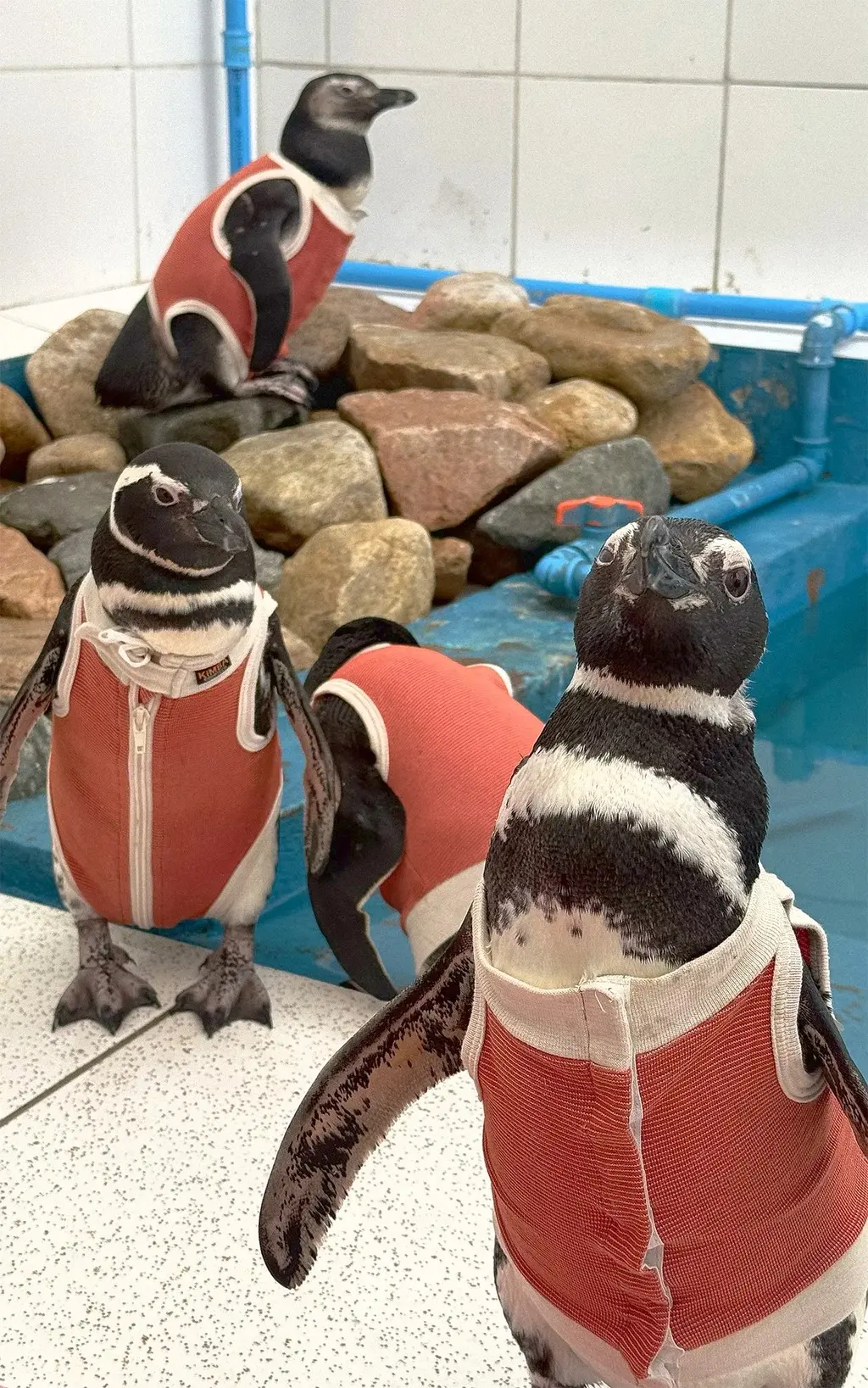
Yet, amid this conservation crisis, an unexpected alliance between wildlife protection advocates and a commercial textile manufacturer in Chile is offering a glimmer of hope. By adapting an innovative postoperative textile originally engineered for domestic house pets, local innovators are providing a specialized medical garment designed to help wounded penguins heal faster and more effectively.
The Rising Dangers for the Humboldt Penguin
The crisis facing the Humboldt Penguin is rooted in a complex combination of natural and human-induced challenges. Ocean warming disrupts the availability of small pelagic fish, such as anchovies and sardines, which form the core of the penguins’ diet. When food sources migrate or diminish due to rising temperatures and shifting currents, adult penguins struggle to forage enough sustenance for themselves and their chicks.
At the same time, direct human activities present constant hazards. As maritime traffic increases along the South American coast, penguins frequently encounter watercraft, resulting in traumatic boat propeller accidents. Furthermore, commercial and artisanal fishing gear poses a deadly entanglement risk, while infectious diseases like avian influenza have added a new layer of vulnerability to already stressed colonies.
When injured penguins manage to survive these harrowing encounters, they are often rescued and brought to specialized rehabilitation facilities. One such frontline organization is Humboldt Conservation, a dedicated wildlife group operating in Chile’s coastal Coquimbo region, located approximately 300 miles north of the nation’s capital, Santiago. The organization works tirelessly to protect vulnerable marine wildlife, including penguins, sea lions, and sea turtles, along the central Chilean coastline.
The Challenge of Animal Rehabilitation
According to Humboldt Conservation, many of the penguins that arrive at their rehabilitation center are suffering from severe physical trauma. These injuries commonly manifest as deep lacerations and open wounds on their chests or backs, frequently caused by territorial attacks from other animals or violent impacts with boats.
Once a wounded penguin is safely admitted to the facility, the rehabilitation process requires meticulous medical care. Veterinarians must thoroughly clean the wounds and, in many cases, apply stitches to close deep gashes. However, treating wild seabirds presents a unique and frustrating behavioral hurdle: animals can never seem to leave their wounds alone.
In veterinary medicine for domestic animals, standard solutions are well established. When dogs or cats undergo surgery or suffer from skin trauma, veterinarians routinely rely on plastic Elizabethan collars—commonly known as cones—or standard bandages to prevent the animals from licking, biting, or scratching at their healing stitches. For a streamlined, aquatic bird like a penguin, however, a traditional cone is entirely impractical, disrupting their balance, vision, and ability to rest comfortably while preventing access to their bodies.
Faced with this persistent dilemma, conservationists began to wonder if an alternative solution existed outside the traditional veterinary toolkit. Their search for a better method led them to reach out to Textil Kimba, an innovative Chilean textile manufacturer with a unique background in specialized garment production.
From Baby Clothes to Veterinary Garments
Textil Kimba has undergone a significant evolution over the past decade. The company originally established its reputation manufacturing children’s textiles, producing everyday garments such as baby clothes and comfortable pajamas. However, in the 2010s, the company made a strategic pivot into a specialized niche: creating postoperative veterinary garments designed specifically to aid in the recovery of cats and dogs following surgical procedures.
Through years of research and textile engineering, the company developed a proprietary specialty fabric known commercially as BodyCobre within Chile, the broader Latin America region, and Italy, and marketed as Copperbody across the rest of the world. What sets this textile apart is the strategic integration of metallic elements into the fabric weave, specifically incorporating both zinc and copper particles.
Of these two elements, copper plays a particularly crucial role in medical and hygienic applications. Copper is widely recognized as a potent antimicrobial agent, possessing natural chemical properties that enable it to actively kill and inhibit the growth of harmful microorganisms, including bacteria and viruses. By embedding copper into the fabric, the textile helps maintain a cleaner, more hygienic microclimate around a healing wound, thereby reducing the risk of secondary infections and supporting faster tissue recovery for recovering animals.
Building on this technology, the company successfully adapted Copperbody into a range of functional shirts, bodysuits, and protective clothing items tailored for house pets that had recently undergone surgical operations.
Adapting Postoperative Wear for Avian Anatomy
When Humboldt Conservation approached Textil Kimba with the idea of utilizing their specialized copper-infused fabric for injured seabirds, the textile team realized they faced a completely unprecedented design challenge. Transforming a fabric designed for four-legged mammals into a functional medical garment for an aquatic bird required a fundamental redesign from the ground up.
The process began with meticulous physical measurements of the penguins and the creation of entirely new dimensional molds. Because a bird’s body schema and mechanics differ vastly from that of a cat or a dog, the development phase involved rigorous testing and repeated adjustments to achieve a secure, comfortable, and non-restrictive fit.
Carolina Momares, a partner and production manager at Kimba, explained the profound differences encountered during the development process.
"What changes completely is the anatomy," Momares noted. "We’re used to working with dogs and cats, but a penguin has a very different body structure. Its wings, proportions, and the way it moves around make development a completely different challenge."
Unlike a mammal, a penguin’s body is hydrodynamically streamlined for swimming, featuring specialized flippers for propulsion, a dense layer of interlocking feathers designed for waterproofing, and an upright posture that shifts the center of gravity entirely. The protective vest had to be carefully engineered to shield the chest and back wounds without restricting shoulder movement, impeding breathing, or creating friction against sensitive skin and plumage.
A Collaborative Step Forward for Conservation
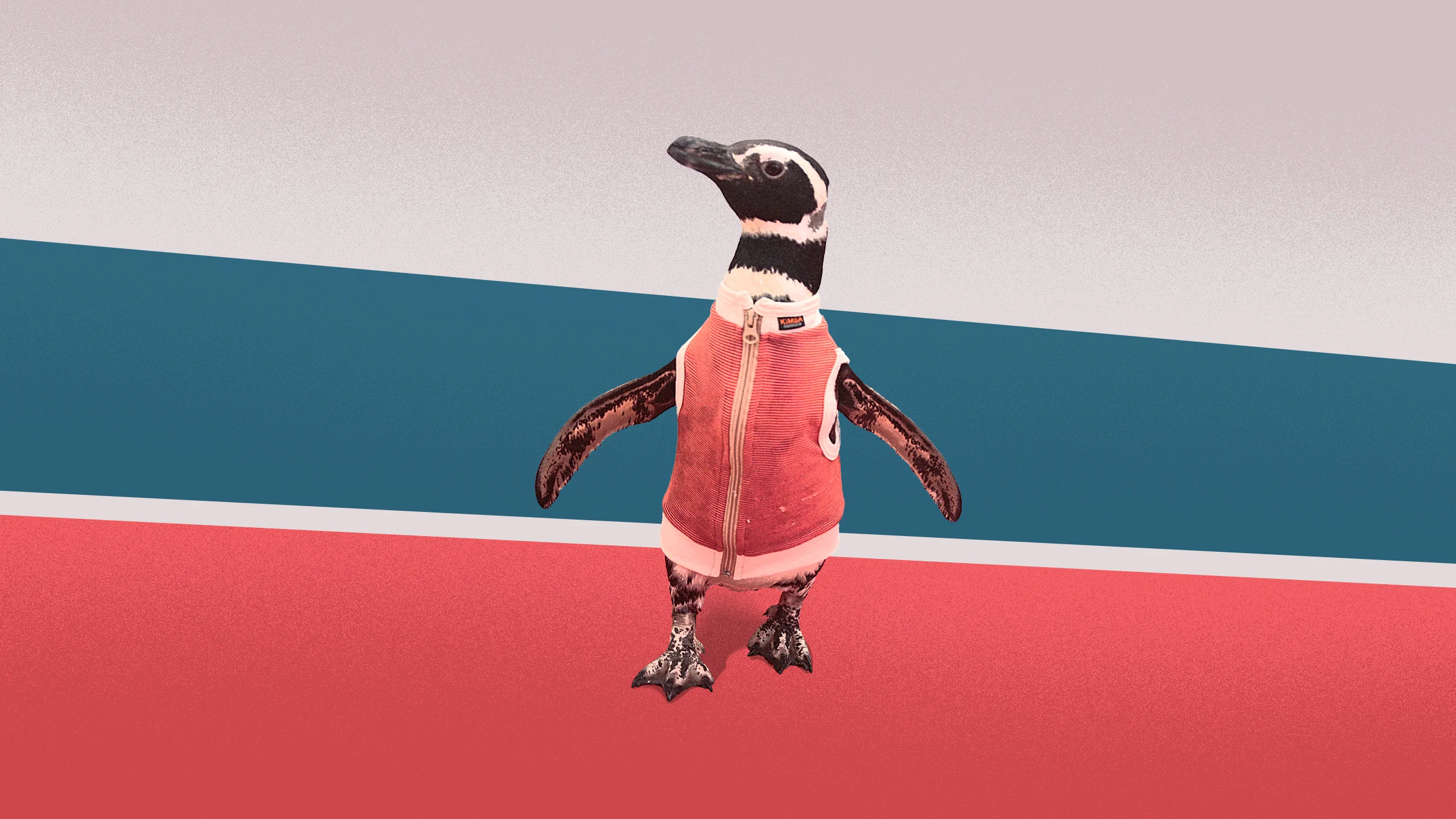
The resulting copper-infused penguin vests represent a remarkable intersection of industrial textile innovation and grassroots wildlife conservation. By combining the antimicrobial benefits of copper with a custom-engineered ergonomic fit, the collaborative effort provides rehabilitation centers with a practical tool to manage post-traumatic care more effectively.
While the textile vests alone cannot solve the macro-level environmental crises—such as warming marine temperatures, shifting food webs, and industrial overfishing—that continue to threaten the wild population of Humboldt Penguins, they offer a vital lifeline for individual animals. By safeguarding healing wounds and preventing self-inflicted trauma during the rehabilitation process, these specialized garments increase the likelihood that rescued penguins can successfully recover, heal, and ultimately be returned to the wild to help bolster struggling coastal colonies.