The modern parenting dilemma often begins with a simple, everyday negotiation. A child wants to ride their bicycle over to a friend’s house down the street, while a parent wants the reassurance of knowing they can make a quick call if plans change or dinner time gets pushed back. Yet neither party particularly wants that short trip to culminate in an hour of mindless scrolling on a glowing screen in someone else’s driveway. That specific friction point between digital connectivity and real-world independence is the exact problem a new device called Freckle is attempting to solve. Its newly unveiled phone offers children a reliable way to stay in touch and navigate their surroundings without handing them the full, highly distracting experience of a conventional, adult-style smartphone.

The underlying concept resonates because childhood independence is rarely forged through grand, cinematic adventures; rather, it is built out of ordinary, mundane errands. Walking to the local park, purchasing a quick snack at the corner store, or figuring out which way actually leads back home are all modest freedoms, but they carry immense developmental weight. Freckle, specifically designed with children between the ages of 7 and 13 in mind, treats a cellular device as a tool that might actively facilitate those moments of exploration rather than replace them with a virtual substitute.
Developed by the team at Freckle in collaboration with the design studio Body Shop, the hardware runs on a intentionally simplified operating system known as ClayOS. Crucially, there is no open web browser, no sprawling app store, no addictive social media feeds, and no streaming-video applications waiting to transform a quick, two-second check of the time into a deep, hour-long digital detour. That strict digital restraint forms the core of the product’s design narrative. Freckle is not attempting to engineer a miniature, bite-sized version of the high-powered handsets that adults carry around in their pockets all day. Instead, it asks a more fundamental question: which features does a child actually need when they step outside the front door and venture into the neighborhood?
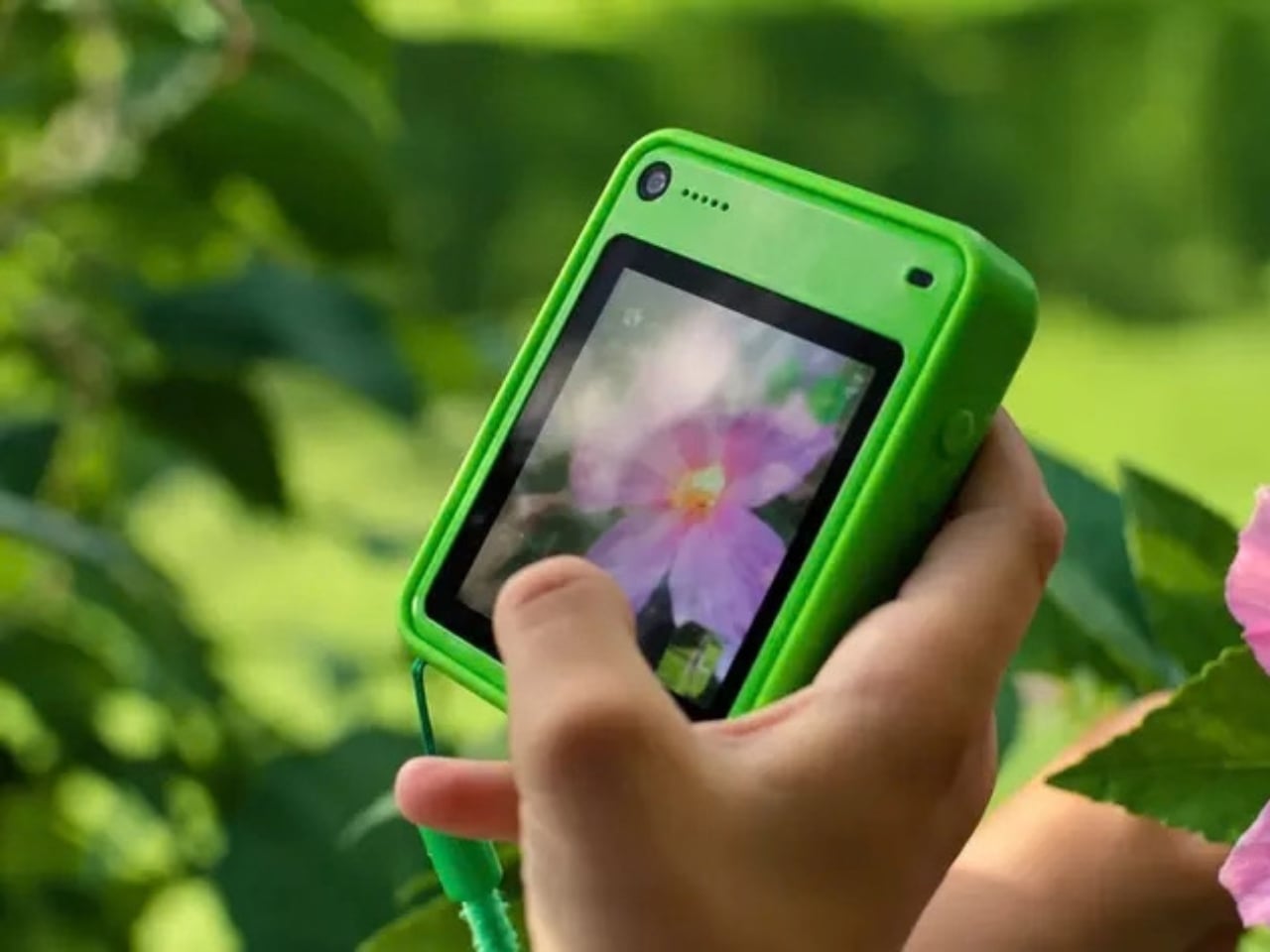
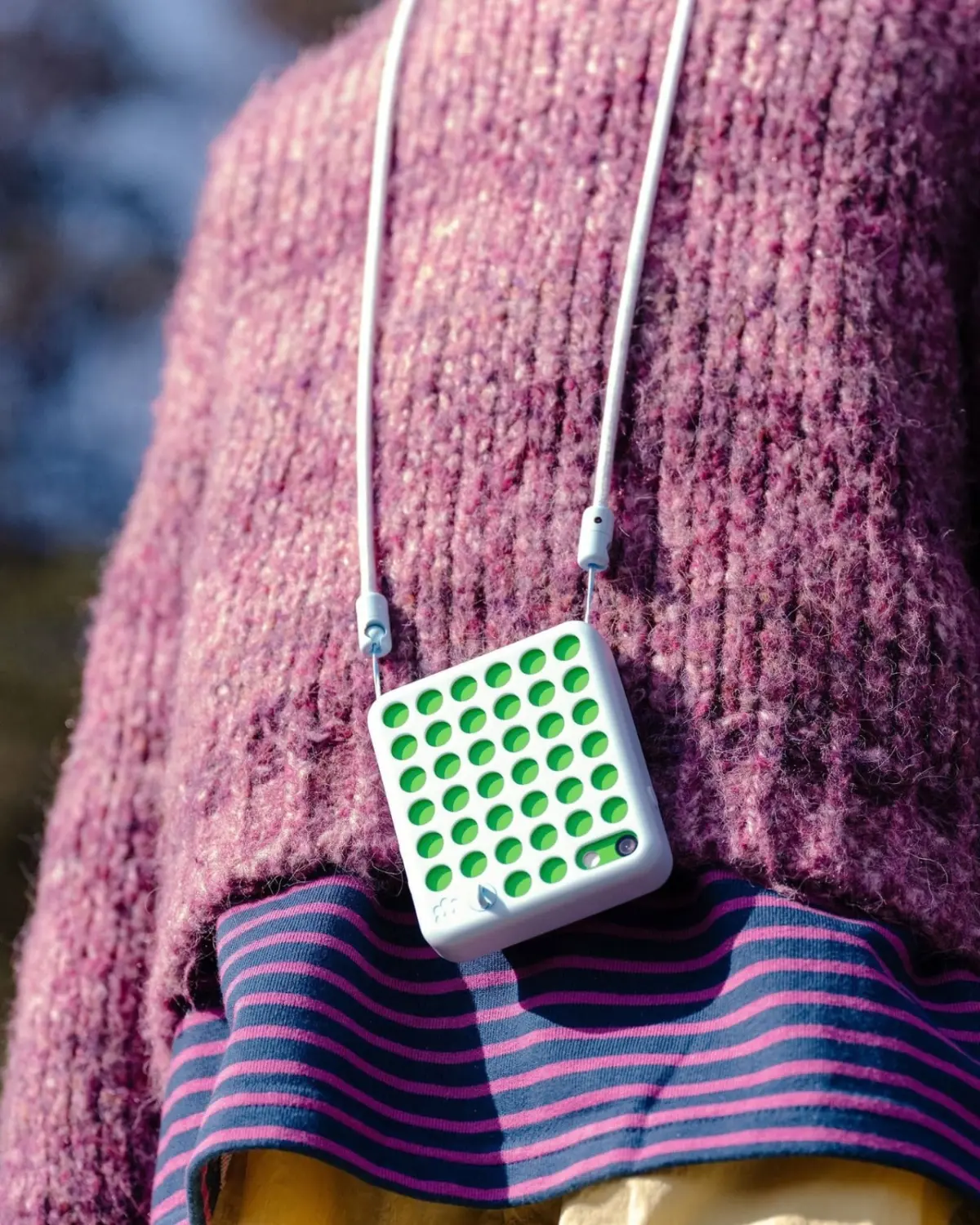
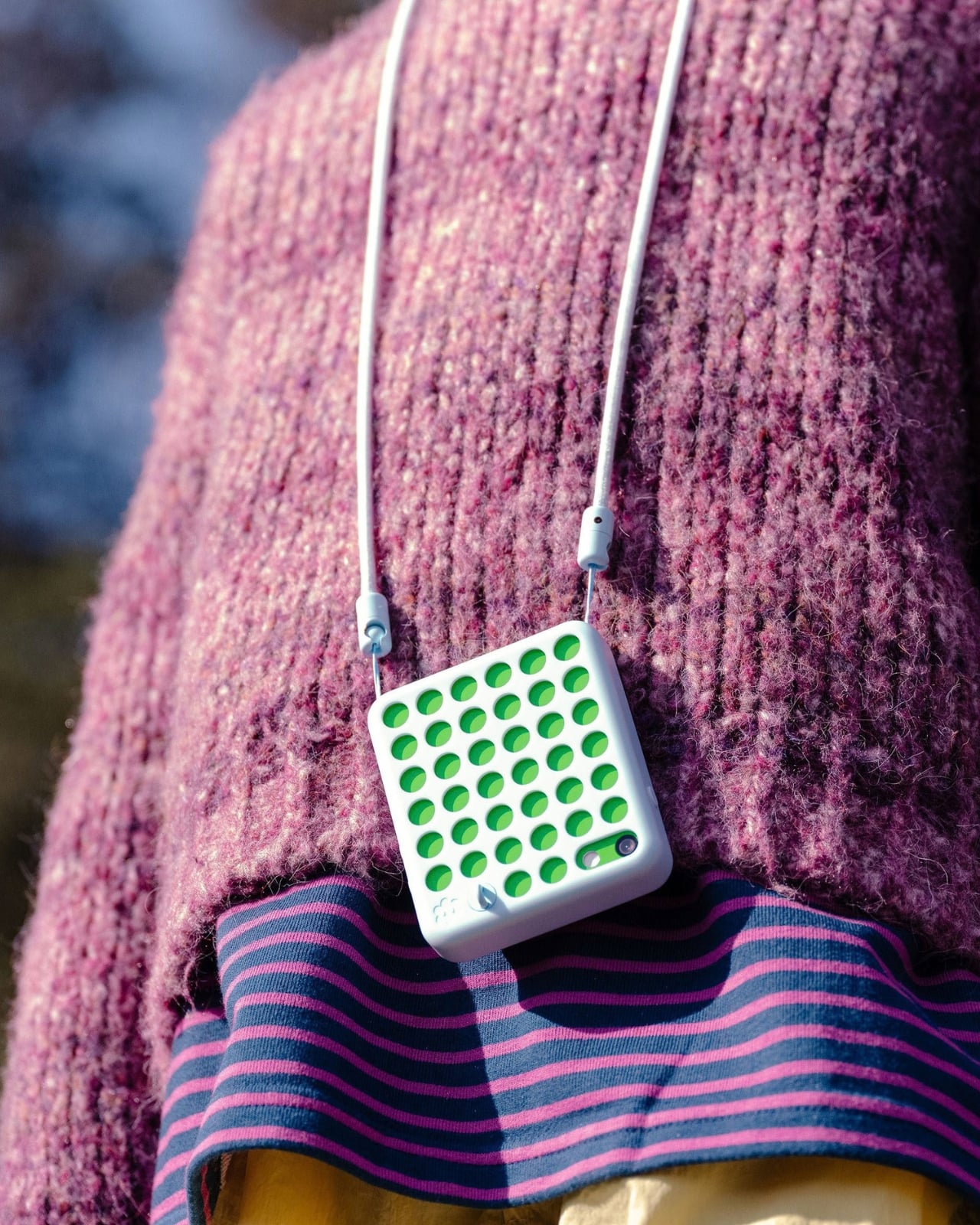
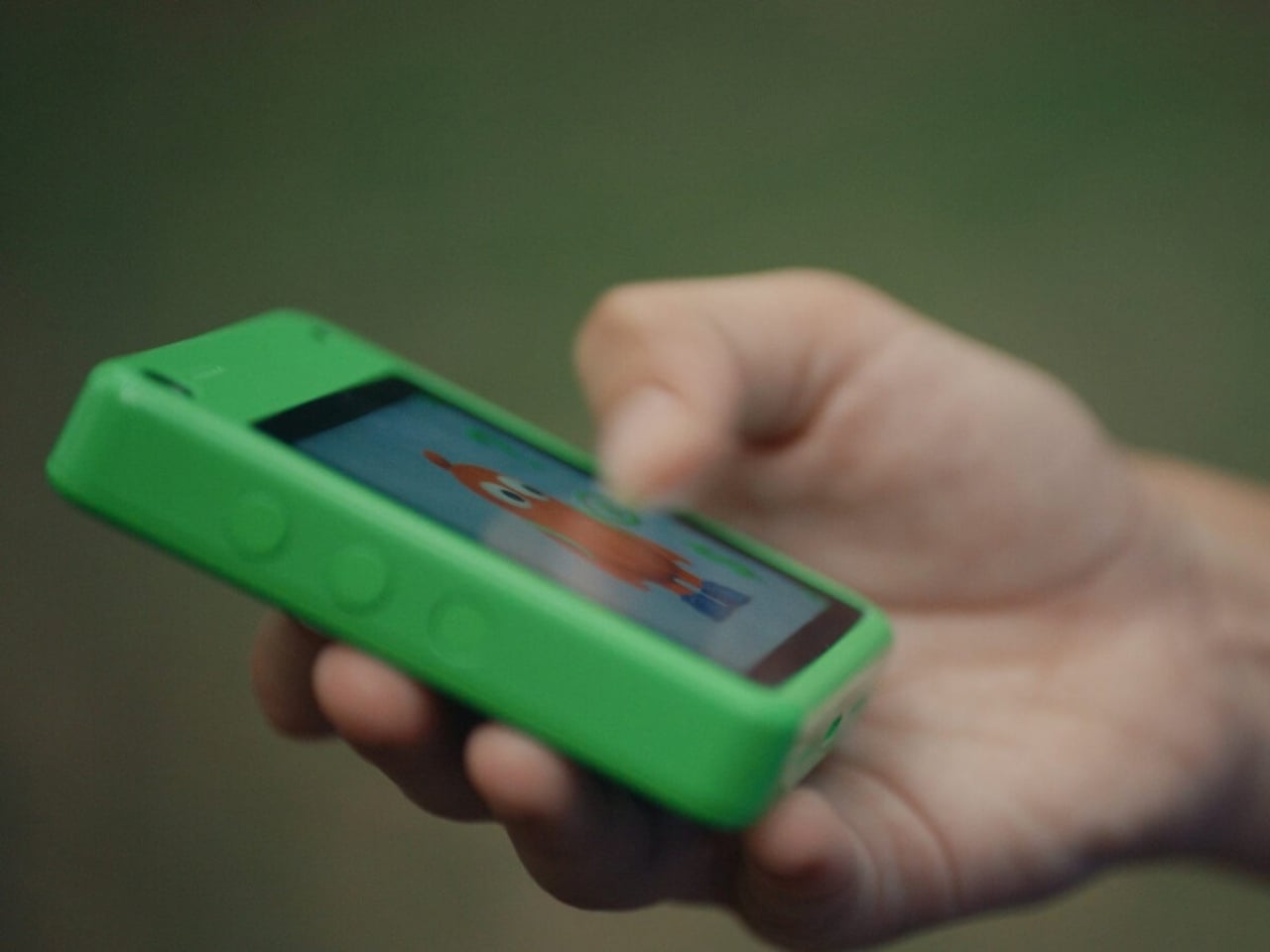
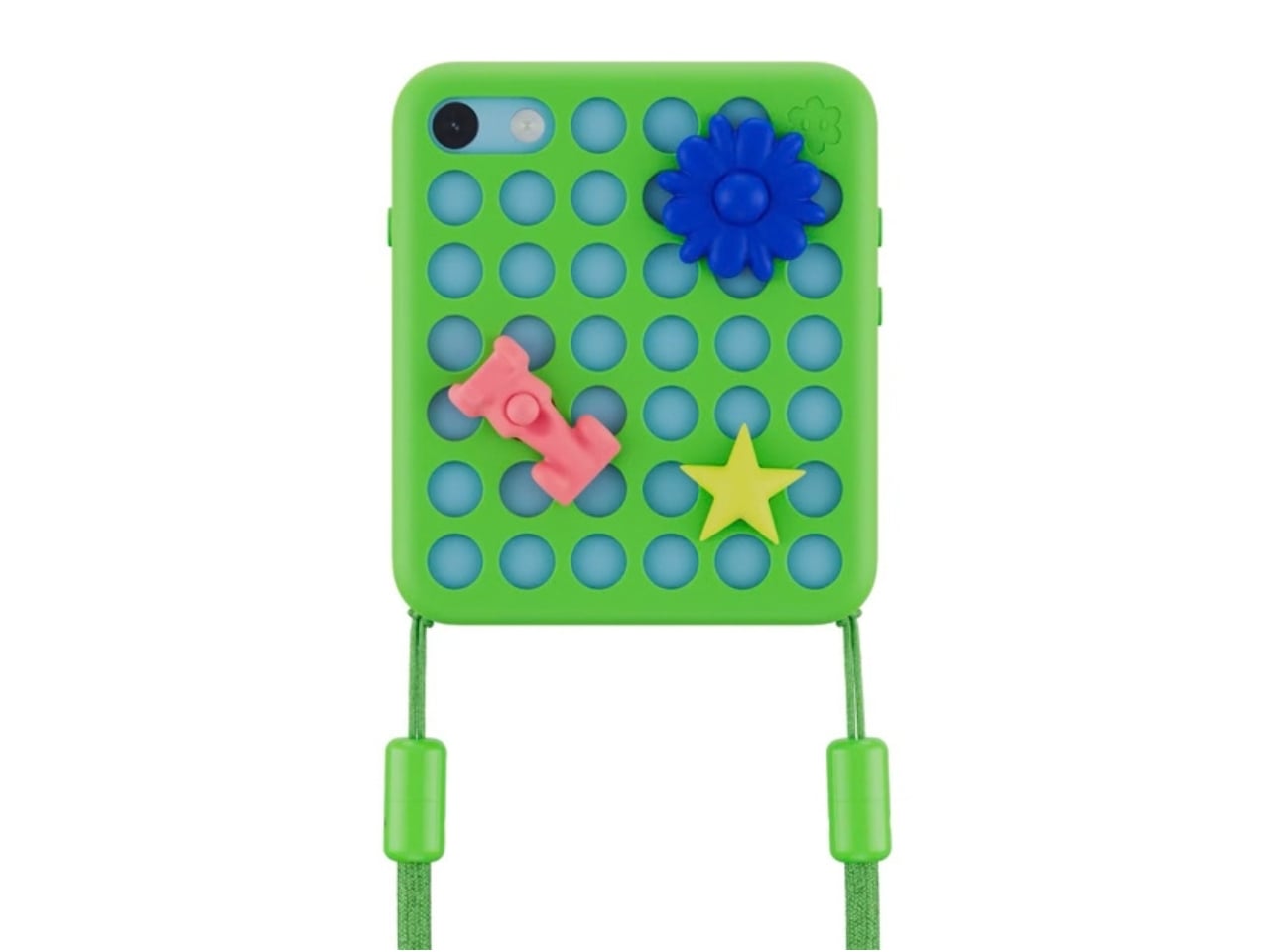
The physical design of the device follows this exact same philosophy of purposeful limitation. A modest 3.1-inch screen displays vital information clearly without ever turning the display into the absolute center of attention or a magnet for compulsive viewing. Bright, cheerful hardware choices and tactile, physical buttons give the phone a genuinely playful feel, steering clear of sterile corporate aesthetics. Meanwhile, an available protective case equipped with a lanyard makes complete sense for a piece of technology meant to tag along on rugged outdoor walks, bike rides, and neighborhood outings. It is engineered to look and feel like something a kid could proudly claim as their very own property, rather than feeling like a heavily policed, stripped-down piece of parental monitoring equipment.
Some of Freckle’s most compelling features intentionally pivot a child’s attention completely away from the screen and toward the physical environment. Its integrated "Discovery Camera" allows kids to take a photograph of something intriguing they encounter in the wild and subsequently learn about it through supported identification tools. Additionally, structured "Quests" can send children out looking for specific local phenomena, such as interesting bugs, native flowers, or architectural landmarks, with these missions either created custom by parents or provided directly out-of-the-box by Freckle. This subtle shift in attention fundamentally changes the dynamic of device usage: the phone supplies a gentle prompt or a spark of curiosity, but the physical neighborhood itself supplies the actual activity and engagement.
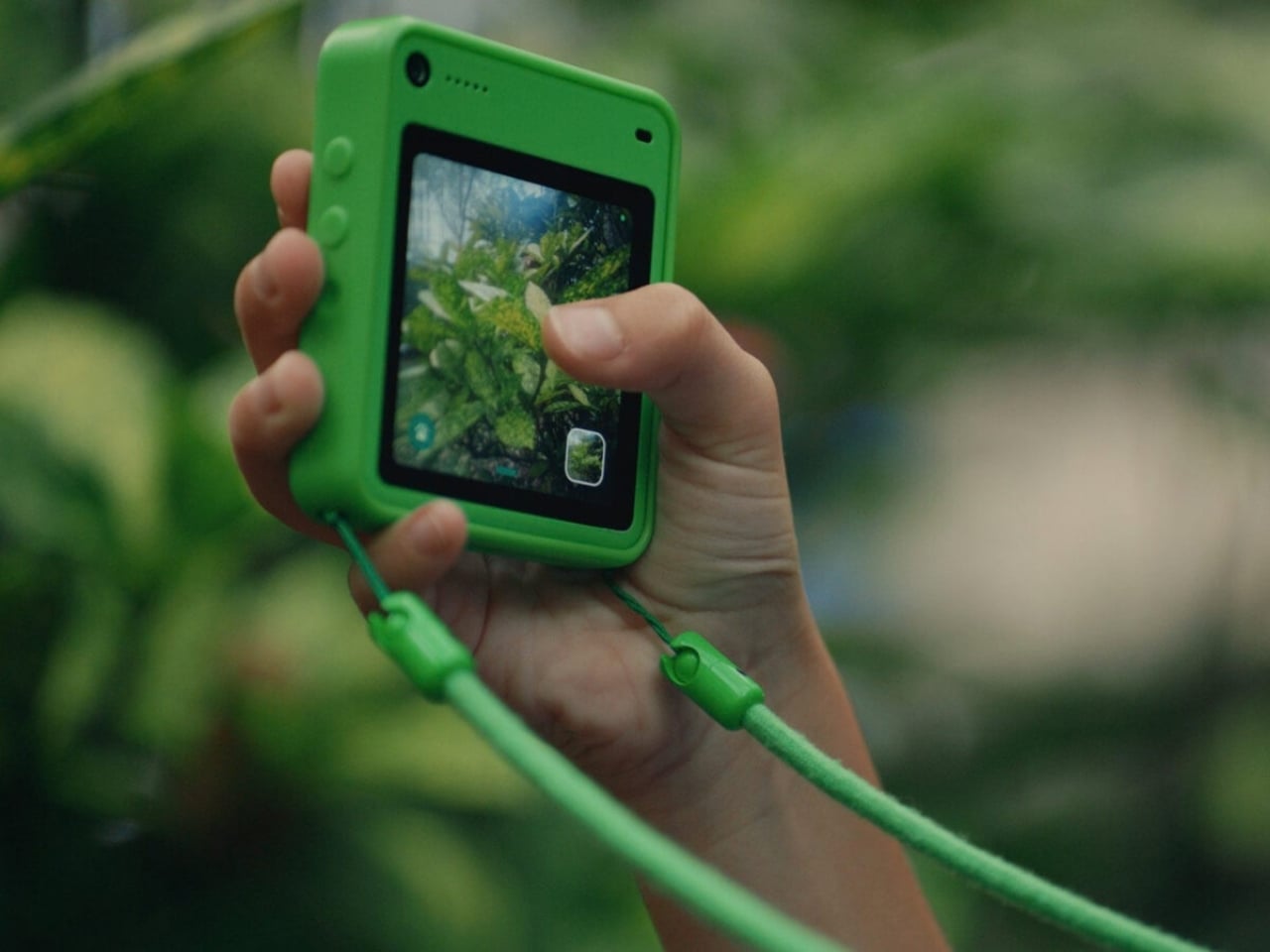
Of course, a built-in camera capable of identifying plants and insects is hardly guaranteed to turn every casual afternoon walk into a feature-length nature documentary. It is entirely possible, and even probable, that children might play with the feature for five minutes and then promptly run off to kick a soccer ball or climb a tree instead. From a developmental standpoint, that would be a perfectly successful result. The primary appeal of the hardware architecture is precisely that Freckle does not need to aggressively monopolize or hold a child’s attention indefinitely in order to justify its modest place in their pocket.

At the same time, the device handles the less whimsical, highly practical parts of going out into the world alone. Children are able to make voice calls and exchange text messages exclusively with contacts that have been pre-approved by their parents. They can utilize a simplified mini-map to find their bearings, and communicate with nearby friends who also happen to carry Freckle phones via a dedicated walkie-talkie feature. Furthermore, basic tap-to-pay functionality can assist with small, independent purchases like an after-school snack or public transit fare. Each of these individual features answers a specific, practical question that might otherwise cause a hesitant parent to say no to an unchaperoned outing.

Naturally, the device also includes parental controls, allowing guardians to track the phone’s location in real time or establish digital safe zones that trigger an automated alert the moment a child crosses outside of them. While this level of oversight offers profound reassurance to anxious adults, it also raises a worthwhile conversation about how much digital monitoring is genuinely helpful for a growing child. Many observers note that these tools are best deployed as an emergency safety backup rather than a digital leash used to track every single turn a kid makes on a neighborhood map. Ultimately, Freckle’s stronger and more ambitious promise is not constant, unyielding supervision, but rather making a little more foundational trust feel possible between parents and children.
That distinction matters deeply because no piece of consumer technology can single-handedly teach a child how to safely cross a busy street, handle an unexpected and stressful change of plans, or decide when and how to ask a stranger for help. Those vital life lessons still require old-fashioned conversation, modeling, and real-world practice. Freckle simply aims to make those independence-building steps easier to put into practice by providing a child with a reliable lifeline back home while simultaneously leaving ample psychological room for them to work things out for themselves.

Bringing this vision to market involves concrete financial considerations for families as well. Reports indicate a hardware price point of $199 alongside a $25 monthly cellular wireless plan, with official shipping currently slated for December. That represents a meaningful upfront and ongoing financial expense for a child’s first mobile device, and modern households will need to weigh whether its heavily curated, distraction-free feature set justifies the cost compared to traditional alternatives. Parents are also encouraged to look closely at how specific underlying systems, such as location tracking and AI-powered image recognition, handle data privacy before treating them as the primary motivation for a purchase.

Even with these economic factors to weigh, the overarching design premise offers a refreshing alternative in a saturated market. Freckle does not subscribe to the notion that contemporary children must constantly choose between staying safely connected to their families and being genuinely present in the physical world. Instead, it attempts to strike a careful balance, equipping them with a camera for noticing the details of their environment, a map for finding their own way, and a simple means of reaching the people who care about them when the day is done. If the hardware performs precisely as intended, perhaps the absolute best moment of its use will simply be when a child checks the device for a practical purpose, slides it back into their pocket, and continues onward with their day.