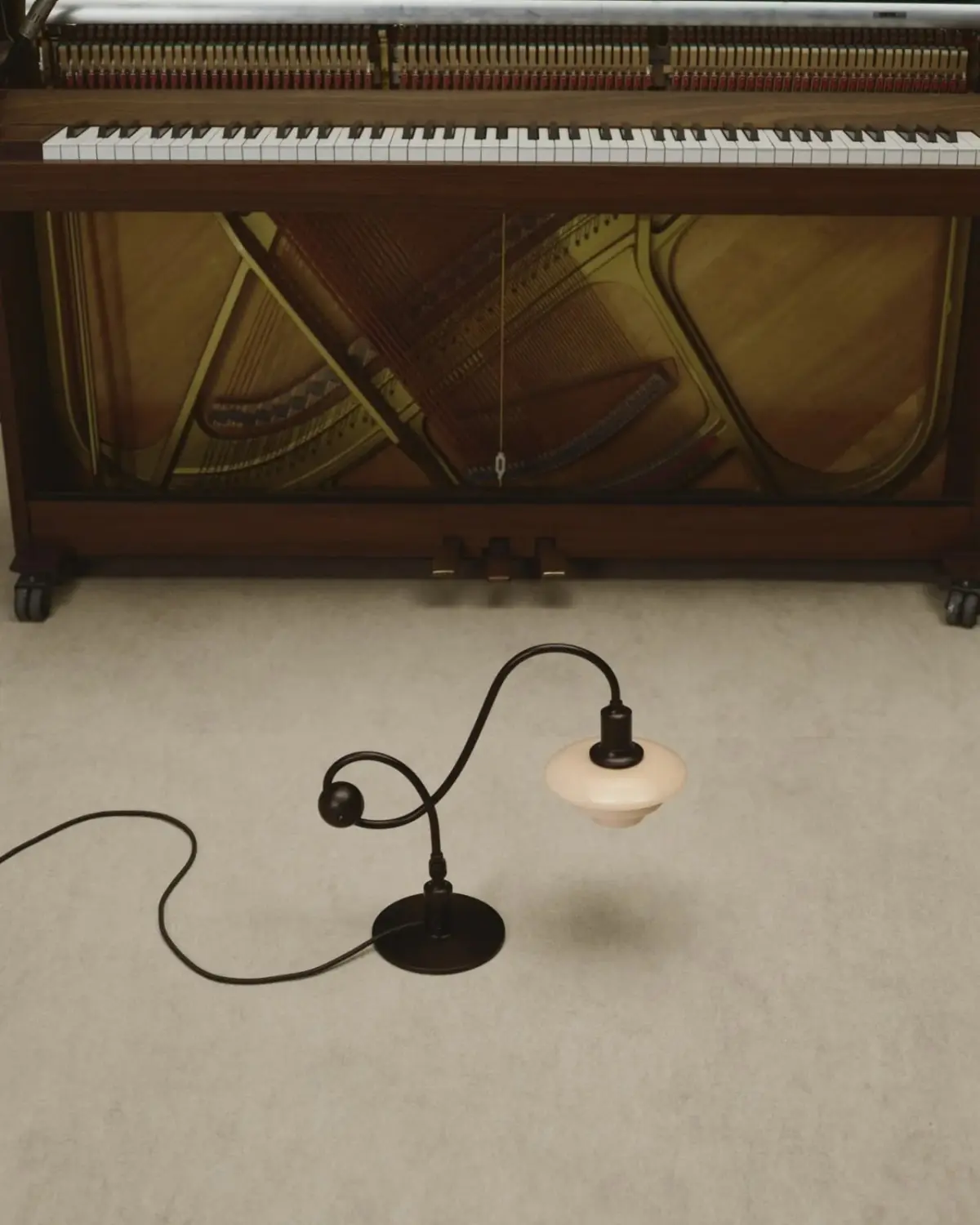
A lamp can look striking on a desk and still actively make it harder to work. When the bulb catches your eye, the light lands everywhere except on the page, or the fixture claims the physical space you desperately need for a notebook, form supersedes function in the worst possible way. Louis Poulsen’s newly announced reissue of the classic PH Piano Lamp starts with a much more practical, user-centric question: How do you direct light precisely where it is needed without letting the lamp itself become a visual distraction? Legendary Danish designer Poul Henningsen originally engineered the piece for pianists who needed to illuminate their sheet music clearly without suffering from uncomfortable glare, spatial interference, or harsh shadows.
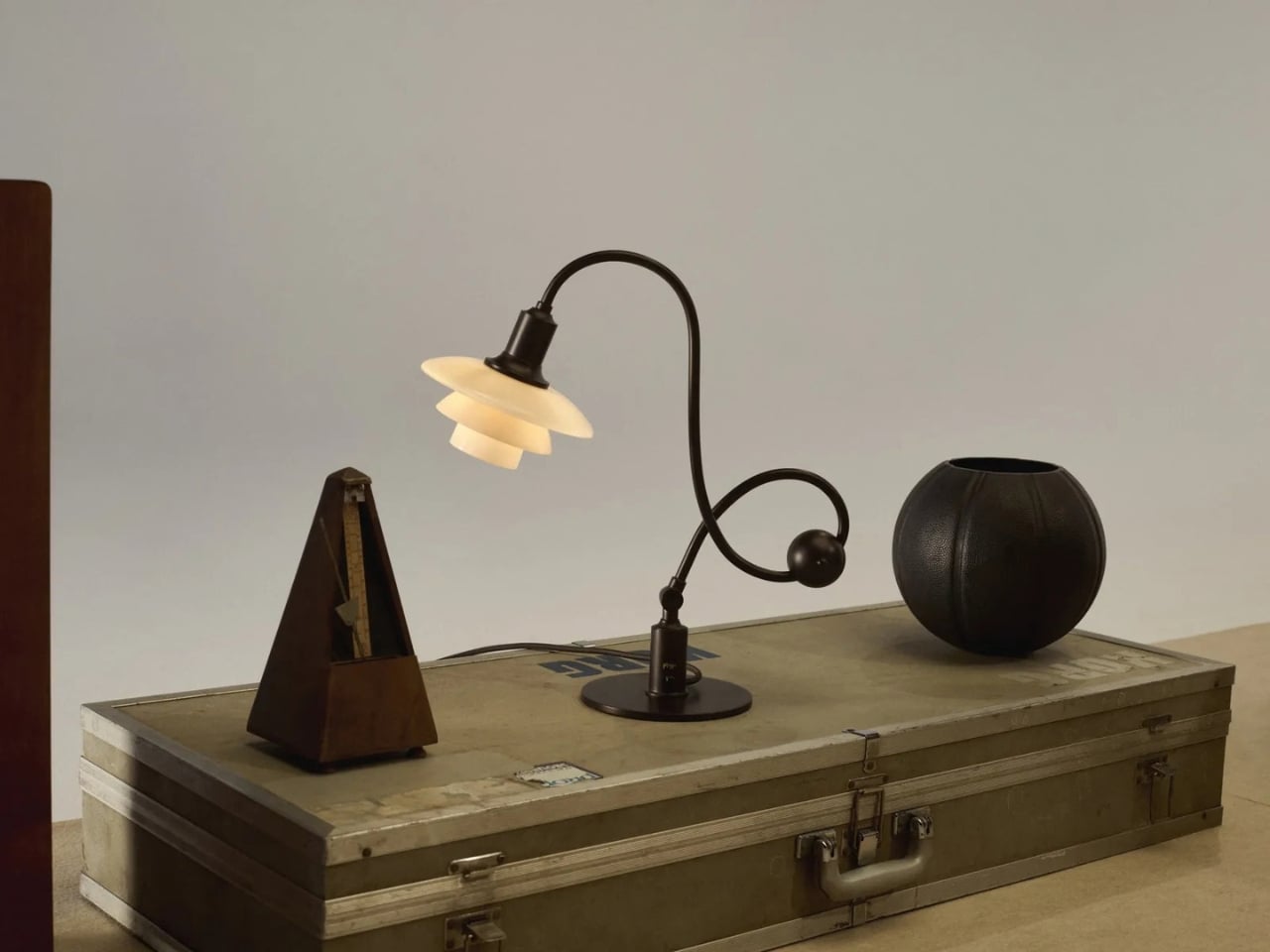
That specific lighting problem reaches far beyond the piano bench. Anyone who has ever attempted to read beside a glaring table lamp or struggled to concentrate under a harsh, clinical overhead light knows the vast difference between simply having enough light in a room and having the right quality of light. This thoughtful reissue keeps its functional, uncompromised beginnings firmly in view. Its curved, counterbalanced arm allows the shade to move fluidly while the heavy base remains entirely stable, giving the design an inherent sense of purpose that registers clearly from across the room.
Henningsen first conceptualized and created the Piano Lamp in the early 1930s, expanding upon his revolutionary PH lighting system. This pioneering system utilizes a multi-shaded fixture geometry designed to manage and diffuse how light rays ultimately reach the human eye, eliminating direct glare while maximizing useful illumination. Now, lighting manufacturer Louis Poulsen is bringing the iconic design back into production as the PH 1/1 Piano Table Lamp Limited Edition 2026, incorporating subtle, contemporary adjustments intended to make the fixture useful far beyond its original musical setting. It represents an appealing philosophy for a modern design reissue: honor the precise mechanical reason the object was brought into existence, and then thoughtfully offer a broader audience a compelling reason to integrate it into contemporary lives.
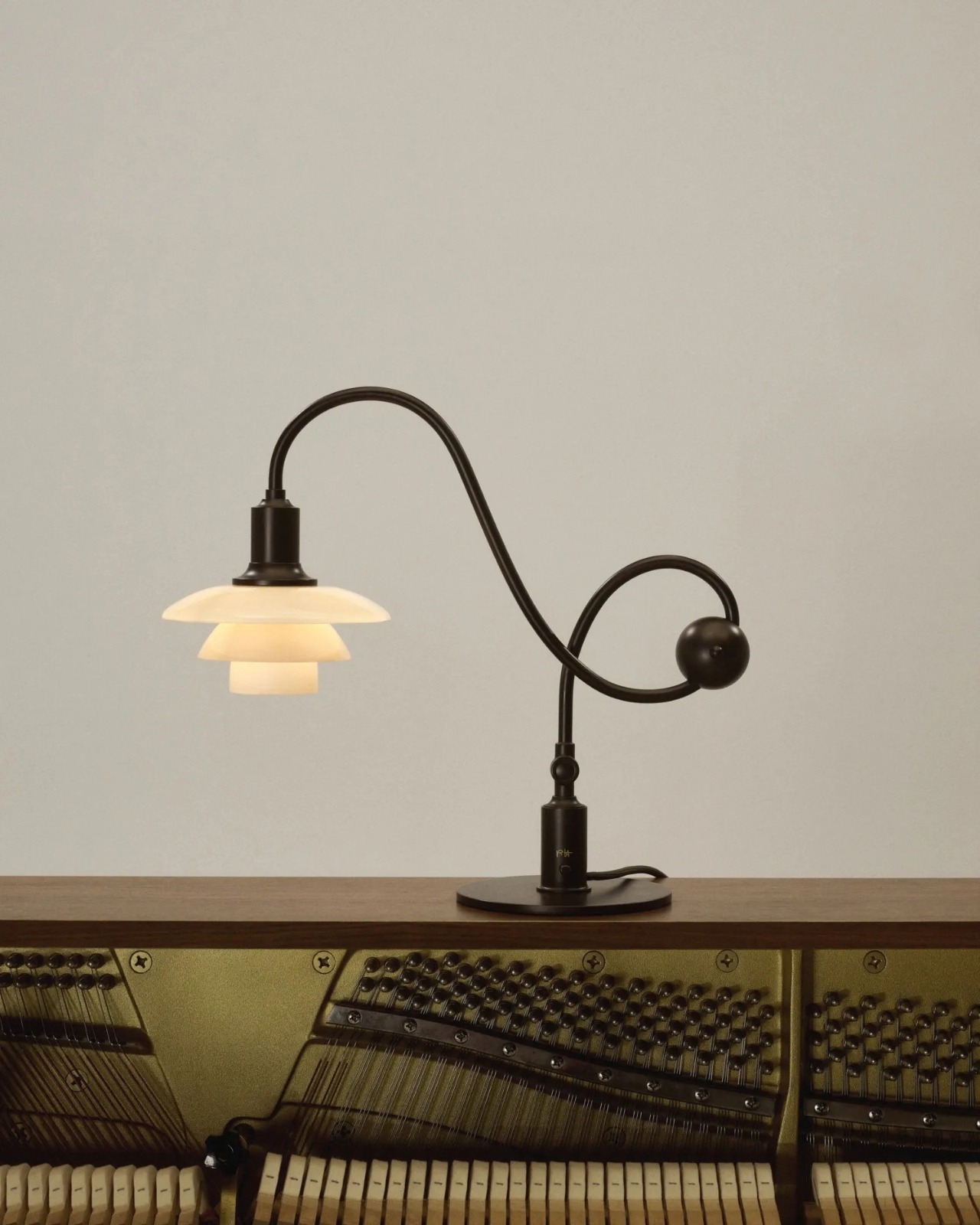
The newly introduced version pairs a rich, aged brass structure with delicate glass shades rendered in a distinctive hue that Louis Poulsen has named Dusty Terra Cotta. On paper, that specific material and color combination sounds deeply nostalgic. In everyday practice, however, its aesthetic and functional appeal is much more specific and modern. The warm-toned glass gives the lamp a softer, more welcoming visual presence, while the elongated arm and compact shade ensure it never feels like a purely decorative object that has awkwardly wandered onto a workspace by mistake. One can easily picture it sitting near a modern computer keyboard or a musical instrument, but it is equally at home beside a traditional book, an artist’s sketchpad, or a late-night crossword puzzle.
That level of adaptability matters profoundly because modern domestic and professional rooms rarely serve just a single, isolated purpose anymore. In contemporary floor plans, a dining table frequently transforms into a daytime home office. A living room side table often has to simultaneously accommodate a drinking glass, a phone charger, and whatever reading material we are currently consuming. Thoughtful, well-engineered lighting can make those small, daily spatial shifts much easier without demanding that inhabitants constantly rearrange their entire rooms. The Piano Lamp feels uniquely suited to these multi-use spaces precisely because it was originally designed around a demanding, specific task. Its shape may be memorably artistic, but the foundational starting point was always helping a person clearly see what they were working on.
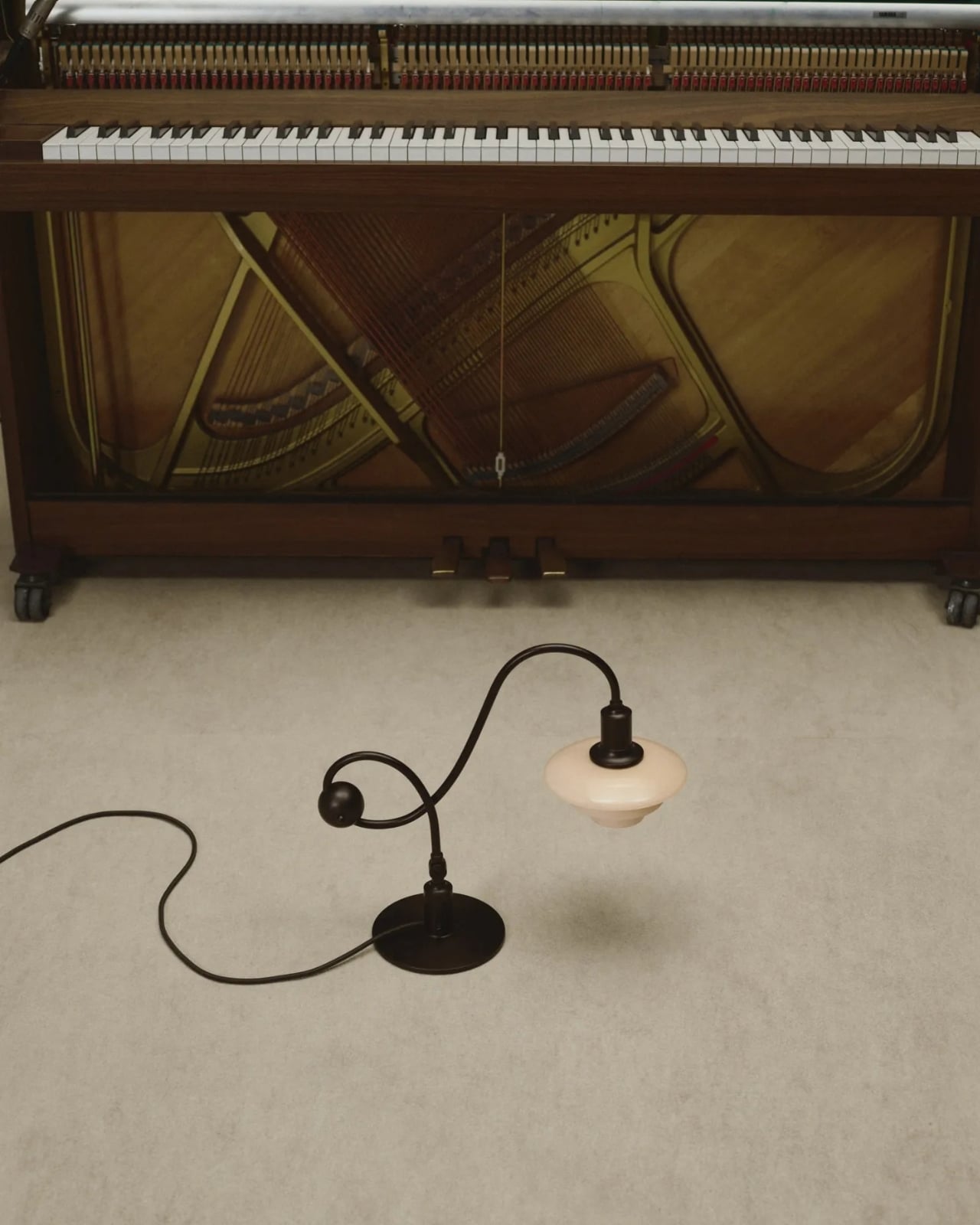
There is also an undeniable appeal in the fact that the fixture looks delightfully unusual compared to modern minimalism. The arm features a gentle, almost musical curve, while the shade sits low enough to suggest an intimate conversation between the lamp and whatever object happens to be resting beneath it. Many contemporary light fixtures aim to completely disappear into the architectural background, acting as invisible utilities. This piece, by contrast, possesses a clear, confident silhouette, yet its primary job remains entirely utilitarian: to make whatever task you are currently performing significantly more comfortable. Achieving that delicate balance between striking sculptural form and quiet ergonomic utility is notoriously difficult, far harder than creating a bold shape alone.
Naturally, a limited-edition designer lamp of this caliber is not an automatic, universal solution for every workspace or every budget. If a consumer’s sole requirement is an inexpensive, utilitarian light source for a spare guest room, this product is likely not the most practical purchase. Yet, it serves as a valuable and timely reminder that a lamp’s true worth cannot be measured solely by how brightly it shines or how cheaply it is produced. Where the light actually goes, how the illumination feels on the eyes, and how seamlessly the physical fixture fits into everyday routines all count heavily. Those are precisely the details a user notices long after the initial novelty of a new object wears off.
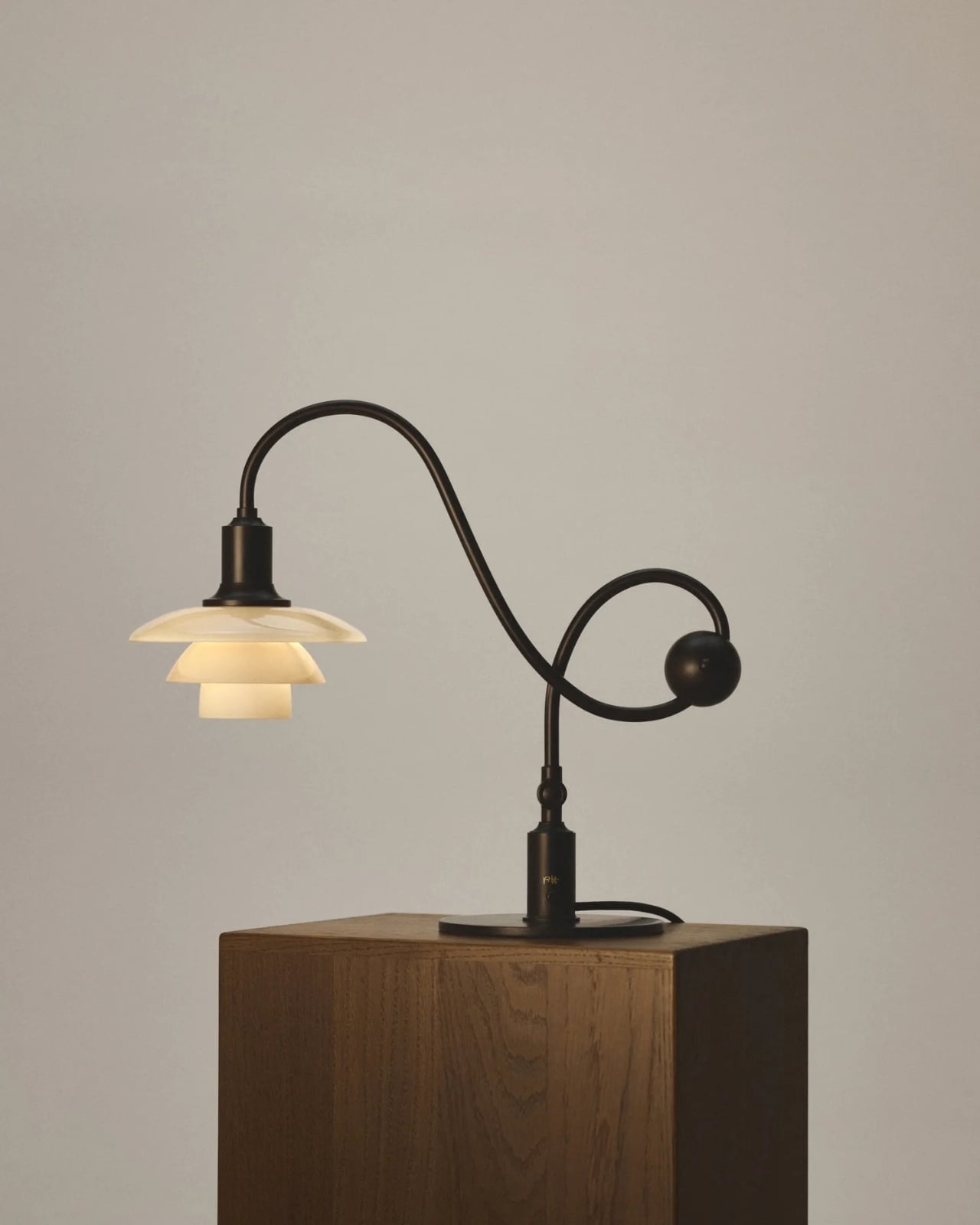
Louis Poulsen has confirmed that the PH 1/1 Piano Table Lamp Limited Edition 2026 will be available for purchase exclusively from October through December 2026. While this short availability window naturally lends the product a strong collectible appeal among design enthusiasts, the hope is that exclusivity is not the only reason people pay attention to it. Its most fascinating quality remains how entirely current its original problem-solving mission still feels today. Modern living spaces are filled with countless ways to generally brighten a room, but finding specialized light that genuinely helps us focus without causing eye strain remains a much better, and rarer, design goal.