The transition to electric propulsion has thrown the ultra-luxury automotive sector into an unprecedented identity crisis. Over the past year, major automotive houses have attempted to reinvent themselves for a zero-emission future, often with highly polarizing results. Jaguar’s radical, brightly colored rebrand and futuristic cabin designs drew fierce online criticism for seemingly abandoning its storied British heritage. Meanwhile, Jony Ive’s collaboration on the Ferrari Luce sparked intense debates over whether the soul of Maranello could survive the transition to silent electricity. Yet, amid this sea of digital outrage and conceptual disruption, Bentley’s first fully electric vehicle, the Torcal, has enjoyed a remarkably smooth reception. By balancing modern engineering with an uncompromising respect for its design lineage, the Crewe-based manufacturer may have cracked the code for transitioning a legacy luxury brand into the electric era.
The contrast in public reception raises a fundamental question about the nature of high-end automotive design: Did Bentley discover a secret formula that its competitors missed, or has it simply taken a more conservative, less risky path? While some might argue that Bentley played it safe, a closer look at the Torcal reveals a deliberate, highly calculated brand strategy. The vehicle boasts formidable performance figures, producing 876 horsepower and an astonishing 996 pound-feet of torque. However, in the rarefied air of ultra-luxury motoring, specifications are rarely enough to win over buyers. True luxury is an emotional proposition, and Bentley’s success with the Torcal lies in its refusal to panic-abandon its history in pursuit of a futuristic aesthetic. Unlike Jaguar, which chose to break away from its past to start entirely afresh, Bentley opted for continuity, ensuring that its first EV remains unmistakably a Bentley.
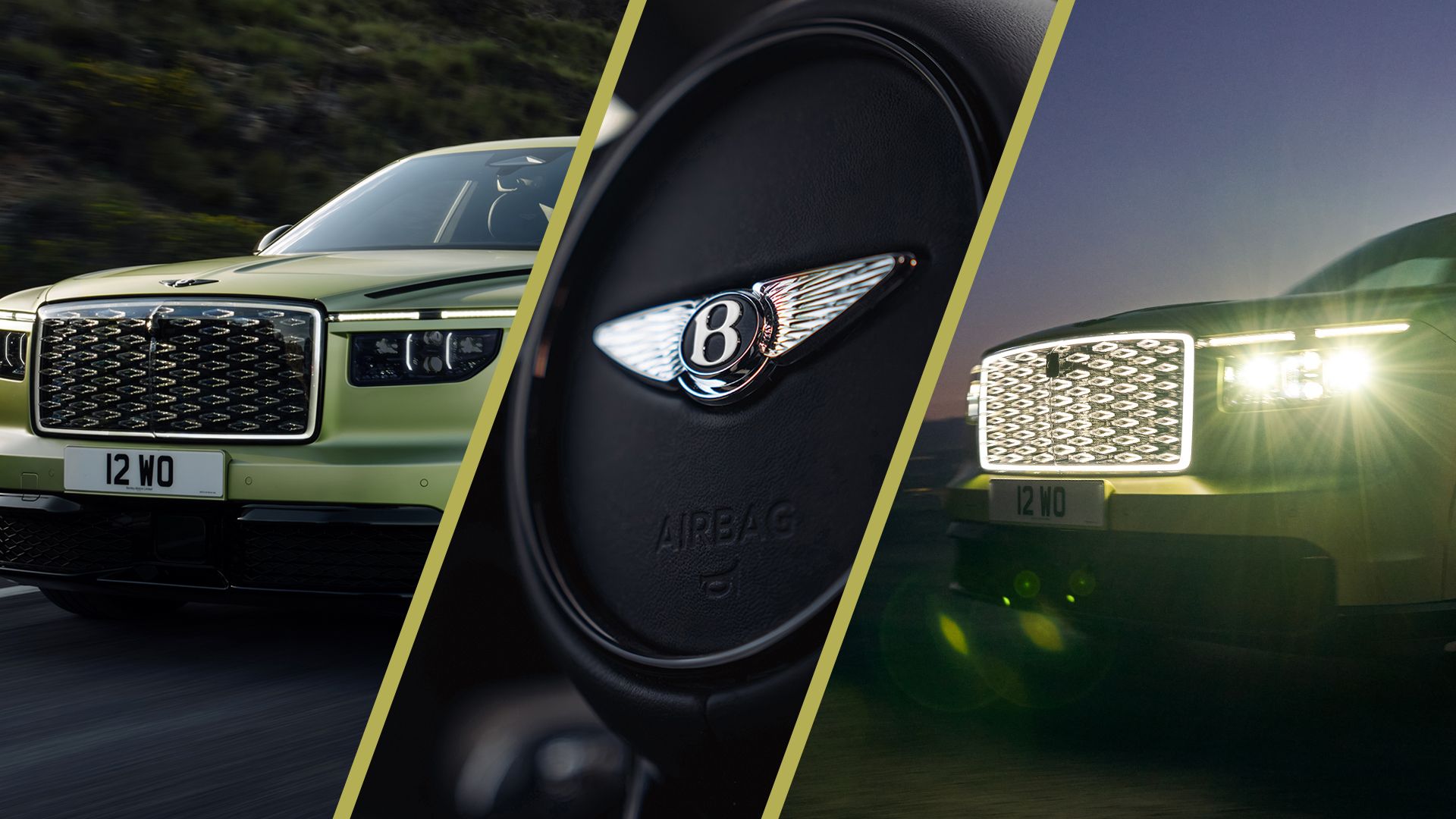
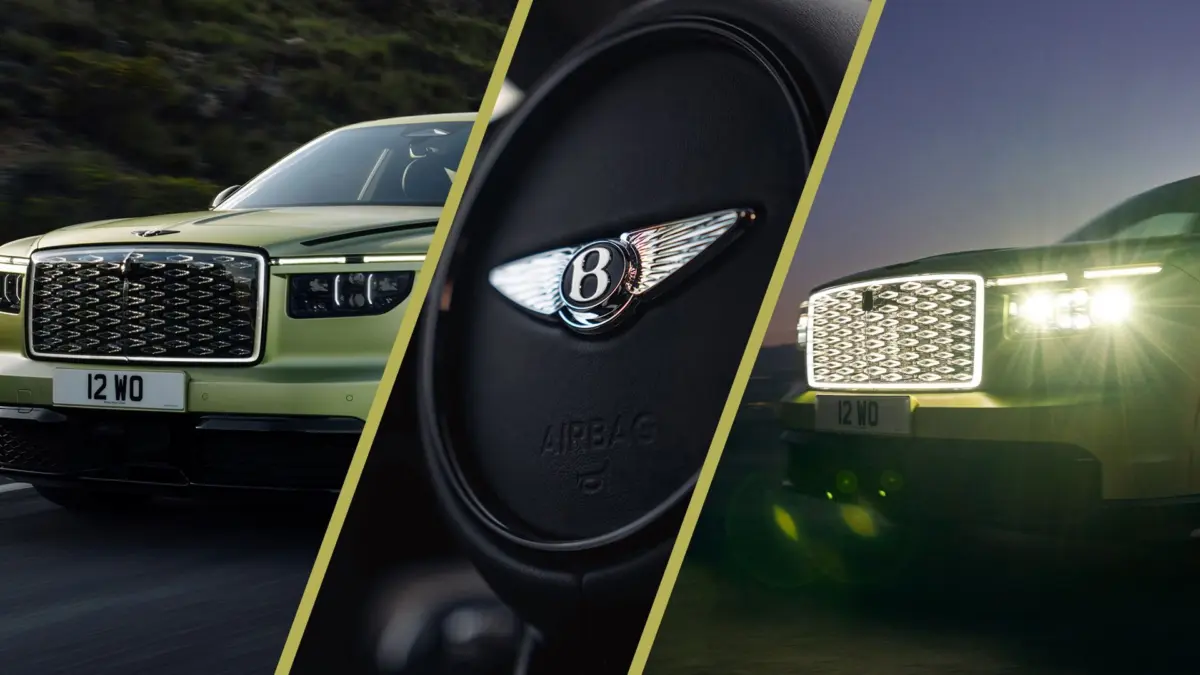
This philosophy of continuity was championed by Bentley’s design director, Robin Page. In an interview with Dezeen, Page explained that his team’s primary objective was not to invent an entirely new design language, but rather to focus on building "another great Bentley." Rather than trying to shock the market with avant-garde styling, Page and his designers decided that their best route would be to embrace the brand’s rich heritage and DNA, interpreting it in a modern, progressive way. This narrative of evolution rather than revolution has been remarkably consistent throughout the Torcal’s development. Even the subtle update to the famous winged Bentley logo reflects this gentle evolutionary approach, tweaking a familiar and respected emblem rather than replacing it with a minimalist, corporate abstraction.
Visually, the Torcal carries its heritage with pride, drawing clear inspiration from the brand’s existing lineup, particularly the commanding proportions of the Bentayga. Signature Bentley cues are immediately apparent, from the sweeping, elongated bonnet to the muscular rear haunches that give the vehicle its powerful, planted stance. The most talked-about design element is undoubtedly the front grille. In a battery-electric vehicle, the traditional radiator grille is technically obsolete, as EVs do not require the same massive airflow as internal combustion engines. Many manufacturers have replaced grilles with blank, smooth plastic panels, often resulting in a sterile, faceless appearance. Bentley, however, chose to retain a prominent grille, embellishing it with an illuminated diamond pattern. This choice preserves the brand’s iconic face while providing a striking, high-tech nighttime identity that serves as a signature feature for the EV era. It is a touch of contemporary flair designed to appeal to a younger demographic of luxury buyers without alienating the brand’s traditional collectors.
The commitment to heritage is even more pronounced inside the cabin, where Bentley has deliberately rejected the prevailing industry trend toward hyper-digital, screen-dominated interiors. Many modern electric vehicles feature dashboards that are little more than massive, cold panes of glass, which can make the driving environment feel clinical and sterile. The Torcal, by contrast, prioritizes warmth, tactility, and human craftsmanship. The interior is rich with physical metal controls that offer satisfying mechanical feedback, beautiful wool upholstery, and handcrafted materials that reflect the brand’s bespoke heritage. By limiting screen real estate and focusing on high-quality tactile surfaces, Bentley has avoided the digital fatigue that plagues many modern luxury cars. The result is a cabin that feels like a sanctuary of timeless craftsmanship rather than a consumer electronics showroom.
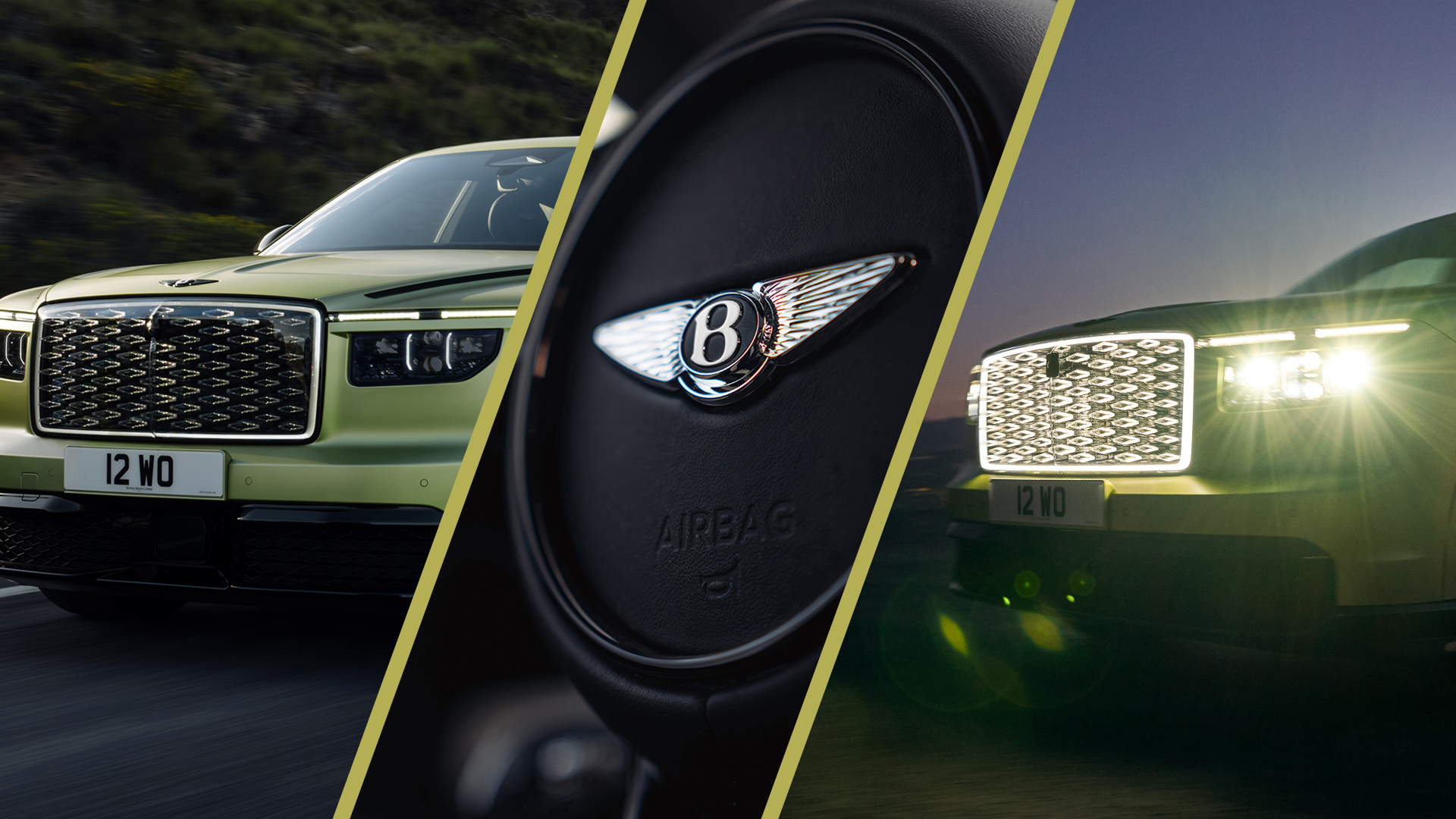
This handcrafted philosophy extends even to the vehicle’s auditory experience. One of the greatest challenges facing luxury EV manufacturers is the lack of engine sound. For decades, the quiet rumble of a multi-cylinder engine has been a key part of a luxury car’s character. While many EV makers have turned to synthesized, space-age digital hums to fill the silence, Bentley took a more organic, artistic path. The company commissioned professional musicians to compose what it calls the "Bentley Dynamic Symphony." Instead of relying on software-generated synthesizers, the team used traditional acoustic instruments—including drums, viola, and bass guitar—to recreate the deep, emotional resonance of Bentley’s iconic V8 engine. This acoustic soundtrack is presented not as a cheesy imitation of a petrol engine, but as a bespoke piece of audio art, designed to evoke the same emotional response as a classic powertrain while embracing the quiet refinement of electric flight.
The car’s name, Torcal, further reinforces this bridge between mechanical history and modern electric performance. Inspired by the dramatic karst landscapes of the Torcal mountain range in Andalusia, Spain, the name is also a clever linguistic nod to the brand’s reputation for effortless power. The word "Torcal" derives from the Latin verb torquere, which translates to "to twist"—the exact etymological root of the word "torque." For an electric vehicle that delivers a massive 996 pound-feet of torque almost instantaneously, the name is a fitting tribute to both natural beauty and physical force, highlighting the silent, muscular acceleration that has always characterized the Bentley driving experience.
To understand why Bentley’s approach has been so well-received, it is helpful to look at the contrasting strategies of its peers. Ferrari’s brand equity is deeply intertwined with the screaming exhaust notes of its high-revving internal combustion engines and its legendary motorsport pedigree. For Ferrari, transitioning to electricity raises existential questions about what a supercar should be when the mechanical drama of the engine is removed. Jaguar, on the other hand, was facing a stagnant market position and a declining brand image, prompting a radical, high-risk "burn-the-house-down" strategy to completely reinvent itself for a younger, ultra-premium audience. Bentley, conversely, occupies a space where the inherent characteristics of an electric drivetrain—such as silent operation, smooth power delivery, and massive low-end torque—are actually perfectly aligned with its traditional brand values. For a Bentley customer, the silence of an electric motor is not a compromise; it is the ultimate expression of the quiet refinement they have always sought.
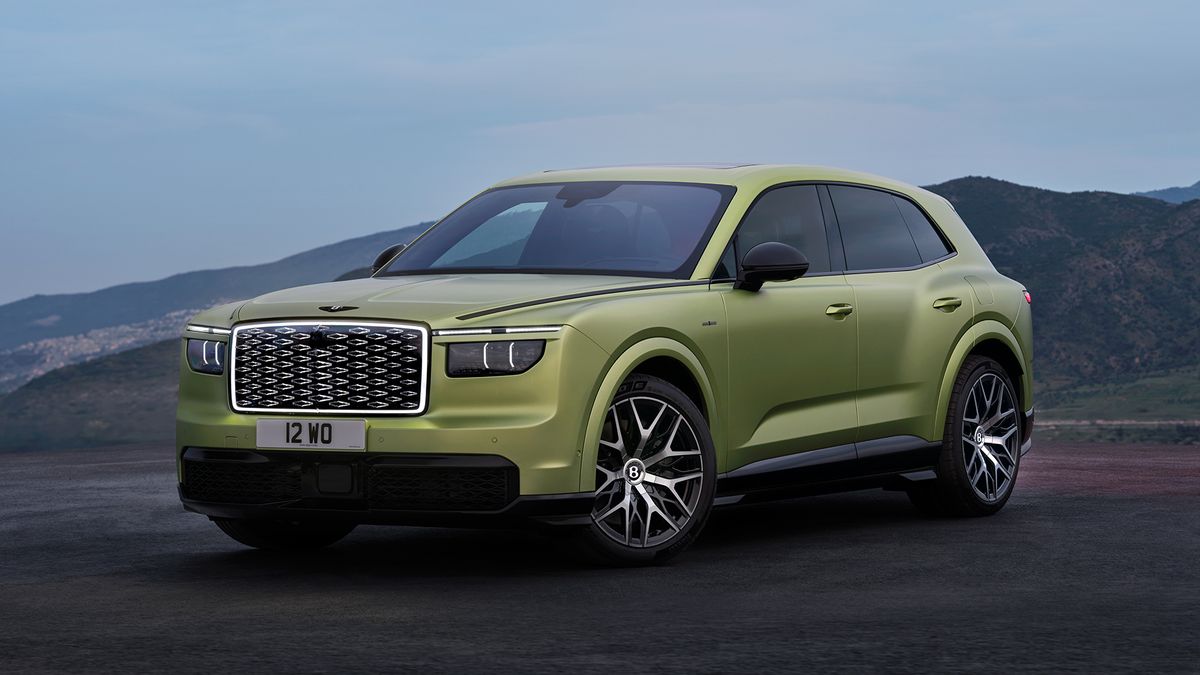
By changing the powertrain while preserving its core identity, Bentley has demonstrated that the transition to electric mobility does not require a legacy brand to lose its soul. The Torcal suggests that the most successful luxury EVs of the future may not be those that try to look like spaceships or digital gadgets, but those that understand how to translate their historic craftsmanship into a new technological medium. While Jaguar’s disruptive rebrand and Ferrari’s conceptual experimentation have their place in pushing the boundaries of automotive art, Bentley’s evolutionary approach offers a reassuring alternative for traditionalists. It proves that heritage and progress can coexist, provided the transition is handled with subtlety, respect, and an unwavering commitment to quality.
Ultimately, the true test of the Bentley Torcal will not be measured in online commentary or design awards, but in its ability to convince the world’s wealthiest car buyers to make the switch to electric power. By offering a vehicle that feels less like a radical leap into the unknown and more like the next logical step in a long line of peerless grand tourers, Bentley has positioned itself incredibly well. The Torcal shows that in an era of rapid technological change, sometimes the most progressive thing a luxury brand can do is remember exactly who it is.