Despite what cinematic showroom demonstrations might suggest, nobody actually watches television in a pitch-black room with heavy blinds drawn shut against the world. Real-world living rooms are messy, dynamic spaces defined by afternoon sunlight pouring through large windows, overhead lighting fixtures, and family members walking back and forth in front of the screen right in the middle of a critical game. The newly showcased Hisense U7SG television appears to understand these everyday realities intimately, engineering its overarching picture quality around the messy, bright environments where people actually watch content, rather than relying on the dark theater fantasy that consumer displays are traditionally marketed on.
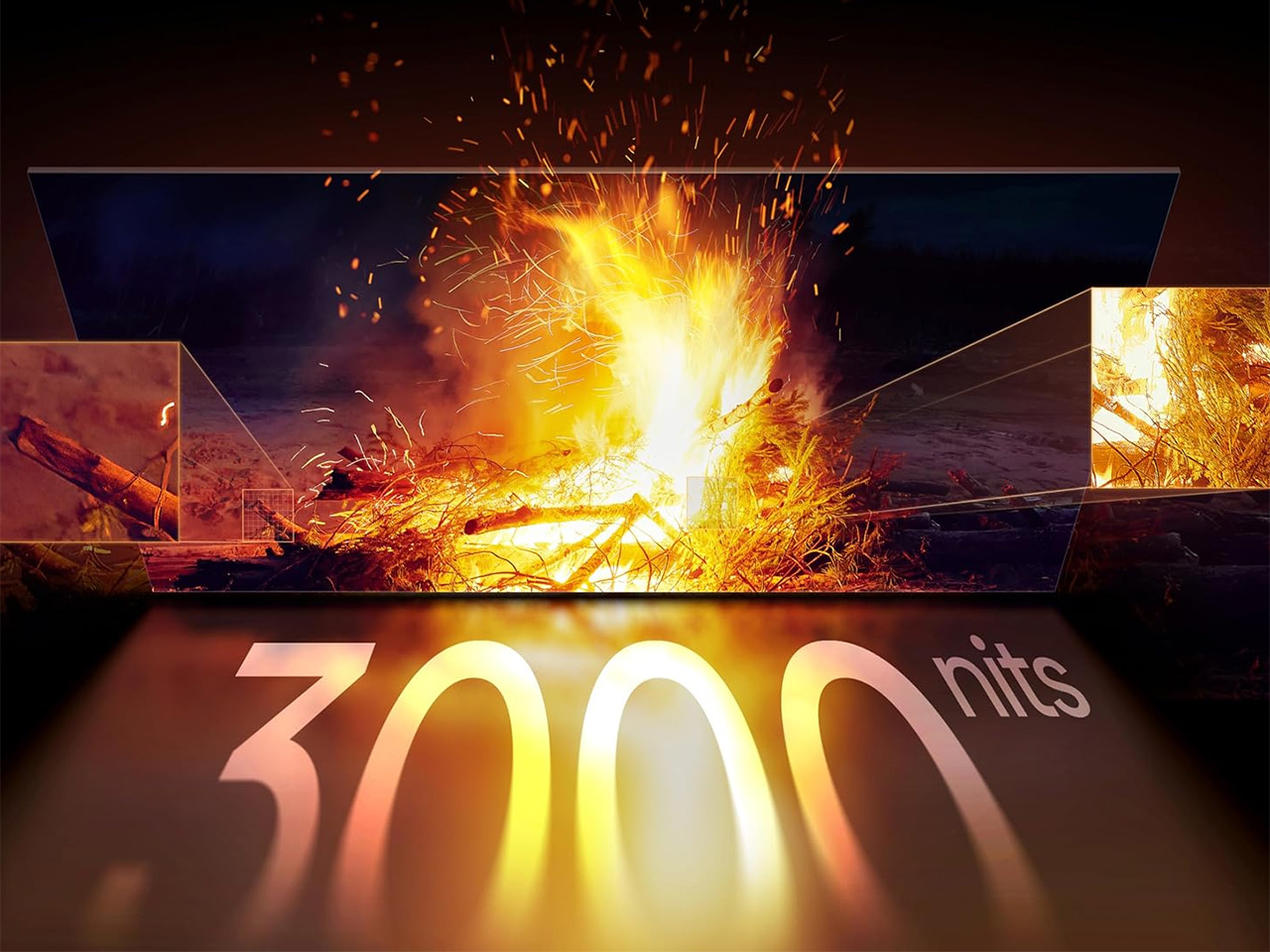
That practical design philosophy starts right at the physical foundation of the panel itself. Thousands of microscopic MiniLEDs are packed densely behind the screen, each one individually controlled with enough engineering precision that bright highlights and deep, inking blacks can sit directly adjacent to one another without either element blowing out or washing away. Hisense refers to this proprietary architecture as MiniLED Pro featuring Full Array Local Dimming. In practical terms, this means a sun-drenched horizon scene does not wash out into a hazy glare, and a shadowy night sequence does not devolve into a gray, murky mess lacking in detail.
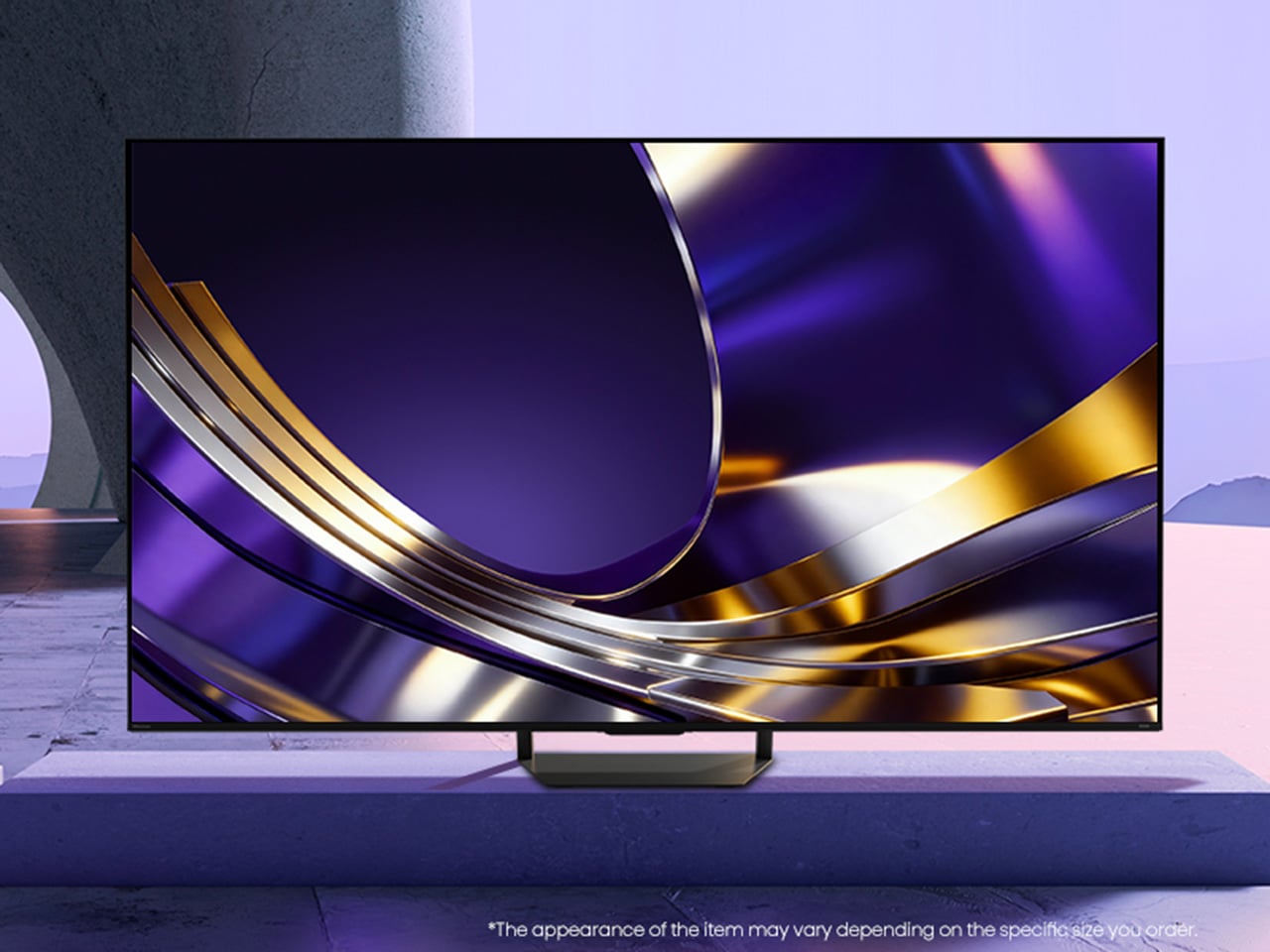
Achieving high brightness and deep contrast, however, means very little if the picture completely dissolves under aggressive room glare the moment direct sun hits a nearby window. This is precisely where the specialized anti-reflection layer on the U7SG earns its keep. Hisense has implemented a sophisticated dual-layer screen treatment that goes far beyond the standard single-layer chemical coatings that the vast majority of competing televisions rely on. Because of this advanced physical barrier, harsh afternoon light, glaring overhead fixtures, and that one ambient lamp that nobody ever seems to turn off stop acting as the primary enemy of a clear, cinematic picture.
Motion handling is another critical area where many modern televisions quietly fall apart the moment an on-screen sports broadcast or action sequence picks up significant speed. A native 165Hz refresh rate, paired seamlessly with Hisense’s proprietary motion processing algorithms, actively prevents fast-moving hockey pucks, corner kicks on the soccer pitch, and rapid camera pans from smearing into indecipherable clusters of pixels. It is often the kind of subtle performance detail that goes entirely unnoticed until its absence becomes glaringly obvious upon discovering that a more affordable television simply cannot keep up with the temporal demands of fast motion.
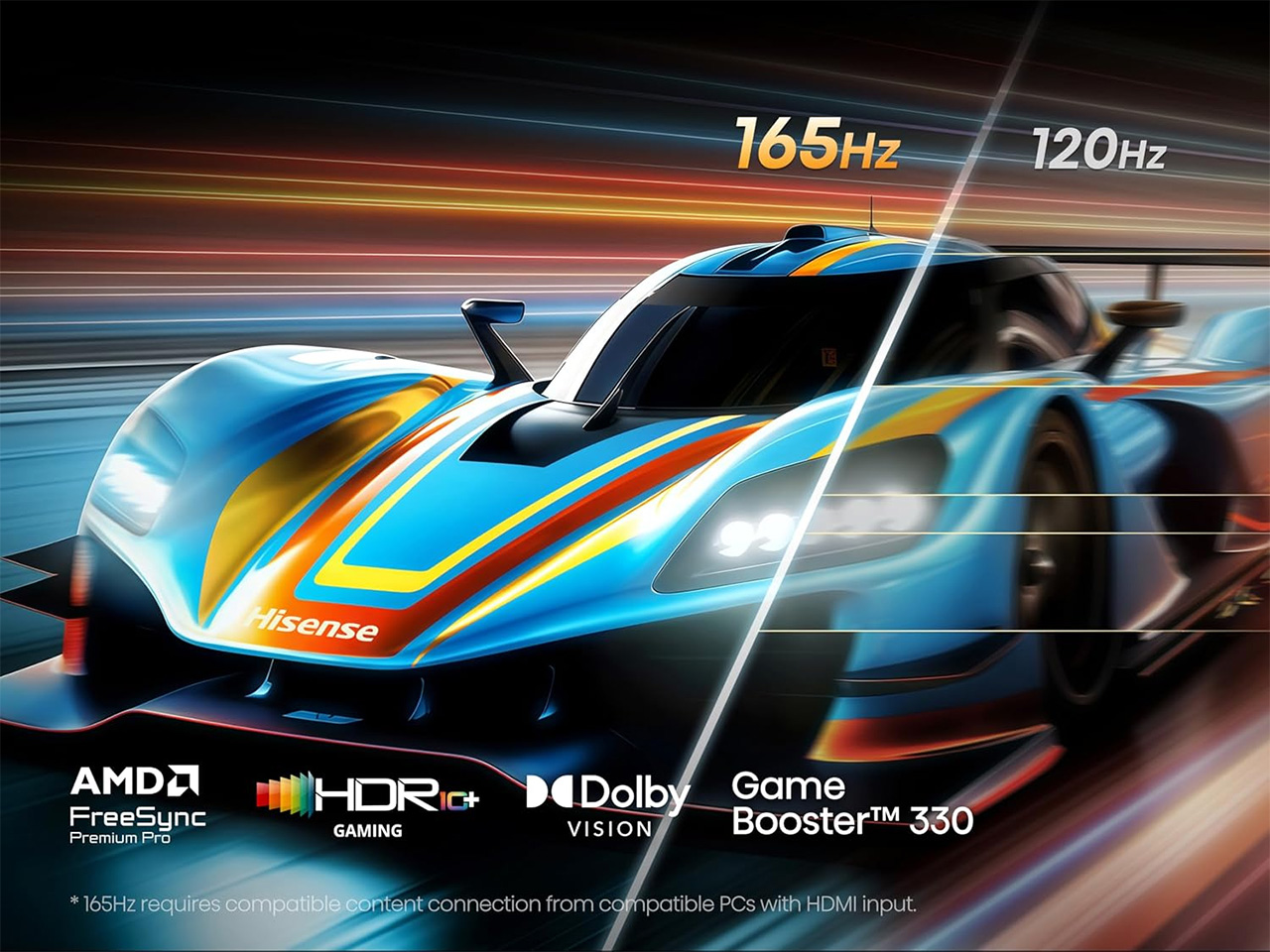
For the modern interactive entertainment audience, gamers receive an entirely separate suite of compelling reasons to pay attention to this release. The integrated Game Booster 330 system utilizes advanced High Refresh Rate (HSR) technology to push refresh rates all the way up to an astonishing 330Hz Variable Refresh Rate (VRR), yielding exceptionally smooth motion fidelity alongside remarkably low input lag. Furthermore, the on-screen Game Bar interface allows players to check current frame rates, VRR status, and High Dynamic Range settings at a glance without having to pause whatever title they happen to be playing. Connectivity is similarly robust, featuring four full-bandwidth HDMI 2.1 ports that ensure households no longer need to argue over which gaming console gets plugged into the premium input, as every single port natively handles pristine 4K video at 165Hz.
Color reproduction receives an equally meticulous level of engineering attention. The U7SG’s specialized Hi-QLED panel is officially Pantone validated, a designation that goes far beyond a simple marketing checkbox once observers notice how remarkably natural team uniforms, sprawling athletic turf, and human skin tones appear on screen, successfully avoiding the oversaturated, artificial look that plagues lesser displays. Coupled with comprehensive format support encompassing Dolby Vision, HDR10+, and IMAX Enhanced, the television essentially ceases to worry about which proprietary format a particular streaming or physical piece of content was mastered in. It simply processes and plays the material with absolute accuracy, sparing the viewer from having to manually adjust settings or think about technical specifications.
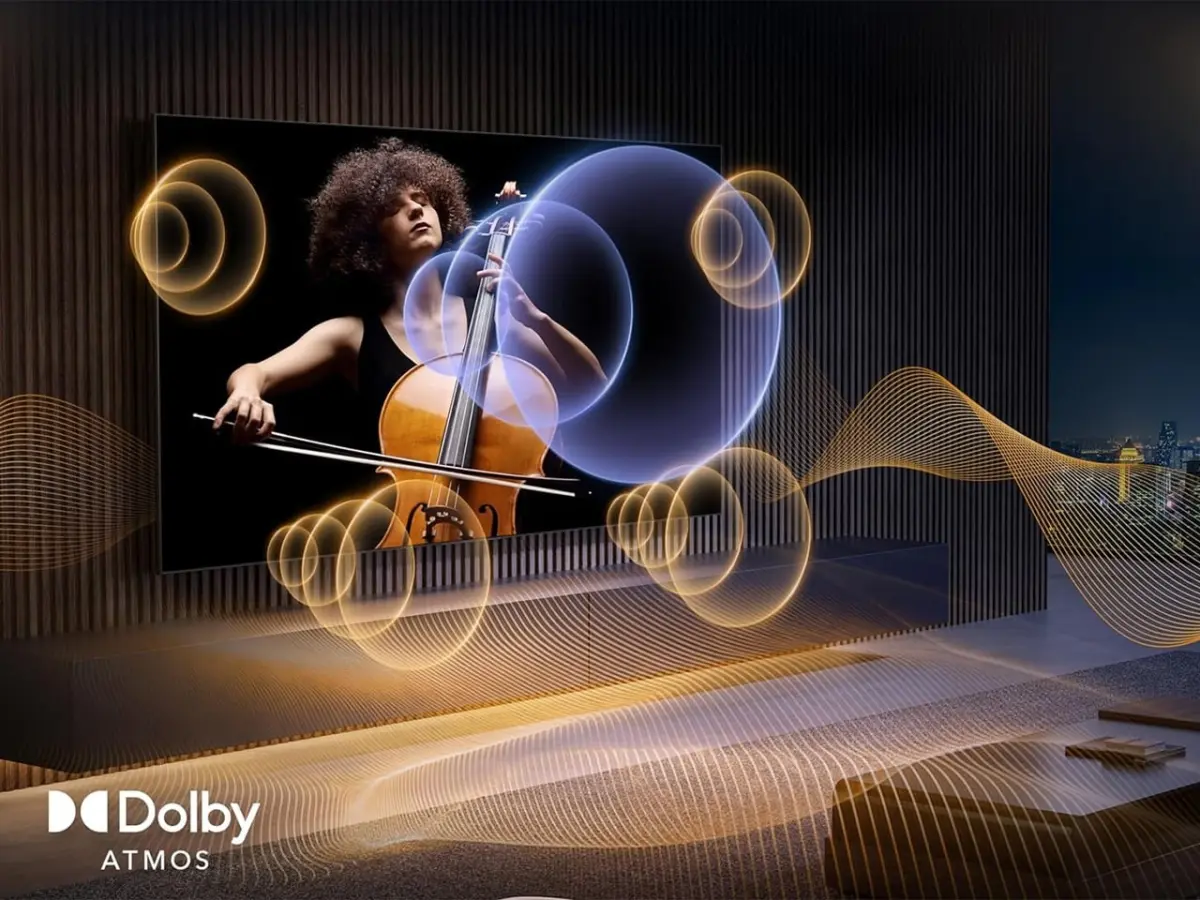
Audio performance has historically been treated as a frustrating afterthought on the vast majority of flat-panel televisions, but Hisense has taken a notably different path with the U7SG. A sophisticated 2.1.2 multi-channel audio configuration tuned by renowned acoustic specialists Devialet pumps up to 60 watts of power across the listening space, with Dolby Atmos integration injecting a convincing sense of height overhead. Dialogue remains crisp and intelligible even when competing with heavy stadium crowd noise, game commentary carries cleanly over background stadium chatter, and the immediate impulse to reach for a dedicated soundbar remote does not feel nearly as urgent as it typically does when setting up a brand-new television.
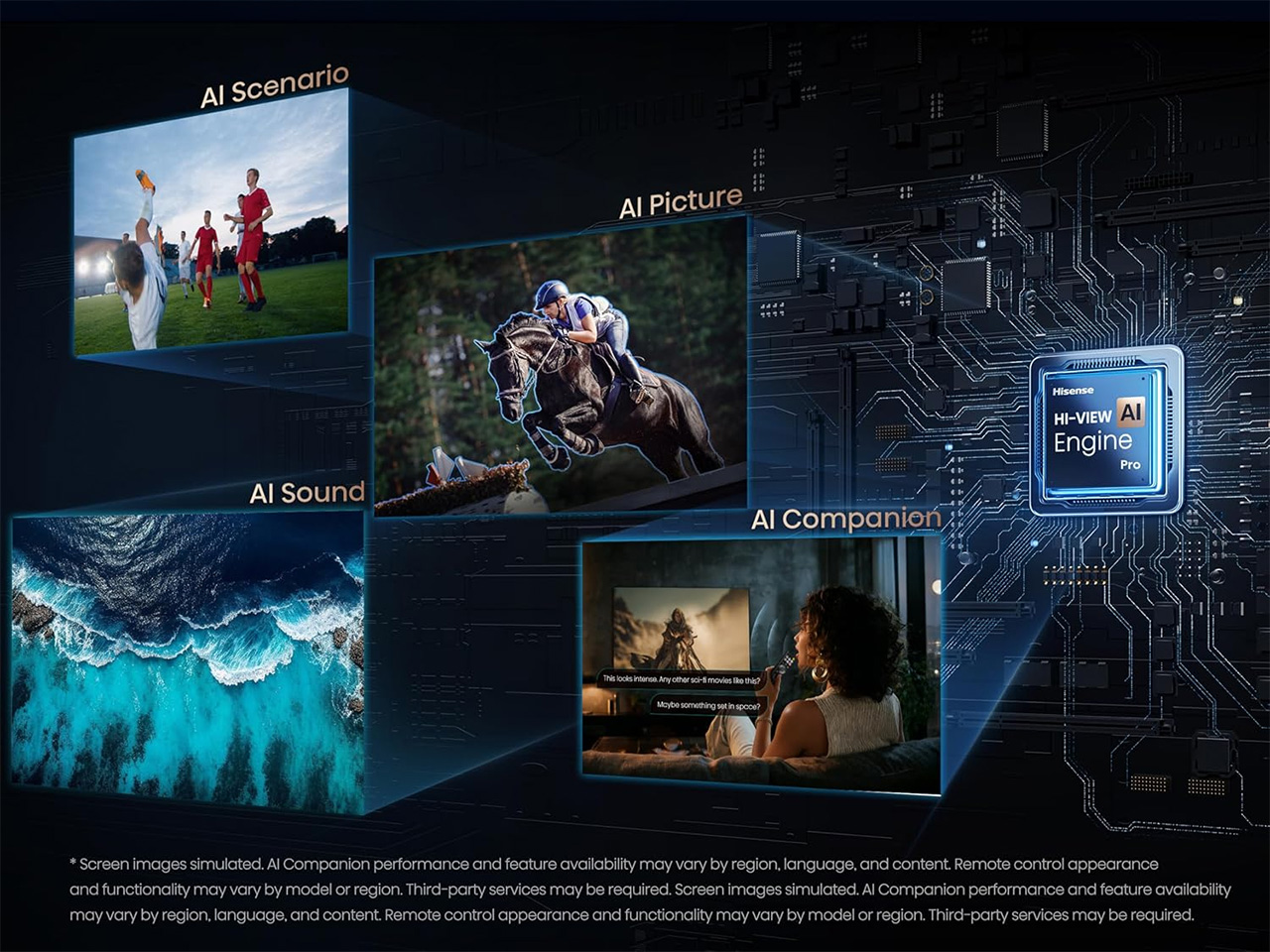
On the software side of the experience, Google TV serves as the central operating system, now enhanced with the conversational capabilities of Gemini for natural, spoken-word searches rather than forcing users to type out clumsy keyword strings using an on-screen remote control. Users can simply ask the television what they should feel like watching, and the system intelligently pulls recommendations from a vast library spanning more than 10,000 different applications. Alternatively, viewers can describe a vague emotional mood and let the operating system figure out the rest of the curation process. As an unexpected bonus for a display device, the AI assistant can also field general informational queries concerning sports statistics, cooking recipes, or travel destinations.
The physical footprint and versatility of the U7SG are further defined by its sweeping lineup of available screen dimensions, ranging from a modest 55 inches all the way up to an imposing 116 inches. This extensive scaling fundamentally shifts what the television can be utilized for within a modern home. A smaller model can fit quietly into an urban apartment setup, while the much larger configurations instantly transform into the definitive focal point for neighborhood watch parties or immersive family movie nights, offering a canvas expansive enough that every person in the room feels as though they secured the optimal seat in the house.
There was a time in the consumer electronics market when acquiring this comprehensive combination of advanced display technologies meant paying top-tier, flagship prices to legacy brands. Over the past several consecutive years, Hisense has steadily chipped away at that industry assumption, advancing its MiniLED manufacturing capabilities one generation at a time. The U7SG stands as the current culmination of that persistent engineering effort, presenting a display solution that refuses to force consumers into making an uncomfortable compromise between how much natural sunlight floods their living space and how pristine the picture quality remains within it.