In the late summer and autumn of 2010, the eyes of the entire world were locked onto a remote patch of the Atacama Desert in Chile. For 69 harrowing days, 33 miners remained trapped half a mile beneath the surface of the Earth, enduring complete darkness, rising psychological stress, and the constant, suffocating expectation of death following a catastrophic cave-in. Their harrowing ordeal, and the global mobilization that followed, captured the collective consciousness of humanity. Now, that historic event is being revisited through fresh perspectives, deeply personal archives, and unprecedented footage in a new three-part National Geographic documentary series titled Chilean Mine Rescue: Race Against Time.
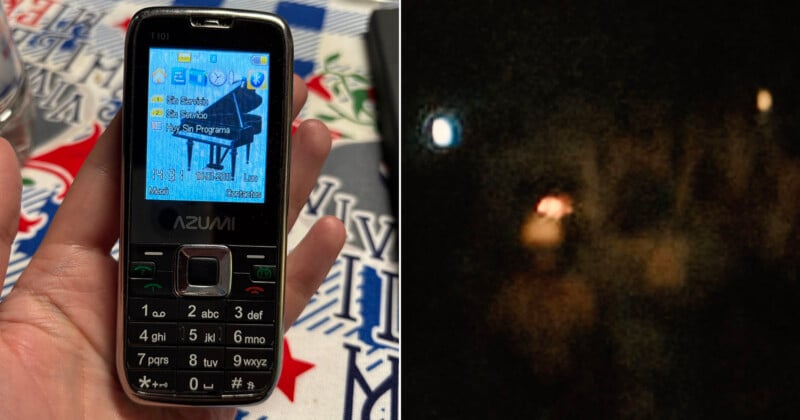
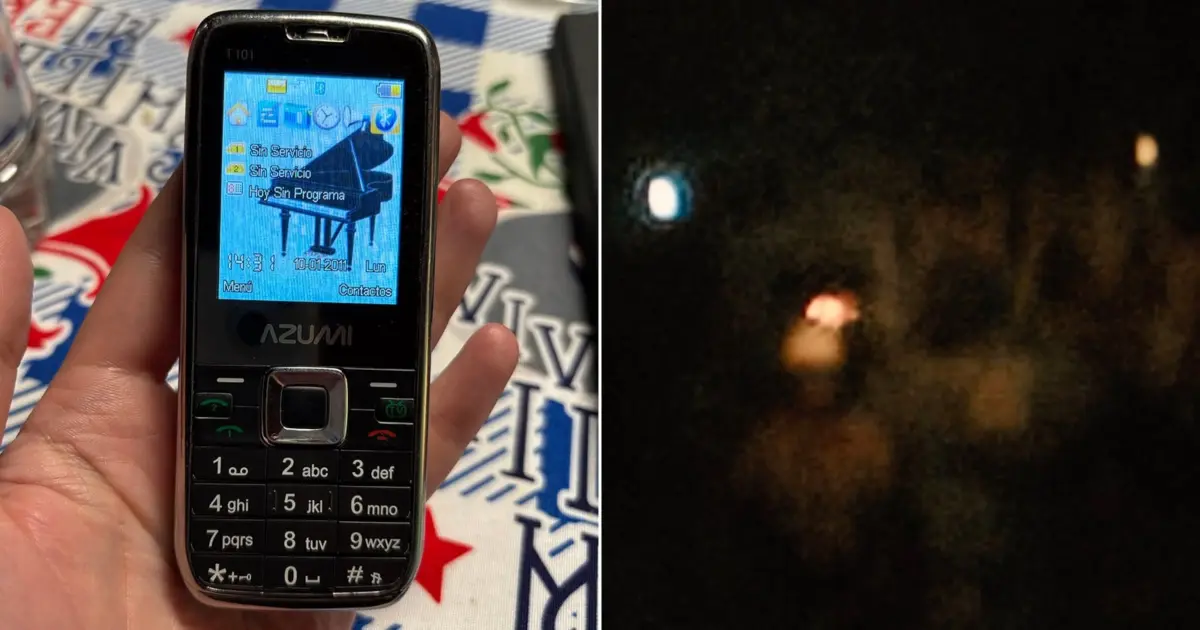
Serving as the newest installment in National Geographic’s Emmy Award-winning Race Against Time franchise, the documentary brings viewers back to the San José mine disaster with a profound level of intimacy. Among its most striking offerings are never-before-seen video recordings shot by the miners themselves, captured 2,300 feet underground using old, rudimentary mobile phones. While these vintage devices pale in comparison to the crisp, high-definition video quality delivered by modern smartphones, the grainy footage succeeds in capturing the raw, collective dread of 33 men facing an uncertain fate while their deeply worried loved ones waited anxiously above ground.
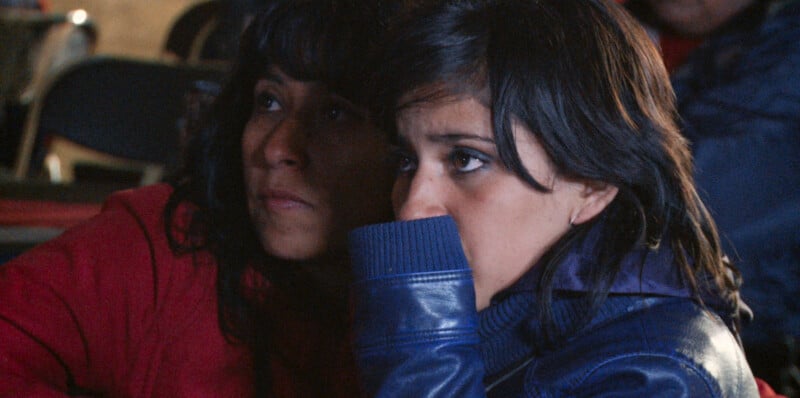
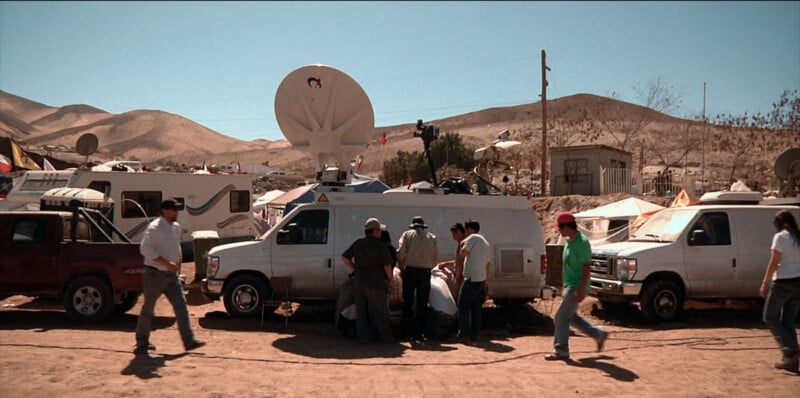
For the first 17 days immediately following the mine collapse, absolute silence reigned. Nobody above ground knew whether the miners had survived the initial impact, and a prevailing sense of grief led many to believe the worst. Yet, the world remained united in a fragile, desperate hope. When the survivors were finally brought back to the surface after more than two months underground, an estimated one billion people tuned in from their homes to watch the rescue unfold live on television. It remains etched in history as one of the largest live television broadcasts ever witnessed.
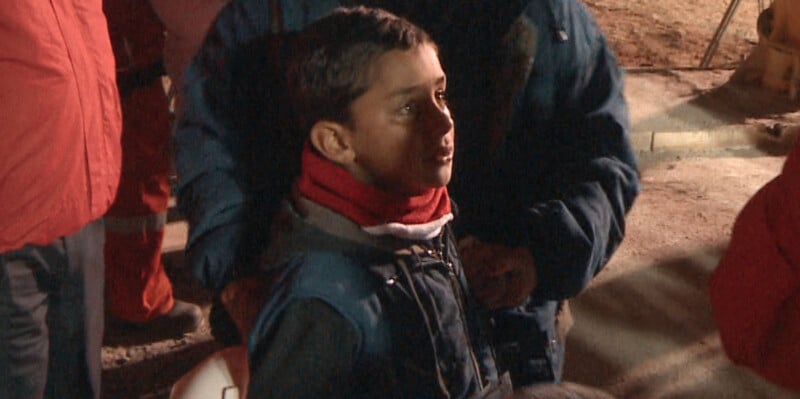
Now, with the release of Chilean Mine Rescue: Race Against Time, audiences have the opportunity to experience the magnitude of the event through fresh eyes, utilizing storytelling methods and perspectives that were simply not accessible back in 2010.
Making a Documentary Using Archival Footage
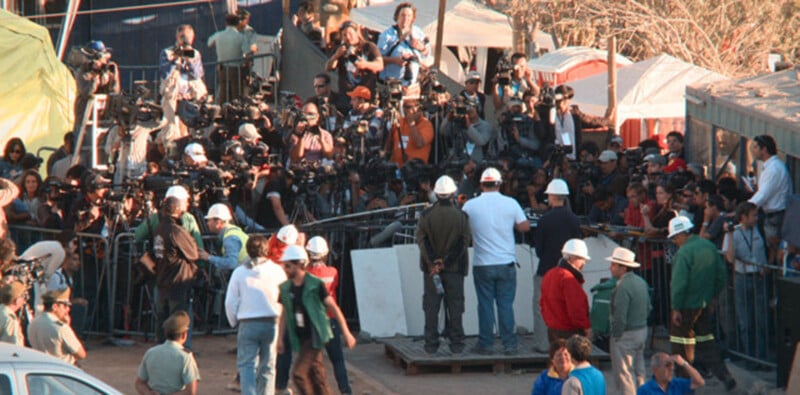
To unpack the monumental task of condensing 70 days of history, PetaPixel spoke with the miniseries’ co-directors, Emmy-winning filmmakers James Parris and Chloe Campbell. The creative team faced the immense challenge of distilling a vast mountain of archival material while weaving in fresh, modern-day interviews with the survivors, their families, and the dedicated rescue workers who labored tirelessly to bring them home.
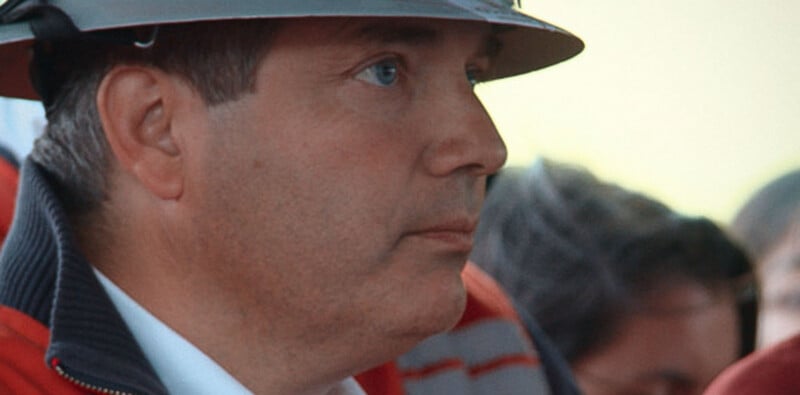
Reflecting on the sheer volume of recorded history available for the project, Parris noted that approaching a story of this scale requires an intense focus on the preservation and curation of archival media. Because the disaster was broadcast globally from day one until the final triumphant extraction, the team knew they would be swimming in an ocean of recorded documentation. As a documentary filmmaker, Parris explained, one often grabs a camera to film a subject firsthand; however, when recounting a major historical event that has long since passed, creators must rely entirely on the legacy left behind by the journalists, authorities, and individuals who were there at the time. Even with that expectation, Parris admitted he was still deeply astonished by just how much material survived.

Co-director Chloe Campbell echoed these sentiments, emphasizing the agonizing editorial choices required to shape the narrative. With 69 days of continuous events to examine, the team could not possibly broadcast a runtime that matched the duration of the ordeal. Tough decisions had to be made at every turn, driven by the ultimate goal of crafting what the filmmakers hope will be recognized as the definitive telling of the story. Campbell noted that part of the inherent magic of documentary filmmaking is helping audiences—even those who vividly remember living through the event—revisit and process those memories through an entirely new lens. Naturally, covering a globally televised tragedy of this magnitude also carries an immense weight of responsibility.

Never-Before-Seen Cellphone Footage From Half a Mile Underground
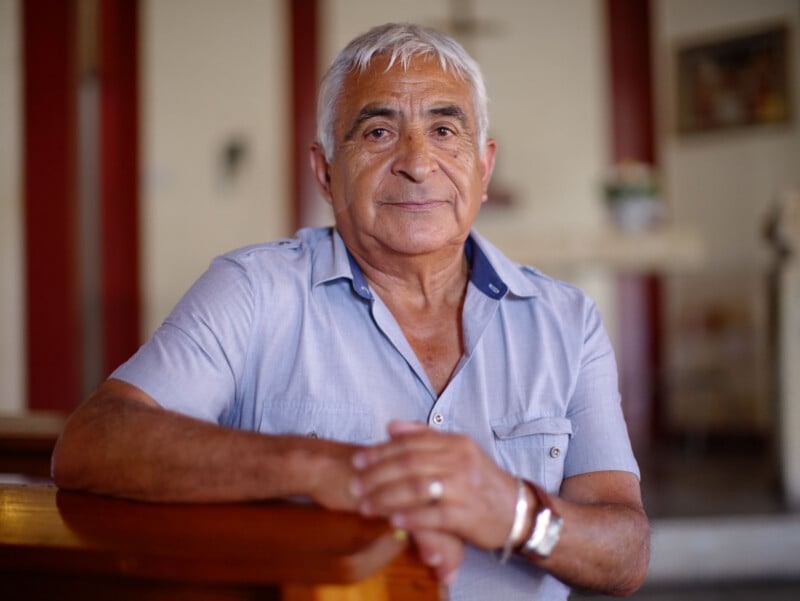
That sense of responsibility was particularly acute when the production team came across the rare mobile phone footage recorded by the trapped miners during the pitch-black solitude of the early weeks. Prior to this series, these intimate clips had never been shared with the public.
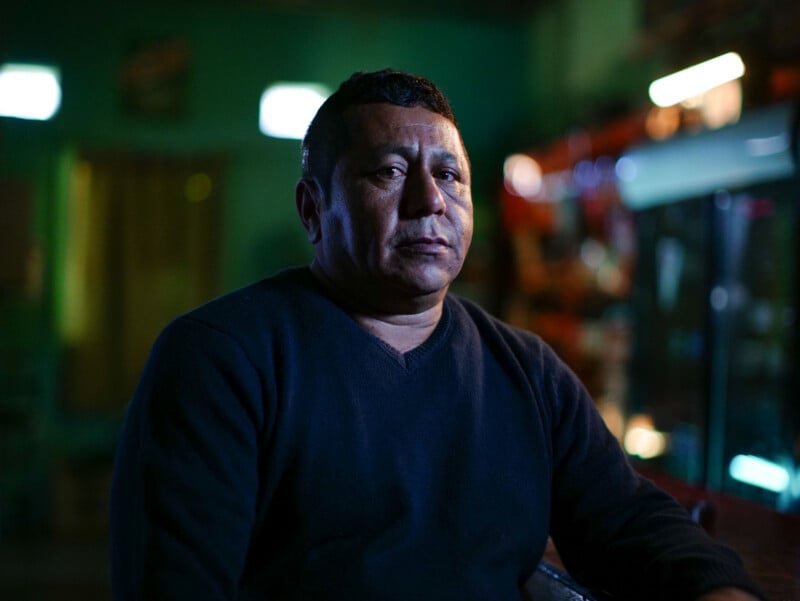
Parris emphasized that archival material of this nature demands extreme care and reverence. When viewers watch the footage, they are looking at fragile remnants—roughly five to six minutes of material shot during the critical first 17 days when communication with the surface was nonexistent. The filmmakers remained deeply mindful of the psychological state of the individuals holding the cameras. At the time of recording, the miners operated under the grim assumption that they would not survive the collapse, treating the video clips as their final chance to leave a farewell message for their families in the tragic event that only their bodies were ever recovered.
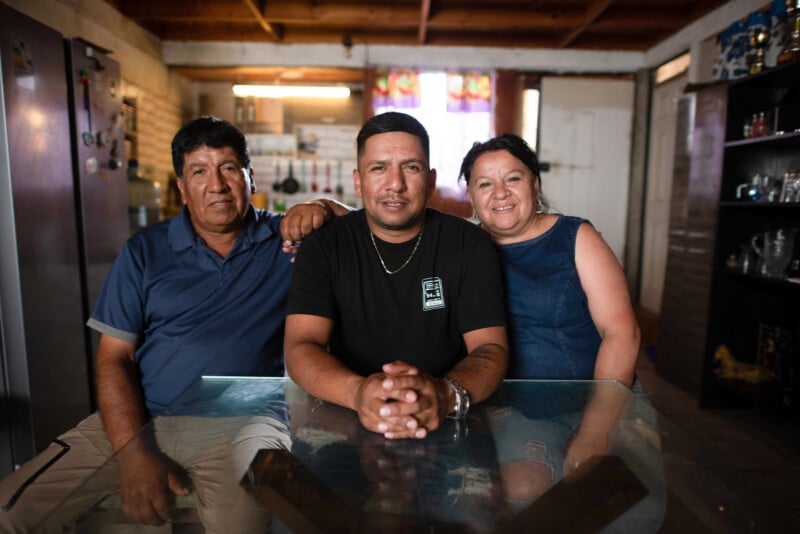
Out of deep respect for the miners and their families, the production team chose not to chop up the cell phone footage into fleeting, disconnected B-roll snippets. Instead, the precious clips are presented largely intact, interspersed thoughtfully with modern interviews featuring the relevant parties. This editorial approach allowed the filmmakers to step back and let the subjects tell their own story in their own voices.

Recovering those digital files, however, was no small feat. Campbell revealed that the team encountered numerous hurdles during the recovery process. There were tense moments where the production crew thought they had successfully secured the files, only to find roadblocks that threatened access. It was not until the team physically laid eyes on the recovered footage that they could finally breathe a sigh of relief, marking a truly incredible milestone for the project.
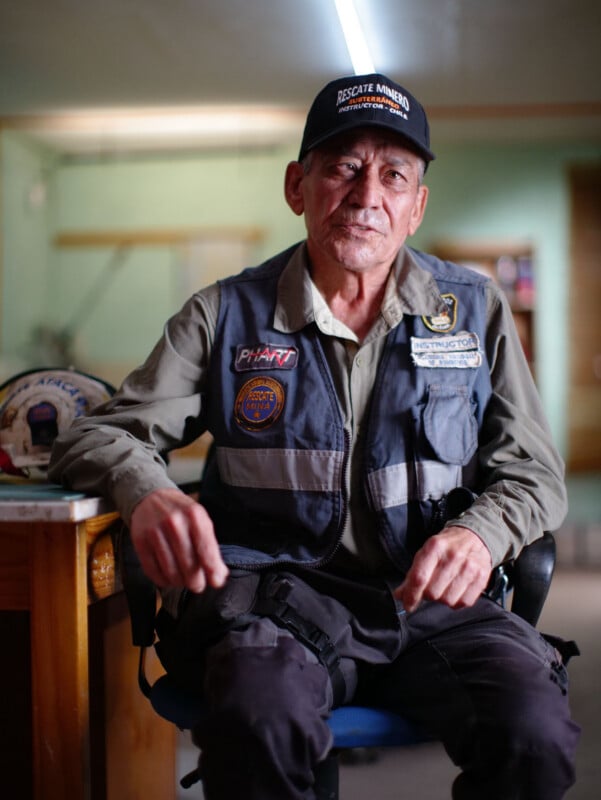
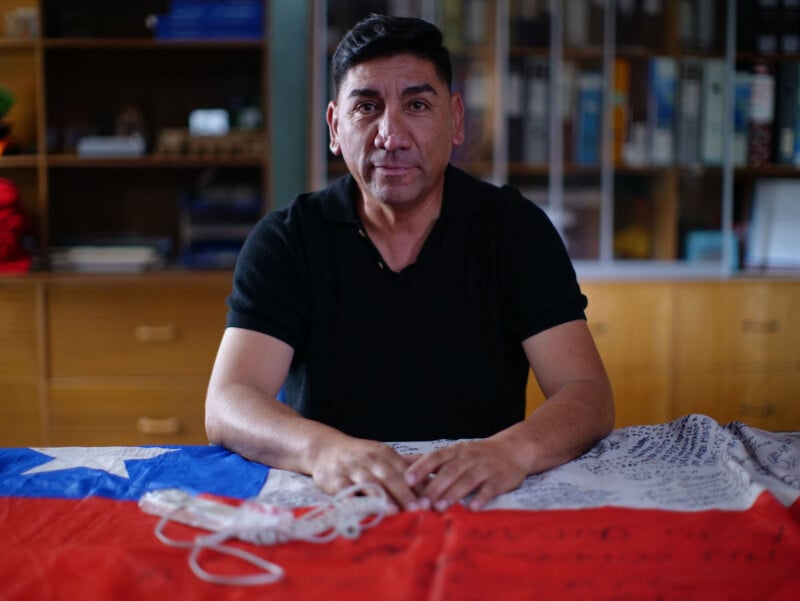
While many viewers will remember the broad strokes of the 2010 rescue—including the ultimate triumph of human perseverance under impossible conditions—the newly discovered cell phone footage injects a powerful new layer of suspense and emotional resonance. The archival interviews from the era, paired with contemporary reflections from survivors sixteen years later, recapture the profound uncertainty that hung in the desert air when survival was far from guaranteed.
How to Tell a Story Many People Already Know
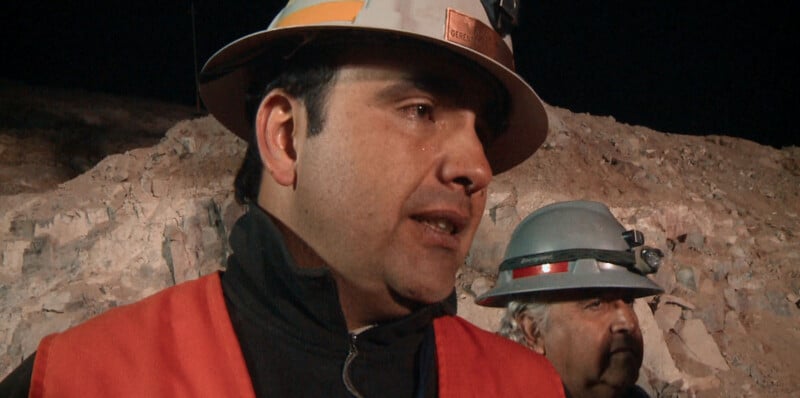
Addressing the creative hurdles of producing a gripping narrative about a well-documented historical event, Campbell explained that the production team held ongoing discussions regarding how to maintain dramatic tension when the ending is already public knowledge. She acknowledged that it is a delicate balance, requiring every episode and every act to be anchored by rich character arcs, genuine emotion, and deeply personal narratives that can carry an audience forward regardless of their familiarity with the historical outcome. There is no simple playbook or crib sheet for tackling such a project.
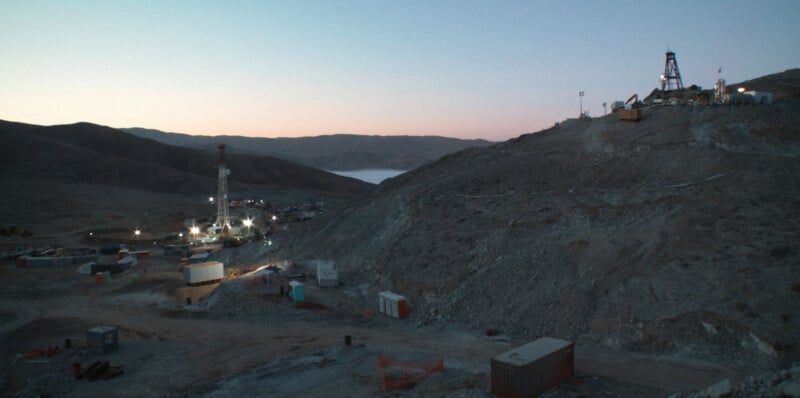
For Parris, however, knowing the conclusion of the story actually lifted a certain weight off the creative process. Without the burden of needing to manufacture a grand twist or artificially conceal the final outcome, the filmmakers were granted the freedom to explore the intricate details of the journey itself. Freed from the pressure of plot deception, Parris and Campbell were able to shine a light on creative storylines and human elements that were largely overlooked during the fast-paced global news cycle of 2010, recalibrating the narrative with the valuable perspective of hindsight.
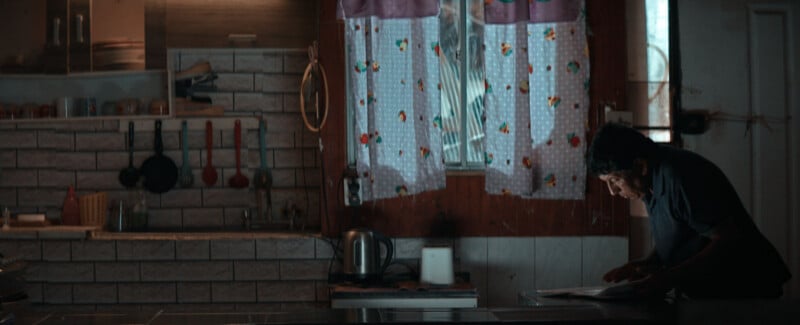
Reflecting on the treasure hunt through the extensive archives, Parris noted that while there were moments where he wished someone had captured a specific angle near the drill site, the vast body of available footage almost always delivered. Within ten minutes of searching through the rushes, the exact shot needed to advance the narrative would invariably surface. Rather than trying to force a story together from scratch, the editing process felt more like wading through a sea of history, where the right piece was always waiting to be found.
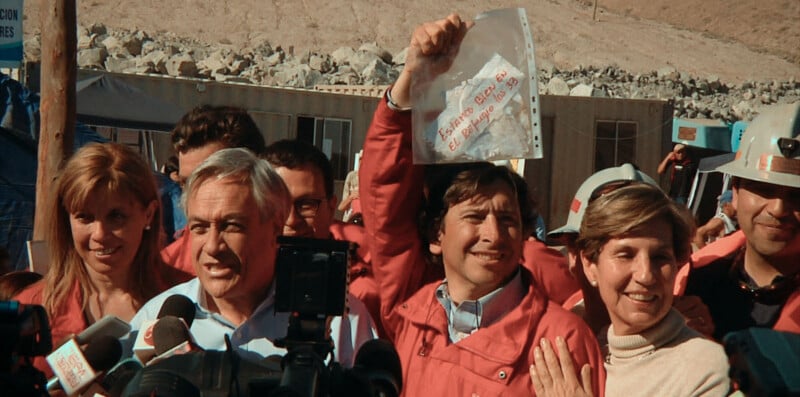
Chilean Mine Rescue: Race Against Time premieres on National Geographic, with subsequent streaming availability on Disney+ and Hulu.