Apple has executed its highly anticipated annual software refresh, introducing a wave of major updates across its entire product ecosystem. Alongside the debut of the new iPhone 18 Pro and its accompanying iOS 27 operating system, the tech giant has officially rolled out MacOS 27 Golden Gate, the latest iteration of its desktop operating system. This year’s release represents a landmark moment for the Mac platform, characterized by significant architectural changes, a fresh design language, and advanced artificial intelligence capabilities. Most notably, MacOS 27 Golden Gate officially drops support for legacy Intel-based Macs, completing a long-anticipated transition and focusing exclusively on Apple’s proprietary custom silicon. The update introduces a highly sophisticated Siri assistant equipped with on-screen awareness, various enhancements to native applications, and the subtle yet modern Liquid Glass design language, which brings a refined sense of depth and fluid motion to the user interface.
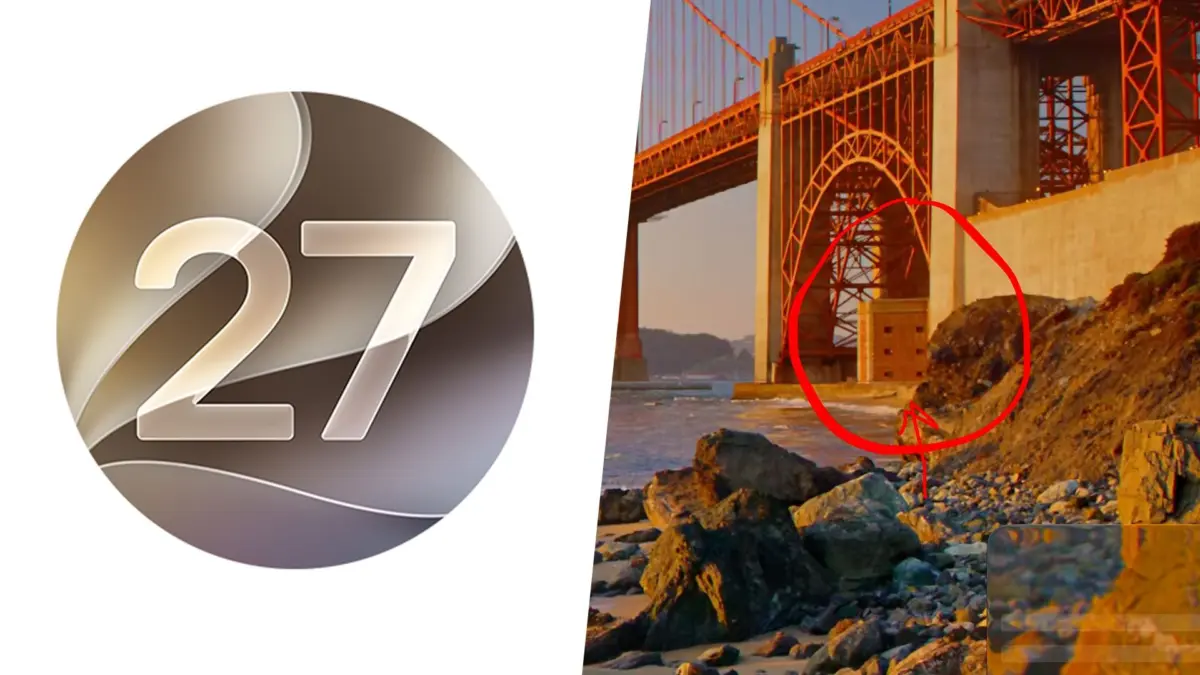
While the operating system has received widespread praise for its optimization, snappier performance, and visual elegance, it did not take long for detail-oriented users to turn their attention to a curious anomaly. In the digital age, where high-resolution displays make every pixel visible, even the smallest visual discrepancy can quickly become a topic of intense discussion. This time, the focus of the community’s scrutiny is the default live wallpaper—a signature visual asset that showcases the scenic beauty of the Golden Gate Bridge, the namesake of this operating system version. Eagle-eyed users navigating the newly updated desktop environment have pointed out what many consider to be