Social media continues to hold significant sway over modern consumers, but the ways in which platforms are utilized along the traditional purchase journey are undergoing a fundamental transformation. As discovery pipelines expand to include artificial intelligence tools, search engines, and emerging commerce features, modern brands are finding that they must fundamentally adapt their marketing playbooks to stay competitive.
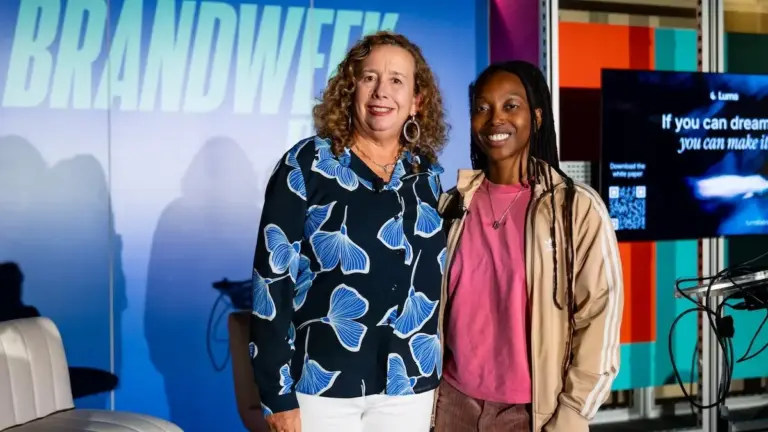
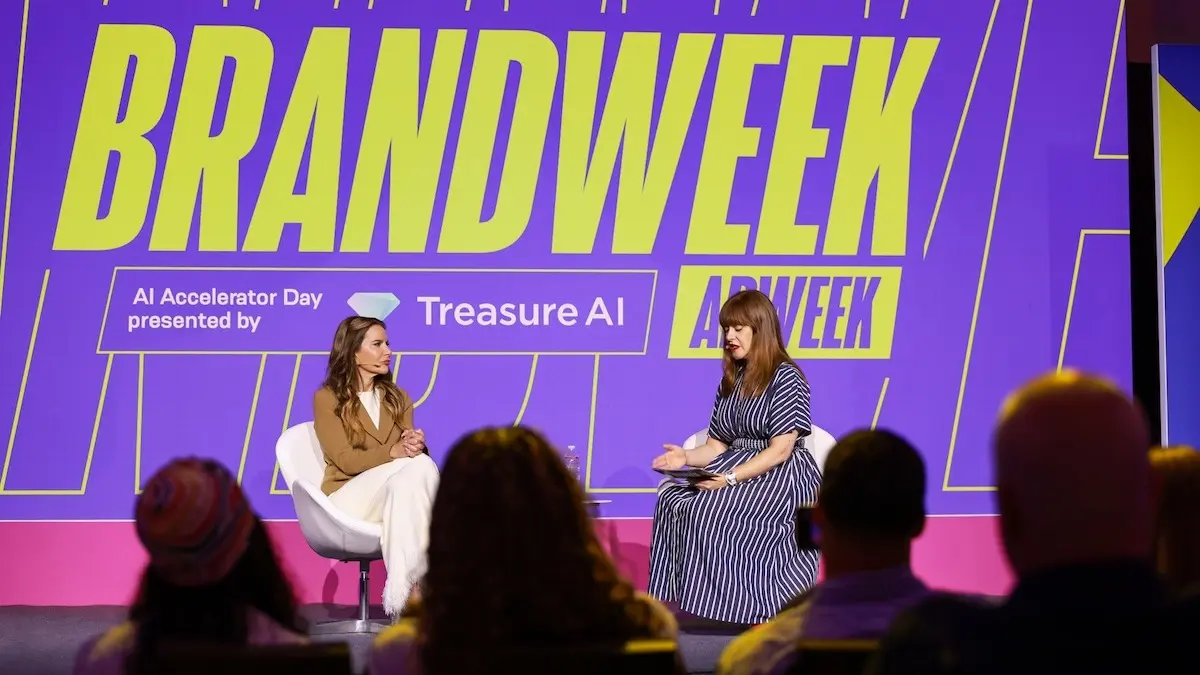
During Brandweek 2026, TikTok co-hosted a high-profile, three-day series titled “Agencies Doing Cool Sh*t.” The series brought together top marketing minds to unpack shifting consumer behaviors, the evolving role of content creators, and the intersection of social media and modern retail. Emily Freed, general manager of U.S. agency at TikTok, sat down with leading agency executives over the course of the three-day event to discuss innovative strategies, real-world brand executions, and the future of creator partnerships in an increasingly complex digital ecosystem.
Boosting a Brand Through Connected Systems and Mega Creators
The opening day of the series kicked off with Leslie Ann Hall, founder and CEO of Iced Media, an agency specializing in the beauty and wellness sector. Hall took the stage to discuss a major campaign for her client Rael, a Korean holistic cycle care brand that was preparing to introduce a technologically advanced microneedling serum to the market.
According to Hall, the product rollout faced two distinct hurdles. First, the beauty category on TikTok is intensely crowded, with countless brands vying for consumer attention at any given moment. Second, the product relied on complex science that needed to be translated and simplified for a fast-paced social media audience accustomed to quick, digestible entertainment.

To overcome these challenges, Iced Media devised a comprehensive strategy that centered on a partnership with prominent mega-creator Mikayla Nogueira. By securing Nogueira’s backing, the agency effectively unlocked a ripple effect across the platform. Nogueira’s endorsement signaled credibility to other creators, prompting a wider wave of organic reviews and conversations that transformed TikTok into a powerful demand engine for the brand.
Hall emphasized that modern beauty marketing requires a holistic view of the digital landscape rather than relying on isolated tactics. "It’s about these connected systems where you’re combining performance media, social commerce, and then thinking about generative engine optimization, when you’re working with a creator like this," Hall explained during her session with Freed. "The best thing that we did was look at TikTok as a way to drive awareness to fuel omnichannel growth instead of as a single channel."
Working with a Nonlinear Purchase Journey and AI Integration
Hall returned for the second day of the series to address one of the most pressing challenges facing modern marketers: the reality that the modern purchase journey is rarely linear. Using another prominent Iced Media client, Moroccanoil, as a case study, Hall detailed how consumer decision-making has evolved into a fluid, unpredictable loop.
A modern shopper might first discover a brand while scrolling through short-form video content on social media, pivot to an artificial intelligence-driven recommendation platform to research product ingredients or user reviews, and subsequently return to a social commerce shop to complete the purchase. Alternatively, the path can easily begin in reverse, with AI queries leading consumers back to social channels for visual validation.

"The most important thing that brands can do is make sure they have enough content that will reach the consumer at all stages of those journeys," Hall noted. She highlighted a significant shift in the digital ecosystem: TikTok and TikTok Shop are increasingly serving as foundational data sources and knowledge bases for large language models. When AI platforms answer consumer queries about beauty products, routines, and lifestyle choices, they frequently draw from the collective consensus found within social video communities.
Emily Freed echoed these insights, pointing out a broader consumer trend toward AI-driven recommendations that are subsequently verified by real people. As automated tools play a larger role in product discovery, the burden falls on brands to ensure their digital footprints are properly structured for both machines and humans.
"That combination of how you make sure that your data is structured in a way that is machine-discoverable and then how you make sure that you have content that is ready for human validation is really super important," Freed stated.
A New Point of View on Creator Partnerships and Scalable Affiliates
The third and final day of the Brandweek series shifted focus toward the mechanics of scaling creator relationships. Freed introduced Alex Yang, co-founder and president of Boost Engine, to discuss how brands can extract maximum value from creator collaborations by encouraging creative freedom and operational scale.

Yang shared insights from a campaign involving Boost Engine client Bissell. Rather than locking creators into rigid briefs or relying exclusively on predictable, conventional content formats—such as the classic "before-and-after" cleaning demonstrations that have become ubiquitous in the home-care category—the brand empowered creators to explore their own unique creative instincts.
"For creators, if you really want to activate them and drive growth, having this mindset of exploring content in different formats and finding the winning format for your brand, for your audience profile will be crucial to success," Yang said.
Beyond individual creative expression, Yang advocated for a systematic, scalable approach to influencer marketing. By expanding collaborations to encompass thousands of creators simultaneously, brands can build what he described as an "army of affiliates" capable of generating continuous, reliable momentum.
However, Yang stressed that achieving this level of scale requires mutual respect, transparency, and operational support. To build a repeatable system, brands must treat creators as true strategic partners by providing them with the necessary tools, insights into underlying paid media strategies, product assortment details, and clear data on winning content formats.