While it sometimes feels as though nearly every marketer on the planet is experimenting with artificial intelligence, the question of how deeply and effectively these tools are truly integrated into daily workflows remains a pressing industry dilemma. With a notoriously steep learning curve and a dizzying array of software options hitting the market, modern marketing and creative teams are continually searching for ways to use these technologies efficiently without losing their brand identity or creative edge.
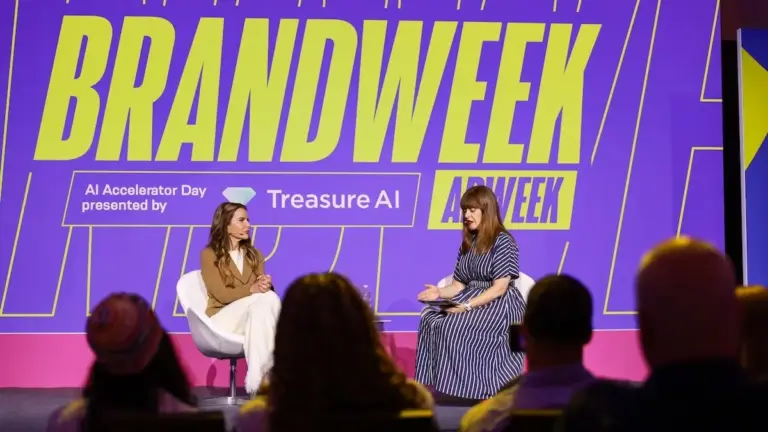
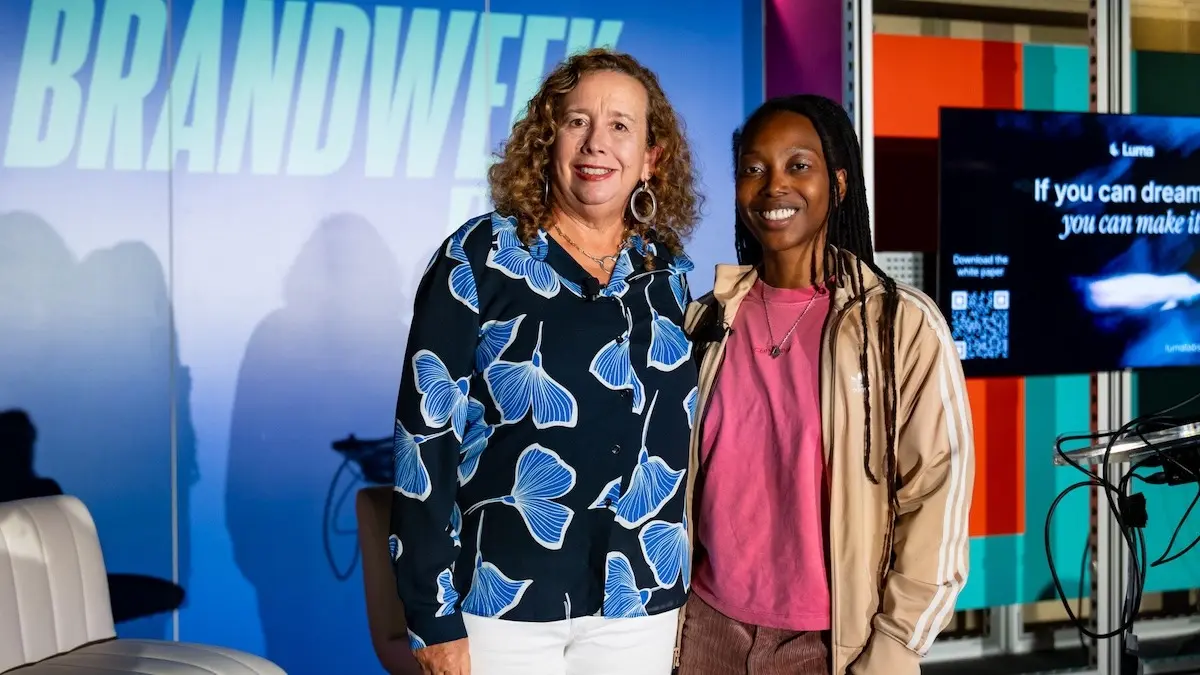
This exact tension was front and center during a heavily attended Brandweek 2026 workshop co-hosted by Luma. Michele Madansky, a seasoned marketing research consultant at Michele Madansky Consulting (MMC), took the stage alongside Alexia Adana, forward-deployed creative lead at Luma. Together, they explored the current landscape of how marketers are leveraging artificial intelligence and demonstrated how advanced AI agents and creative platforms can realistically power the future of commercial creativity.
How Creatives Are Using AI Today
Madansky opened the panel discussion by revealing the compelling results of Luma’s first-ever annual report, titled “State of Creative Professionals and AI: 2026,” which surveyed 760 creative professionals to capture an accurate snapshot of the industry.
According to Madansky, the headline takeaway of the report is definitive: 81% of creative professionals are actively using artificial intelligence to create and release content in their day-to-day operations. However, this high adoption rate comes with a significant caveat. Madansky pointed to her personal favorite finding from the study as definitive proof that while initial adoption is remarkably widespread, true long-term integration is still very much a work in progress for most organizations.
“On average, creative organizations evaluated 6.1 tools, adopted 4.3, and stopped using three. This is churn,” Madansky told the audience. She explained that the survey results point to a period of heavy trial and experimentation, driven by an industry-wide understanding that not every emerging software solution will work effectively or deliver a lasting, positive impact on their bottom line or creative output.
The comprehensive survey also uncovered several other notable behavioral trends across the creative sector. For instance, the data revealed that larger agencies are leading the charge when it comes to AI adoption, whereas independent freelancers are lagging behind, largely due to resource constraints and the sheer cost of evaluating dozens of competing platforms.
Furthermore, the report broke down the specific types of content being generated using these tools. Written copy and image creation currently sit comfortably ahead of video production. When asked why video adoption is trailing behind text and still images, Madansky offered a straightforward explanation: “Video is harder to produce.” The technical demands, rendering times, and narrative complexities involved in video production make it a steeper hill to climb for creative teams just beginning to incorporate generative tools into their pipelines.
Powering Creative Decisions Through Advanced Platforms
Following Madansky’s presentation of the survey data, Alexia Adana took the stage to demonstrate how Luma’s proprietary AI agents and comprehensive platform can actively assist marketers in overcoming these operational hurdles. To ground her demonstration in reality, Adana used live examples from a recent workshop that Luma conducted with Oakley, the globally recognized eyewear company owned by parent organization Luxottica. In real time, she interacted with a Luma AI agent via a conversational chat interface, keeping the overall workflow remarkably simple and accessible.
“Think of the agent as this very powerful, pretrained tool that speaks to the generative AI models on your behalf. So, you do not need to be a technical prompter anymore to create these high-fidelity assets,” Adana explained to the engaged crowd. “You just need to be somebody with a great idea and really solid direction to give that agent to go execute.”
Adana walked the audience through the foundational steps of how the platform operates. Luma begins by building a comprehensive “Brand DNA” profile for a company. This is accomplished by uploading any relevant brand data, such as official guidelines, specific typefaces, precise color palettes, and corporate logos. In addition to brand guidelines, past marketing campaigns can also be uploaded into the system, allowing the Luma platform to thoroughly analyze and learn what has historically worked for the brand and what has fallen flat.
Once the foundational profile is established, the actual creative process kicks off. Housed within the Luma ecosystem are “digital twins” of real-life professional models who have been meticulously photographed, alongside high-resolution images of the brand’s actual physical products. A marketer armed with a creative brief can then instruct the Luma agent to generate mood boards, concepts, and various other preliminary assets during the crucial early brainstorming phase of a campaign.
Adana then demonstrated how marketers can seamlessly bring these conceptual ideas to life by utilizing the company’s diverse array of AI-powered tools. In a matter of minutes, she successfully altered one of the Oakley test cases live on stage, demonstrating firsthand how hybrid production workflows utilizing Luma can drastically accelerate the typically sluggish creative workflow.
Despite the incredible speed and automation provided by the technology, Adana was careful to stress that the entire process remains firmly anchored in human direction and creative oversight.
“This is all rooted in human authorship, [the assets are] rooted in real photography, and going through a hybrid workflow,” Adana stated, reinforcing the central message of the Brandweek session: while artificial intelligence has firmly cemented its place as a mainstream tool across the creative industries, human judgment remains the ultimate and defining advantage for modern brands.