The demand for high-quality art supplies is not limited to those enrolled in formal fine arts or design programs. While dedicated art students require professional-grade tools to satisfy rigorous coursework, experiment with diverse mediums, and build competitive portfolios, a growing demographic of hobbyists and non-art majors views creative practices as an essential therapeutic escape. The intense cognitive load of university lectures, examinations, and academic assignments often necessitates a sensory, hands-on distraction. Engaging with physical mediums—whether sketching in a pocket notebook during a brief study break or spending an evening working on a canvas—provides a vital counterweight to the digital saturation that characterizes modern student life. Consequently, the search for accessible, high-performing materials has become a universal pursuit at the start of the academic term.
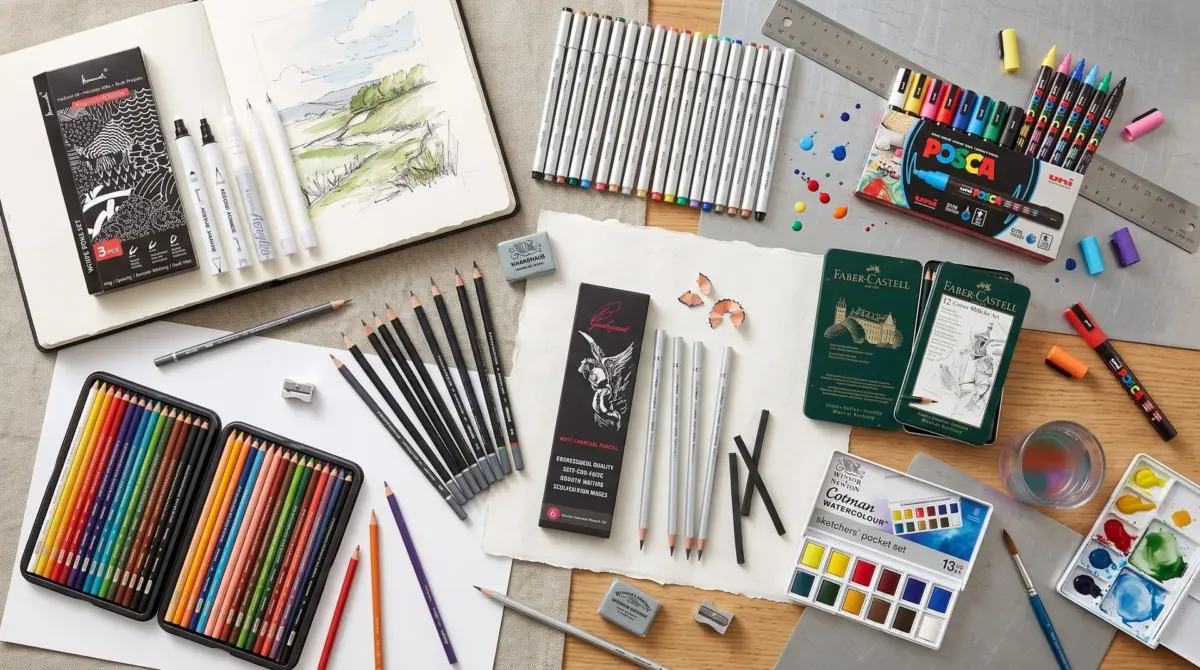
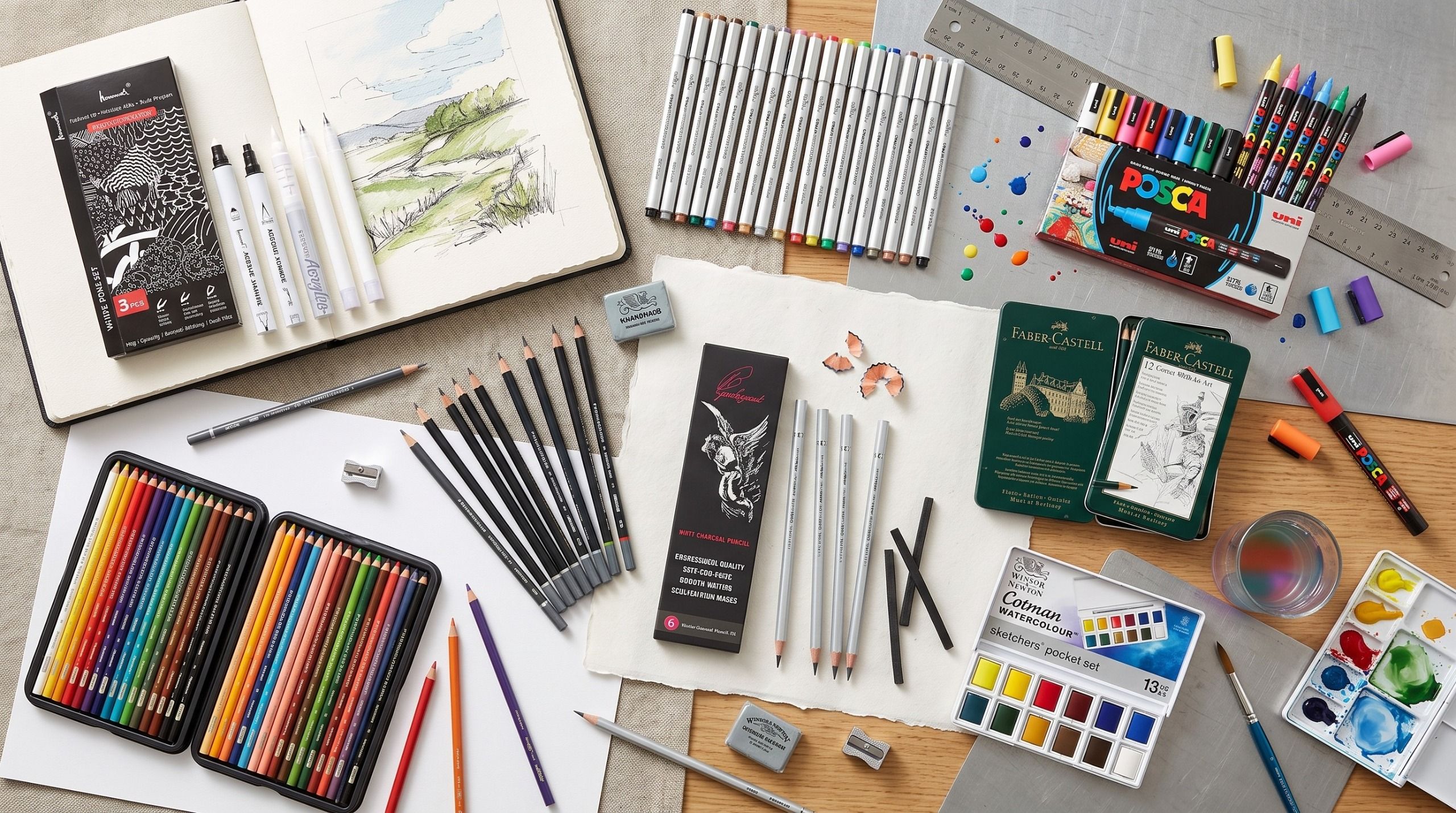
Among the most sought-after tools during this seasonal refresh are detailing pens and paint markers, which have experienced a significant surge in popularity due to their versatility and ease of use. Brands like Posca have become industry standards, beloved by illustrators, street artists, customizers, and journaling enthusiasts alike. These water-based pigment markers offer an opaque, vibrant, paint-like finish that can be applied to almost any surface, including paper, cardboard, wood, metal, plastic, ceramic, and glass. For a student looking to customize their personal gear, design posters, or execute precise line work on a mixed-media piece, such markers are indispensable. Their quick-drying, non-toxic, and odorless formula makes them particularly suited for use in shared spaces, such as dormitories or communal study areas, where traditional paints might be impractical or disruptive.
Similarly, the demand for high-quality colored pencils remains robust, particularly for those focusing on illustration, drafting, and fine detail. Prismacolor, renowned for its soft-core colored pencils, represents a premier choice for artists who require rich color laydown and superior blending capabilities. The thick, durable leads resist breakage while allowing for smooth transitions, delicate shading, and deep, saturated tones. These characteristics make them a staple for design students drafting concepts, fashion illustrators rendering textures, and hobbyists exploring the intricate details of adult coloring books or personal sketchbooks. Acquiring these high-caliber pencils during seasonal sales allows artists to build a comprehensive palette of colors without the steep financial investment usually associated with professional-grade drawing instruments.
Beyond dry media, the transition back to academic life often prompts artists to re-evaluate their paint collections, choosing mediums that align with their working environments and creative goals. The choice of paint medium often dictates the rhythm of an artist’s workflow and the nature of their creative space. Watercolours, characterized by their delicate transparency, fluidity, and luminosity, are highly favored for their portability and rapid drying times. For students who must commute between home, lectures, and shared studio spaces, a compact watercolour pan set offers unparalleled convenience. It requires minimal cleanup, relies on non-toxic solvents—specifically water—and allows for spontaneous creation in a variety of environments, from outdoor campus lawns to quiet library corners.
In stark contrast, oil paints offer a completely different creative experience, representing a deeper commitment to classical techniques and traditional studio practices. Known for their buttery consistency, slow drying times, and unmatched depth of color, oils allow artists to blend pigments directly on the canvas over days or even weeks. This slow, deliberate process is central to traditional academic painting, allowing for complex glazing, rich textures, and precise tonal transitions. However, oil painting demands a more dedicated studio setup, proper ventilation, and patience, making the acquisition of quality pigments, mediums, and brushes a significant consideration. Whether an artist is looking for the quick, immediate wash of a watercolour or the rich, enduring texture of an oil paint, securing these materials during seasonal promotions can significantly offset the overall cost of a creative education.
The financial burden of art education is a well-documented challenge that many students face. Unlike academic disciplines where a laptop and a few digital textbooks may suffice, practical art and design programs require a continuous, recurring investment in physical, consumable supplies. Canvases, specialized papers, brush sets, pigments, solvents, and sketchbooks are constant expenses that can quickly strain a student’s budget. This economic reality elevates the importance of seasonal discount periods. For many students, the ability to purchase premium brands at a fraction of their regular retail price is not merely a convenience but a necessity that directly impacts the quality of their academic output. Using sub-par materials can hinder technical progress, as low-grade pigments may fade over time, cheap papers may warp under moisture, and poor-quality brushes may shed bristles onto a wet canvas. Therefore, finding deals on trusted, professional-grade brands is crucial for ensuring that a student’s creative vision is not compromised by financial constraints.
For those who are entering the creative world for the first time, navigating the vast array of available art supplies can be an overwhelming experience. The market is saturated with products catering to different skill levels, techniques, and budgets, making it difficult for beginners to distinguish between student-grade and professional-grade materials. Beginners often struggle to understand which tools are essential for their specific goals and which can be acquired later as their skills develop. In this context, curated buying guides and expert recommendations serve as invaluable resources. These guides help novices build a well-rounded creative kit from scratch, ensuring that their initial investments are directed toward versatile, high-quality tools that will facilitate rather than frustrate their learning process. By focusing on a core set of reliable supplies—such as a versatile mixed-media sketchbook, a balanced set of drawing pencils, a reliable paint palette, and durable detailing pens—aspiring artists can establish a solid foundation for their creative journeys.
Beyond acquiring physical tools, entering the creative field requires a commitment to ongoing learning, inspiration, and community engagement. Staying connected with the broader art and design community is essential for both students and established professionals. Engaging with daily newsletters, industry news, and artist spotlights provides a steady stream of inspiration, technical tips, and cultural context. Publication features that highlight diverse talents across the creative industries offer valuable insights into professional workflows, career paths, and creative philosophies. This continuous exposure to contemporary trends and peer achievements helps emerging artists contextualize their own work, stay motivated, and understand the evolving landscape of art, design, and technology.
As the academic year gains momentum, the simple act of organizing a workspace, sharpening a fresh set of pencils, or opening a new tube of paint carries a profound sense of potential. The tools an artist chooses are more than just physical implements; they are the conduits through which ideas are translated into tangible forms. Whether preparing for intensive studio critiques or simply carving out a quiet space for personal expression amid a demanding academic schedule, having the right supplies makes a significant difference. With the current seasonal opportunities to acquire top-tier brands at accessible prices, there has never been a better time for creators of all levels to enrich their toolkits and embark on their next creative chapter.