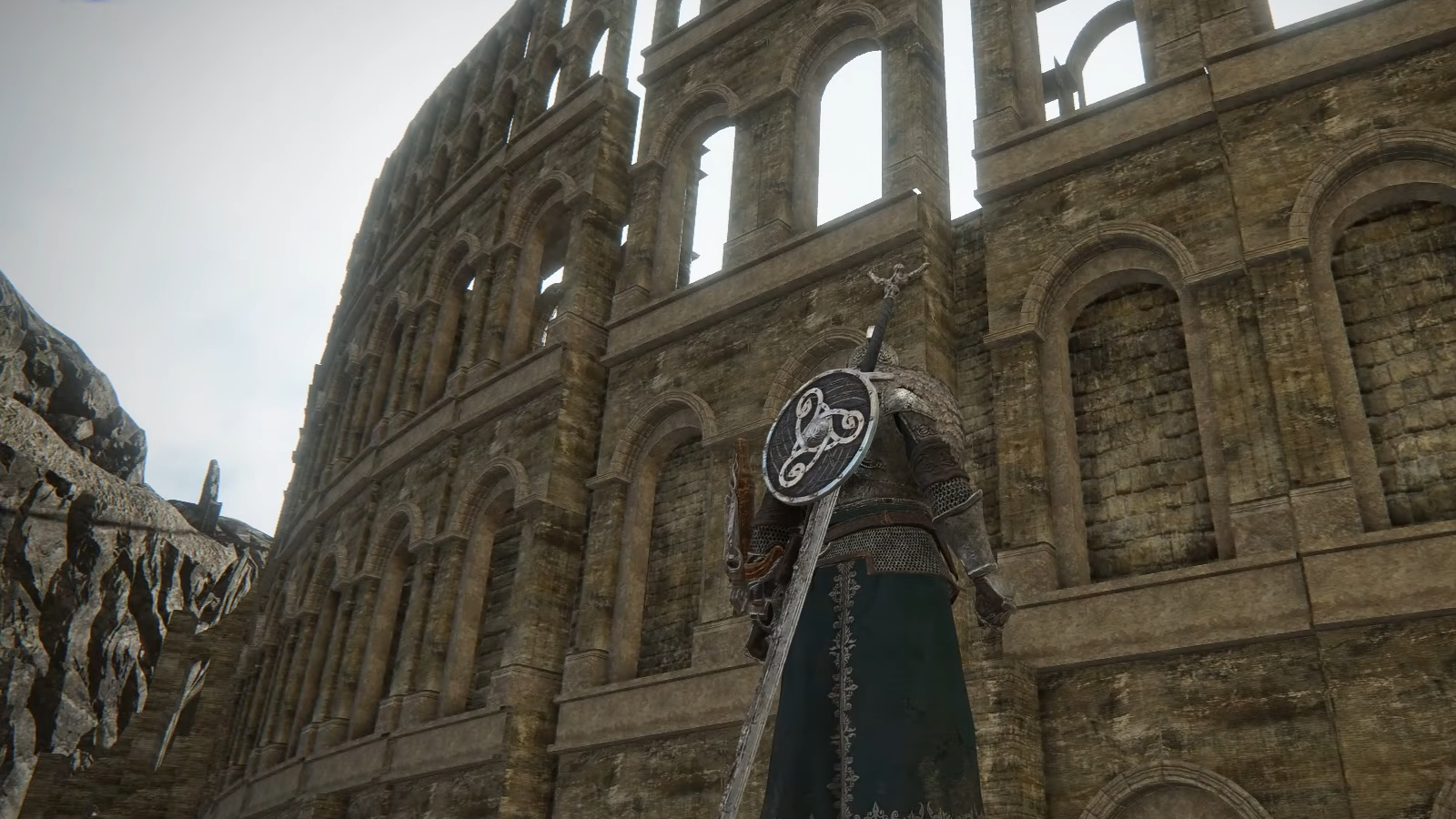
A dedicated dataminer and content creator known as Doneda has uncovered yet another breathtaking piece of cut content from Dark Souls 2, shedding fresh light on the ambitious, chaotic development history behind FromSoftware’s most divisive action-RPG. The newly showcased files reveal a massive, towering coliseum map and intricate structural geometry that never made it into the final 2014 release, adding to a growing portfolio of archival discoveries that continue to captivate the Souls community over a decade after the game’s launch.
Doneda has rapidly established themselves as a leading authority on Dark Souls 2 game files, utilizing their technical expertise to unearth and showcase long-forgotten levels that exist only as dormant code within the game’s architecture. Prior to this latest revelation, the dataminer made waves by constructing a Nightreign-compatible version of the game’s iconic Frozen Eleum Loyce region, allowing players to experience the DLC zone in a completely new context. Doneda also previously unmasked a tantalizingly ambitious early version of Dark Souls 2‘s labyrinthine Gutter sewers, giving players a stark look at how different the game’s early vertical slice architecture was compared to the final product.
This latest discovery—showcasing the majestic scale of a monumental coliseum complete with towering walls, sweeping arenas, and intricate verticality—serves as a poignant reminder of what might have been. The sheer architectural scope of the unused map has left many fans nostalgic for the myriad conceptual directions FromSoftware explored before scaling the project back for release. However, looking at the wider context of the studio’s output, it is increasingly viewed as a small miracle that Dark Souls 2 managed to cross the finish line as a cohesive experience at all.
When examining FromSoftware’s historical output from the pre-Sekiro era, a clear pattern emerges: the studio’s legendary action titles were frequently defined by notoriously difficult, rushed, and turbulent development cycles. Demon’s Souls, the foundational blueprint for the entire genre, saw director Hidetaka Miyazaki step in partway through production as development severely faltered. Even with his intervention, the final game shipped with an entire archstone world missing entirely from the experience.
Similarly, the original Dark Souls famously suffered in its back half, with regions like Lost Izalith bearing the unmistakable scars of a rushed production timeline and tight publisher deadlines. Even Dark Souls 3, which benefited from a vastly more consistent and polished production than its numerical predecessors, had major systemic features left on the cutting room floor—including a striking, dynamic world-state and time-of-day system that was completely struck from the game at some point during its alpha phase.
Even when measured against this backdrop of troubled or constrained studio histories, Dark Souls 2 stands out as having endured a uniquely difficult path to release. While the game was in production, creative wunderkind Hidetaka Miyazaki was heavily occupied elsewhere, serving as the director for Sony-backed PlayStation 4 exclusive Bloodborne. This left a different directorial team at FromSoftware to steer the ship, leading to an ambitious sequel that attempted to reinvent core mechanics. Dark Souls 2 introduced a divisive new combat feel, adjusted iframe logic, and implemented a controversial hit-detection system unlike anything the studio had created before or has attempted since.
Beyond mechanical shifts, early promotional trailers, promotional materials, and deeply buried cut content point to sweeping story rewrites, altered character arcs, and dramatically restructured world layouts. These foundational changes compounded the intense fan backlash that erupted when the final game was released in 2014, notably featuring a significant downgrade in lighting and graphical fidelity compared to its early vertical-slice trailers. While the visual downgrade eventually became an accepted talking point in the community’s historical memory, the discrepancy was a major point of contention for players upon the game’s initial debut.
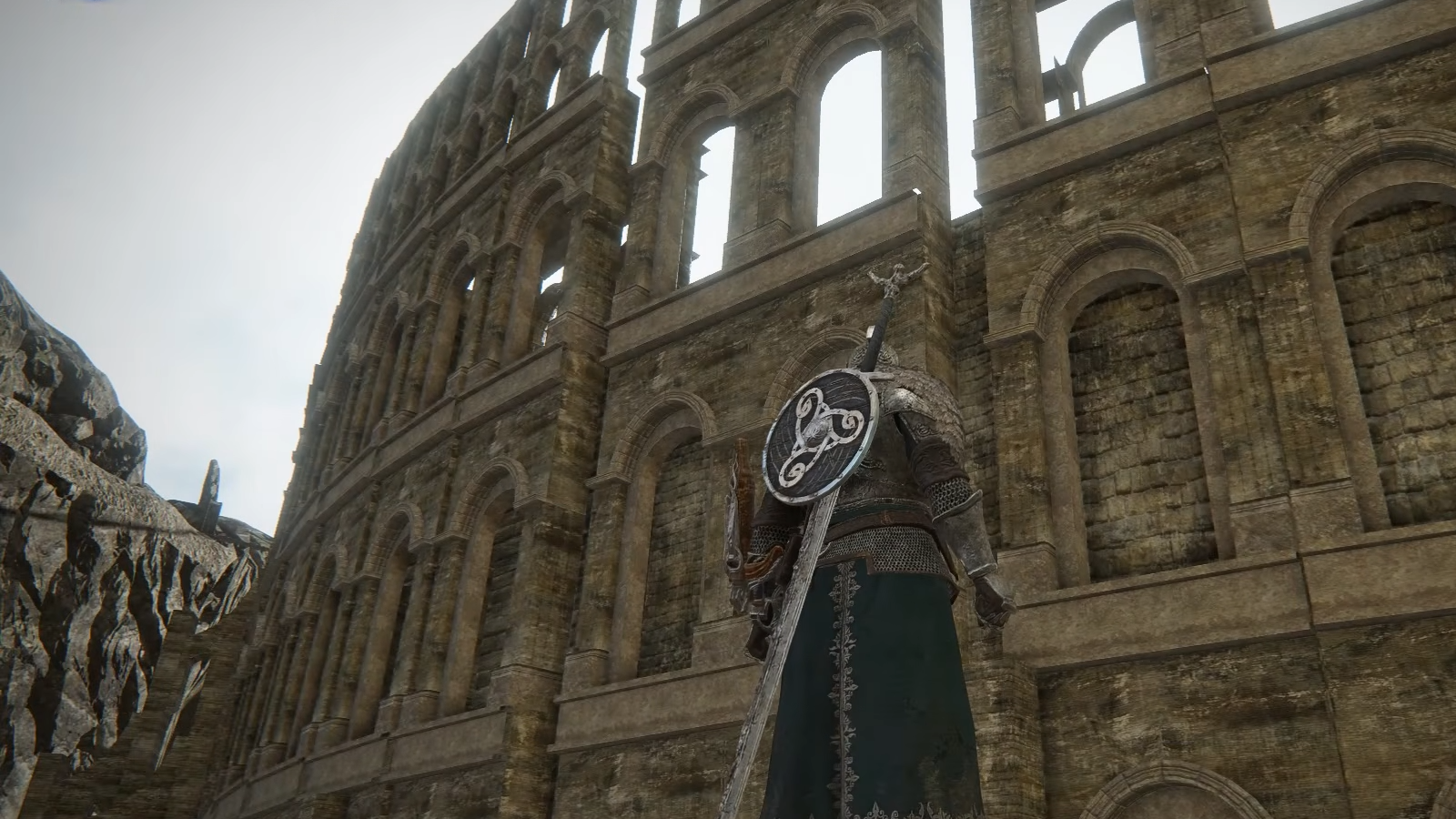
All of this historical context makes it unsurprising to find vast quantities of prototype assets, unused geometry, and orphaned maps lingering silently within the game’s files. The sheer majestic scale of the newly revealed coliseum map evokes a powerful sense of wonder, making modern players wistful for the alternate iterations of Dark Souls 2 that never saw the light of day.
Questions inevitably remain regarding where this massive complex was originally intended to fit within the broader geography of Drangleic, or how it connected to the overarching narrative threads of early development builds. Yet, given the extensive rewrites the game underwent, the specific iteration of the story that this coliseum corresponds to would likely prove entirely unrecognizable to modern players. Because of these sweeping mid-development overhauls, a complete, definitive accounting of every oddity hidden away in the game’s code may never be fully realized.