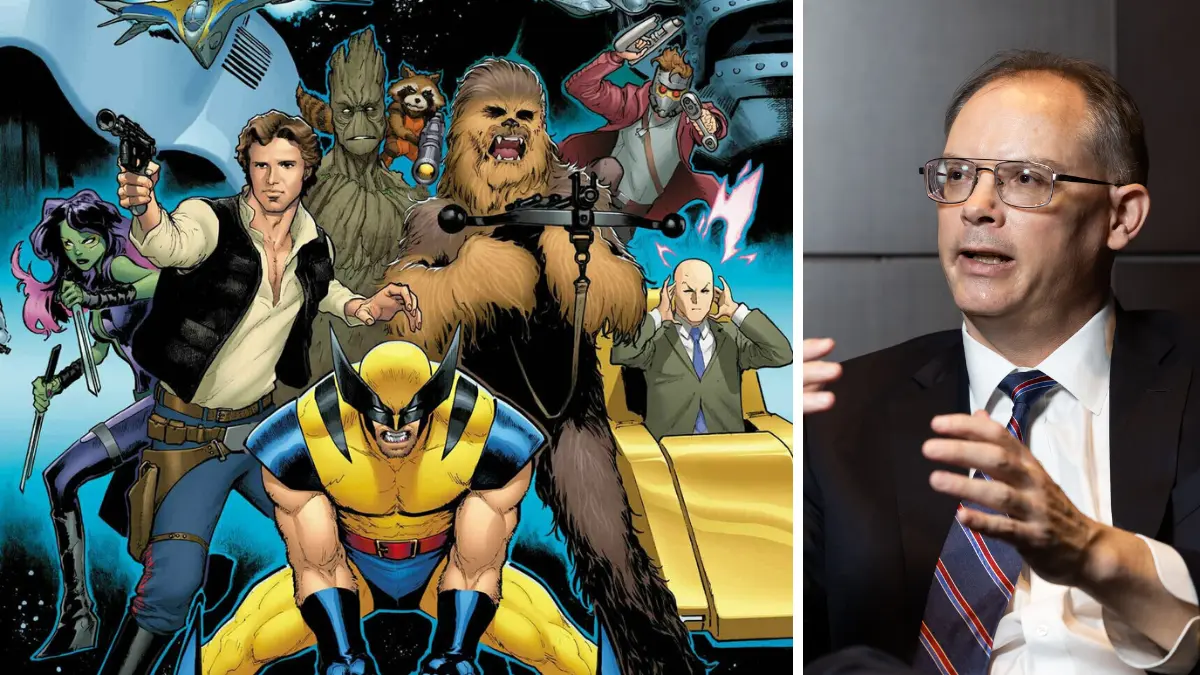
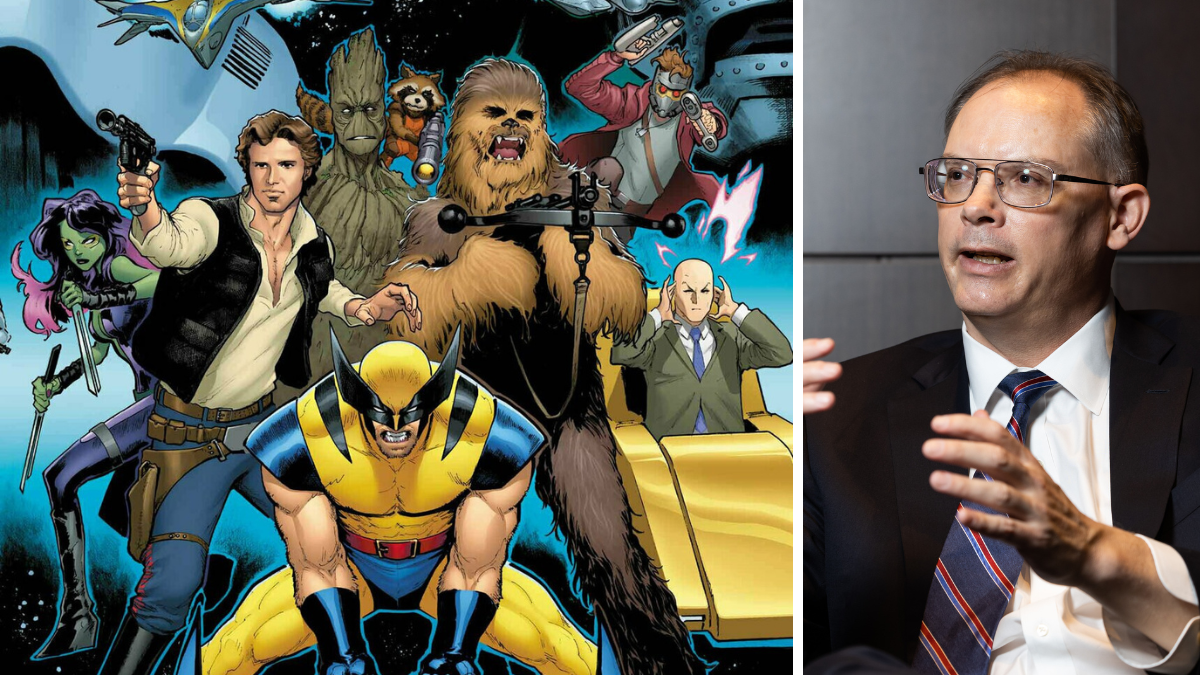
Epic Games has indefinitely delayed an unannounced shooter project featuring a crossover between Star Wars and Marvel, instructing its development teams to adopt an "AI first" approach moving forward. Staff working on the high-profile Disney collaboration were informed of the dramatic pivot last week. The project, which was internally slated for a release in March 2027, has now been pushed back with no new launch window provided.
According to internal communications detailed in recent reports, the production model shift is remarkably comprehensive. Developers have been directed to integrate an "AI first" pipeline using advanced tools, specifically citing systems such as Anthropic’s Claude. Furthermore, asset creation and art pipelines are reportedly shifting toward full artificial intelligence workflows, marking a significant departure from traditional game development methodologies for a project of this scale and intellectual property weight.
The sudden strategic pivot arrives during a challenging period for Epic Games. Earlier in the year, the company implemented massive layoffs, cutting over 1,000 employees from its workforce. At the time, CEO Tim Sweeney attributed the cuts to a broader downturn in console hardware sales, ongoing, costly legal battles with tech giants Apple and Google, and the mounting financial pressures of delivering consistent, engaging content seasons for its flagship title, Fortnite. Sweeney noted during the previous restructuring that the company had been spending significantly more capital than it was taking in, setting the stage for aggressive cost-cutting measures and a search for production efficiencies.
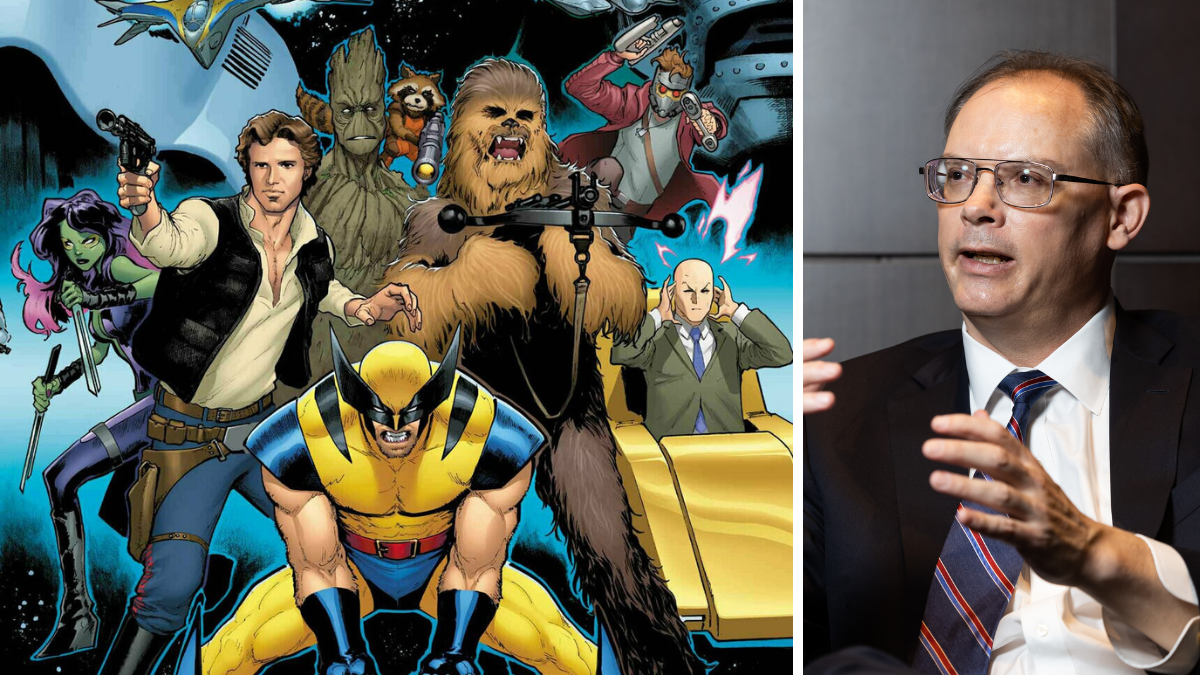
Following reports of the delay and the new production mandate, Sweeney took to social media to share his thoughts on the industry’s current trajectory and audience sentiment, touching on the idea that players often yearn for the simpler cultural climate of past years.
The intersection of generative AI workflows and massive, globally recognized intellectual properties like Star Wars and Marvel presents a fascinating and contentious experiment for the video game industry. On one hand, the visual styles of contemporary pop culture monoliths have arguably drifted toward a standardized aesthetic. Critics point out that the glossy, stylized look of modern digital entertainment—encompassing Fortnite, Pixar films, and various iterations of blockbuster franchises—already shares a homogenized visual language that some observers critically liken to algorithmic output.
Yet, the mandate to transition major game development pipelines toward AI-driven workflows highlights a widening philosophical chasm within the industry. While technology executives and corporate leadership frequently frame the widespread adoption of artificial intelligence as an inevitable evolution that skeptics and traditionalists will simply have to accept, developers and consumers alike have raised persistent concerns regarding job security, creative integrity, and the long-term impact on artistic expression. At the same time, the broader tech sector continues to grapple with internal warnings from researchers about the rapid, unchecked acceleration of artificial intelligence capabilities.
Despite widespread resistance from traditional gaming communities regarding AI-generated content, corporate history suggests that technological shifts often bypass consumer preferences through platform control and normalization. Industry observers note that major technology and entertainment corporations possess the infrastructure, market dominance, and ecosystem control necessary to gradually acclimate audiences to new industry standards, regardless of initial pushback. Similar resistance greeted the rollout of algorithmic social media feeds, engagement metrics like "likes," and radical shifts in digital media consumption habits, all of which eventually became inescapable norms of daily digital life.
As Epic Games presses forward with its new directive, the indefinite delay of its ambitious Star Wars and Marvel crossover underscores the profound transformations currently sweeping through major game studios. Whether this high-stakes bet on artificial intelligence production workflows will successfully navigate the complexities of blockbuster game development or encounter further friction remains to be seen as the industry watches how this unprecedented experiment unfolds.