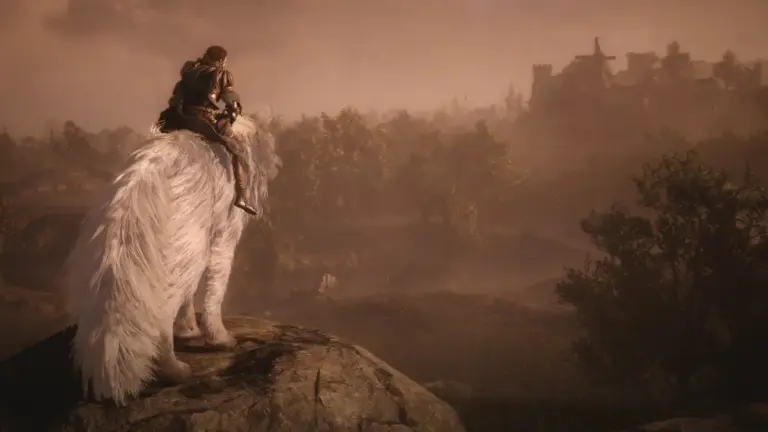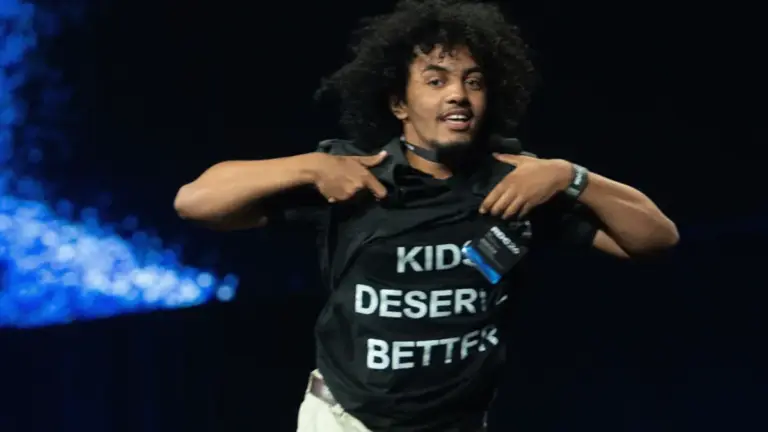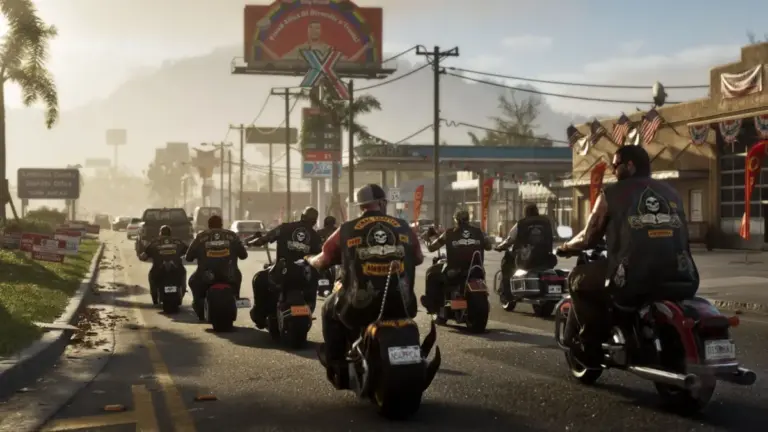
For a generation of millennial gamers, "old Blizzard" remains a haunting concept—an idealized, almost mythical version of the Irvine, California-based developer that is widely remembered as more competent, creatively daring, and deeply connected to its community than the modern-day Microsoft subsidiary. For those who still harbor a deep nostalgia for the studio’s golden era, BlizzCon felt like a surprising nod to those bygone days, at least in terms of sheer ambition and scale. Across the convention floor, developers rolled out a heavy-hitting slate of major announcements, including World of Warcraft: Forever, Diablo 5, and an ambitious open-world shooter set within the expansive universe of StarCraft.
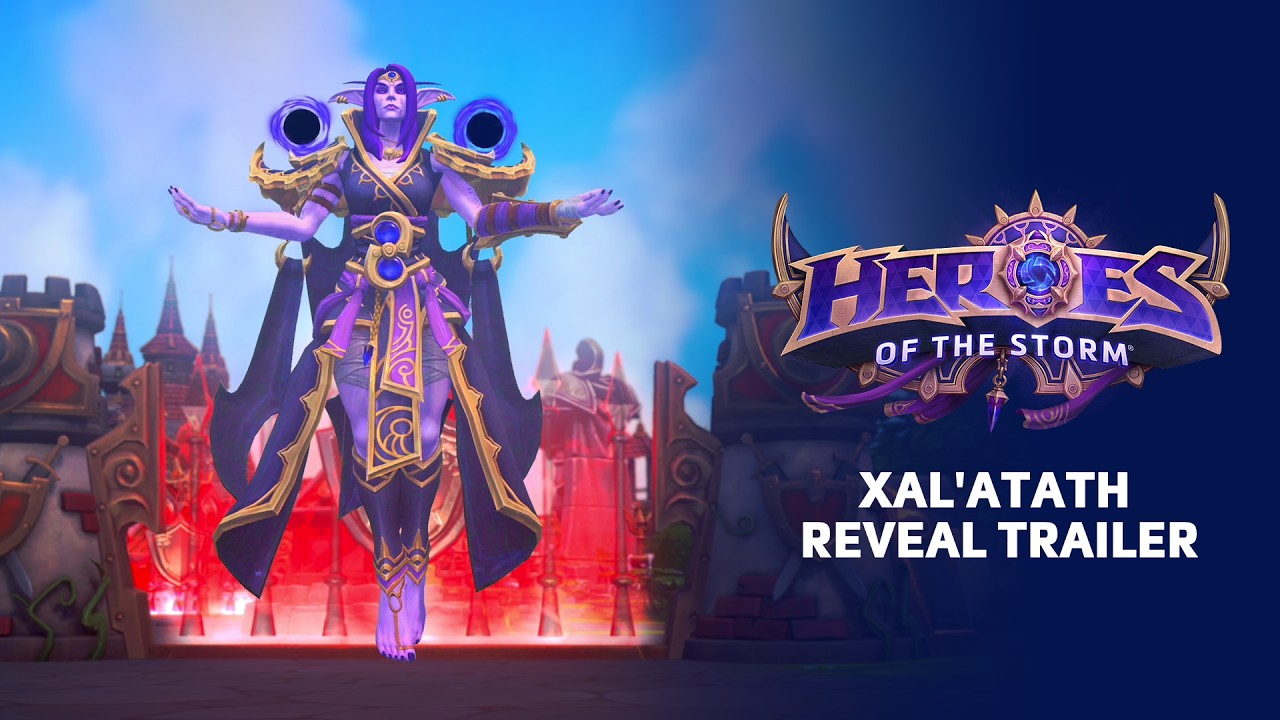
Yet, for many devoted followers, the most emotionally resonant moment of the entire weekend happened not during a blockbuster triple-A reveal, but during the very first presentation on stage. Blizzard President Johanna Faries took to the podium, only to be met with a notably tepid audience response when she announced that Heroes of the Storm—the studio’s niche multiplayer online battle arena that had been quietly relegated to bare-bones maintenance mode back in 2022—was finally waking from its slumber to welcome the major World of Warcraft villain Xal’atath as a brand-new playable character.
Blizzard undoubtedly drafted dozens of iterations of its stage presentation leading up to the convention. Studio executives and marketing teams would have been fully aware that announcing the first new hero for Heroes of the Storm in six years would barely register on the broader public radar when stacked against a massive slate of brand-new sequels and major expansion packs. Given that stark reality, it is difficult not to wonder whether leading with Heroes of the Storm was merely a quirk of show sequencing or a conscious, deliberate choice carrying a deeper message.
In the modern video game industry, sunsetting games that fail to meet strict commercial benchmarks is a widespread and pragmatic business practice. From a purely financial perspective, any prolonged community backlash over Heroes of the Storm being quietly put on ice could easily be dismissed by industry analysts as unrealistic or entitled. After all, the servers were kept running, even if active content creation ground to a complete halt.
At the same time, players did not need to be hardcore competitors with hundreds of hours invested into the MOBA to understand a broader sense of betrayal. Blizzard may not have actively participated in every aspect of the mythmaking surrounding its culture during its peak glory days, but the company certainly basked in the public perception that it shared a uniquely honorable relationship with its fanbase. Even as the corporate structures shifted and ownership changed hands over the years, a segment of the community continued to believe in an implicit pact: that the developer would never truly give up on a game before its community did.
By abruptly resuming active development for Heroes of the Storm, Blizzard seemed to be signaling that this traditional standard is one the studio still aspires to live up to. Even so, that renewed commitment comes with clear boundaries. There are no expansive multi-year roadmaps or grand promises regarding the long-term future of the MOBA. James Yen, affectionately dubbed the game’s "Janitor," has carefully managed his tone in subsequent interviews, intentionally focusing on "sustainability" and ensuring that an overenthusiastic wave of optimism does not get out of hand. Yet, for the time being, this cautious state of affairs has proven to be more than acceptable for the game’s dedicated player base. An air of optimism that has been missing for years has returned, with players even experiencing a nostalgic rush reminiscent of the early days of World of Warcraft Classic as they take to online forums to complain about how overtuned Xal’atath happens to be right out of the gate.
Even in the traditionally more critical and harder-to-placate corners of the Blizzard fandom, the convention provided genuine reasons for cautious optimism regarding the studio’s treatment of its older catalog. Warcraft 3: Reforged, for instance, suffered a notoriously disastrous launch back in 2020. At the time, gamers sharply criticized the quality of the remastered graphics, the glaring lack of essential multiplayer features, and a pervasive feeling that the product had been rushed out the door before it was fully ready.
To its credit, Reforged has steadily received a series of targeted updates in the years since that rocky debut. That steady remediation ultimately culminated in a major surprise over the BlizzCon weekend with the release of Forsaken Kingdom—a brand-new, full-length downloadable content campaign for the strategy classic.

While the reception has not been entirely uniform—some players expressed sticker shock regarding the $30 price point, and lingering complaints from the original launch may be impossible to fully resolve—the general consensus points toward a positive shift. Setting aside the ongoing divide between ultra-traditionalist competitive PvP players and casual fans who primarily follow the narrative, most of the community seems to agree that receiving an entirely new campaign for a 24-year-old real-time strategy classic is an undeniably impressive milestone.
On the other hand, franchises like Diablo demonstrate precisely where this newfound corporate care for legacy games hits a hard ceiling. Shortly before the highly anticipated release of Diablo 4 in 2023, Diablo 3 was placed into an unofficial maintenance mode, with active content development winding down to zero. While massive updates for Diablo 2: Resurrected, Diablo Immortal, and Diablo 4 have rolled out steadily to celebrate the sprawling franchise’s 30th anniversary, the complete absence of any fresh content for Diablo 3 has been glaringly conspicuous. This omission stands out all the more given that Blizzard itself has frequently lauded the game’s remarkable staying power, noting that it continues to retain millions of active players.
Presumably, corporate fears regarding user cannibalization have kept the vast majority of resources for the mainline series strictly channeled into Diablo 4 and future installments like Diablo 5. From a purely financial standpoint, that decision aligns with traditional corporate strategy. However, given that World of Warcraft continues to support multiple distinct versions and expansions concurrently, it remains puzzling to some why Blizzard is seemingly so averse to letting Diablo fans sample a wider variety of ongoing content across different generations of the same franchise.
The most cynical interpretation of these mixed developments is that nothing fundamental has truly changed at Blizzard, and that its highly selective decisions regarding which old games receive new content are simply the direct result of cold cost-benefit analyses. Under this view, projects are only revived if they pass rigorous financial filters, ensuring maximum return on investment for corporate shareholders.
Yet, even without an insider’s view of internal corporate spreadsheets, it remains difficult to imagine a world where a high-level decision-maker looked at greenlighting a single new hero for an abandoned MOBA and concluded it was a guaranteed profit-maximizing investment or a transformative public relations masterstroke. Instead, it appears that narrow, fleeting opportunities for the studio to embrace its legacy have occasionally materialized, and when the stars align, developers harboring a genuine, deep-seated passion for these specific franchises have been positioned to seize them.
The old Blizzard that longtime fans yearn for may never truly return, and the modern corporate reality ensures that every move will be heavily scrutinized. Even so, there remains a beating heart at the core of the development teams, and for players devoted to these virtual worlds, there is always the hope that a little oxygen might eventually find its way back to the game they love.