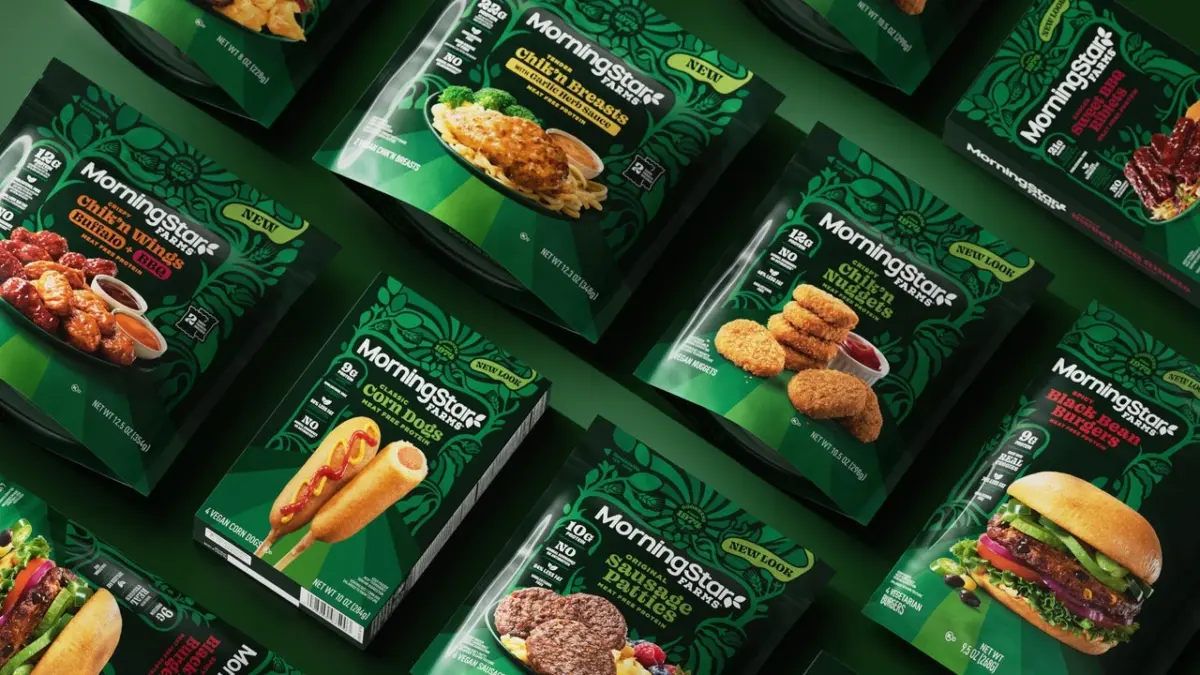
The plant-based meat category has spent the last several years fighting an uphill battle in a cultural climate that has increasingly turned everyday food choices into political statements. In response to this challenging environment, MorningStar Farms—one of the oldest and most established players in the meat alternative space—has launched a comprehensive brand overhaul. The move serves as a deliberate reminder to consumers that plant-based options are nothing new, and that the heritage brand has no intention of going anywhere despite broader industry headwinds.
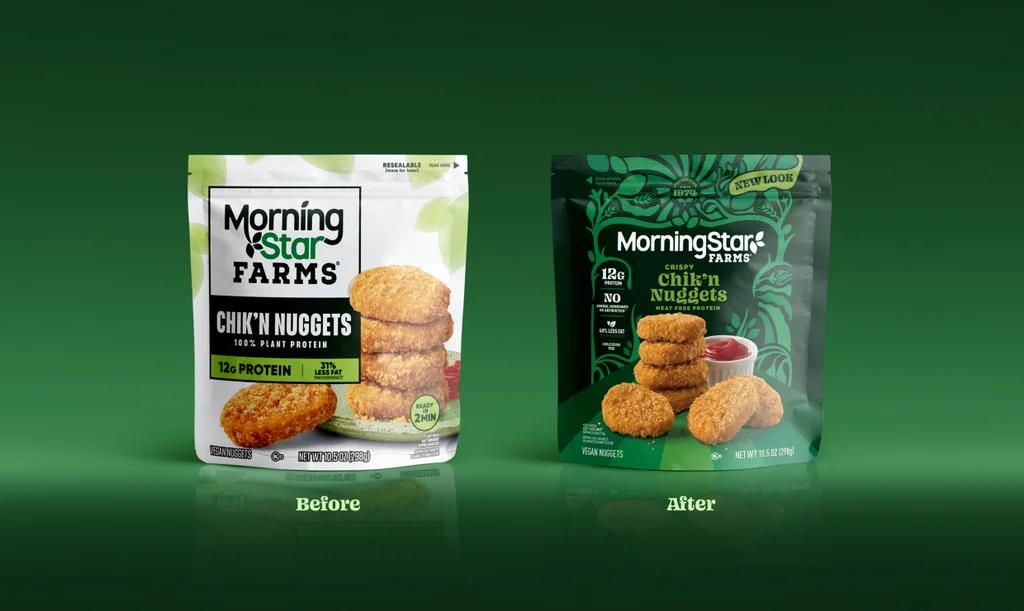
Founded in 1974 long before "plant-based" became a distinct category in the frozen food aisle, MorningStar was eventually acquired by Kellogg (now Kellanova) in 1999. Over the last several decades, the brand has steadily expanded its footprint far beyond basic offerings, evolving from early staples like Bacon Strips and Sausage Patties into more adventurous products such as Korean BBQ Riblets and Buffalo Chik’n Patties. To cement its place in modern grocery aisles, MorningStar partnered with the design agency Design Bridge and Partners to roll out a vibrant new rebrand. The updated visual identity features fresh typography, a dynamic green color palette, and a nostalgic retro look designed to pay homage to its deep heritage while instantly capturing consumer attention on crowded supermarket shelves.
MorningStar’s visual refresh arrives at a deeply fraught and uncertain moment for the broader meat alternative industry. Major market competitors like Beyond Meat and Impossible Foods have spent recent years grappling with sharply declining revenue—financial pressures that both brands have attempted to counteract through their own dramatic rebrands and formula updates. Meanwhile, smaller independent players, such as vegan chicken nugget startup Nowadays, have been forced to cease operations entirely as sales across the sector continue to slump. At the same time, fake meat has unexpectedly transformed into a primary flashpoint in a wider cultural war. It has become deeply symbolic of a climate-friendly, progressive movement that has found itself largely drowned out by a resurgent, pro-meat cultural current.
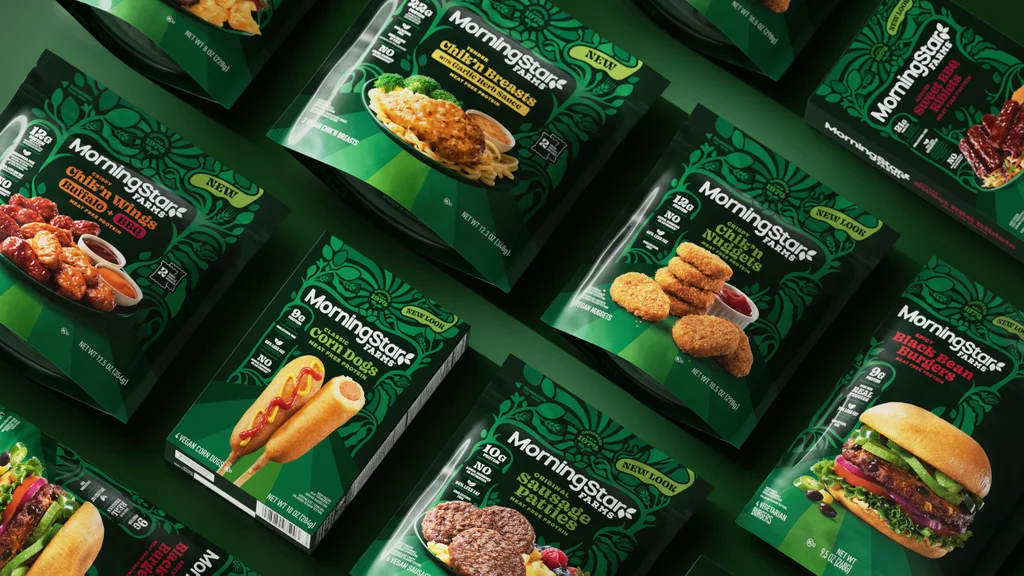
Despite the intense political and economic turbulence surrounding the sector, MorningStar Farms’ new brand identity appears distinctly uninterested in taking sides in the broader ideological debate over fake meat. Instead, the company is leaning directly into its impressive 52-year history in the business to deliver a simple, grounding message: Plant-based alternatives have been a fixture of American diets for decades, and they do not have to be viewed as unfamiliar, intimidating, or politically charged.
How Fake Meat Turned Into a Political Flashpoint
The current struggles of the plant-based sector stand in stark contrast to its trajectory just a few short years ago, when alternative meat was widely celebrated as a rapidly growing category and an absolute darling of Wall Street and venture capitalists alike.
In 2019, the stock of Beyond (then operating as Beyond Meat) achieved a historic milestone when it hit an all-time high of $234 per share. Just three years later, the company secured a high-profile partnership with fast-food giant McDonald’s to introduce a meat-free burger called the McPlant, signaling widespread mainstream adoption. At the same time, high-end culinary institutions were eagerly embracing the trend; notable restaurants like New York City’s acclaimed Eleven Madison Park famously removed animal meat from their menus entirely to transition to a fully plant-based fine-dining experience. By the close of 2022, Impossible Foods reportedly managed to more than double its retail sales, cementing optimism that the category was on an irreversible upward trajectory.
Today, however, the financial and cultural landscape looks drastically different. Beyond’s stock price has plummeted significantly, falling to around $8 per share—marking a devastating 88% year-over-year decline. The company ultimately closed out 2025 with a steep 19.7% revenue slump, reflecting persistent consumer hesitancy. Furthermore, once-prominent partnerships have quietly dissolved; the McDonald’s McPlant initiative is effectively dead in the water, and Eleven Madison Park reversed course by adding meat back onto its menu. Acknowledging the shifting tides at the Semafor World Economy summit, Impossible Foods CEO Peter McGuinness candidly admitted to industry leaders that plant-based meat was simply "not in vogue right now."