Elon Musk has announced another major identity shift for his aerospace-integrated technology operations, declaring that his newly formed artificial intelligence division will officially drop the "AI" label in favor of "SI," representing "super intelligence."
"No more AI. SI, it’s better," Musk wrote in a post on X, formerly Twitter, signaling a departure from conventional tech terminology that aligns with recent federal directives and evolving linguistic trends among high-profile political and industry figures.
The decision arrives in the wake of an exchange on X, where a user asked Musk if he planned to follow a public suggestion made by President Donald Trump. The President had recently urged Silicon Valley leaders to move away from the term "artificial intelligence" and adopt "super intelligence" instead, arguing that the standard terminology carried unwanted connotations.
"Artificial intelligence sounds fake," Trump remarked following a September state dinner with Chinese President Xi Jinping. According to the administration, the Chinese leader also appeared receptive to the nomenclature adjustment, seeing value in updating how advanced computational systems are described on the global stage.
Trump’s public commentary was quickly followed by formal administrative action. On September 29, the White House signed an executive order titled "Inaugurating the Era of Super Intelligence," directing federal agencies to systematically replace all references to artificial intelligence with "super intelligence" across government documentation and communications.
While the administrative push is recent, the concept of superintelligence is far from novel for Musk, who has engaged with the philosophical and existential implications of advanced machine cognition for over a decade. In 2014, Musk frequently referenced Superintelligence: Paths, Dangers, Strategies, a seminal book by Oxford philosopher Nick Bostrom that explored recursive digital intelligence and its potential to outpace human capabilities.
At the time, Musk voiced concerns about the trajectory of the technology on social media, questioning whether humanity was merely acting as a biological stepping stone for digital evolution. Bostrom’s work heavily influenced early Silicon Valley discourse surrounding existential risk, and the author notably thanked Musk in the acknowledgments of his book for his early engagement with the subject.
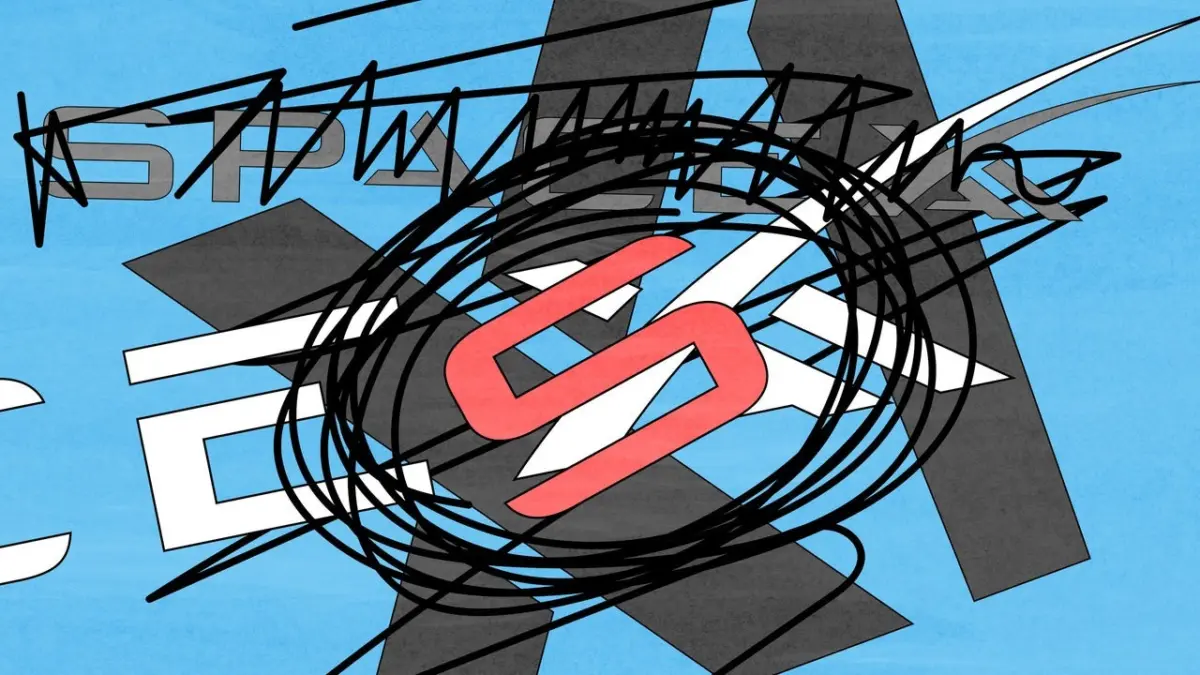
The latest rebranding initiative comes barely three months after Musk restructured his artificial intelligence startup, xAI, folding it directly into SpaceX to create a unified division initially dubbed SpaceXAI in July. That corporate integration resulted in a distinctive and widely criticized visual identity, which grafted a condensed, slanted "AI" appendage beneath the characteristic rocket trail of the primary SpaceX logo. The design drew immediate mockery from critics and observers, with even Grok, the conversational assistant developed by Musk’s enterprise, openly critiquing the awkward wordmark.
Trump’s critique that the word "artificial" evokes notions of something counterfeit or hollow highlights a deeper marketing challenge that Silicon Valley executives have increasingly been forced to confront. Over recent years, the initial optimism surrounding consumer technology has been heavily overshadowed by mounting public skepticism and fatigue. To a large portion of the global public, the initials "AI" have accumulated significant brand baggage, becoming synonymous with widespread controversies.
These grievances span multiple industries and societal concerns, ranging from workforce displacement and the threat of widespread job obsolescence to the staggering environmental footprints required to power modern data centers. The technology has faced intense scrutiny over its immense energy consumption, heavy water usage for cooling infrastructure, creative strip-mining of copyrighted artistic and literary works, and an overwhelming influx of low-quality digital content often referred to as online slop.
Whether transitioning from artificial intelligence to super intelligence can successfully reshape public perception remains a subject of debate among industry analysts. Critics argue that a simple linguistic pivot cannot wholesale launder the reputation of a technology facing structural environmental and economic pushback. However, marketing professionals note that while "artificial" carries connotations of being manufactured or insincere, "super" evokes notions of limitless capability and grandeur. By reading the public mood and recognizing widespread weariness toward conventional tech branding, leaders are shifting their terminology to pitch a more ambitious narrative.
Beyond the broader cultural and political implications, the pivot offers an immediate, practical benefit for Musk’s corporate design teams: a swift departure from the widely criticized SpaceXAI logo. Whether configuring the new "SI" acronym underneath the iconic rocket trail will yield a more aesthetically pleasing brand identity remains to be seen, though industry observers suggest it would be difficult to produce a visual outcome less popular than its predecessor.