Jane Doe.
Across social media platforms, people are posting in solidarity with the young woman implicated in a sexual assault case that has horrified the country and sparked intense debates regarding institutional accountability, student safety, and the darker side of online discourse.
The details of the case are chilling and have ignited widespread public outrage. In 2024, seven men, who were students and members of Cornell University’s Chi Pi fraternity, allegedly drugged and assaulted a 20-year-old woman. In the aftermath of the harrowing incident, institutional consequences were remarkably sparse. Reportedly, only two of the men were expelled from the university, while others were merely required to write an essay as a form of disciplinary punishment.
Two years after the alleged events took place, the young woman took legal action by filing a civil lawsuit against Cornell University, the fraternity, and her own sorority. In the court filings and public documents, she is anonymously identified as “Jane Doe” to protect her privacy and safety as she navigates the traumatic aftermath of the alleged assault and the subsequent legal proceedings.
As the news spread rapidly across social media in the last week—following Cornell’s student newspaper breaking the story—the typical, often toxic dynamics of online discourse quickly ensued. Many internet users have taken to various social media platforms to voice their profound concerns, anger, and shock over what is now widely being called the “Cornell Seven” case. However, alongside expressions of support and outrage, a darker element emerged: others began using online platforms in an aggressive attempt to dox Jane Doe, seeking to uncover and broadcast her real identity to the public.
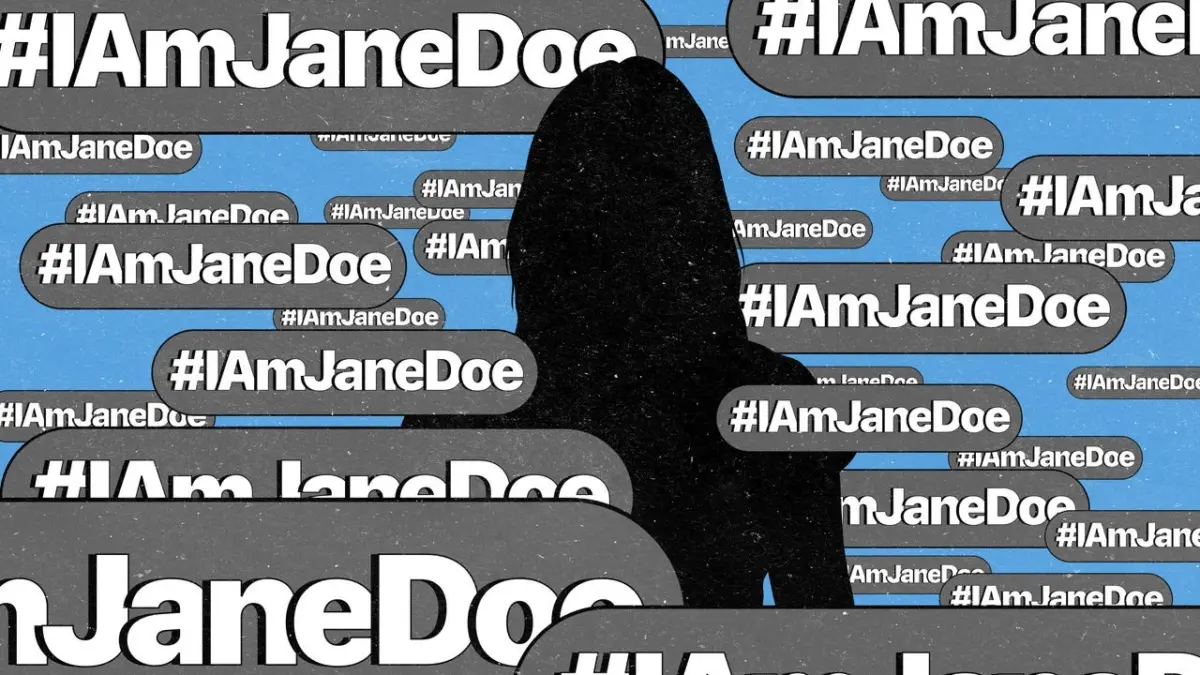
Yet, these concerted efforts to uncover and expose the victim’s identity have instead fueled a unique and powerful movement of digital resistance. The malicious attempts to find her have led users on platforms like TikTok, Threads, and X to turn what started as a digital witch hunt into a collective action of profound solidarity.
In a clever manipulation of the social media algorithms, users across multiple platforms have begun flooding timelines and feeds with posts from each user claiming to be Jane Doe themselves. By multiplying the identity of the victim across thousands of accounts, digital activists and everyday internet users are effectively creating a smokescreen of shared identity, making it nearly impossible for bad actors to isolate, identify, or target the actual survivor. This organic campaign has transformed the digital landscape surrounding the case, turning a potential vector for harassment into an unprecedented shield of collective protection.