For serial entrepreneur Sam Terris, childhood memories are deeply rooted in the physical world. Growing up in Concord, Massachusetts, Terris spent countless hours roaming the dense, winding woods surrounding Walden Pond. Away from the watchful eyes of parents, he and his neighborhood friends would pass the hours exploring the outdoors, far removed from digital distractions.
"We were really bored kids, so we had to invent games and activities to keep ourselves stimulated," Terris recalls. Looking back, he views those unmonitored hours of unstructured play as a foundational element of his upbringing. "I think that was a really important part of development in my generation."
Today, however, recreating that kind of childhood is an uphill battle. Terris, who previously cofounded the plant-based nugget brand Nuggs, recently welcomed a baby of his own. Over the past few years, he has spent much of his time trying to figure out how to give his son the same sense of freedom, autonomy, and organic outdoor exploration that defined his own early years.
The challenge is formidable. Modern children spend a remarkably small fraction of their time on their own, yet they possess unprecedented, open-ended access to the digital world. The cultural shift away from independent outdoor play toward hyper-connected screen time has become a defining trend of modern parenting. A striking 2025 Harris Poll survey of 500 children aged 8 to 12 revealed that an overwhelming 62% had never walked or biked anywhere without an adult present.
At the same time, children are consuming media and spending hours on screens at rates higher than ever before in human history. This convergence of disappearing physical independence and ubiquitous digital immersion has culminated in a cultural tipping point. Parents are growing increasingly anxious, skeptical, and wary of the profound psychological impact that modern technology and consumer electronics are having on their developing children.
Public scrutiny of big tech companies has reached an all-time high. Just last month, Meta agreed to pay up to $17 billion to settle sweeping legal claims brought by 51 states. The states argued that the tech giant deliberately and systematically engineered its applications to be psychologically addictive to children and teenagers, capitalizing on young users’ vulnerability for corporate gain.

Despite these mounting concerns, Terris does not subscribe to the belief that technology is inherently harmful or evil for children. Instead, the root of the problem lies in the deliberate architecture of modern smartphones and social media platforms. These products are meticulously designed to capture attention, maximize screen time, and foster compulsive habits.
This realization prompted a fundamental question: What if technology could be purposefully designed with the opposite intent? What if a device could be built not to exploit children’s attention spans, but rather to help them develop real-world independence, build meaningful face-to-face relationships, and stay safe while navigating their neighborhoods?
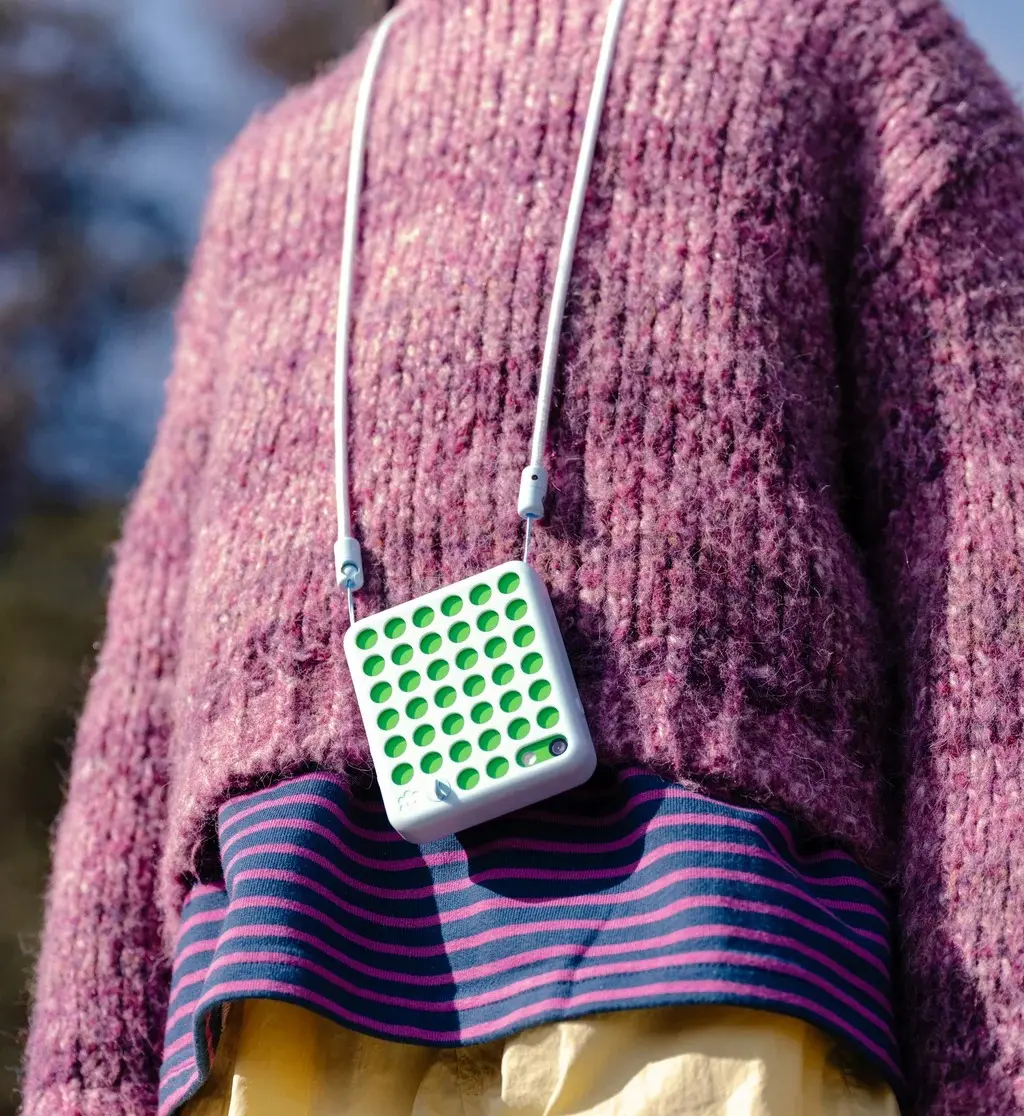
To answer that question, Terris is launching a new hardware device aimed directly at bridging the gap between modern safety concerns and traditional childhood freedom. The newly announced device, named Freckle, is a minimalist cellular phone tailored specifically for children aged 7 to 13. Retailing for $199 with a $25-a-month wireless service plan, the device deliberately strips away the addictive features that dominate the modern smartphone market.
Freckle features no web browser, no access to an application store, no social media feeds, and no YouTube. Instead, its communication capabilities are strictly bounded: children can only place phone calls and send text messages to contacts that have been explicitly vetted and approved by their parents.
Safety features are integrated directly into the device’s core architecture without turning the phone into an intrusive surveillance tool. Equipped with precise location tracking, Freckle allows parents to follow their child’s whereabouts on a digital map in real-time. Alternatively, parents can configure "safe zones"—such as home, school, or a neighborhood park—that trigger an automated alert only if the child departs from the designated boundary.
"You could choose to track their every movement," Terris explains, highlighting the flexibility of the platform’s design, "but you could also just trust the product to alert you."

The startup behind the device has already garnered backing from prominent venture capital figures. Freckle received strategic investment from Alexis Ohanian’s Seven Seven Six fund, signaling strong investor interest in the growing market for mindful, child-centric consumer technology. The device is currently available for preorder and is scheduled to begin shipping to consumers in December.
A Phone Kids Enjoy Using
While the primary mission of Freckle is to soothe parents’ anxieties and reclaim a sense of analog freedom, the hardware and software experience has been carefully calibrated to ensure that children actually want to use it. Striking a balance between parental peace of mind and child engagement was a central design priority.
The physical hardware departs sharply from the sleek, fragile, glass-and-aluminum aesthetic of modern flagship smartphones. Instead, Freckle’s physical form is soft, brightly colored, and covered in tactile, physical buttons that invite interaction. The device is built around a small, compact square touchscreen, keeping it manageable for smaller hands while discouraging the kind of endless, mindless scrolling associated with larger rectangular displays.
To encourage children to step outside and interact with the physical world rather than staring down at a feed, Freckle incorporates a unique feature dubbed the "Discovery Camera." This built-in tool is designed to identify real-world flora and fauna, including bugs, birds, and plants, and log them into an interactive digital sticker book.
"It sort of feels like Pokémon Go, but for real life," Terris says.