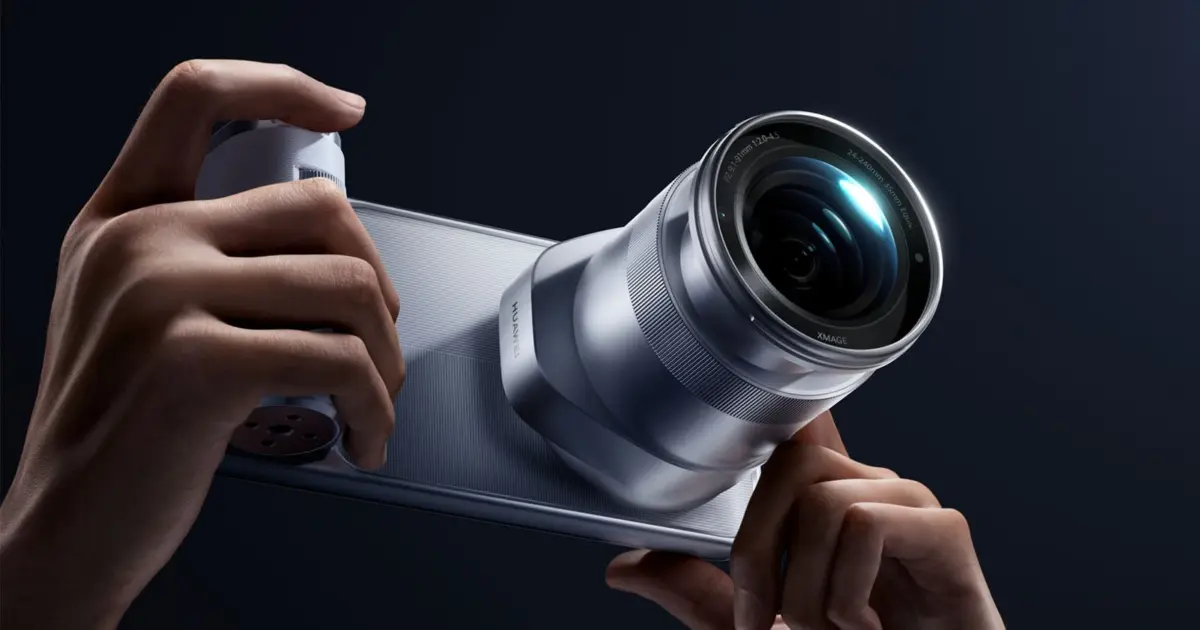
In a move that blurs the lines between dedicated digital cameras and mobile photography, Huawei has officially unveiled the Ruiying Z10 alongside its latest slate of high-end smartphones. While competing manufacturers like Vivo have recently introduced add-on teleconverter lenses—such as Zeiss-made optical attachments designed to extend a phone’s built-in reach—Huawei’s new offering takes a dramatically more ambitious approach. The Ruiying Z10 is not merely an attachment of glass; it is an entirely self-contained camera unit equipped with its own large image sensor and a versatile zoom lens.
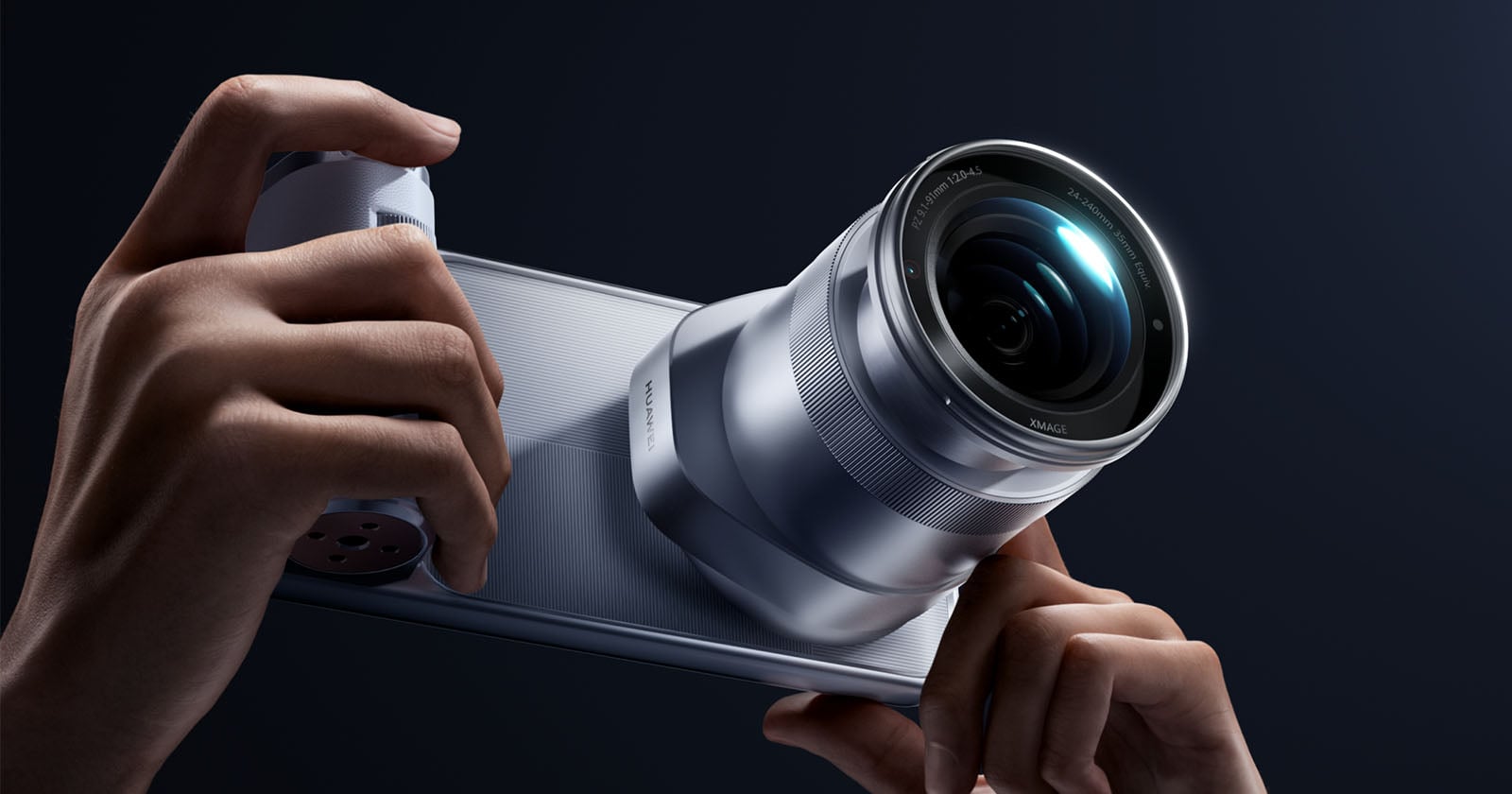
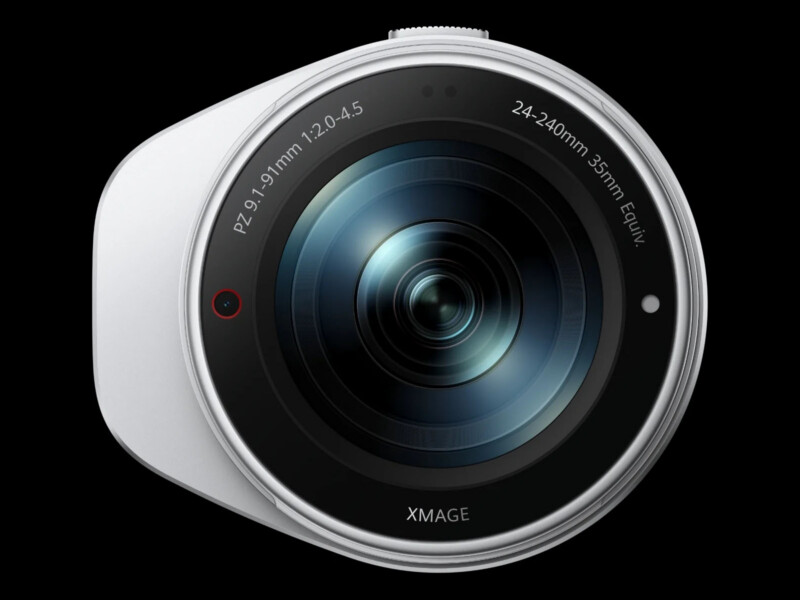
As industry reports have detailed, the Huawei Ruiying Z10 houses a Type 1 RYYB image sensor positioned directly behind a 24-240mm equivalent power zoom lens. Mechanically, the optic itself operates at 9.1-91mm before factoring in the device’s 2.6 times crop factor. This specific crop factor places the module in a territory very close to the familiar 2x crop factor found in traditional Micro Four Thirds digital cameras, offering photographers a familiar scaling framework when transitioning from standard shooting gear to Huawei’s new ecosystem.
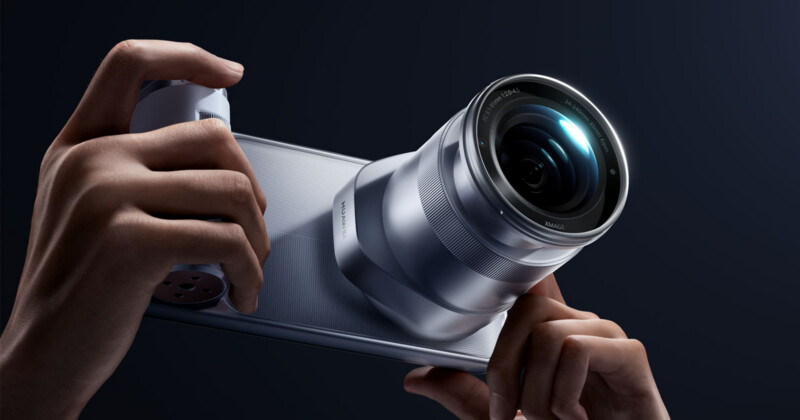
The engineering behind the Ruiying Z10 relies on a symbiotic relationship with the host smartphone. While the module depends entirely on the attached phone for its primary power supply and image processing capabilities, it functions independently as an optical system. Compatibility is currently restricted to two elite devices within Huawei’s Mate 90 series: the Mate 90 Pro Max Collector’s Edition and the Mate 90 RS, which serve as the company’s premier flagship slab phones.
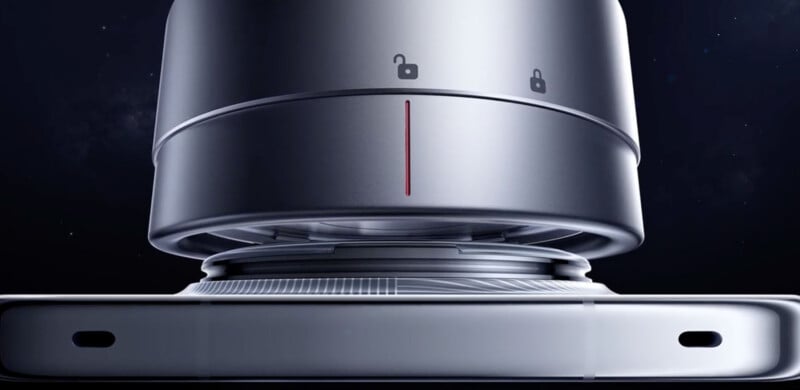
Unlike typical magnetic or slip-on smartphone filters and lenses, the Ruiying Z10 attaches to these specific handsets via a dedicated screw-on mount system. This mechanical connection closely mirrors the way interchangeable lenses are secured onto traditional digital single-lens reflex or mirrorless cameras. Once mounted, the module sits directly in front of the phone’s native camera array, yet it operates entirely autonomously from them, routing raw optical data through the phone’s advanced processing hardware.
This design philosophy represents a fascinating paradigm shift in mobile imaging. By packing the core components of a compact digital camera into an external module, Huawei is effectively offering users the physical performance and image quality of a dedicated point-and-shoot camera while retaining the computational photography benefits, connectivity, and pocketability of a smartphone. Naturally, this level of hardware integration comes with compromises in ergonomics and portability. The Ruiying Z10 adds significant size and weight to the phone profile, tipping the scales at nearly 350 grams by itself. However, because the unit can be easily detached, users are not forced to carry the extra bulk when traveling light—especially given that the native cameras on the Mate 90 RS and Mate 90 Pro Max are already exceptionally capable on their own.

The primary justification for the Ruiying Z10’s bulk lies in the undeniable laws of optical physics. No amount of software-based computational processing or artificial intelligence upscaling can fully replicate the light-gathering capacity, overall resolving power, and natural depth of field provided by a physically larger image sensor and a genuine, multi-element optical lens. Even the best built-in smartphone cameras struggle to match the optical fidelity of hardware designed explicitly to bend and focus light across a broader physical plane.

Furthermore, the lens system itself boasts impressive specifications. Spanning 19 individual elements organized across six distinct groups, the 10x zoom lens delivers smooth, step-less focal length adjustments across its entire 24-240mm equivalent range. This continuous fluidity is something fixed-focus or multi-camera smartphone arrays—which typically rely on jumping between distinct wide, standard, and telephoto modules—simply cannot replicate, resulting in seamless transitions whether a photographer is capturing wide landscapes or tight, compressed portraits.

Unsurprisingly, an accessory as sophisticated as the Ruiying Z10 carries a substantial price tag. Unlike simple optical teleconverters that consist solely of glass elements inside a metal barrel, the Z10 incorporates an entire auxiliary imaging pipeline. In the Chinese market, the Ruiying Z10 is priced at 5,999 RMB, which translates to nearly $900 based on current exchange rates. That investment alone matches or exceeds the retail cost of many entire smartphones currently available on the market, signaling that Huawei is targeting dedicated mobile photographers, enthusiasts, and professionals willing to pay a premium for uncompromising optical performance in a mobile form factor.