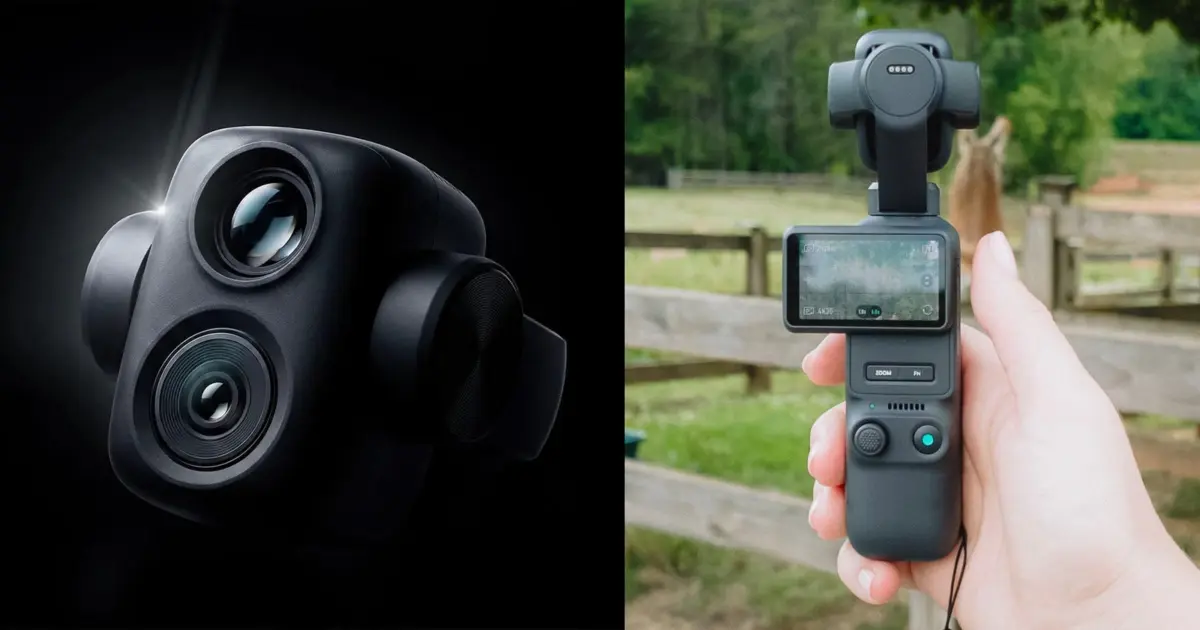
Camera and tech manufacturer Xtra has addressed frustrated customers on social media regarding the prolonged delays surrounding the much-anticipated Muse 2 and Muse 2 Pro gimbal cameras. In a recent statement posted to Threads, the company offered an apology to buyers who have been waiting indefinitely for the hardware to arrive on the market, attributing the sluggish timeline not to regulatory hurdles, but rather to an uncompromising commitment to product perfection.
The messaging, however, stands in stark contrast to the realities of the company’s current legal and regulatory battles in the United States. For weeks, Xtra has shared a steady stream of updates teasing that the Muse 2 and Muse 2 Pro are "coming soon," yet the brand has continually declined to provide concrete release dates or a transparent timeline.
Addressing the silence and growing consumer impatience, Xtra attempted to frame the delay as a virtue of strict manufacturing discipline in its Threads post.
"We know many of you are eager for an exact date. We promise we are testing and manufacturing around the clock to make MUSE 2 & 2 PRO accessible as fast as humanly possible! But until every single unit meets our zero-compromise standard, we won’t tease a speculative timeline," the company wrote.
Despite these assertions of ongoing internal refinement and testing, industry analysts and regulatory tracking point to an entirely different culprit behind the scenes. Xtra’s inability to establish a firm release schedule stems less from manufacturing flaws and far more from a high-stakes standoff with the Federal Communications Commission regarding the importation of technology tied to restricted Chinese drone and imaging giant DJI.
The regulatory scrutiny facing Xtra is part of a broader, aggressive government campaign targeting brands accused of bringing equipment associated with restricted DJI products into the U.S. market. Earlier in the regulatory cycle, the FCC proposed a $25,000 forfeiture against Xtra. Furthermore, the agency proposed prohibiting the continued importation and marketing of equipment originating from Xtra alongside several other associated companies. These regulatory measures form part of an ongoing administrative process rather than an immediate, all-encompassing blanket ban on every legacy item in Xtra’s catalog, but their chilling effect on new hardware launches has been profound.
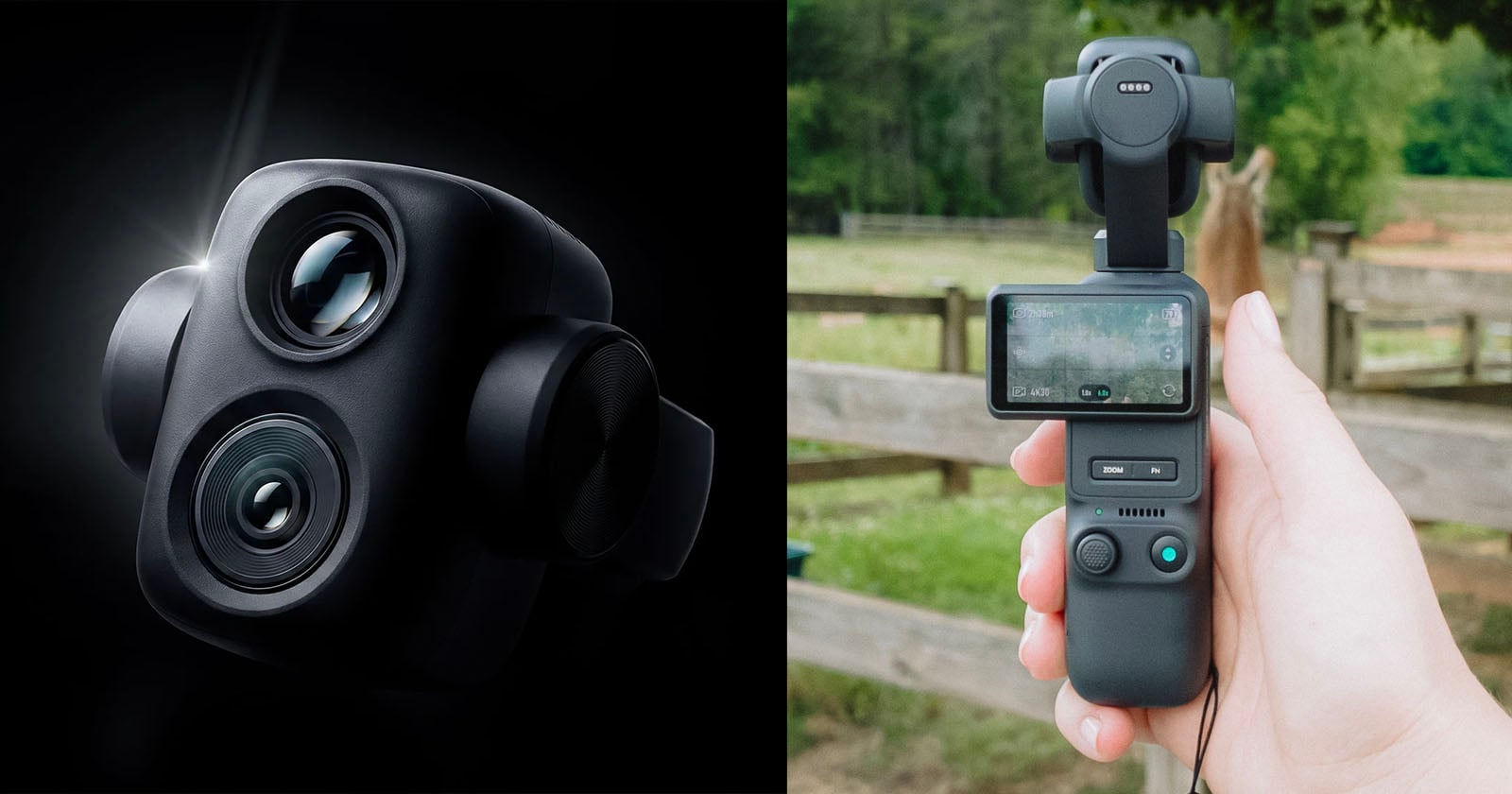
The friction between the company and American regulators has already forced operational concessions. Back in July, Xtra confirmed to industry publications that it was in active communication with the FCC regarding its operational status within the U.S. As a direct consequence of that regulatory limbo, the company initiated official refunds for customers who had previously placed early-access reservations for the Xtra Muse 2 Pro, acknowledging that it could not reliably confirm when—or if—a specific launch date would materialize.
Yet, the narrative pushed by Xtra’s recent marketing updates complicates the situation. Independent testing of the hardware tells a story that diverges sharply from the company’s claims of ongoing quality assurance adjustments. Reviewers who managed to secure rare examples of the Xtra Muse 2 Pro that successfully cleared customs and entered the United States have found that the camera is already fully finished, highly polished, and entirely functional, operating precisely as advertised without any glaring hardware or software defects that would necessitate a manufacturing overhaul.
Given the aggressive stance the U.S. government has taken against DJI and its technological ecosystem—including legal challenges where DJI itself has sued the FCC over importation blocks—observers note that it is exceptionally unlikely Xtra will be able to easily persuade federal regulators to reverse course or grant special exemptions.
This regulatory reality has cast a shadow over Xtra’s recent social media communications. Continuing to market the Muse 2 Pro as an imminent arrival, while reframing the government-enforced standstill as a quest for absolute perfection on a device that is already complete, has drawn criticism from consumer advocates and industry watchers for leaning into misleading territory.
The broader landscape surrounding the restriction of high-performance tech products from brands like DJI and Xtra remains a source of frustration for many creators and tech enthusiasts. These hardware offerings are frequently praised for their innovation, capability, and value, and seeing them blocked from the U.S. market due to broader political and regulatory pressures stings for consumers eager for competition and choice.
At the same time, the deployment of carefully curated marketing spin—particularly when framed under headings like "pinned for transparency"—risks alienating the very audience Xtra relies on for support. Leading potential customers on with ambiguous timelines and suggesting that the delay is purely voluntary feels unfair to buyers who have tied up funds or placed their trust in the brand.
Industry analysts suggest that Xtra might ultimately garner deeper goodwill and more resilient community backing if it opted for unvarnished honesty. Admitting plainly that the company is entirely ready to sell the Muse 2 Pro in the United States right now, but is legally and logistically blocked from doing so by federal regulators, would align more closely with the facts on the ground while respecting the intelligence of the consumer base.