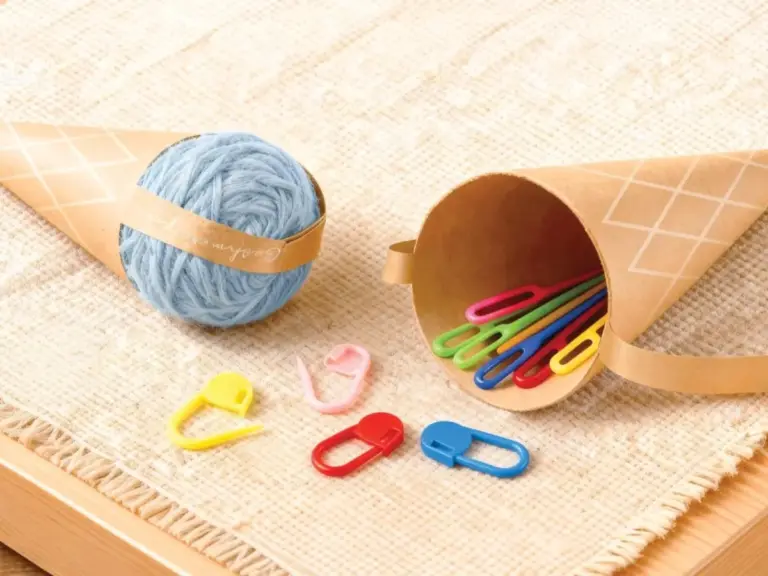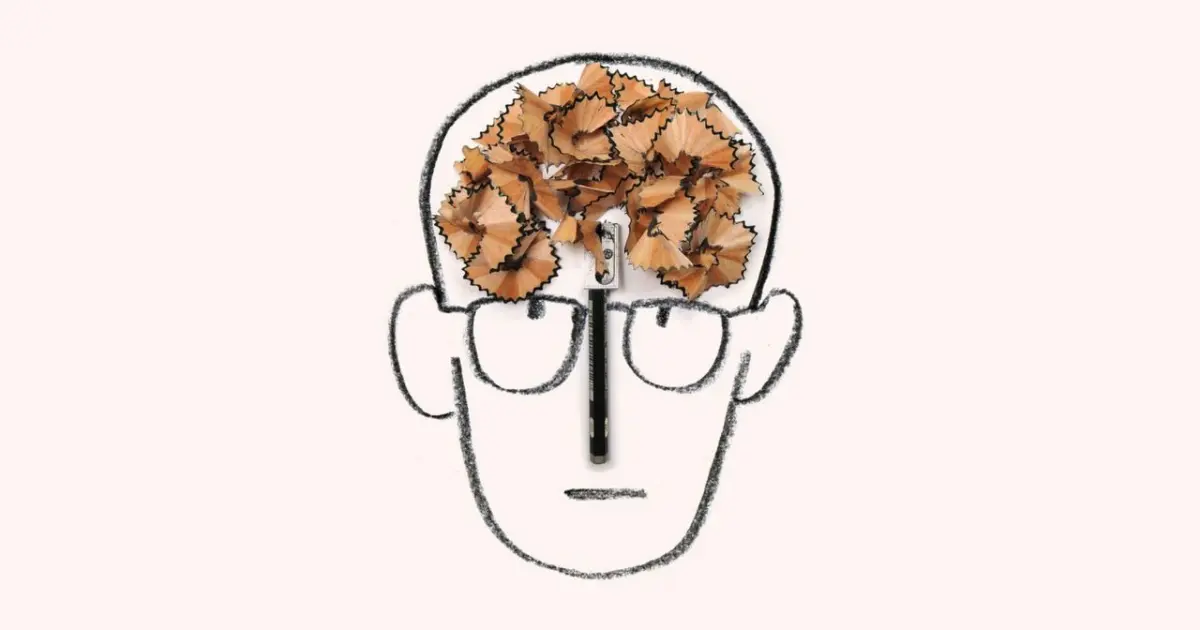
For years, acclaimed artist and illustrator Christoph Niemann engaged in a quiet, disciplined experiment every Sunday. Known for his striking and clever illustrations gracing the pages of prominent publications such as WIRED, The New Yorker, and The New York Times, Niemann would sit down with a completely blank piece of paper and a random, everyday object. He would begin his session without knowing what the final product would look like, bound only by a single rule: his drawing had to incorporate whatever object happened to be sitting in front of him.

Through this playful yet rigorous exercise, Niemann transformed mundane objects into imaginative visual puns. Pennies suddenly became scoops of rich ice cream, ordinary bananas morphed into the muscular legs of a horse, and everyday highlighters were cleverly reimagined as humming light sabers. Over the years, Niemann devised hundreds of these whimsical visual conceptualizations, turning a simple weekend hobby into a fascinating study of spontaneous creativity and resourcefulness.

Now, Niemann has collected these beloved Sunday sketches alongside a comprehensive retrospective of his broader career in a new monograph titled Sunday Sketching. Published by Abrams, the book serves as much more than a mere portfolio of an illustrator’s greatest hits. Instead, it functions as a deeply honest and engaging meditation on the realities of the creative process. Throughout the pages of Sunday Sketching, Niemann utilizes his trademark clever drawings and a charming breed of self-deprecating humor to tackle notoriously tricky and often uncomfortable subjects that every working artist faces, including professional insecurity, the heavy burden of financial management, and the terrifying necessity of changing course in the middle of a successful career. The book stands as a timely and comforting reminder that even the most talented and visible creative minds grapple with significant challenges when attempting to produce consistently great work in a rapidly changing world.

The Illusion of Genius and the Reality of Craft
In the opening sections of his new monograph, Niemann addresses the romanticized notion of the artistic genius, contrasting it with the much less glamorous reality of hard work and daily routine. Relying on craft, discipline, and routine might lack the romantic appeal of sudden inspiration, but Niemann argues that it is an exceptionally practical strategy for maintaining one’s sanity in a demanding industry.

According to Niemann, even in the complete absence of innate talent and fleeting moments of inspiration, an artist can—through sheer, unglamorous practice—become so proficient at their craft that they can reliably and consistently deliver very good work. However, he draws a sharp and important distinction between "very good work" and truly "great work." Achieving great work requires a deep reservoir of skill and technical craft, but it also demands an elusive element that is entirely outside of human control. Once an artist accepts that greatness cannot simply be scheduled or forced into existence, life becomes considerably easier. For clients commissioning art, Niemann offers a gentle piece of advice: all that can reasonably be asked of an artist is very good work, because great work is fundamentally unplannable.

This heavy focus on mastering one’s craft does carry a small but distinct downside, however. By pouring all of one’s energy into perfecting a specific discipline, an artist runs the very real risk of becoming entirely blindsided by shifting cultural landscapes. Niemann compares this danger to a dedicated chef who spends night after night meticulously perfecting the ultimate hamburger, only to eventually realize that the entire population has suddenly transitioned to vegetarianism. This realization brings to light broader structural challenges facing the modern creative economy.

Navigating a Shifting Media Landscape
The challenges of modern illustration extend far beyond the drawing board. Many of the traditional magazines and print publications that, just a few short years ago, employed scores of art directors and supported entire armies of illustrators have either vanished completely or been reduced to a fraction of their former size. To a certain extent, this economic contraction represents a natural evolution across nearly every modern industry. Yet, the sheer speed and swiftness with which these structural shifts have dismantled businesses and upended radiant careers remain deeply unsettling. As Niemann notes, this ongoing revolution is far from over and will likely continue to unfold at an ever-accelerating pace.

Facing such an unpredictable professional horizon leaves artists with difficult choices about how to adapt, sustain their livelihoods, and keep their work relevant in an oversaturated market. Right now, Niemann admits he finds himself blissfully busy with commissions and projects, but he harbors no illusions about the fragility of his position, remaining painfully aware that the party can end very quickly.

The only reliable way to ensure that his work remains in demand is to focus intensely on executing good work. Yet, maintaining that focus is difficult under the best of circumstances, and it becomes downright impossible when an artist must simultaneously carry the crushing psychological weight of financial anxiety.

The Crucial Role of Financial Prudence
For Niemann, constantly worrying about budgets and money while attempting to create art is nothing short of creative poison. Throughout his career, he has steadfastly avoided working with time sheets, noting that the process of dreaming up creative ideas is inherently inefficient. Whether a specific concept requires five hours of labor or fifty has absolutely no bearing on the final quality of the outcome. At the same time, ignoring financial realities is simply not a viable option.

To carve out necessary mental breathing room and protect his creative output, Niemann established a strict financial safety zone. He regularly sits down to calculate precisely how much money he needs to cover his monthly living expenses, finding that his financial needs remain surprisingly consistent over time. His primary rule of thumb is to maintain at least six months’ worth of anticipated expenses safely stored in the bank. If a major professional crisis strikes, this financial buffer ensures he has a few months of breathing room to calmly figure out his next steps.

While implementing and maintaining this system is far from easy, Niemann has found that having a financial buffer yields profound and direct benefits for the quality of his professional output. Most importantly, it grants him two critical luxuries: the freedom to turn down commercial assignments that prove to be a poor fit, and the ultimate security of knowing that he can afford to walk away from any job if necessary, a step he has taken on rare occasions throughout his career.

To keep tabs on his situation, Niemann tries to take time once a month to inspect his financial accounts, evaluating whether he can comfortably continue on his current path or whether he actually needs to panic. Life is inherently unpredictable, and he acknowledges that he is not always capable of maintaining this rigorous system. Worrying about money is undeniably stressful, and worse still, he knows that fear and desperation inevitably bleed into his artwork. For these reasons, Niemann views unglamorous financial prudence as a crucial, foundational element of his artistic practice.

The Double-Edged Sword of Social Media
Beyond financial considerations, Niemann frequently grapples with complex questions regarding the long-term creative direction of his career. While he must remain kind, forgiving, and protective of his fragile self while actively working, he also recognizes the necessity of periodically stepping back to evaluate his overall body of work through the eyes of a detached, jaded outsider. He forces himself to confront difficult questions: Is his work merely devolving into shallow pandering to an audience? Is he still taking genuine creative risks? Is he genuinely in touch with the cultural currents happening out in the world, or does he simply blame his audience whenever a piece falls flat?

Evaluating one’s own shortcomings is notoriously difficult, and recognizing what one is actually doing right can prove even harder. A decade ago, Niemann could only discuss these burning creative questions with a small, trusted circle of friends and colleagues. While those trusted peers remain invaluable when facing specific, localized problems, they can never replicate the fresh, unbiased perspective of someone entirely unfamiliar with him and his work.

The advent of social media has fundamentally transformed this dynamic. Today, Niemann can take virtually anything he produces—whether it is a fully realized, polished piece or a quick, spontaneous experiment—and immediately gauge the reactions of real readers out in the world. With the simple tap of a button, he can get a relatively clear sense within minutes of whether the broader public finds value in a particular idea.

At the same time, Niemann is refreshingly honest about the psychological trap of online validation. Anyone who claims they are completely immune to the thrill of a post receiving thousands of likes, or who insists they feel no pangs of insecurity when a post falls flat, is simply not telling the truth. Having built a career that long preceded the rise of Facebook, Twitter, and Instagram, Niemann remembers what it felt like to create art with barely any immediate reaction from an audience, leading him to view social media as a fascinating and potentially indispensable modern tool.

However, he warns that modern algorithms are brilliantly designed to manipulate human psychology by weaponizing personal insecurity and vanity, making it dangerously tempting to unconsciously equate digital metrics like likes and favorites with genuine artistic quality. Online approval and viral success are ultimately far too superficial and cheap to serve as true measurements of creative value. While he admits to feeling a surge of excitement when a piece goes viral, he notes that cat videos and empty listicles achieve the exact same response, leaving viewers feeling bloated and hollow. In an overwhelming ocean of smooth, fleeting digital reactions, Niemann reminds his readers that the art that genuinely moves people is often slow, strange, and persistent.

Resisting Fads While Embracing Change
As digital platforms continue to multiply—from Instagram and Twitter to newer platforms like Snapchat and Vine—artists face a perpetual dilemma regarding when to keep up and when to simply step back. Niemann frequently wonders when it might be time to throw his hands up, declare that he is ignoring all the latest fads, and simply focus on doing his work. He deeply admires artists who possess the boldness to remain entirely unintimidated by fleeting cultural trends, pursuing their personal visions with unfazed determination.

Yet, he is also acutely aware of the cautionary tales of artists who clung too rigidly to the past. He vividly recalls being a student in the late 1990s and engaging in passionate debates with peers who adamantly doubted that designers would ever truly need to operate computers, convincing themselves that the digital hype would quickly blow over.

Ultimately, Niemann recognizes the delicate balance required to navigate a creative life. Being a stubborn maverick feels rewarding, but having a client reject a sketch or watching a post fail to gain traction on social media does not automatically mean the work is a misunderstood masterpiece ahead of its time. Sometimes, as Niemann candidly points out, a piece of art is simply bad.

Sunday Sketching is available now from Abrams, offering readers a rare, humorous, and deeply reflective look inside the mind of one of contemporary illustration’s most enduring talents.