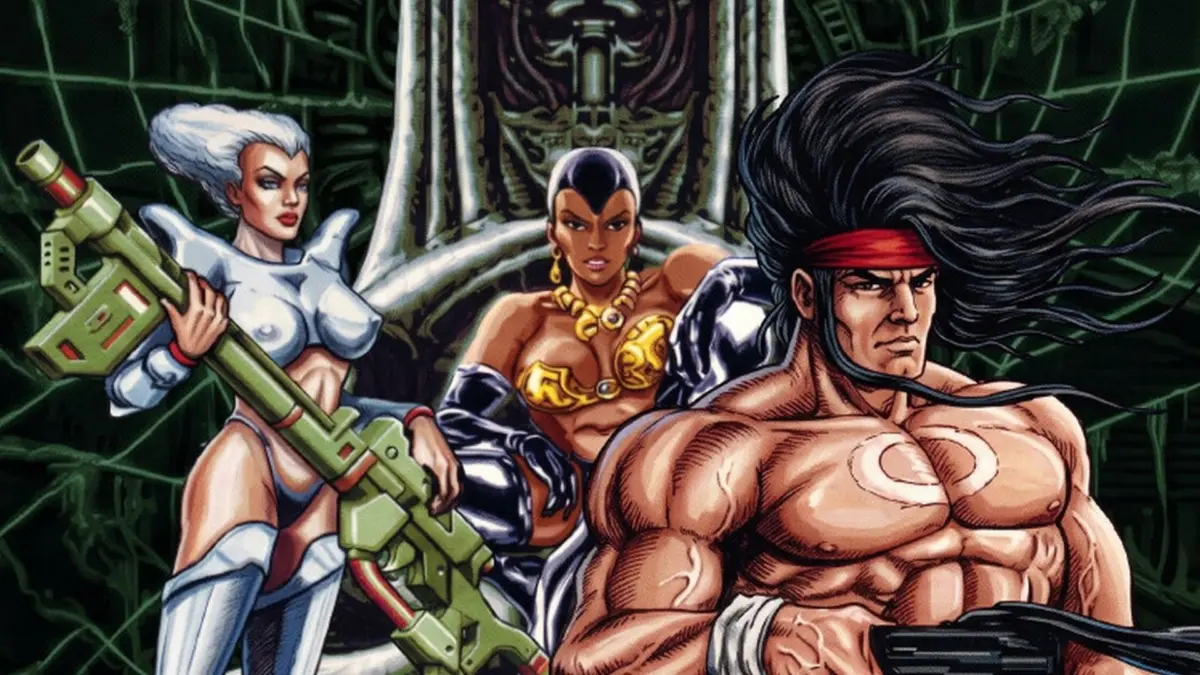
In the bustling era of 1990s arcades, Spanish developer and publisher Gaelco carved out a distinct niche for itself. While perhaps best remembered today for its breakout racing hit World Rally—or occasionally for its electronic dartboards—the company produced a catalog of arcade titles that remain largely unknown outside of Spain. That historical blind spot is finally set to shrink thanks to retro game specialists QUByte Interactive, who are working to resurrect two of Gaelco’s most obscure arcade properties for modern PC players through Steam later this year.
The upcoming release, titled the Thunder Hoop Collection, brings together the original 1992 platformer Thunder Hoop and its 1994 sequel, TH Strikes Back. Together, these titles offer a fascinating time capsule of early-90s arcade design, characterized by eclectic stylistic influences, bizarre character transformations, and high-energy action that wears its inspirations proudly on its sleeve.
At the center of both games is the titular protagonist, Thunder Hoop. Described as a genetically engineered and peculiarly named hero capable of hurling raw energy blasts from his hands, Thunder Hoop serves as humanity’s last line of defense against an army of mutants unleashed upon the world by the nefarious villain Dr. Genbreak. While the premise sounds like standard Saturday-morning cartoon fare, the execution shifts wildly between entries, reflecting the rapid evolution of arcade sensibilities during the mid-1990s.
The original Thunder Hoop, released in 1992, adopts a traditional side-scrolling platforming structure. In this debut outing, a teenage Thunder Hoop must navigate a sprawling cityscape to battle cartoonish monsters. The level design checks off several classic arcade tropes, including mandatory sewer explorations and underwater stages that demand precise navigation and timing. While the challenge was typical of early-90s coin-ups—designed to gracefully part players from their quarters—the game’s visual identity and quirky enemy design helped it stand out in local arcades, even if it never achieved the global saturation of contemporary hits from Capcom or Konami.
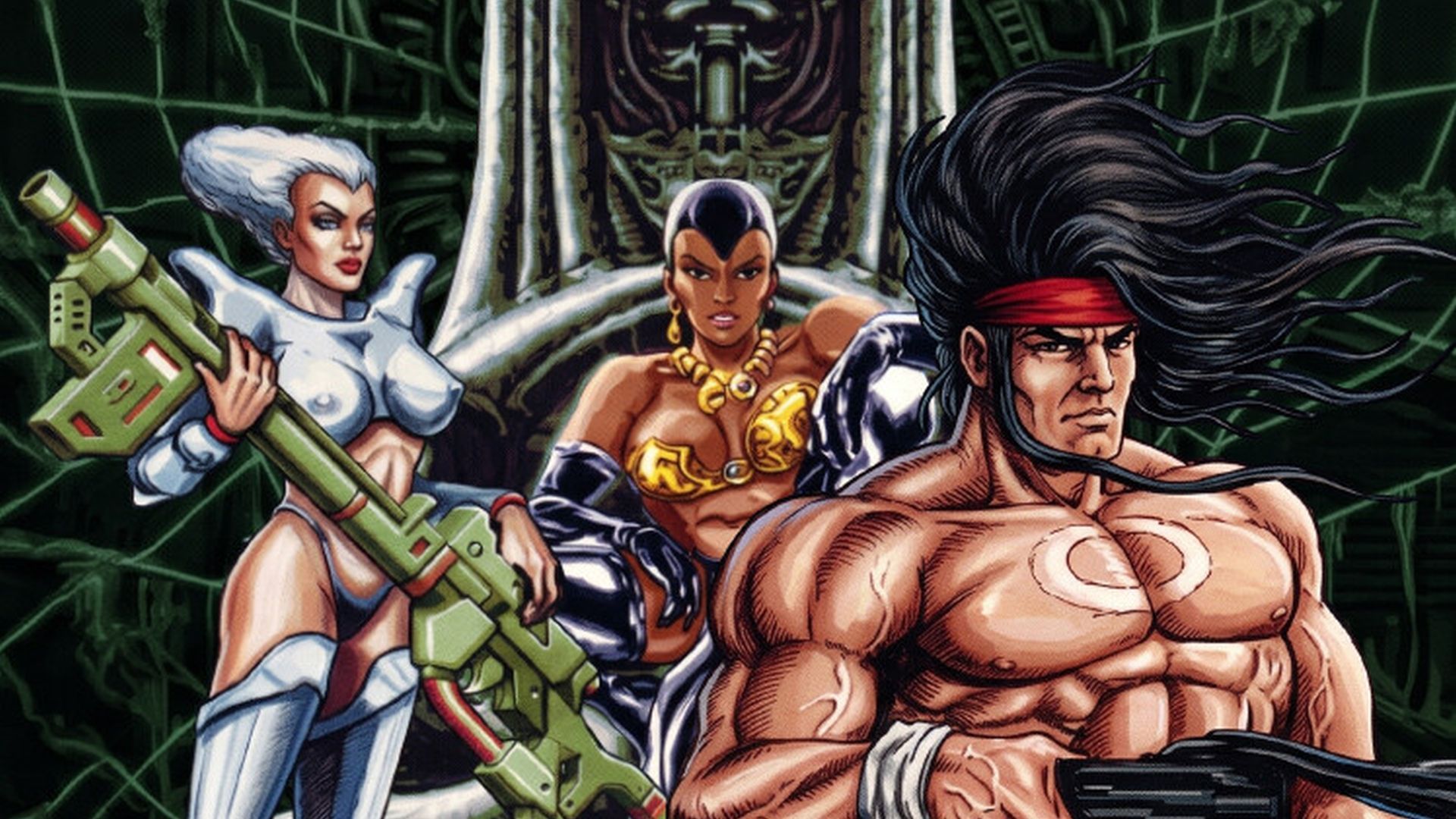
By 1994, however, the sequel TH Strikes Back took the franchise in a distinctly different and much wilder direction. In this follow-up, Thunder Hoop was aged up into a full-grown, muscle-bound adult who apparently considered shirts to be an unnecessary impediment to heroic combat. The gameplay shifts from standard platforming toward a more frantic run-and-gun style. The sequel also ups the bizarre factor considerably, featuring encounters with enemies like women clad in latex, and culminating in a sequence where the protagonist goes Super Saiyan before launching directly into space for a sudden shift into a Gradius-style scrolling shooter segment. It is this unique blend of anime-inspired transformation tropes and sci-fi chaos that gives the series its distinct "Dragon Ball Z meets Aliens" reputation among retro gaming enthusiasts.
QUByte Interactive is packaging both titles with a suite of modern quality-of-life enhancements designed to make these vintage coin-ops palatable to contemporary audiences. Players will have access to standard emulation features such as save states and a rewind function, allowing them to bypass the notorious difficulty spikes and coin-munching design of the original arcade hardware. Additionally, the collection includes customizable screen filters designed to replicate the warm, scanline-heavy look of classic cathode-ray tube (CRT) monitors.
There are also notable differences in how multiplayer is handled between the two titles in the collection. While the original Thunder Hoop restricts its multiplayer experience to alternating turns, the 1994 sequel TH Strikes Back includes full local co-op support, allowing two players to team up locally to tackle Dr. Genbreak’s mutant forces side by side.
The Thunder Hoop Collection is scheduled to launch on Steam on October 8, offering retro enthusiasts, arcade historians, and fans of quirky 90s media a rare chance to experience a pair of deep cuts from Gaelco’s software library without needing to track down vintage, heavyweight arcade cabinets.