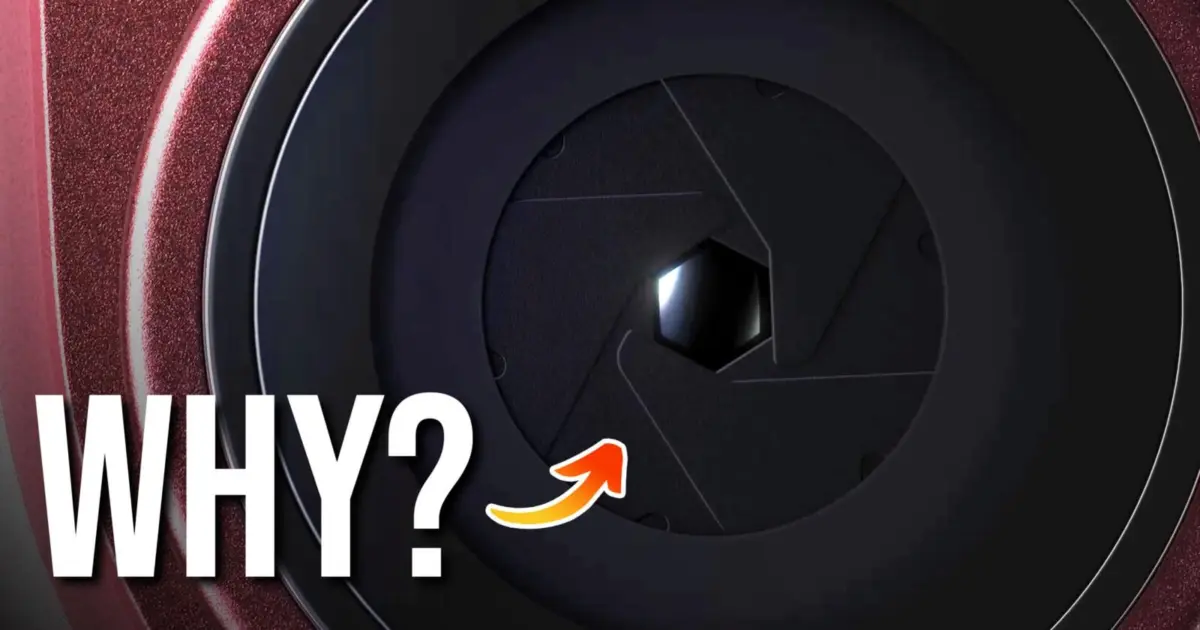
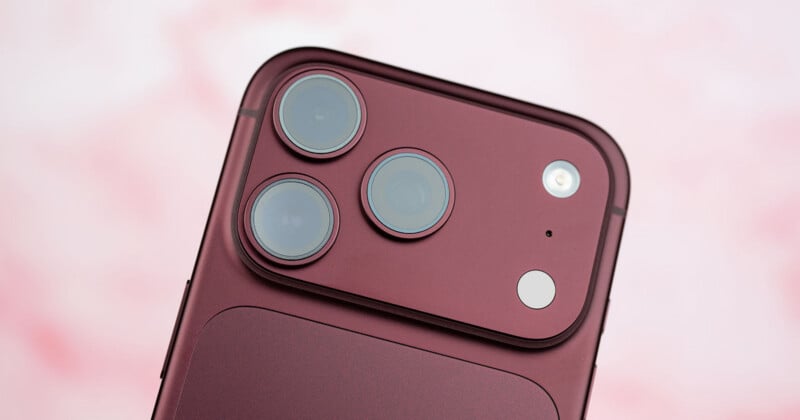
The Apple iPhone 18 Pro and 18 Pro Max have officially arrived, carrying a familiar outward appearance that heavily belies a monumental architectural shift hidden directly within their main camera systems. For the very first time in the history of the smartphone lineup, an iPhone features a true variable aperture. PetaPixel recently spoke directly with key members of Apple’s product marketing and hardware engineering teams in a rare, unscripted conversation to learn firsthand why this dramatic feature was created, how the complex mechanics actually function, and what it ultimately means for how everyday users and professionals capture photos and video on Apple’s latest flagship devices.
This exclusive look granted valuable insight into how the Cupertino-based tech giant approaches the high-stakes engineering and design decisions behind one of its most valuable product lines. Balancing the demands of casual shooters who expect simple point-and-shoot perfection with the stringent requirements of seasoned photographers and videographers has always been a central challenge for the iPhone Pro series.
Why Is Now the Right Time for a Variable Aperture on iPhone?
Perhaps the most pressing question surrounding the iPhone 18 Pro series’ new variable-aperture main camera is simple: why now? Apple has certainly had numerous opportunities to introduce a variable aperture in previous generations, especially given that several major Android competitors have experimented with or implemented similar technology over the years.
According to Jeremy Hendricks of Apple’s iPhone Product Marketing team, the company’s Pro line has always had to carefully evolve to balance two distinct user bases. The overarching goal is to make it as effortless as possible for anyone to capture the best possible shot automatically, while simultaneously delivering technically advanced capabilities for pros and individuals deeply experienced in photography and videography.
As it turns out, the implementation was driven less by a sudden desire to market a "variable aperture" buzzword and much more by an uncompromising pursuit of improved image quality. The new variable aperture ultimately served as a means to a much more fundamental technical end.
Matt Waldon, Senior Director of Camera and Depth Hardware at Apple, explained that the engineering journey started squarely with the pursuit of better sensor sensitivity. Apple is perpetually striving to elevate camera performance and deliver superior image quality to its customers. When looking at ways to improve light sensitivity, engineers face a few distinct paths.
As Waldon detailed, one classic approach is to physically increase the image sensor size, which is a reliable method for capturing more light. However, that path carries substantial hardware drawbacks. Larger physical sensors inherently require significantly more internal space within the chassis, larger and heavier lenses, and substantially more processing power to manage the optical data.
For Apple, the superior engineering solution was instead to design a faster lens aperture. In the case of the iPhone 18 Pro and Pro Max, that meant pushing the main camera from a traditional f/1.8 aperture down to a much faster f/1.48 opening.
However, embracing a fast f/1.48 lens introduces its own distinct optical challenges. Waldon noted that implementing that level of light gathering without a variable aperture would severely compromise sharpness in common everyday scenarios. For instance, when shooting a portrait of someone close to the camera while attempting to capture architectural or scenic details in the background, a fixed ultra-fast aperture would cause noticeable optical aberrations and a loss of overall sharpness, preventing the user from capturing the exact image they envisioned.
Consequently, developing a variable aperture became a necessary engineering hurdle to overcome. Apple wanted to maximize the speed of the iPhone’s lens for low-light conditions without sacrificing optical fidelity and sharpness when a wider aperture simply was not required by the scene.
Giving Photographers More Creative Control
While the technical foundation began with light sensitivity and sharpness, Hendricks noted that a variable aperture immediately unlocks profound creative benefits for the end user. Expanding overall creative range has always been a core philosophy for the Pro camera system, and bringing physical aperture control to mobile devices aligns perfectly with that vision.
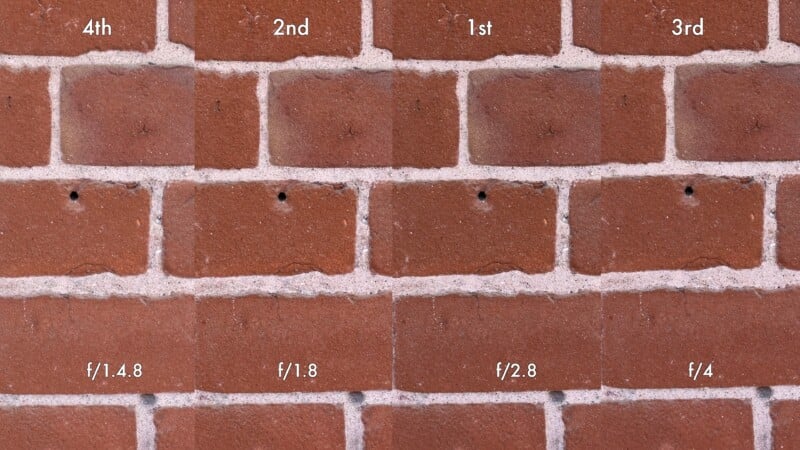
Waldon expressed genuine excitement regarding the creative possibilities that a physical variable aperture system unlocks for mobile creators. Being able to physically manipulate depth of field beyond what was previously possible at f/1.8 gives photographers a new tool for isolation. Furthermore, closing down the aperture provides greater flexibility when balancing shutter speeds for both video work and still photography. When desired, narrowing the physical opening also introduces a distinct, aesthetically striking starburst effect on bright point light sources.
Six Aperture Blades Struck the Right Balance
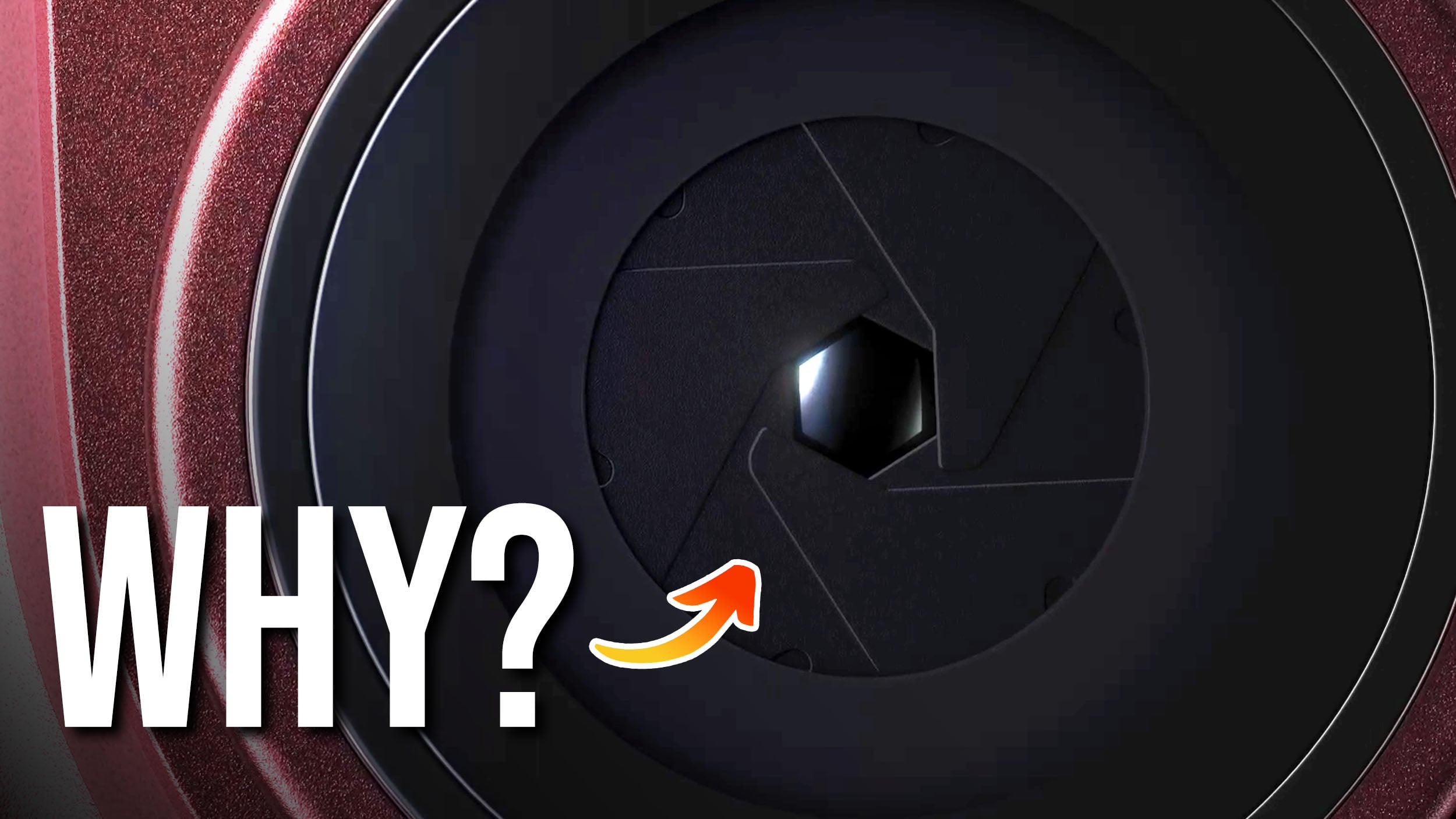
Discussing that characteristic starburst effect naturally leads to the mechanics of the stepless variable aperture mechanism itself, which incorporates six precisely engineered blades. Choosing the exact number of blades involved a careful compromise between optical physics and tight spatial constraints.
Waldon explained that six blades represented the optimal balance of multiple factors. Primarily, physical dimensions dictate strict limits inside a modern smartphone chassis. As more blades are added to an aperture mechanism, fitting them all into the minuscule available space becomes exceedingly difficult. Furthermore, the shape and interaction of the blades have a massive impact on how out-of-focus background elements, known as bokeh, are rendered, as well as how light points transform into starburst patterns. Optimization around these visual characteristics proved that six blades was the absolute sweet spot for this specific optical design.
Each of the six laser-cut aperture blades is constructed from a specialized polymer composite custom-designed by Apple to strike an ideal balance between mass, physical flexibility, and long-term durability. Measuring thinner than a single human hair, each blade operates in tandem with a newly developed, highly compact rotor mechanism. Hendricks highlighted the remarkable nature of packing such a complex, precision mechanical system—complete with a rotor and moving microscopic blades—into a device that consumers carry in their pockets every day.
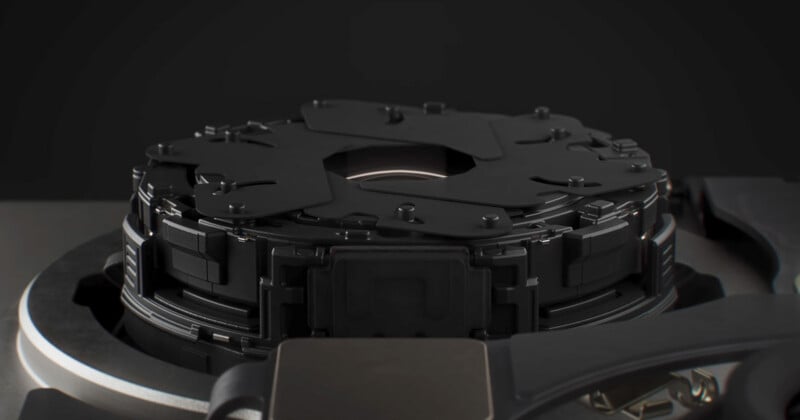
In typical Apple fashion, the engineering behind the variable aperture is described with lofty terminology, yet the attention to detail remains undeniable. Every millimeter of interior space within a modern smartphone is fiercely contested, and fitting a stepless aperture module into such a slender profile is an immense engineering feat. This difficulty explains why many competing manufacturers who experimented with variable apertures in the past ultimately abandoned the technology in subsequent hardware iterations.
Each Aperture Value Has Its Place
Despite the stepless nature of the internal mechanism, users are given direct control over four distinct aperture settings. Mobile photographers and videographers can manually toggle between f/1.48, f/1.8, f/2.8, and f/4, though the camera defaults to f/1.8 for everyday use.
Apple maintains that f/1.8 remains the optimal overall choice for general shooting because it preserves exceptional sharpness, provides a pleasing amount of natural background separation when subjects are close, and offers a familiar shooting experience that balances lens speed and optical clarity.

Waldon acknowledged that inherent trade-offs exist across the range. When shooting at the widest f/1.48 setting, users sacrifice a minute degree of absolute sharpness due to optical aberrations. Conversely, shooting at the opposite end of the user-selectable scale at f/4 introduces diffraction limitations.
Even with f/1.8 serving as the reliable baseline for general conditions, Apple is deeply committed to empowering creators with expanded choices. Hendricks and Waldon are particularly eager to see how professional videographers utilize the full range of physical apertures to precisely dial in shutter speeds and motion blur for cinematic storytelling.
Pro Controls
For Apple, combining the new physical variable aperture with the newly introduced Pro Controls within the native iOS Camera app creates a powerful ecosystem for creative expression. Historically, iPhone owners wishing to exercise granular, manual control over shutter speeds, ISO, and focus had to rely on third-party applications. While those external apps retain specialized use cases, Apple believes the native Pro Controls will naturally introduce casual users to manual photography concepts while finally satisfying advanced enthusiasts who have requested professional internal tools for years.

Hendricks noted that the Pro Controls act as an invitation for users to learn and experiment with manual settings, even if they lack a formal background in traditional photography. Waldon emphasized that the system retains its core philosophy: by default, everything remains fully automatic. Users do not need to understand exposure triangles or optics; they can simply open the app, press the shutter button, and let the computational engine handle the heavy lifting.
However, once users begin exploring the granular manual settings, the experience becomes deeply engaging. Because these manual adjustments tie directly into Apple’s advanced computational photography pipeline, creators retain full access to smart HDR, custom photographic styles, and sophisticated video audio mixing tools. Expanding flexibility upfront within the native capture pipeline ultimately grants creators a much wider canvas for their final work.
A Cascading Series of Events That Changed the iPhone 18 Pro Camera System
Apple is far from the first technology company to experiment with variable apertures in a mobile phone, but the company’s characteristically deliberate approach sets its implementation apart. Waldon noted that the team went into the project with strict intentionality to ensure the hardware difference is genuinely perceptible in real-world scenes, particularly when attempting to expand depth of field between foreground and background subjects.

Being fully aware of how previous industry attempts at variable apertures faltered or faded away, Waldon asserted that Apple views this technology as a fundamental, permanent pillar for its Pro smartphone line moving forward.
Reflecting on the overarching development path, it is striking to realize that the sweeping transformation of the iPhone 18 Pro camera system began from a remarkably simple initial goal: improving low-light image sensitivity. Because solving that challenge pointed toward a faster lens, and a faster lens necessitated variable control to preserve optical sharpness, the engineers realized users would subsequently demand the ability to adjust those apertures manually.
While individual hardware tweaks can sometimes seem incremental in isolation, real-world testing proves that the convergence of these deliberate choices culminates in a profoundly elevated photography and videography experience on Apple’s latest flagship devices.